


Free Funnel Audit
Convert more customers today!
SEO
10 mins read

SEO
10 mins read
The best way to increase average order value is to give shoppers a clear, useful reason to buy more during the same visit. That does not mean pushing random products at checkout but shaping a better offer around what the shopper already wants.
Smart bundles, helpful add-ons, fair shipping goals, and stronger product choices can all lift order size. Yet AOV should never rise at the cost of trust. A larger cart means little if profit falls or shoppers leave. The goal is a bigger, healthier sale.
This guide explains how to increase average order value through 11 practical fixes. Each one can be tested on a real store.
Average order value, or AOV, shows the typical value of each order and helps you see how much customers spend per purchase.
The basic formula is simple:
| Average Order Value = Total Sales Revenue ÷ Number of Orders |
Suppose your store earns $24,000 from 400 orders. Your average order value is $60.
Check how your sales platform defines the metric before comparing reports. Shopify, for example, calculates AOV from gross sales minus discounts. It excludes post-order changes, taxes, and shipping. Other platforms, however, may use different rules.
AOV also needs context. A $60 order may look strong for a snack store. But the same amount may look weak for a furniture shop. That is why industry-wide benchmarks can mislead you. Your own product price, margin, and past results matter more.
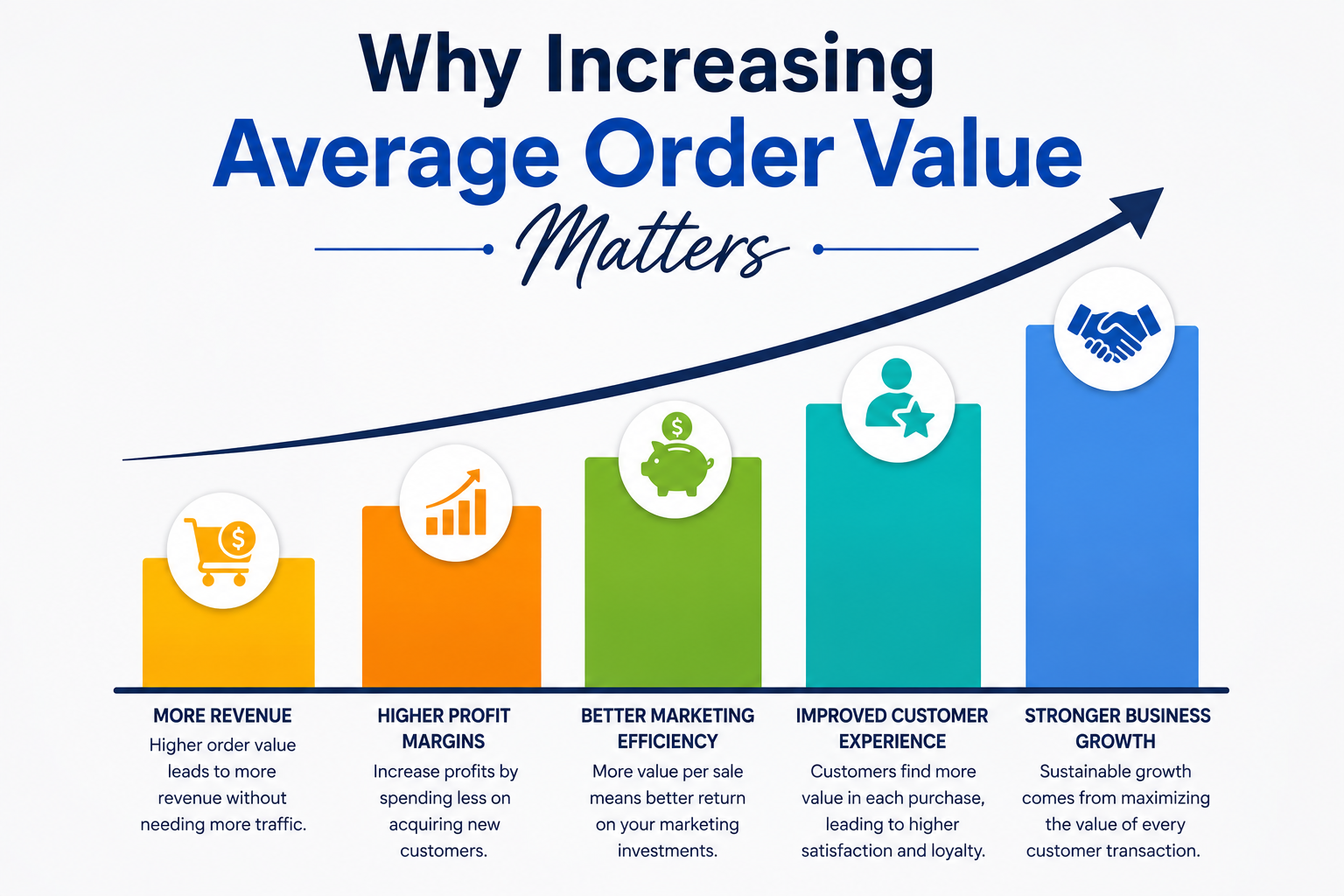
Learning how to increase average order value can grow revenue without buying more traffic. Each shopper already costs money to reach, and a larger order helps you earn more from that visit.
Imagine two stores that each receive 1,000 monthly orders. One has a $50 AOV while the other has a $60 AOV. The second store earns $10,000 more before other changes, and that extra revenue may help cover ad costs. It may also support shipping, staff, and product development.
Higher order values can improve the customer trip too. A well-made bundle saves search time while a useful add-on prevents a second order. A better product tier may also last longer.
Still, a bigger basket is not always better. Deep discounts can lift AOV while cutting profit. An aggressive upsell can also lower the conversion rate. So, is the extra revenue worth the offer cost? That is the question behind every fix.
A low AOV is one that sits below your store’s useful baseline. It may also fail to cover acquisition and fulfillment costs. There is no single number that fits every business. Product type, price, margin, and buying habits all shape AOV. A coffee brand and a sofa store should not share the same goal.
The fastest way to increase average order value responsibly starts with knowing whether yours is truly low. Compare it with these points:
Look at the median order value too. One very large order can pull the average upward. The median shows what a more typical shopper spends. For example, nine customers may spend $40 each while one wholesale buyer may spend $1,000. The average looks high, yet most carts remain small.
The following tactics work because they reduce a real buying barrier. Some help shoppers choose. Others add value or make a larger purchase feel fair.
Remember not to launch all 11 at once, as you will not know which change caused the result. Pick one fix based on the weakest part of your store.
Shipping fees create pain because shoppers see them as extra costs. Baymard’s checkout research found that high added costs remain a leading reason for cart abandonment. That includes shipping, taxes, and fees. A free shipping threshold turns that pain into a goal. The shopper can add something useful instead of paying a delivery fee. That choice often feels better.
Set the threshold slightly above your current AOV. If your AOV is $60, you might test free shipping at $75. This is only an example. The main idea is to create a gap that must feel reachable. Asking a shopper with a $30 cart to spend $100 may annoy them. Therefore, a small, clear gap feels far more inviting.
Show the progress in the cart. A line such as “Add $12 more for free shipping” gives the shopper a task. Keep it visible on mobile too. Your shipping goal should also protect margin. Therefore, check the average parcel weight and shipping zone, as heavy products can turn a popular offer into a costly one.
Bundles work because they remove small choices. Instead of finding three related items, the customer can buy one complete set. The bundle must solve one clear need; for example, a skincare store might pair a cleanser, serum, and moisturizer. A coffee shop may group beans, filters, and a mug.
Good bundles feel planned while bad bundles look like slow stock tied together with a bow. Shopify lists higher AOV and easier product curation among the benefits of bundles. It also notes that bundles can help move older stock.
Try these bundle styles:
Price the bundle below the sum of each item. The savings do not need to be huge. It only needs to feel real and easy to grasp. Show the full value beside the bundle price. “Worth $90, yours for $78” is clearer than a vague “special deal.”
Cross-selling suggests a related item, not a more costly version. Think phone case with phone, socks with shoes, or filter with coffee maker. Relevance matters most because a random item may fill space, yet it will not help the shopper. It may even feel pushy.
Ask one simple question: “What will this buyer likely need next?” The answer often reveals the best cross-sell. Place suggestions near the product details or inside the cart, keeping the list short. Three fitting ideas often work better than a crowded product wall.
Price also shapes the choice. A $12 add-on feels reasonable beside a $70 product, while a $90 add-on may force a second buying decision. Use a plain copy that explains the link. “Protect your new screen” says more than “You may also like.”
Upselling asks the shopper to choose a stronger version. The better option may offer more space, better materials, or a longer plan. An upgrade needs a clear benefit. “Premium” means little on its own but phrases like “twice the storage” gives the shopper something to judge.
Use a small comparison table when products have several differences and keep the labels clear. Also, avoid a wall of ticks and tiny print.
A strong upgrade section may compare:
Do not hide the basic option as a forced upgrade can weaken trust. The customer should still feel good about the lower tier.
Volume pricing gives shoppers a better rate when they buy more. It works well for items people use often.
A simple offer could look like this:
Those numbers are only examples. Your margin should set the real tiers. This tactic suits pet food, beauty products, office goods, and pantry items. It makes less sense for products people rarely replace.
Show the cash saving, not just the percent. “Save $9” is easier to feel than “Save 8%.” Also, be careful with stockpiling. A large first order may delay the next order. Therefore, measure repeat purchase timing before calling the test a win.
A gift can feel warmer than a discount because the customer gets something extra while your main product keeps its listed value. Therefore, choose a gift that supports the order. A sample-size hair mask fits a shampoo purchase. A random keychain may not.
The gift should also be cheap to ship as large or fragile gifts can raise costs fast. Set a spend goal above your normal AOV. For example, a store with a $70 AOV might test a gift at $85.
Show the gift before checkout and use a cart note like “You are $9 away from your free travel pouch.” A visible goal creates a small spark. Limited stock can add urgency, but stay honest. Do not run a fake ending each week.
Free shipping is not the only useful threshold. You can unlock other perks after a set spend. The perk might include a free sample, gift wrap, priority support, or early product access. Digital goods can offer bonus templates or added lessons.
This helps protect your price and you reward a larger order without cutting every item. That can be safer for premium brands. The perk must match the customer’s goal. Would someone buying a birthday gift value free wrapping? Very likely. Would that same person care about a trade-only guide? Probably not.
Keep the terms short because a shopper should understand the deal in one glance.
Consider these options:
Do not stack too many perks. If you do that, the cart can become noisy.
Shoppers cannot add products they never find. Poor menus, weak search, and vague category names quietly hold AOV down.
Start with your internal search data and look for terms that return no products. Also check searches that lead to quick exits. Then review category pages. Can shoppers filter by size, use, price, or need? Useful filters shorten the path to a second item.
Furthermore, product pages should link to the next logical choice. A dress page might show a matching belt while a desk page could show a chair and cable tray.
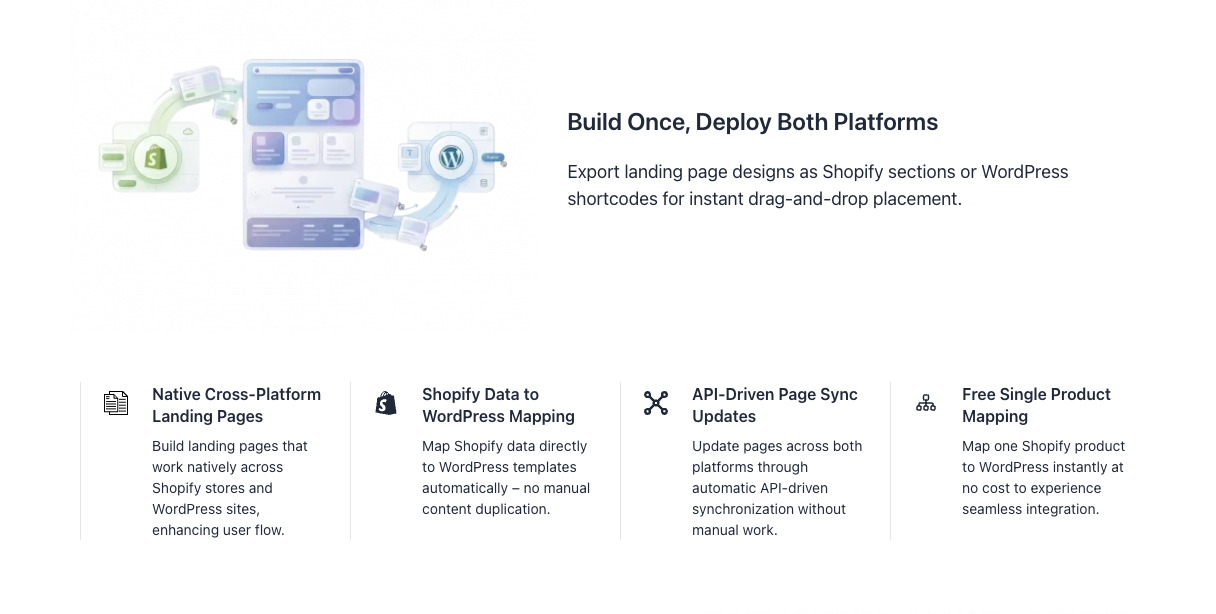
This is where CausalFunnel can support the process through conversion rate optimization, landing page testing, and visitor journey analysis. Its tools help teams spot funnel leaks and compare page versions with real traffic which can guide better product placement.
A post-purchase offer appears after payment. The main order is already complete, so the add-on does not block the first sale. This placement works well for low-risk extras. It might include a refill, accessory, warranty, or small digital product.
Keep the offer tightly linked to the order. If someone buys hiking boots, offer care spray. Do not suddenly sell kitchen towels. One-click acceptance can cut effort. The shopper should not need to type every detail again. Still, the price and terms must remain clear.
Test a short offer window, such as 15 minutes. Use honest wording and do not imply the customer will lose part of the first order. Also, remember that post-purchase add-ons need careful reporting. Some sales systems count them as order edits while others count them as new orders.
Loyalty programs can support larger carts when rewards feel close. A vague future benefit rarely changes today’s order. You can give points for purchases, useful actions, or referrals and then show the customer what the next reward requires.
For example, “Spend $18 more to unlock a $10 reward” gives a clear path. It feels more real than “Earn more points.”
Use tiers with care. A higher tier might add free shipping, early access, or better support. The benefit should suit frequent buyers. Do not make points hard to use. Complex expiry rules can turn a reward into a chore.
Watch margin and repeat behavior together as a loyalty member may spend more per order but buy less often. When designed well, a program can increase average order value and keep customers engaged. Yet it must create real value, not just more emails.
One AOV offer will not fit every shopper. New buyers, loyal customers, and high-value visitors bring different needs. A first-time shopper may want a starter kit while a repeat buyer may prefer a refill pack. A high-value customer may care more about early access.
Traffic source matters too. A bargain-focused ad may attract price-sensitive visitors. An organic product review may bring shoppers who want proof. Run one clean test at a time and compare the new offer against the current page. Keep enough traffic in both groups.
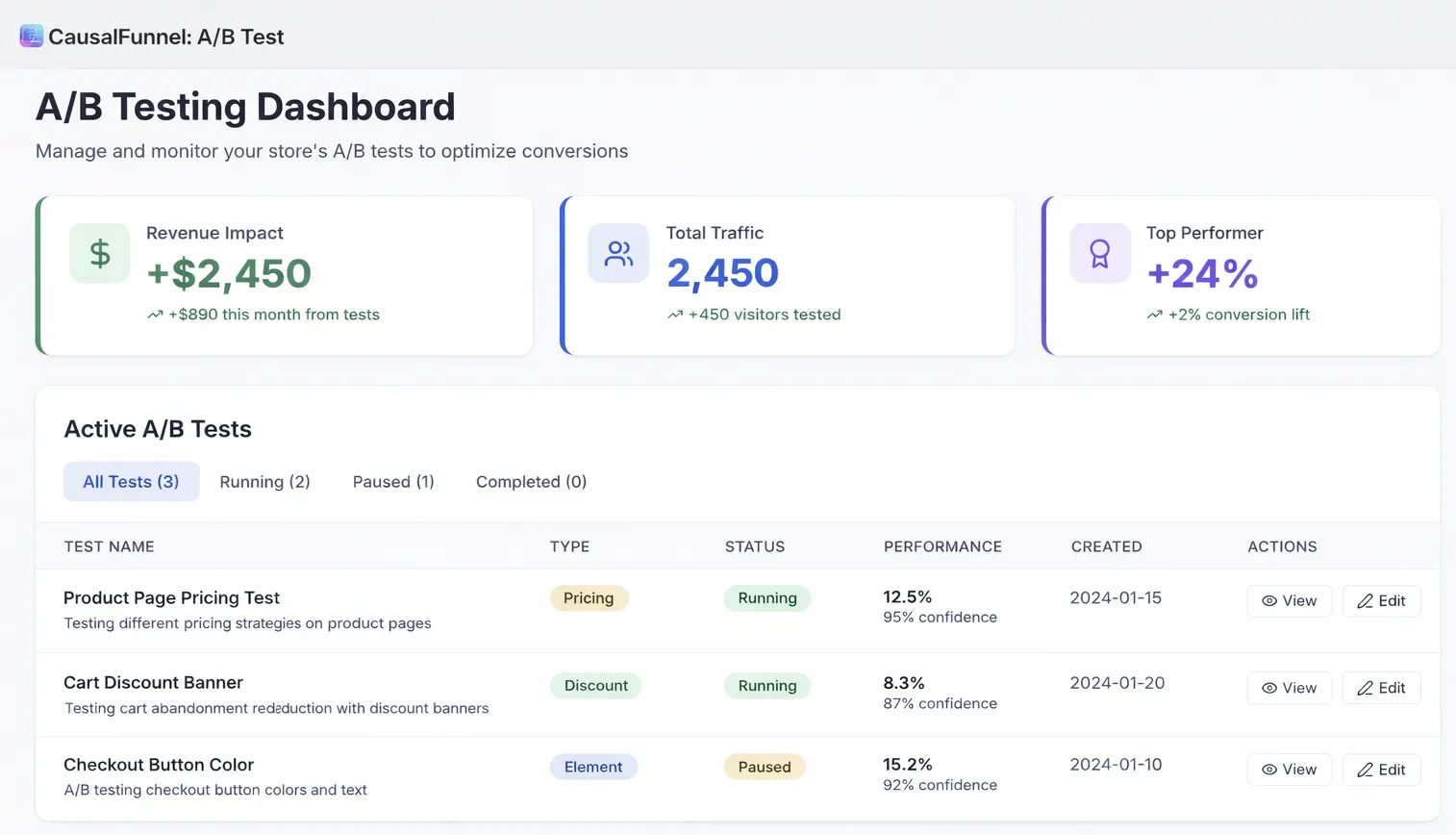
CausalFunnel’s conversion optimization, landing page, and attribution services can help connect offer tests with traffic sources and sales outcomes. This is useful when the same bundle performs well for email visitors but poorly for paid traffic.
The wrong AOV plan can train shoppers to wait for deals. It can also bury margin under discounts and shipping costs. Deep sitewide discounts are the most common trap that may push customers over a spend goal, yet every item earns less. Frequent sales can also weaken full-price demand.
A bad free shipping threshold can hurt conversion. Set it too high, and shoppers may leave. Set it too low, and you may pay shipping without gaining enough cart value. Irrelevant cross-sells also create friction.
Watch for these warning signs:
Another trap is stacking offers where a shopper may receive a volume deal, coupon, free gift, and free shipping at once. The order looks large, but profit may be thin. Keep offer rules clear showing that combined discounts can apply in a set order that can produce a much lower subtotal than expected. Run the math before launch and then test the real shopper response to get a better insight.
If you want to learn how to increase average order value, begin with one real shopper problem. Maybe shipping feels wasteful or perhaps related products are hard to find, or the better product tier lacks a clear reason.
Choose one fix and set a baseline and test it with real traffic. Then review AOV beside margin, conversion, and returns. A healthy order should feel useful to the buyer and worthwhile to the store. Anything else is just a larger number on a dashboard.
A good AOV covers your costs and supports healthy profit. Compare it with your own past results, margins, and product prices.
Review AOV each week for early changes. Use monthly and same-season comparisons before making larger business decisions.
Yes. A reachable free shipping threshold can encourage another item. The added revenue must still cover shipping and product costs.
Upselling offers a better version of the chosen product. Cross-selling suggests another item that supports the original purchase.
The test needs enough orders to support a fair comparison. Thirty days can work, but low-volume stores may need longer.
Yes. Discounts, shipping, returns, and lower conversion can erase the gain. Track gross profit and revenue per visitor too.
Start using our A/B test platform now and unlock the hidden potential of your website traffic. Your success begins with giving users the personalized experiences they want.
Start Your Free Trial

Empowering businesses to optimize their conversion funnels with AI-driven insights and automation. Turn traffic into sales with our advanced attribution platform.
Trusted by Customers


©CausalFunnel Inc. All rights reserved.