


Free Funnel Audit
Convert more customers today!

SEO
10 mins read


SEO
10 mins read

Imagine a first-time buyer in Dallas searching for a mortgage broker after touring a home they love. They compare a few local firms, read reviews, and visit the top-ranking websites. If your business does not appear, that promising lead may contact another broker.
This is when SEO for mortgage broker helps your firm. It allows your firm to appear when local borrowers search for loans, advice, or a broker they can trust. The best results come from combining local search work, useful content, a fast website, and clear proof of expertise.
That mix matters because mortgage decisions carry real weight. A borrower is not shopping for socks. They may spend the next 15 or 30 years paying off their choice. Therefore, your website must earn trust before asking for a phone number.
SEO for a mortgage broker is the process of improving a brokerage’s online presence so borrowers can find it through search engines. It helps the website appear for searches related to home loans, refinancing, preapproval, and local mortgage services.
The goal is not just to gain more website traffic but also to attract people who are actively exploring loan options. These visitors are more likely to request advice, book a call, or start the preapproval process.
The process usually includes:
For example, a broker in Phoenix could target “FHA loan broker in Phoenix.” The broker might also publish guides about down payments, credit scores, and closing costs. These pages answer real questions while guiding borrowers toward the right service.
SEO is a long-term lead strategy that builds visibility and trust over time, unlike paid advertising that stops when the budget ends. If done well, it helps a mortgage broker reach the right borrowers at the exact moment they need guidance.

Mortgage broker SEO blends local visibility with financial trust, where both parts must work together. Strong local rankings mean little if your website feels vague or unsafe.
Think about a plumber’s website. A homeowner may call after checking its location, hours, and reviews. A mortgage client tends to dig much deeper. They may read loan guides, check licenses, compare reviews, and study the broker’s background.
Google also treats financial topics with extra care. Home loan advice can affect a person’s money and future. Each page should therefore show who wrote it, why they are qualified, and when the facts were checked.
Your site also faces fierce rivals. Those rivals may include:
You do not need to beat every national lender as that would be a long, costly fight. But you need to become the clearest local answer for the right borrower.
SEO attracts people while they are making a choice. They are already asking questions about rates, loan types, credit, or approval. That makes search traffic quite different from a cold contact list.
Paid ads can create quick visibility. Yet the traffic stops when the budget stops. Good organic pages can keep drawing visits long after publication.
SEO also supports every other marketing channel. A referral may hear your name from an agent. What happens next? In most cases, that person searches for you.
A weak website can cool a warm referral within seconds. A polished search presence can do the reverse. It shows that the broker is active, credible, and easy to reach.
Effective mortgage broker SEO can help you:
The “why” is simple: search gives you a chance to meet borrowers during their decision. The next step is choosing which decisions you want to support.
Keyword research should reveal what a borrower needs. It should not create a sheet filled with phrases nobody understands.
A broad term such as “mortgage” may receive many searches. It also has vague intent and brutal competition. Someone using it could want rates, definitions, news, a calculator, or a job.
Longer searches tend to reveal more. “FHA loan broker in Tampa” signals a loan type and place. “Can I get a mortgage after bankruptcy in Ohio?” exposes a concern and location.
Group your terms by the decision behind them:
Do not make a separate page for every tiny variation as that creates thin, repetitive content. Instead, build one strong page around each distinct need.
Suppose you serve several parts of Atlanta. A page for first-time buyers can cover the full service. Supporting local pages might explain the process in Marietta, Decatur, or Sandy Springs. Each page needs real local value, not a swapped city name.
A borrower should understand your site within a few clicks. Search engines need that same clarity. Begin with your main loan and service categories. Remember that each key service should have its own useful page. Do not hide every offer on one crowded page.
A practical site structure may include:
This setup forms a clean path. A guide about FHA closing costs can link to the FHA service page. That service page can then guide the reader toward a consultation.
Internal links should also feel helpful. Avoid stuffing the same keyword into every link and use clear phrases that tell readers what comes next.
Navigation also shapes trust. Keep license details, privacy terms, contact data, and disclosures easy to find. A borrower should never need detective skills to confirm who runs the business.
On-page SEO tells Google what each page covers. It also helps people decide whether the page deserves their time.
Each main page needs one clear topic. Place that topic naturally in the title, main heading, opening copy, URL, and meta description. Then write for the person behind the search.
A useful title might read:
“FHA Loans in Tampa: Local Guidance for Homebuyers”
That title is clear and specific and does not make a wild promise. It also leaves room for honest guidance.
Review these page elements:
Someone reading a basic credit guide may not want to “Apply Now.” That ask can feel too sharp. “Discuss your loan options” creates a softer next step. That small shift often matters because a mortgage journey is not a vending machine. People need space to think.
Technical fixes help search engines find and load your pages. They also stop visitors from leaving due to a poor experience.
Mortgage websites often become slow over time. A loan calculator gets added, then a chat widget appears, and three tracking tools follow. Soon, the page moves like a grocery cart with one bad wheel.
Check these areas first:
These benchmarks come from Google’s current Core Web Vitals guidance. They are useful targets, not magic ranking buttons.
Structured data can also help search engines understand the business. Relevant types may include LocalBusiness, Organization, Person, Article, BreadcrumbList, and FAQPage. Make sure to only mark up facts that visitors can see.
Schema does not make a poor page rank and gives a strong page clearer labels. Think of it as a neat name tag, not a golden ticket.
Local search is often the fastest path to qualified traffic. A borrower who searches for “mortgage broker near me” is not browsing for fun. That person likely has a real need.
Begin with your Google Business Profile. Your primary category should match your actual work. For most independent firms, “Mortgage Broker” is more precise than a broad label like “Financial Consultant.”
Then complete every relevant field. Google states that local results mainly depend on relevance, distance, and prominence. Complete information helps Google match a business with suitable searches.
Use this order:
Your key business details should match across major directories, local associations, and professional listings. A changed office address can leave a surprising mess online.
Reviews also shape local trust. Ask every eligible client through the same fair process. Do not request reviews only from happy borrowers. That practice, often called review gating, can create policy and trust problems.
Your replies also matter. A warm response shows future clients that someone is listening. Make sure to never discuss private financial facts in a public reply.
Local pages can support the profile. Yet each page must earn its place. Include details such as local property types, common buyer questions, state programs, service limits, and the loan process. This is where SEO for mortgage broker becomes practical. You are not chasing a map ranking for bragging rights. You are helping a nearby borrower find a relevant, credible answer.
Content works when it clears up doubt. It fails when it exists only to fill a publishing calendar.
Picture a couple viewing homes on a Saturday morning. Their agent asks whether they have preapproval. They nod, then quietly search, “How long does mortgage preapproval take?”
That question carries urgency. A clear guide can explain the usual process, required documents, common delays, and next steps. It can also lead naturally to your preapproval service.
Strong content topics often sit near a decision:
Do not cram the full mortgage world into every post. Explain one main issue per article. Useful articles also show limits. Rates, programs, and approval rules can change. Say when a rule varies by lender, state, loan product, or personal profile.
Add an author name and short biography showing relevant licenses or experience. Include a review date when facts may change. Link to strong sources, such as HUD, VA, CFPB, Fannie Mae, Freddie Mac, or state agencies.
This strengthens trust for readers. It also supports the experience, expertise, authority, and trust signals that matter on financial pages.
SEO copy still counts as marketing. A high ranking does not excuse a misleading rate, payment, savings claim, or government link.
The federal Truth in Lending Act and Regulation Z set rules for mortgage advertising. Certain “triggering terms” may require more disclosures. Regulation N also bars misleading claims about mortgage credit products.
For example, take care when mentioning:
The exact rules can depend on the wording and channel, including state laws that may add more duties. NMLS identifiers and license disclosures may also be required in certain content.
Trust is hard to win and easy to lose. Mortgage broker SEO should make your expertise more visible, not stretch the truth.
Backlinks are links from other websites to yours. Good links can support rankings and send referral traffic. Yet quality matters far more than a large raw count.
Local ties offer the most natural opportunities. Think beyond mass directory submissions. Useful links often grow from real work and real relationships.
Potential sources include:
A broker could provide a plain-language quote about preapproval mistakes. A local reporter may cite that advice. A housing nonprofit may link to a free first-time buyer checklist.
Do not trade money for hidden links. Avoid bulk packages promising hundreds of placements. Those links may come from sites nobody reads.
Digital public relations works best when you have something worth citing. Original local data, a clear calculator, or a detailed guide can earn attention. Generic guest posts rarely create the same value.
Mortgage websites often offer too many choices. One page asks visitors to call, apply, download, subscribe, use a calculator, and book a meeting. That creates noise.
Match each call to the visitor’s intent. A service page can invite a consultation. A beginner guide can offer a checklist or short eligibility talk.
Keep forms brief at first and ask only for what the team needs to respond. Sensitive financial data needs proper security and privacy controls.
Conversion work should also cover:
Alt Text: Diagram showing automated organic traffic optimization through behavior analysis, content segmentation, and search performance tracking.
This is where an outside team may help. CausalFunnel offers organic SEO, local SEO, and conversion-focused services that can connect search visibility with lead growth. That matters because traffic without a clear next step is just a crowded waiting room.
Organic growth takes time, but paid search can cover urgent gaps while key pages gain trust.
Google Ads can reveal which searches produce real leads. That data can guide future service pages and articles. SEO can also lower the pressure placed on paid campaigns.
For example, an ad campaign may show that “self-employed mortgage broker” drives good calls. Your SEO team can then build a detailed service page around that need. The page may later support both paid and organic traffic.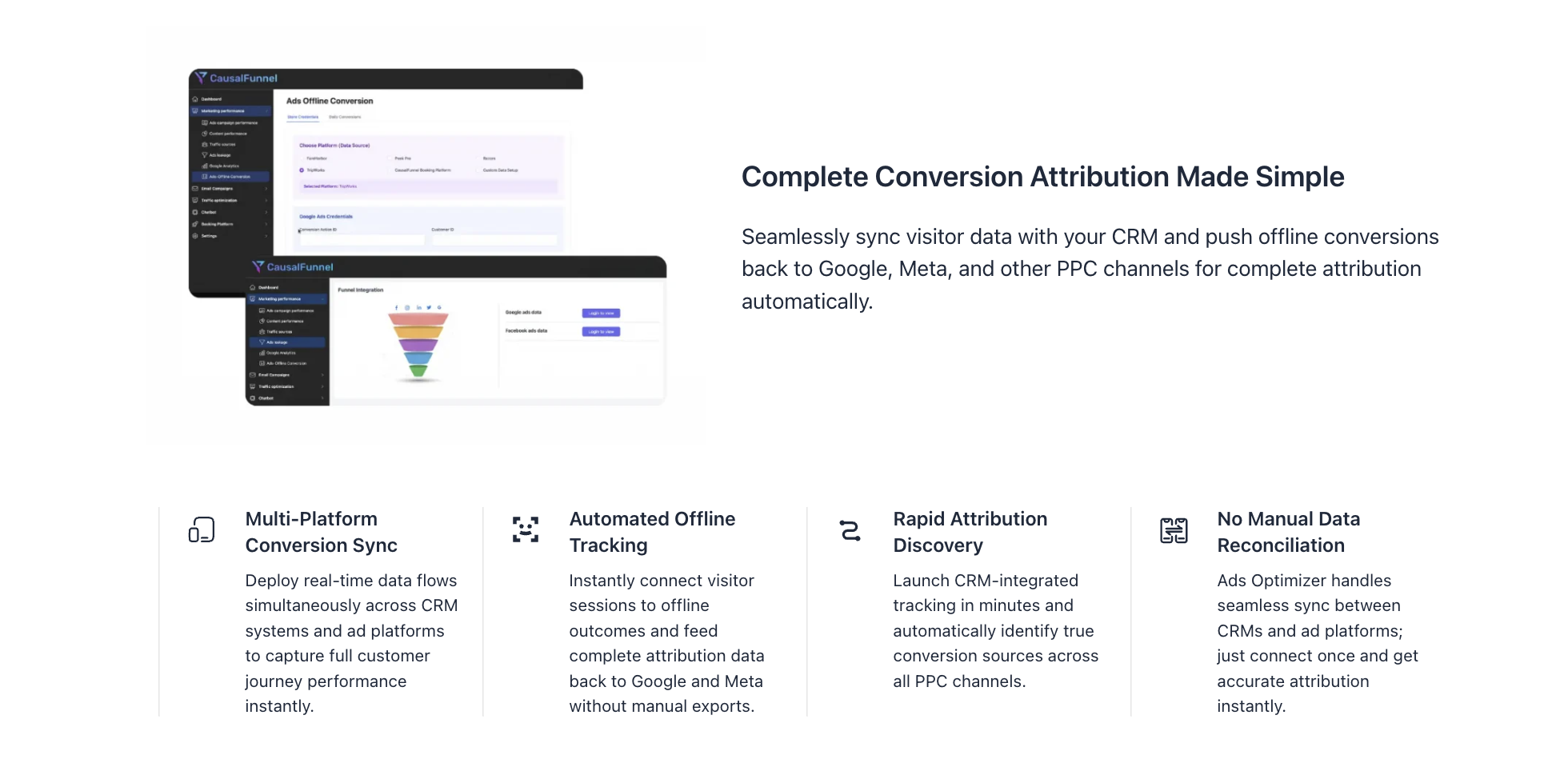
CausalFunnel provides Google Ads management alongside SEO and conversion work. A joined approach can help a brokerage compare channels through qualified leads, cost per lead, and closed-loan value.
However, be careful with attribution. A borrower may first find a guide, return through an ad, and call after reading reviews. Giving all credit to the last click can hide SEO’s role.
Rankings are useful signs. They are not the main business result. Track whether organic traffic creates calls, forms, meetings, applications, and funded loans. Keep private borrower data out of systems that do not need it.
A practical scorecard includes:
Search Console can show queries, clicks, impressions, and average positions. On the other hand, analytics can show page paths and conversions. Call tracking may help when set up with proper privacy and business data rules.
Review page groups as well. Your VA pages may bring fewer visits than general guides yet create better leads. Raw traffic would miss that value.
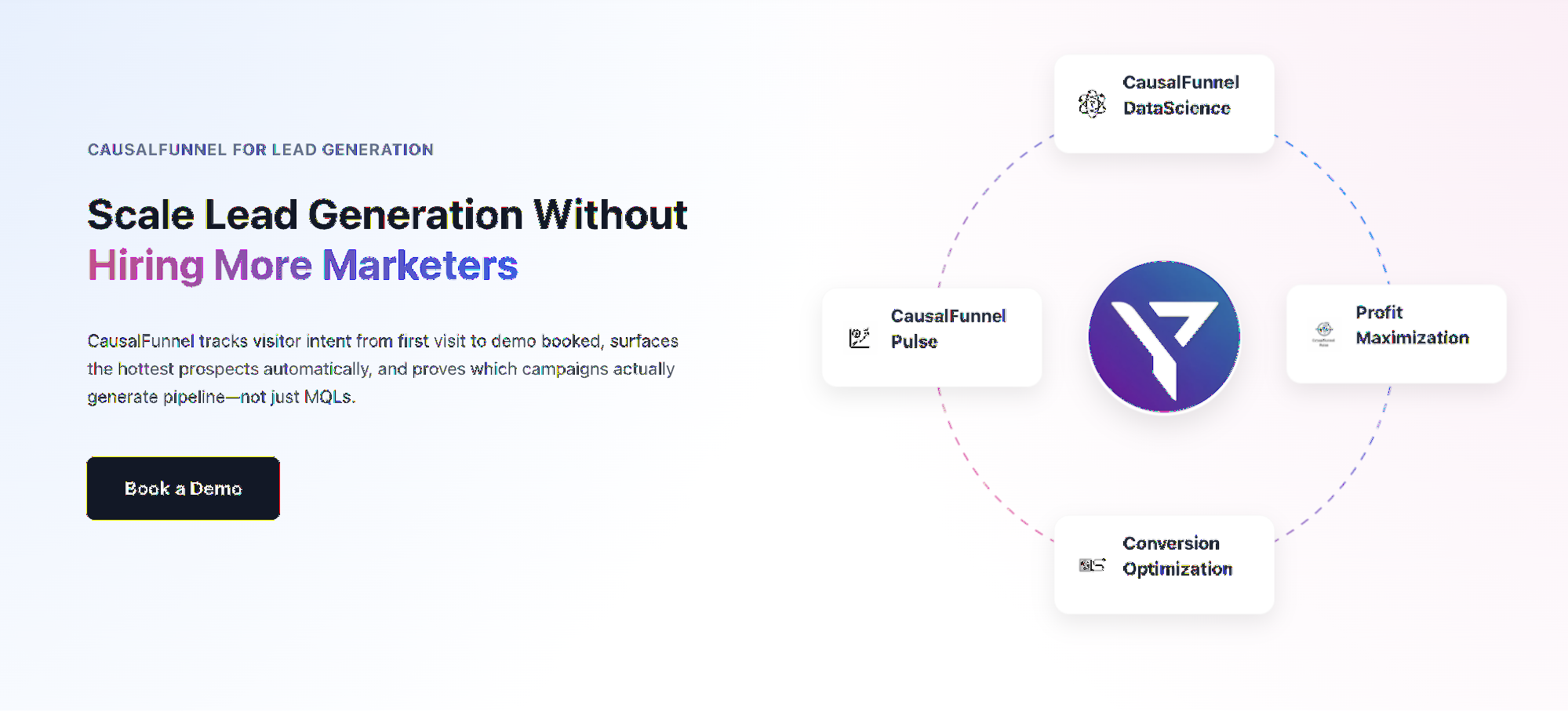
CausalFunnel’s SEO and conversion optimization services can support this full-funnel view. The goal is not simply to rank a page. It is to learn which pages help the right borrowers take action.
Most firms should expect early movement within three months and stronger gains within six to twelve months. However, the exact pace depends on the market, website, competition, and starting authority.
A new domain in Los Angeles faces a different climb than an established firm in a smaller city. A website with technical problems may improve quickly after repairs. Competitive local rankings often require more time.
A realistic timeline looks like this:
Be wary of anyone promising a first-place ranking within days. Google controls rankings, and no agency or consultant can guarantee a specific organic position.
The first win may not be a top ranking. It could be a rise in local impressions or one extra qualified call. Small signs help confirm that the plan is moving.
Costs depend on market size, site condition, content needs, and service scope. A small local engagement may cost a few hundred dollars each month. Competitive campaigns can run into several thousand dollars monthly.
Do not choose by price alone. A cheap package that creates thin pages and poor links can cost more to repair later.
Ask what the fee includes:
Also ask what is not included. Some agencies write content but do not upload it. Others report leads but do not check lead quality.
The better question is not, “What does SEO cost?” Ask, “How many qualified leads must this work create to pay for itself?” That frames the choice around business value.
If you are starting from zero, do not tackle everything at once. Fix the foundation first, and only then build outward.
Audit the website, Google Business Profile, licenses, contact details, and tracking. Identify the three services that matter most. Record current leads before changing anything.
Rewrite weak service pages around clear borrower needs. Repair major speed, mobile, and indexing problems. Add credible author and business information.
Publish two or three decision-focused guides. Request honest reviews through a fair process. Start local outreach and refine calls to action.
After 90 days, review the evidence. Which pages gained impressions? Which search terms brought qualified leads? Which forms lost visitors?
Then invest in what works.
Most failed campaigns do not fail from one huge error. They lose ground through small mistakes repeated for months.
Watch for these traps:
The most common mistake is impatience. A broker publishes five posts, waits a month, and declares SEO dead. Search growth works more like building a referral network. Trust grows through steady, useful work.
Mortgage broker SEO works best when every page answers a real concern, shows credible expertise, and offers a calm next step. Borrowers already have enough noise around them, so will your website add to that noise or become the clear voice they trust?
Yes, when the brokerage serves a clear market and tracks qualified leads. SEO can build lasting visibility, support referrals, and reduce dependence on paid lead platforms.
Mortgage brokers should understand that quality matters more than frequency. Two strong, expert-reviewed articles each month may outperform weekly posts that repeat generic advice.
Yes. A complete profile can support visibility in Google Search and Maps. Its details must remain accurate, honest, and consistent.
Audit the Google Business Profile and three most important service pages. Fix wrong details, weak copy, missing trust signals, and unclear calls to action.
Track qualified calls, booked meetings, applications, closed loans, and revenue. Traffic and rankings help diagnose progress but do not prove business value.
Start using our A/B test platform now and unlock the hidden potential of your website traffic. Your success begins with giving users the personalized experiences they want.
Start Your Free Trial

Empowering businesses to optimize their conversion funnels with AI-driven insights and automation. Turn traffic into sales with our advanced attribution platform.
Trusted by Customers


©CausalFunnel Inc. All rights reserved.