



Free Funnel Audit
Convert more customers today!
SEO
10 mins read

SEO
10 mins read
A contractor can build award-winning projects and still struggle to generate consistent leads online. It happens every day. One company relies on referrals and waits for the phone to ring. Another appears when someone searches for a commercial renovation contractor, tenant improvement specialist, or home addition expert in their city. Guess which company gets the first call?
Construction SEO works when your company shows up before competitors at the exact moment a serious buyer starts searching. The goal is not more traffic, it is more calls, bid requests, and project opportunities from people already looking for the work you do.
Construction companies face a different challenge than most local businesses. Projects are expensive, and buying decisions take time. Which is why trust matters in the construction business.
This guide breaks down a construction SEO strategy that actually works, from choosing the right keywords to turning project portfolios into lead-generating assets.
Most SEO advice treats a general contractor the same as a handyman. That’s the first mistake.
Construction companies sell projects, not quick services. A plumbing company may get a call and book work the same day. On the other hand, a commercial contractor may spend months moving a prospect through bidding, planning, and approvals. This is why search visibility needs to support that longer journey.
SEO for construction companies is not a one-size-fits-all service strategy. Residential contractors and commercial contractors often target completely different searches. A homeowner may search “home addition contractor Phoenix.” While a facilities manager may search for “commercial tenant improvement contractor Phoenix.” Same city, different buyer, with a different intent.
The website structure also changes. Construction companies depend heavily on project galleries and portfolio pages. A gallery with dozens of large project photos can hurt rankings on mobile devices, as those image-heavy pages often slow websites down.
A commercial general contractor in Dallas bidding on office build-outs should not spend all its energy chasing broad “construction company near me” searches. This should be done by a residential remodeling company. The audience, project value, and buying process are completely different, and treating them the same wastes time.
Construction buyers rarely hire after a single search.
A homeowner planning a kitchen remodel may spend weeks comparing contractors. A commercial property owner planning a $2 million renovation may spend months researching firms before deciding on a bid.
That changes how your SEO strategy should work.
Instead of focusing only on immediate lead generation, construction companies need content that supports buyers at every stage.
Someone searching “commercial renovation cost Dallas” is not ready to sign a contract today. They are gathering information. If your website helps them early, your company stays in the conversation later.
This is why construction SEO succeeds when it combines service pages, project portfolios, local visibility, and educational content. Each piece supports a different stage of the buying process.
One of the biggest keyword mistakes construction companies make is mixing residential and commercial search intent.
The two audiences search differently.
A homeowner might search:
A commercial buyer might search:
The language changes because the stakes change.
A homeowner often searches emotionally. They care about design, budget, and convenience. A commercial buyer searches by project scope, building type, compliance requirements, and contractor expertise.
Treating both audiences with the same keyword strategy usually produces weaker results. If your company serves both markets, create separate service sections and content clusters for each audience.

The keywords most construction companies target are the ones their best clients never search.
Many contractors chase broad phrases because they show a larger search volume. A term like “home remodeling” may attract research traffic, DIY visitors, and people who are years away from hiring. A term like “kitchen remodeling contractor Naperville IL” attracts people much closer to a decision.
In 2026, the most valuable search terms for construction companies are not the broad ones. They are hyper-specific service, location, and project-type combinations. Why does this matter? Because search intent matters more than traffic volume. Fifty highly qualified searches can outperform thousands of casual visits.
Commercial contractors should think differently from residential firms. A school renovation contractor, healthcare builder, or tenant improvement specialist often finds value in niche terms with low search volume. Those searches often represent large contracts.
Focus on four keyword groups:
Keyword research should never be a one-time task. Markets change, services expand, and new project types emerge. The contractors who revisit keyword opportunities every quarter often discover profitable gaps before competitors do.
Many construction websites place every service on one page. But doing this actually confuses Google and makes it unable to understand which searches that page should rank for. As a result, it often ranks very low or nothing. This problem is very common on contractor websites.
A company offering commercial renovations, tenant improvements, healthcare construction, and office build-outs should create separate pages for each service. Each page should target a specific search theme, and each page should answer questions tied to that service.
A strong construction website SEO structure includes these elements:
For example, a contractor serving Charlotte should not simply mention healthcare construction on a general page. Instead, create a dedicated healthcare construction page featuring local projects, common timelines, regulatory concerns, and service details. That creates topical relevance.
Well-built service pages rank better and convert better. They help search engines understand your expertise. They also help prospects feel confident they found the right company.

Local SEO is not a one-time setup task. Every contractor who treats it that way eventually loses visibility.
For construction companies, local visibility drives a large share of qualified leads. Someone searching for a contractor usually wants help nearby. That means Google Business Profile, local relevance, industry citations, and service-area visibility all matter.
All in all, construction company local SEO depends on consistency.
Set your primary Google Business Profile category with intent, not as an afterthought.
The primary category influences which searches trigger your listing. Many contractors select categories quickly and never revisit them. That is a missed opportunity. A company listed as “General Contractor” may appear for different searches than one listed as “Construction Company.”
Secondary categories matter too. A contractor offering concrete work, remodeling, or roofing services can add relevant secondary categories to expand visibility. This creates additional search opportunities without creating separate listings.
Project photos help as well. Photos from actual neighborhoods perform better than generic stock images because they reinforce local relevance. A contractor posting project updates from Plano, Scottsdale, or Tampa sends stronger local signals than one posting generic marketing graphics.
Reviews deserve attention too. Responding to reviews consistently shows activity and engagement. Google notices that and prospects do too, hinting to the visitors that you’re active in business and serious about your prospects.
Not all citations are equal. For construction, some matter a lot more than others.
Many contractors spend time chasing generic directories while ignoring industry-specific platforms. A listing on a construction-focused directory often carries more value than a listing on a random business site.
Priority directory opportunities include:
Industry-specific listings often send stronger trust signals than broad business directories. It’s better to focus there first.
Most contractors still think about Google rankings. But, they should think about AI answers too, because honestly, search behavior is changing.
People now ask tools like ChatGPT, Google AI Overviews, and other AI-powered search engines detailed questions about construction projects. Instead of searching “commercial contractor Dallas,” they may ask:
“Who are the best commercial renovation contractors in Dallas for office projects?”
That shift changes how websites earn visibility.
AI systems prefer content that is specific, trustworthy, and easy to understand. Thin service pages rarely appear in AI-generated answers. Detailed service pages, project case studies, FAQs, and cost guides perform much better.
Construction companies should focus on:
A project page explaining a 15,000-square-foot office renovation often has a better chance of being referenced by AI systems than a generic gallery page filled with photos.
The practical takeaway is simple. Build content for real people first. AI systems increasingly reward the same content.
Your portfolio is probably your most visited page. It is also probably your most wasted SEO opportunity.
Most contractors upload photos, add a project name, and move on. Search engines cannot learn much from that setup. A page called “Project 14” tells Google nothing. A page titled “Commercial Office Renovation in Austin, TX” tells Google quite a bit.
Every project can become a searchable case study. Think about how prospects search. They look for project types, locations, building categories, and construction scopes. Your portfolio should reflect that language. Not internal project names.
Instead of treating portfolio pages as galleries, treat them as project-focused content pages. Describe the challenge, explain the scope, highlight the solution, and include local context. Suddenly that page has ranking potential.
A strong portfolio page should include:
For example, “12,000 Square Foot Tenant Improvement Project in Austin, Texas” has a far better chance of ranking than “Corporate Office Build-Out.” One mirrors real searches but the other does not.
Construction companies already possess valuable content through completed projects. Most simply fail to package it correctly. That leaves rankings on the table.
The content that ranks best for construction companies is the content most companies are afraid to publish.
Many contractors avoid discussing pricing, timelines, budgets, and project costs. They worry prospects will make assumptions. Yet those are the exact questions buyers search before contacting anyone. Publishing helpful answers builds visibility.
A page explaining the cost of a warehouse renovation in Chicago often attracts stronger prospects than a generic blog post about renovation trends. The visitor already has a project in mind, so the search intent is obvious.
Content should answer real questions buyers ask during sales conversations. Think about questions your estimator hears every week. Think about concerns raised during consultations. Those conversations are content opportunities.
This is also where specialized SEO support can help. Teams like CausalFunnel help businesses identify high-intent content opportunities, improve search visibility, and connect content efforts with lead generation goals.
The best content often sits close to the buying decision. These include pricing guides, service comparisons, project timelines, permit requirements, and building code considerations. Those topics attract serious prospects.
Not all traffic is equal. A blog about construction trends may attract readers. While a pricing page often attracts buyers.
The highest-converting construction content usually falls into a few categories:
Consider a page titled:
“How Much Does a Commercial Office Renovation Cost in Phoenix?”
Search volume may appear small. But nearly every visitor has a real project in mind. That is often better traffic than a broad article attracting thousands of casual readers.
Many firms hesitate to publish pricing information, because they worry competitors will see it, and prospects will focus only on cost.
But the truth is buyers search for pricing every day. When nobody in your market answers those questions, the company willing to publish honest information often earns the ranking.
That is why cost-focused content continues to outperform many traditional blog topics.
Fix your site speed before you do anything else.
Many construction websites fail speed tests because of project photos. A gallery containing dozens of large images creates slow load times. Mobile visitors feel it first, but search engines notice too.
Construction websites need strong visuals. Nobody wants a contractor site with empty pages. The goal is to balance what you’re showing the visitors. To do that, compress images, use modern formats, load images only when visitors scroll to them, and keep the visuals while reducing the weight.
Priority technical fixes include:
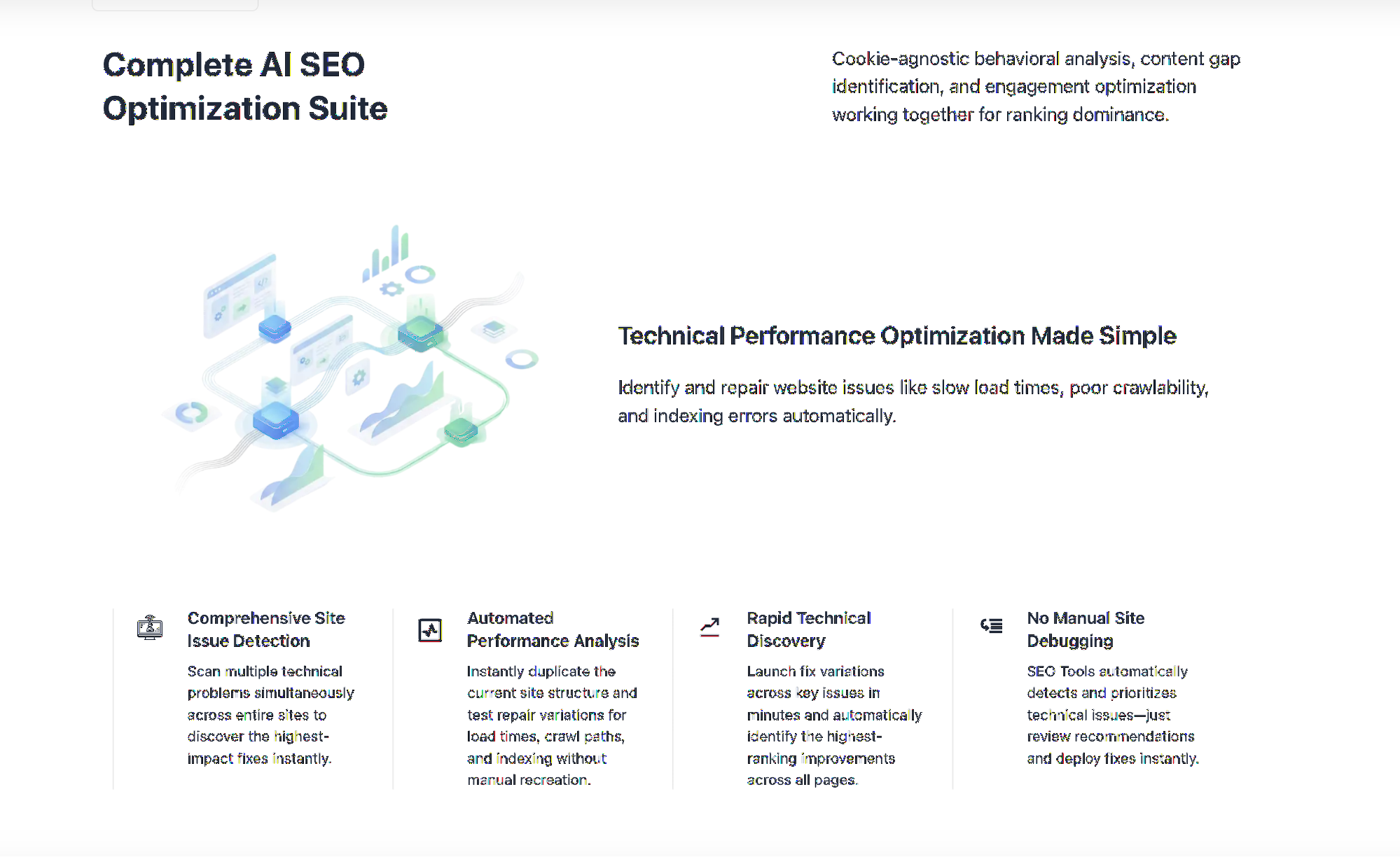
Companies using platforms and optimization services from CausalFunnel often combine technical improvements with content and conversion tracking efforts, helping improve both visibility and lead quality.
Most link-building advice does not apply to construction companies.
The strongest links often come from relationships already in place. Suppliers, manufacturers, subcontractors, and trade associations already know your business. Those connections create natural opportunities.
Local authority links and industry authority links serve different purposes. A local business journal helps strengthen regional relevance. Whereas, a manufacturer directory helps strengthen industry trust.
High-return link opportunities include:
A contractor completing a notable project can often secure coverage from local publications. That link carries relevance and credibility.
Generic guest posts on unrelated marketing websites rarely move rankings for construction firms. Therefore, focus on industry relevance instead.
Many contractors focus on acquiring any backlink. But the better approach is acquiring the right backlinks.
Local authority links include:
Industry authority links include:
Both matter. Local links help geographic relevance. While, industry links help establish expertise. The strongest SEO profiles contain both.
Traffic is not a KPI but leads are.
The best construction SEO campaigns focus on lead quality, not visitor counts. A traffic increase means little if the phone never rings. Rankings alone do not pay the bills either. It’s the qualified inquiries that do.
Construction SEO performance should connect directly to business outcomes. A company ranking first for broad terms may generate weaker leads than a company ranking third for highly specific service searches.
The three metrics that matter most are:
A contractor ranking for “commercial general contractor Denver” often gains more value than one ranking for broad construction terms. The search volume may be smaller but the buyer’s intent is stronger.
This question appears in almost every construction SEO conversation. But the answer depends on time.
A small contractor with basic competition can often handle parts of SEO internally. Updating project pages, collecting reviews, and publishing content are all realistic tasks.
The challenge comes later.
Technical SEO audits, competitive keyword research, link acquisition, conversion tracking, and content strategy require ongoing work. Most construction business owners already spend their days managing crews, bids, schedules, permits, and clients.
Something usually gets pushed aside. That is why many growing firms eventually work with specialists.
Companies such as CausalFunnel help construction businesses combine SEO, analytics, conversion optimization, and lead tracking into a single growth strategy. This helps business owners understand not only where traffic comes from, but which channels actually generate projects.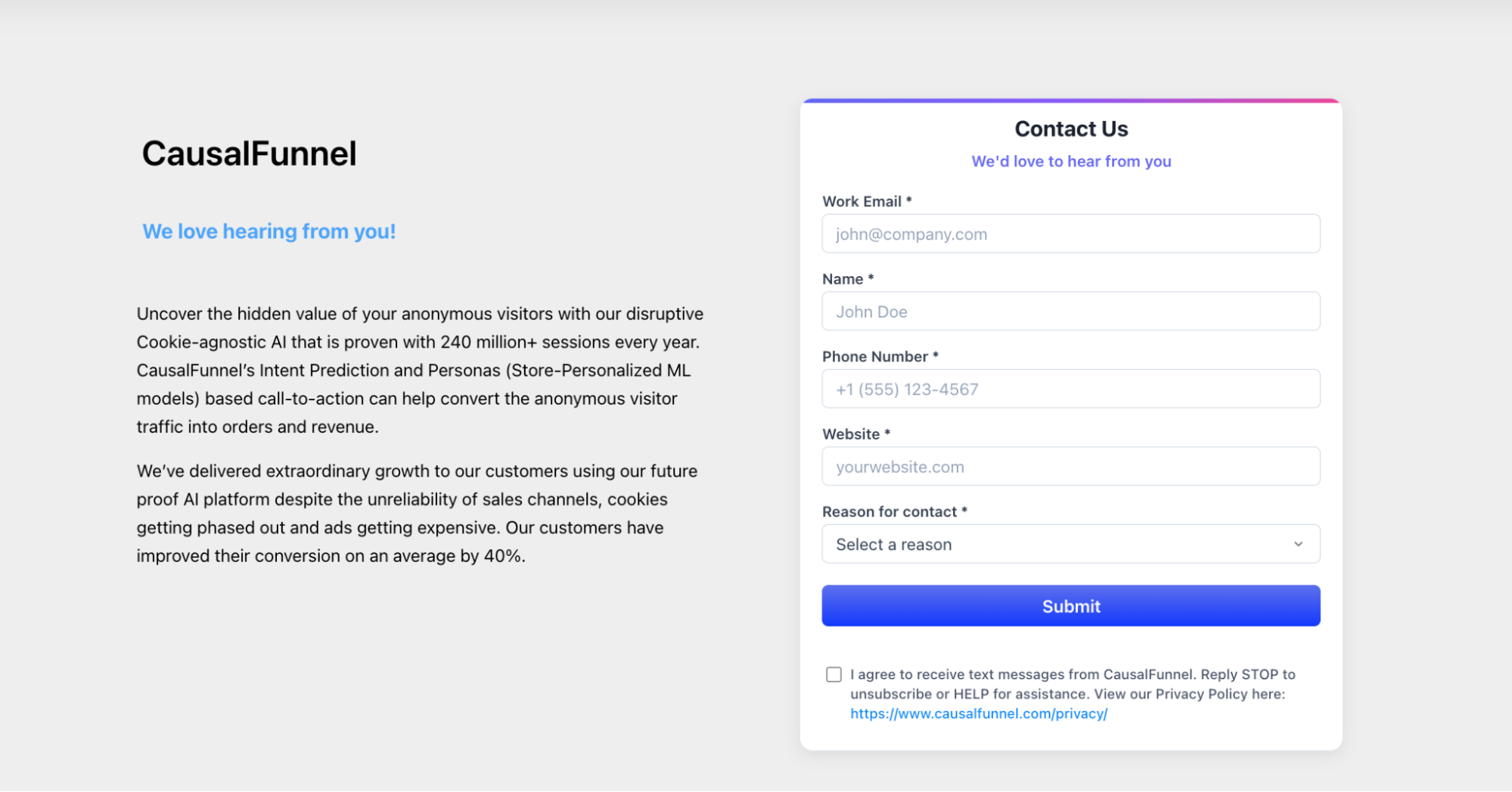
The decision should be based on opportunity cost. If managing SEO prevents you from managing revenue-generating work, outside help often becomes a better investment.
Everyone wants to know how long this takes. Here is the real answer.
A typical construction SEO timeline looks like this:
A well-optimized Google Business Profile can begin moving local rankings in four to six weeks for many construction companies operating in mid-sized U.S. markets. That does not mean top rankings appear instantly. It means progress becomes visible.
Service pages often require more patience. Competitive searches in markets like Dallas, Phoenix, Atlanta, and Denver can take several months to gain traction. Strong competitors already occupy those spots and earning visibility takes time.
Portfolio pages can move faster when built correctly. A highly specific project page targeting a niche service and location may begin attracting search traffic within a few months.
The biggest mistake here is quitting too early. Construction SEO builds momentum gradually and only then results start showing.
If only one action gets completed this month, build dedicated service pages and strengthen your Google Business Profile. Those two areas influence visibility faster than most contractors expect.
Everything else grows from that foundation. Better keywords support better pages, and better pages support stronger rankings. Stronger rankings attract qualified leads. The companies winning search visibility in 2026 are not chasing tricks. They are building useful pages around real buyer intent and showing up where serious clients already search.
Construction SEO is the process of improving a contractor's online visibility in search engines so potential clients can find the company when searching for construction-related services.
Most companies begin seeing early improvements within one to three months. Competitive service keywords often require six to twelve months of consistent work.
Both have value. Google Ads provides immediate visibility. SEO builds long-term visibility that continues generating leads without paying for every click.
Yes. Smaller companies often succeed by targeting specific services, project types, and local markets instead of competing for broad industry terms.
For most contractors, it is a combination of strong service pages and an optimized Google Business Profile. Those two areas often create the fastest impact.
Start using our A/B test platform now and unlock the hidden potential of your website traffic. Your success begins with giving users the personalized experiences they want.
Start Your Free Trial

Empowering businesses to optimize their conversion funnels with AI-driven insights and automation. Turn traffic into sales with our advanced attribution platform.
Trusted by Customers


©CausalFunnel Inc. All rights reserved.