



Free Funnel Audit
Convert more customers today!
SEO
10 mins read

SEO
10 mins read
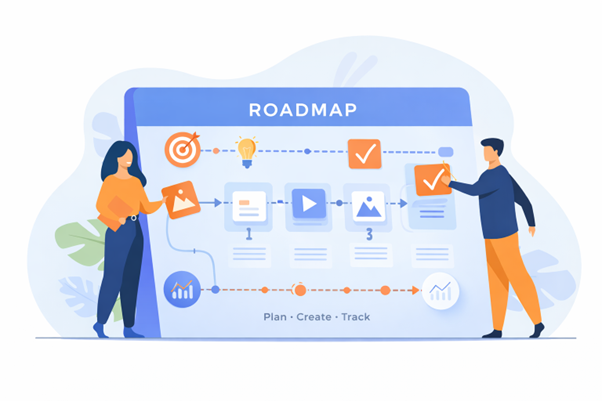
A content roadmap is a clear plan for your content work that shows what to create, when to publish, and why it matters. It connects your ideas with real business goals over time and helps your team stay focused and work with clarity.
A good roadmap is part of a strong content planning strategy. It turns random ideas into a clear and simple process. Without a roadmap, content often feels messy and rushed. With one, every piece has a clear purpose and direction.

A content roadmap brings order to your content process. It helps you plan ahead instead of reacting every time.
Without a plan, content often feels random and unorganized, which leads to poor results and wasted time.
Here is why a roadmap is important:
A clear marketing roadmap also improves daily decisions. You know what to create and when to create it. If your content feels scattered, this is often the reason. A roadmap helps you fix that from the start.
If you want a simple way to plan and grow faster, explore CausalFunnel. Our team of experts helps connect your strategy with real results.
A content roadmap is more than just a planning tool. It helps your content perform better over time.
Here are the key benefits you should know:
Each piece has a purpose and supports a clear goal. This makes your content more useful and focused.
You plan your work before starting anything new to reduce wasted time and repeated effort.
When you publish content on a steady and clear schedule, your audience starts to trust your posting rhythm.
Your team follows a simple and repeatable process to reduce confusion and speed up daily work.
You can plan topics and formats in advance to avoid last-minute content decisions and stress.
You can measure what works and what does not to improve your overall content creation plan over time.
When these benefits work together, your content improves faster. It also becomes easier to scale your efforts later.
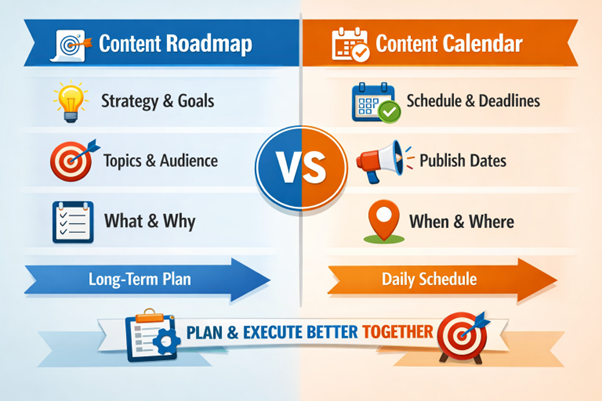
Many people mix up a roadmap and a content calendar. They are related, but they serve different roles.
Here is a simple way to understand both:
Content Roadmap:
Content Calendar:
In simple words, a roadmap answers what and why. A calendar answers when and where to publish. Both are important in a strong content planning strategy, but the roadmap always comes first in the process.
When you use both together, your work becomes smoother. You plan better and execute without stress.
Creating a content roadmap can feel hard at first, but a simple process makes it much easier.
Here is a clear content strategy framework you can follow:
Start by knowing who you want to reach. This step guides every decision you make later.
Focus on:
When you know your audience, your content feels more useful.
Decide what you want your content to achieve. Clear goals keep your roadmap focused and simple.
Your goals may include:
Each content piece should support one main goal.
Now choose where you will share your content. Different people prefer different platforms online.
You can use:
Pick channels based on your audience behavior.
Choose the formats that fit your message best. Different formats help in different ways.
Examples include:
Using different formats keeps your content fresh.
Plan when your content will be created and shared. Make sure your timeline feels realistic and simple.
Include time for:
A clear timeline improves your full content workflow.
Your roadmap should grow and improve over time. Review your results often and make small changes.
Track things like:
Use this data to improve your content planning strategy.
This simple process keeps your roadmap clear and useful. It also helps you stay consistent as you grow.
A content roadmap becomes clearer when you see real use cases. These examples show how teams plan and execute content step by step. They also help you build a strong content planning strategy faster.
A SaaS launch needs clear and timely content from the start. The goal is to build awareness and drive early sign-ups. This includes blog posts, demo videos, comparison content, landing pages, and email teasers.
This content answers user questions and shows product value early. It builds trust and helps users decide faster.
Here is a simple roadmap structure:
Timeline:
This content roadmap example shows clear planning and direction. Each step supports a specific goal and audience need.
E-commerce brands depend on strong seasonal content planning. A roadmap helps them prepare before peak shopping periods.
Here is how this roadmap looks:
Timeline:
This plan supports a clear content creation plan and keeps teams aligned during busy sales periods.
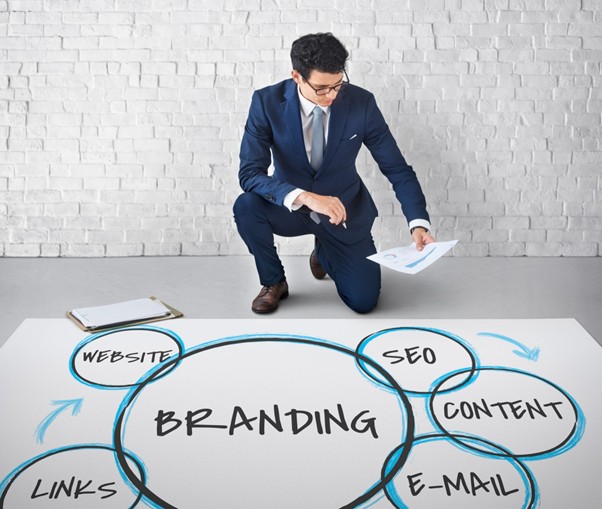
Brand awareness campaigns focus on reach and visibility. Content should feel helpful, simple, and easy to share.
Here is a simple roadmap structure:
Timeline:
These content roadmap examples help you plan with clarity. They also show how strategy connects with real execution. If you want to manage these steps in one place, explore CausalFunnel. It helps you turn your roadmap into a simple working system.
A template makes your roadmap easier to build and manage. You do not need complex tools to get started here.
Here is a simple content roadmap template you can follow:
This structure supports any content planning strategy easily, and keeps your process simple and easy to follow. You can adjust it based on your team size and needs. Small teams can keep it simple and flexible, and larger teams can add more details for better control.
A clear content creation plan saves time every week and keeps your team focused on the right tasks.
A roadmap works better when you follow proven best practices. These tips help you improve results over time.
Here are some simple practices you can use:
These steps make your roadmap more flexible and useful. They also help you stay consistent over time.
Many teams make simple mistakes during content planning. Avoiding these mistakes can improve your results quickly.
Here are the most common mistakes:
These mistakes can weaken your content planning strategy and make your content feel random and less effective. A clear roadmap helps you avoid these issues early. It keeps your content focused and easy to manage.
A content roadmap is only useful when you apply it daily. It should guide your actions, not sit unused in a file. Start by turning your roadmap into small weekly tasks. This makes your content workflow simple and easy to follow.
Here is how you can use it every day:
This approach keeps your content planning strategy active and practical. It also helps your team stay aligned and productive.
Tracking results is key to improving your content over time. Without data, your roadmap becomes guesswork again. Focus on simple and clear performance metrics first. These metrics show if your plan is working well.
Here are the most important ones:
Tracking these helps improve your content creation plan step by step. You learn what works and remove what does not. Use these insights to update your roadmap regularly. This keeps your strategy fresh and effective.
Using the right tools can make your work much easier. They help you organize ideas and manage tasks better. You do not need many tools to get started. Even simple systems can support your editorial planning process.
Here are some helpful tool types:
If you want everything in one simple system, explore CausalFunnel. We help you connect your content planning strategy with execution. You can manage ideas, workflows, and results in one place.
A content roadmap gives your content a clear direction and purpose to move from random ideas to a structured system.
With a strong roadmap, your content becomes more consistent, easier to manage and improve over time. You do not need a complex plan to get started today. A simple structure can still bring strong results.
Focus on your audience and their real needs first. Then build your content around clear and simple goals. Also, keep your content planning strategy flexible and easy to update. This helps you adapt as your audience and goals change.
To turn your roadmap into real and measurable growth, check out CausalFunnel.
A content roadmap is a plan for your content. It shows what to create, when to publish, and why it matters.
A roadmap focuses on strategy and long-term planning. A content calendar focuses on scheduling and publishing dates.
Start with your audience, then set clear goals. Choose channels, plan content, and track results regularly.
A content roadmap should include goals, audience, topics, and timelines. It should also include channels and performance metrics.
Start using our A/B test platform now and unlock the hidden potential of your website traffic. Your success begins with giving users the personalized experiences they want.
Start Your Free Trial

Empowering businesses to optimize their conversion funnels with AI-driven insights and automation. Turn traffic into sales with our advanced attribution platform.
Trusted by Customers


©CausalFunnel Inc. All rights reserved.