



Free Funnel Audit
Convert more customers today!
SEO
10 mins read

SEO
10 mins read
Every new business that’s putting in marketing efforts first launches a campaign. They then see traffic rise, and feel things are working. But it’s a week later that they realize that something’s wrong. The sales stay flat, even after doing everything right. They open dashboards, check metrics, and still find no clear answers.
This situation is very common among most marketers today. Despite putting in a lot of work, the results still do not match expectations. This gap often leads to wasted budgets and wrong decisions.
Almost every marketing fails initially, not because of poor ideas, but because no one truly knows what is working and what is not. That is exactly why measuring marketing effectiveness matters. It tells you what drives revenue, what wastes budget, and where to focus next.
In this guide, you will learn what truly drives marketing results today, while also understanding which metrics to trust and which to ignore. More importantly, you will learn how to measure performance the right way.
Marketing today is crowded, fast, and expensive. Every dollar needs to prove its value, and that is why measuring marketing effectiveness is no longer optional. You use many channels, tools, and campaigns at the same time. Without clarity, it becomes hard to know what is truly working.
At its core, marketing effectiveness means one simple thing. Are your efforts driving real business outcomes? This doesn’t just mean traffic or engagement, but actual growth.
When you measure correctly, you make smarter decisions. You know where to invest, where to cut, and what to scale. Without it, you are flying blind, and that gets expensive very quickly.
Here is why proper measurement matters for every business:
It is also important to think in terms of the full customer journey. Marketing is not just about the final conversion or sale. Each stage of the funnel plays a different role in success.
If you only measure the final step, you miss the bigger picture because strong results come from optimizing every stage of the journey carefully.
Marketing effectiveness is not about activity but about outcomes. You might get thousands of likes, shares, or impressions. But does that translate into sales? That is where you need to measure marketing strategy effectiveness properly.
Here is the difference between vanity metrics and real metrics:
Vanity metrics that often mislead teams:
Real metrics that actually drive business decisions:
Vanity metrics can still provide some surface-level insights. However, they should never guide major business decisions alone as they lack a direct connection to growth and profitability.
Imagine running a campaign that gets 100,000 impressions but zero conversions. That is not success but just merely distraction.
Real metrics tell a much deeper and more useful story. They help you understand what drives customers to take action. This is where true marketing effectiveness begins to show clearly.
Effective marketing means moving people toward action, and not just gaining attention.
Most marketing teams jump straight into tracking numbers too quickly. They launch campaigns first, without predefined KPIs, leaving 60% with unclear performance insights and think about measurement later. Before tracking anything, define success via SMART goals and metrics like ROI or conversions.
A clear success definition helps you focus on what truly matters. It also aligns teams around shared goals and expected outcomes. This reduces guesswork and improves decision-making across campaigns.
Start with these three simple questions:
These questions sound simple, but answering them changes everything. Without them, you end up tracking everything and understanding nothing.
For example, if your goal is revenue growth, then tracking impressions alone makes no sense. But tracking conversion rate and CAC becomes critical.
It also improves accountability across teams and stakeholders because everyone knows what success looks like and how it will be measured. This creates stronger alignment and better execution over time.
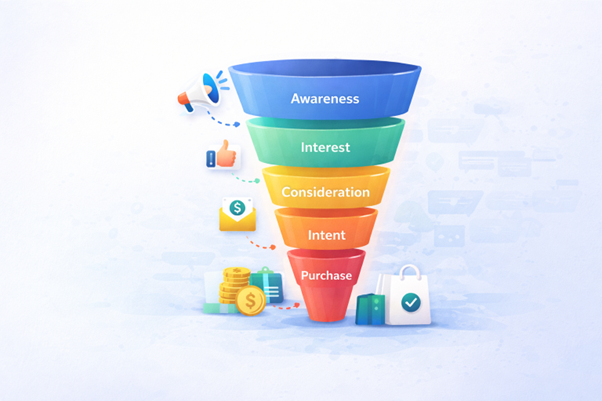
Not all metrics are the same. Each stage of the funnel needs its own way of measurement. If you judge awareness campaigns using conversion metrics, you will kill good ideas too early.
Here is how to break measurement across the marketing funnel:
This stage focuses on visibility and reaching the right audience. It answers a simple question: Are people discovering your brand?
Key metrics to track at this stage include:
These metrics help you understand how visible your brand is. However, they should not be treated as success alone.
This stage measures interest and engagement with your content. It shows whether your audience is paying attention or not.
Important metrics at this stage include:
These signals show if your messaging is working effectively. They also indicate whether users are moving deeper into the funnel.
This is where business outcomes finally become visible and measurable. It focuses on turning interest into actual customers or leads.
Key metrics to track at this stage include:
These metrics directly connect marketing to revenue outcomes. They are critical for making budget and strategy decisions.
A strong funnel view helps you see the full picture clearly and allows you to fix weak points at the right stage. This leads to better results across the entire marketing system.
You do not need 50 metrics to measure your marketing effectiveness. You need the right ones that focus on three key groups.
These show real value.
If these numbers are strong, your marketing is working.
These help you optimize campaigns.
These metrics tell you where to improve.
These show how users interact.
These metrics explain user intent and experience.
When you combine all three, you get a full picture of not just what happened, but why it happened.
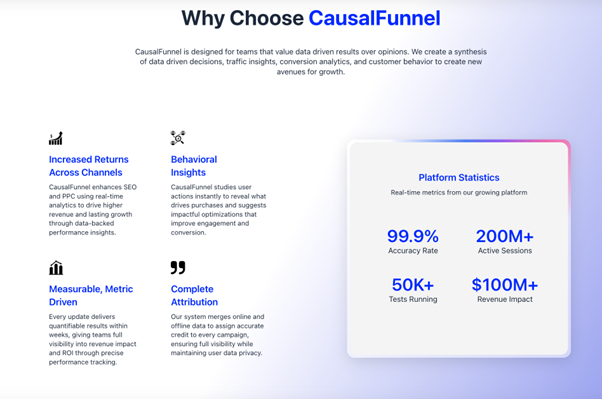
This is also where tools like CausalFunnel help a lot. Their platform connects behavior, intent, and conversions in one view. It removes guesswork and shows exactly where users drop off and why.
Some metrics look impressive but do not help real decision-making. They create unnecessary noise and distract teams from meaningful outcomes. Relying on them often leads to poor strategy and wasted spend.
Here are common metrics you should stop prioritizing:
Why do these fail?
Think about it. Would you rather have 10,000 likes or 100 paying customers?
These numbers often create a false sense of success. If you’re happy with these numbers, you’re just celebrating growth that does not impact the business. This leads to wrong decisions and poor budget allocation.
Instead, focus on what moves the business, not just what looks good in reports.
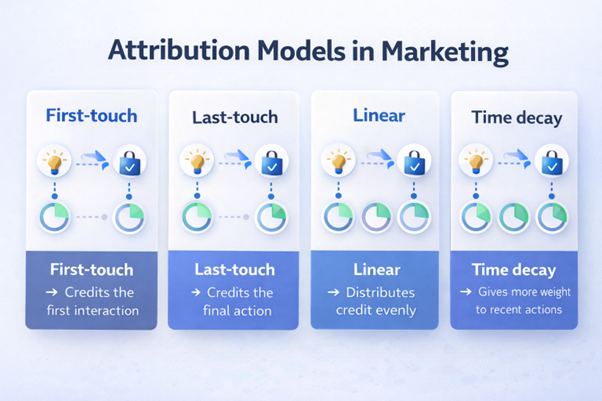
Ever wondered which touchpoint actually made someone buy? That is where attribution comes in. Attribution helps you assign credit to different parts of the customer journey.
Here are the common models:
Why does this matter? Because your decisions depend on it.
If you rely only on last-touch, you might ignore awareness campaigns. But those campaigns may have started the journey.
This is when good attribution shows the full picture. It helps you invest wisely and avoid cutting the wrong channels.
When you understand attribution well, your insights become stronger. You can identify what actually drives conversions, which is a key step in improving overall marketing effectiveness.
Numbers tell you what is happening, but not always why. You may see trends, but the reason behind them stays unclear. This is where many marketers get stuck and confused.
Data is powerful, but it needs context to be useful. You must combine numbers with real human behavior insights. This creates a more complete and accurate picture.
Quantitative data shows patterns and measurable performance clearly, while qualitative insights explain user intent, emotions, and decisions. Both are important for making better marketing decisions.
Here are key qualitative factors to consider alongside data:
For example, high traffic may not always mean strong performance. If visitors leave quickly, the traffic quality may be poor. This insight cannot come from numbers alone.
Understanding intent helps you improve messaging and targeting faster. It also helps you create content that truly connects with users. This leads to better engagement and higher conversion rates.
Using the right tools is important to determine the actual performance of your marketing campaigns and strategies. They help you collect, connect, and analyze data in one place.
Without proper tools, data becomes scattered and hard to use. You should also understand that using more tools does not always mean better results.
Most effective setups include three types of tools:
These tools capture data from websites, ads, and user actions. They form the base layer of your measurement system.
Examples include:
Without proper collection, your insights will always be incomplete.
These tools combine data from multiple platforms into one system. They help you avoid working in silos across different tools.
Key benefits include:
Integration improves accuracy and saves time for teams.
These tools help you visualize and understand your data easily. They turn raw numbers into clear and actionable insights.
Important features to look for include:
The right tech stack should be simple, connected, and reliable, and should support decisions, not create more confusion.
Tracking data is only useful if you act on it quickly. Real-time insights help you fix problems before they grow. They also help you improve performance while campaigns are running.
Many teams collect data but fail to use it effectively. They wait too long before making important changes, which eventually delays results and increases wasted spending over time.
Therefore, you should always look for early signs of underperformance. These signals help you take action before it is too late.
These signals show that something is not working properly. It could be your targeting, messaging, or landing page experience.
Small changes can lead to meaningful improvements quickly.
This is where platforms like CausalFunnel become very useful. They help identify drop-off points across the customer journey clearly. Their AI-driven insights make optimization faster and more precise.
Consistency is key when tracking marketing performance over time. A simple weekly routine helps you stay focused and organized. Instead of reviewing everything at once, break it into daily focus areas. This makes tracking easier and more actionable for your team.
This routine keeps you focused and ensures you are always improving. It also prevents you from reacting to things randomly that are not working out the way they should.
Many teams struggle because they follow the wrong measurement approach. These mistakes often lead to confusion and poor decision-making. Avoiding them can improve your results quickly and clearly.
Here are the most common mistakes you should avoid:
Each of these mistakes creates confusion, leading to poor decisions. When you avoid them, your measurement becomes much sharper and more effective.
At the end of the day, measuring marketing effectiveness is not about dashboards, but about making the right decisions. It’s also about knowing what to scale, what to fix, and what to stop.
When you focus on outcomes, everything becomes clearer. The right metrics guide your strategy, the right framework keeps you consistent, and continuous optimization drives growth.
This is where smart platforms like CausalFunnel also make a real difference, as they help map user intent, track journeys, and improve conversions without relying on guesswork. Instead of chasing numbers, you start understanding behavior.
Once you truly understand what drives results, you stop asking, “Is this working?” and start asking, “How can we scale this faster?”
Because in the end, success comes from clarity and consistent improvement. Focus on what drives results, and refine your strategy over time.
Measuring marketing effectiveness means checking if your marketing drives real business results. It focuses on outcomes like revenue, conversions, and customer growth, and not just about tracking clicks or impressions.
The most important metrics are tied directly to business outcomes. These include:
These metrics help you understand profitability and long-term growth clearly.
You should track performance regularly, ideally every week. A weekly routine helps you spot trends and fix issues early. It also keeps your team aligned and proactive.
No, data alone is not enough to improve performance. You also need to understand customer behavior and intent clearly. Combining data with insights leads to better decisions.
You should act on real-time data and fix issues early.
Quick actions include:
Small changes can lead to strong improvements over time.
Start using our A/B test platform now and unlock the hidden potential of your website traffic. Your success begins with giving users the personalized experiences they want.
Start Your Free Trial

Empowering businesses to optimize their conversion funnels with AI-driven insights and automation. Turn traffic into sales with our advanced attribution platform.
Trusted by Customers


©CausalFunnel Inc. All rights reserved.