



Free Funnel Audit
Convert more customers today!
SEO
10 mins read

SEO
10 mins read
Getting traffic is easy, but turning visitors into leads is the real challenge.
This is where squeeze pages play a vital role. So, what is a squeeze page, and why do marketers use it?
A squeeze page is a simple page that collects visitors’ email addresses and offers something valuable in exchange. This value is often called a lead magnet. It can be a guide, a checklist, or a free resource.
A squeeze page is a type of lead generation landing page that focuses on one clear goal. It asks for just one action from the visitor, which keeps things simple and effective to get something useful in return.
That action is usually filling out a short form. Most forms ask only for name and email address to reduce effort. This simple structure helps reduce confusion and improve conversions. Visitors know exactly what they need to do and what they will get.
If you want to improve conversions from the start, tools like CausalFunnel can help you understand user behavior better.
This type of email opt-in page removes distractions. It does not include extra links or complex navigation. That is why it often converts very well.
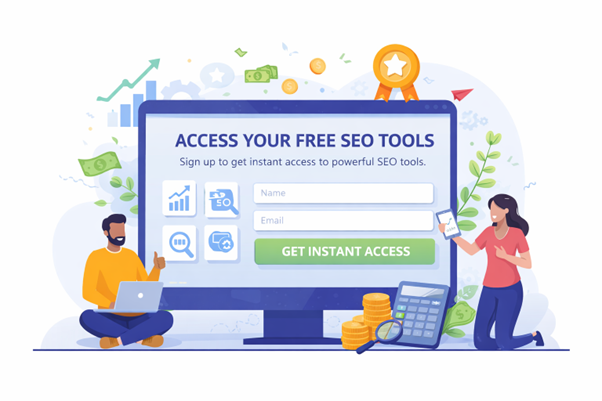
Many businesses struggle to collect quality leads online. Traffic alone does not build a strong customer base. You need a way to capture and nurture that traffic. This is where squeeze pages become very powerful tools.
They help you:
A high-converting squeeze page focuses on simplicity. It reduces choices and guides users to one clear action.
When users land on a cluttered page, they get confused easily. But a focused page makes decision-making faster and easier. This is why many marketers still rely on squeeze pages today.
Many people often confuse these two terms. Understanding the difference helps you use them correctly.
A squeeze page is a specific type of landing page. But not all landing pages are squeeze pages.
Let’s break it down in a simple way.
Feature | Squeeze Page | Landing Page |
Main Goal | Collect email addresses | Varies by campaign goal |
Form Fields | 1–2 fields only | Multiple fields possible |
Page Length | Very short and focused | Can be short or long |
CTA Focus | Single action only | May include multiple actions |
Use Case | Early-stage lead capture | Any stage of the funnel |
A squeeze page works best at the start of a funnel. It is perfect for building your email list fast. A landing page, on the other hand, has broader use cases. It can sell products, promote services, or capture leads.
Use a squeeze page when you want simplicity and speed.
Use a landing page when you need more detailed communication.
This clear difference makes your strategy more effective.
Yes, squeeze pages still work very well today. In fact, they often deliver strong conversion rates. The reason is simple and easy to understand. They remove distractions and focus on one clear goal.
Visitors already show interest before landing on the page. So your job is to make the next step very easy.
A well-designed high-converting squeeze page can outperform complex pages. Simplicity often wins in digital marketing today.
However, success depends on execution and testing. Not all squeeze pages perform well automatically.
Understanding user behavior helps improve your results. People do not share emails without a good reason. They ask themselves one simple question first: What do I get in return for my email?
Your page must answer that clearly and quickly.
When these elements work together, conversions improve naturally.
Not every business uses squeeze pages the same way. But most online businesses can benefit from them.
You should consider using one if you want to:
A squeeze page is often the first step in a funnel. It helps move users from visitors to leads.
Creating a squeeze page is simple when you follow the right steps. You do not need complex designs or long content sections. You need clarity, value, and a focused goal.
A high-converting squeeze page follows a proven structure and guides users toward one clear action without confusion.
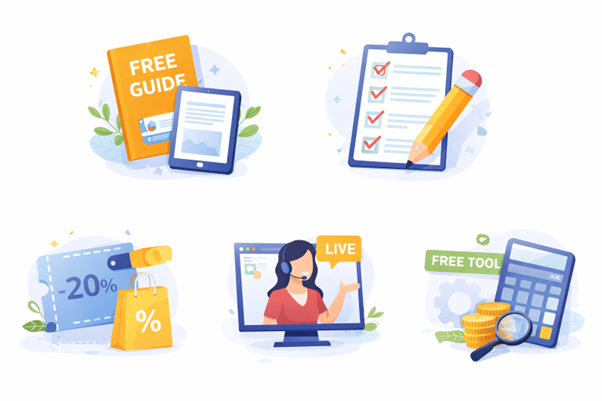
Your lead magnet is the core of your page that decides whether users will share their email or not. If your offer feels weak, conversions will stay low. If your offer feels valuable, results will improve quickly.
Your offer must solve a small but clear problem. The value it provides should be easy to understand within seconds.
Factor | Why It Matters |
Relevance | Matches user intent and needs |
Simplicity | Easy to consume and use |
Specificity | Focused on one clear outcome |
Value | Feels worth exchanging an email |
A strong lead magnet improves your lead generation landing page instantly. It is one of the most important squeeze page best practices.
Many beginners make this common mistake often. They talk about features instead of real benefits. Features describe what your product includes. Benefits explain how it helps the user directly.
Users care about results, not technical details. They want to know what they will gain clearly.
This approach improves your email opt-in page performance. It makes your message easier to understand and trust.

Trust is a key factor in conversions. Users hesitate to share emails without proof. Social proof shows that others trust your offer and makes your page feel more reliable and safe.
Even one strong testimonial can improve results. It shows real value from real users.
Adding proof is a powerful squeeze page best practice. It can improve your conversion rate without major changes.
A squeeze page should stay simple and clean. Too much content can confuse visitors easily. Your goal is to guide users toward one action. That action is filling out the opt-in form.
A focused lead generation landing page performs better. It removes distractions and improves clarity. This is why many high-converting squeeze pages look minimal.
Even the best page will fail with the wrong audience. Traffic quality matters more than traffic quantity. You need visitors who already have an interest in your offer.
Matching user intent improves your results quickly. It ensures your message connects with the right people.
Factor | Impact on Conversions |
Right Audience | Higher engagement and signups |
Wrong Audience | Low interest and high bounce rate |
Targeting the right audience supports the success of your squeeze page vs landing page strategy.
Your CTA should guide users toward the final step. It tells them exactly what to do next. A weak CTA can reduce conversions significantly, whereas a strong CTA improves clarity and action.
Your CTA should stand out visually on the page and be easy to find without scrolling.
Avoiding mistakes can save time and effort. Many pages fail due to simple errors.
Fixing these issues can improve your results fast. Small changes often bring big improvements.
Creating a page is just the first step. Improving it over time is where real growth happens. You need to test different elements regularly to find out what works best for your audience.
Smart tools can make this process easier and faster. They help you understand user behavior clearly.
If you want to improve conversions with real data insights, explore platforms like CausalFunnel. It uses AI to analyze user journeys and suggest improvements to help you build a more effective, high-converting squeeze page.
Start optimizing smarter with CausalFunnel and turn more visitors into qualified leads today!
Not all squeeze pages look the same in real use. Different formats work for different goals and audiences. Understanding these types helps you choose the right format. It also improves your chances of higher conversions.
Below are the most common squeeze page examples used today:
A simple squeeze page is clean and easy to use. It focuses on one clear goal only. This type works best for quick lead generation campaigns as it removes distractions and keeps everything simple for users.
This type of email opt-in page works well due to its simplicity. It is the fastest way to build a high-converting squeeze page.
A long-form squeeze page uses more content and detail. It explains the offer in a deeper and clearer way. This format works best for high-value or complex offers.
Both formats can perform very well. Your choice depends on your audience and offer type.
An interactive squeeze page uses quizzes or questions to make the experience more fun and engaging. Users answer questions before sharing their email address. This builds curiosity and improves engagement.
This type is a modern lead generation landing page that works well for mobile users and younger audiences.
Real examples help you understand what works best. They show how simple ideas can drive strong results.
Offers a free trial with only an email signup. It works well because it removes friction completely.
Focuses on value through tips and insights. Simple design improves conversions for content brands.
Gives a coupon in exchange for an email. It creates urgency and instant value for users.
Offers guides, checklists, or templates that work well for education and B2B audiences.
Uses questions before asking for email signup. It improves engagement and personalization.
These squeeze page examples show that value and simplicity always drive better conversions.
A good page includes a few important elements only. Each one supports the final conversion goal.
Element | Purpose |
Headline | Grabs attention quickly |
Lead Magnet | Offers value to users |
Form | Collects user information |
CTA Button | Drives user action |
Social Proof | Builds trust and credibility |
When these elements work together, results improve naturally.
Creating a page is only the first step. Improving performance is where real growth happens. You need to test and refine your page regularly. This helps you understand what works best for users.
A squeeze page is simple but very powerful, which focuses on one goal and executes it well. It helps you build an email list over time and also supports long-term marketing growth.
If you want better lead generation results, start simple. Focus on value, clarity, and user experience first. A strong, high-converting squeeze page can drive real growth. It turns visitors into leads and leads into customers.
Keep testing and improving your page regularly. Small changes can create big results over time.
If you want better results from your lead generation landing page, try using tools like CausalFunnel to analyze user behavior and boost conversions faster.
A squeeze page collects visitor email addresses. It offers something valuable in return for that email. Businesses use it to build lists and generate leads.
Yes, squeeze pages still work very well today. They focus on one clear goal and reduce confusion. A high-converting squeeze page can deliver strong results.
A squeeze page is a type of landing page that focuses only on collecting email addresses. A landing page can serve many marketing purposes.
A squeeze page should stay short and focused. It should include only key information and one CTA. Long pages work better for complex offers.
A strong offer and clear headline are very important. Simple design and trust signals also improve results. These factors create a high-converting squeeze page successfully.
Start using our A/B test platform now and unlock the hidden potential of your website traffic. Your success begins with giving users the personalized experiences they want.
Start Your Free Trial

Empowering businesses to optimize their conversion funnels with AI-driven insights and automation. Turn traffic into sales with our advanced attribution platform.
Trusted by Customers


©CausalFunnel Inc. All rights reserved.