



Free Funnel Audit
Convert more customers today!

SEO
10 mins read


SEO
10 mins read

Providing excellent patient care alone is no longer sufficient for physiotherapy clinics. Today, most patients research healthcare providers online before scheduling their first appointment. If your clinic does not appear in local search results, you risk losing potential patients every day.
Every clinic now aims to attract more patients while offering a smooth and informative digital experience. But to do that, clinics must choose a reliable and well-structured SEO website platform that supports easy navigation, online bookings, and content management. The platform should also be SEO-friendly, as poor technical optimization can limit visibility and reduce patient inquiries.
This guide simply and clearly explains SEO for physiotherapists. It is about things that help centers get people in their area in 2026. All of the strategies given here are based on how local search results have worked in the past.
You’ll find out what works, why it works, and how to use it the right way. This guide is all about real practice growth instead of theory.
Physiotherapy centers can no longer get by just taking good care of their patients. These days, most people look up doctors online before making an appointment. You could lose new customers every day if your business doesn’t show up in area searches.
Local SEO helps clinics in three important ways:
For clinics, seo for physiotherapists focuses on local trust signals. These signals help Google choose which clinics deserve top visibility.
Google relies on clear signals to rank local physiotherapy clinics. These signals help determine which clinic best matches a patient’s search intent.
The three core local ranking factors are:
Relevance means Google clearly understands that your clinic provides physiotherapy services. Distance depends on the searcher’s physical location at that moment. Prominence reflects reviews, local links, citations, and overall authority in the area.
This is where AI-driven SEO platforms provide a strong advantage. These tools analyze search intent, location data, and competitor performance in real time. They help clinics identify content gaps, optimize service pages, and improve relevance without guesswork. AI tools also track review trends, citation accuracy, and local ranking changes, allowing faster and smarter adjustments.
When relevance, distance, and prominence work together, local SEO performs at its best. Google gains confidence that your clinic is the right choice for nearby patients.
SEO Strategies for Physiotherapists become far more effective when guided by data-driven insights. AI-powered platforms help clinics focus on tactics that actually increase organic traffic and avoid wasting time on strategies that do not improve local rankings.
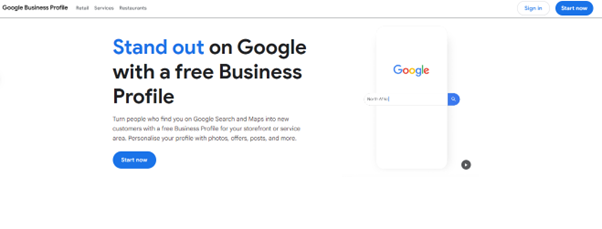
Your Google Business Profile is the foundation of local visibility. It often appears before your website in local search results. An optimized profile increases trust and click-through rates.
NAP means name, address, and phone number accuracy. These details must match everywhere your clinic appears online.
Important details to check carefully:
Consistent information helps Google trust your clinic data. Trust improves rankings and reduces listing errors.
Categories tell Google what services your clinic provides. Choosing the correct category directly impacts ranking relevance.
Best practices include:
Correct categories improve relevance for seo for physiotherapists. They also help Google show your clinic for the right searches.
Photos show Google that your clinic is active and legitimate. They also help patients feel confident before visiting.
Optimize this section by:
Your description should explain who you help and how. Avoid sales language or keyword stuffing here.
A strong profile increases visibility and patient trust together.

Keyword analysis helps people find your business when they search for something that will help them. It isn’t just about high search volumes; it’s also about purpose. Good study helps you avoid useless searches and saves time.
For physiotherapists, terms must be based on what their patients need. Patients look according to how much it hurts, where it is, and how quickly they need help. That same attitude should be in your writing.
All other SEO work is based on solid topic study. It also helps with making pages and planning material. When keyword research is done correctly, it becomes the foundation of a clear SEO roadmap that guides content creation, on-page optimization, and long-term growth decisions.
Service and location keywords target patients ready to book quickly. These searches show clear intent and high conversion potential.
Examples include:
These keywords work because they match immediate treatment needs. They help Google connect your clinic to nearby searchers.
Use them naturally in:
Avoid repeating the same keyword on multiple pages.
Many patients search by pain type, not service name. Condition-based keywords capture this behavior effectively.
Common condition searches include:
These keywords help clinics reach patients earlier. They also support educational content and blog posts.
Using condition-based content strengthens topical authority. It also supports SEO Strategies for Physiotherapists focused on education.
Keyword cannibalization happens when pages compete with each other. This weakens rankings instead of improving them.
To avoid this issue:
Clear keyword mapping helps Google understand page purpose. It also improves user experience and navigation clarity.
AI-driven SEO platforms analyze search intent, location trends, and competitor data in real time. These tools help physiotherapy clinics identify high-converting keywords without relying on guesswork. They surface emerging pain-related searches, recommend smarter keyword groupings, and flag cannibalization issues early. With AI-powered insights, clinics can focus on keywords that drive organic traffic and qualified patient inquiries.
Want to see how your clinic performs? Get a free SEO audit to uncover keyword gaps and local ranking opportunities.
Service pages drive most physiotherapy clinic conversions. They must be clear, focused, and locally optimized. Each page should answer one main patient question.
High-intent pages help Google understand relevance quickly. They also guide patients toward booking actions.
For physiotherapists, page intent matters more than length.
Your homepage represents your clinic’s main identity. It should clearly state who you help and where you operate.
A strong homepage includes:
Avoid overloading the homepage with every keyword. Focus on clarity and trust first.
Each service deserves its own dedicated page. This prevents confusion for users and search engines.
Best practices include:
These pages rank better because intent is clear. They also convert visitors more effectively.
Location pages work only for multi-location clinics. They should never duplicate content across cities.
Use location pages when:
Poorly built location pages hurt rankings. Quality matters more than page quantity.
Content marketing helps your clinic earn trust before patients contact you. It supports rankings by answering real patient questions clearly. Good content also keeps visitors engaged longer on your website.
For physiotherapists, content must educate, not confuse. It should guide patients toward the right treatment decisions.
Content works best when it supports service pages, not replaces them.
Patients search questions before choosing a clinic. Blogs help your clinic appear during this research phase.
Effective blog topics focus on:
These topics match real patient concerns. They also support condition-based keyword rankings naturally.
Educational content builds authority and long-term visibility. It helps Google understand your clinic’s expertise.
Strong educational content includes:
This content supports trust and informed decisions. It also strengthens topical relevance across your website.
Internal links guide users toward helpful next steps. They also help Google understand page relationships.
Use internal links to:
Avoid excessive linking within a single page. Focus on relevance and clarity instead.
Citations confirm your clinic’s existence across the internet. They strengthen trust signals used by local search algorithms. Consistency matters more than the number of listings.
Understanding what are citations in SEO helps physiotherapists see why accurate business mentions across directories directly impact local visibility and branded search trust.
For physiotherapists, citations support local credibility.
They also protect your clinic’s branded search results.
Healthcare directories carry higher trust value for clinics. They often rank well in local search results.
Important citation practices include:
Quality healthcare listings improve local authority. They also send trusted referral signals to Google.
Local business directories expand your online presence. They help Google confirm location relevance.
Effective local listings include:
Avoid outdated or spam-heavy directories. Focus on accuracy over quantity.
Branded searches show what appears when patients search your clinic name. Citations help control these results positively.
They prevent competitors from appearing alongside your brand. They also improve trust during patient decision-making moments.
This same citation-led approach is proven across other local healthcare niches, including local SEO for chiropractors, where accuracy and consistency directly influence map rankings and patient confidence.

Links help Google judge your clinic’s authority and credibility. Quality links matter more than high link numbers. Local relevance makes links even more powerful for clinics.
For physiotherapists, links should support trust and location. Poor-quality links can harm rankings instead of helping.
A careful link strategy protects long-term visibility.
Authority links come from trusted and relevant websites. They signal credibility to search engines.
Strong authority links often come from:
Avoid mass link purchases or automated link services. Quality links grow rankings safely and steadily.
Local partnerships create natural link opportunities. They also strengthen community presence.
Effective partnership ideas include:
These links feel natural and contextually relevant. They support local authority and brand recognition.
Guest content allows clinics to share expertise externally. It helps build credibility beyond your website.
Successful guest content focuses on:
Avoid promotional language or keyword-heavy articles. Editorial links from trusted sites improve rankings safely.

Reviews strongly influence local rankings and patient trust. Patients often choose clinics based on review quality. Google also considers reviews as ranking signals.
For physiotherapists, reviews impact visibility and conversions. A strong review profile supports long-term growth.
Google reviews directly affect Local Pack placement. Higher-quality reviews improve click-through rates.
Important review factors include:
Encourage honest reviews without incentives. Natural growth signals build stronger credibility.
Responding to reviews shows professionalism and care. It also signals active management to Google.
Effective responses should:
Consistent responses build trust with future patients. They also improve brand perception online.
Reviews influence patient decisions quickly. Positive feedback builds confidence before first contact.
Strong reviews improve:
Trust signals support rankings and revenue together, clearly showing do google reviews help SEO when managed consistently over time.
On-page SEO helps search engines understand each page clearly.
It also improves user experience and content clarity.
Strong on-page structure supports every other SEO strategy.
For physiotherapists, clarity always beats complexity.
Each page should communicate its purpose within seconds.
Title tags influence rankings and click-through rates. Meta descriptions influence user decisions, not rankings directly.
Best practices include:
Well-written titles attract clicks from qualified patients. They also help Google understand relevance quickly.
Headings guide both users and search engines.
They should follow a logical hierarchy.
Effective heading practices include:
Clear headings improve scanning and readability.
They also support strong semantic SEO signals.
Internal links help distribute authority across pages.
They also guide users toward helpful content.
Strong internal linking:
Avoid excessive or forced linking. Focus on usefulness and relevance instead.
Website performance affects rankings and patient experience. Slow websites lose visitors quickly. Google prioritizes fast and mobile-friendly pages.
SEO for physiotherapists, mobile experience matters most. Most local searches happen on mobile devices.
Mobile users expect simple and fast experiences. Your site must work smoothly on small screens.
Mobile optimization includes:
Good mobile design improves engagement and conversions. It also supports higher local rankings.
Fast pages improve user satisfaction. They also reduce bounce rates significantly.
Speed improvements often include:
Faster sites rank better and convert more patients.
User experience guides patients toward action. Clear design reduces confusion and hesitation.
Effective UX includes:
Strong UX supports trust and decision-making.
Tracking performance ensures SEO efforts stay effective. Without tracking, improvement becomes guesswork. Data helps refine strategies over time.
For SEO for physiotherapists, understanding how to measure SEO correctly is critical because traffic alone does not equal success. The focus should always be on outcomes, not just visits.
For seo for physiotherapists, tracking focuses on outcomes.
Traffic alone does not equal success.
These tools reveal how users find your website. They also highlight technical and content issues.
Use them to:
Regular reviews prevent long-term SEO problems.
Local rankings show visibility changes over time. Conversions show real business impact.
Track important actions like:
Conversion data helps measure true SEO success.
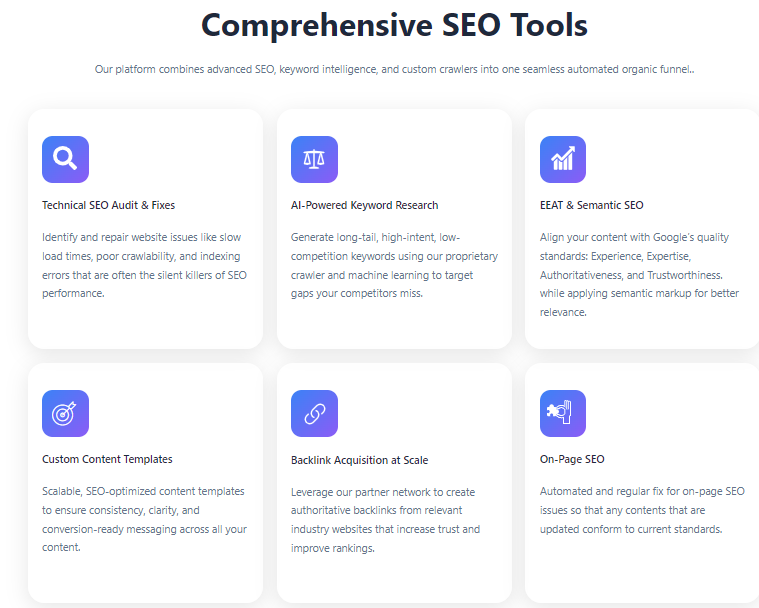
Many physiotherapy clinics start SEO on their own, but growth often reaches a limit. When rankings stall, leads slow down, or competitors dominate local results, professional SEO support becomes valuable.
Experienced SEO teams use data, tools, and proven processes to fix technical issues, improve local visibility, and scale results faster. Professional SEO services are especially helpful when clinics want consistent patient leads without spending time on trial-and-error strategies.
Local SEO success comes from consistency and clarity. Short-term tricks rarely produce lasting results. Patient-focused strategies always perform better.
By applying these SEO Strategies for Physiotherapists, clinics build trust. They also attract patients who are ready for treatment.
Strong seo for physiotherapists focuses on value first. When value comes first, rankings follow naturally.
The best SEO strategy for physiotherapists focuses on local visibility and trust. Clinics should optimize their Google Business Profile, create clear service pages, and earn patient reviews. Strong local SEO helps clinics appear when patients search for nearby treatment options. Consistent information, fast websites, and helpful content also improve rankings and conversions.
Local keyword research starts by understanding how patients search for care. Most people use pain-based or service-plus-location terms. Clinics should research keywords that include conditions, treatments, and city names. These keywords should be placed naturally on service pages and supporting content. The goal is to match patient intent, not just search volume.
SEO generates leads by attracting patients who are ready to book treatment. Clinics should focus on high-intent keywords, clear service pages, and strong calls to action. Local SEO increases visibility in maps and search results. When users find helpful content and easy booking options, they are more likely to contact the clinic.
Physiotherapy is shifting toward patient education, personalized care, and digital accessibility. Clinics now emphasize preventive treatment and long-term recovery plans. Online booking, virtual consultations, and content-driven patient education are also growing trends. These changes improve patient experience and clinic efficiency.
Start using our A/B test platform now and unlock the hidden potential of your website traffic. Your success begins with giving users the personalized experiences they want.
Start Your Free Trial

Empowering businesses to optimize their conversion funnels with AI-driven insights and automation. Turn traffic into sales with our advanced attribution platform.
Trusted by Customers


©CausalFunnel Inc. All rights reserved.