



Free Funnel Audit
Convert more customers today!
SEO
10 mins read

SEO
10 mins read
Did you think banks don’t need SEO? If a bank has an online presence, it needs it. Banks need to build their online presence to get more customers.
Let’s just say you’re the marketing head at a mid-sized bank in Chicago. People will search “best mortgage rates near me” and land on big national chains. What about your site? It’s buried on page three. Sounds frustrating, right?
We’ve seen it time and again with friends in finance. Not to worry; there’s a solution Smart SEO flips that script without breaking the bank.
But is SEO for banks actually worth it, or is this just another long game with unclear payoff? Let’s answer that first, then walk through the rest calmly and honestly.
SEO for banks works when it brings the right people to your site at the exact moment they are looking for help with money. It’s not just traffic. It’s real people searching for accounts, loans, and answers they trust.
If you are running marketing for a bank or advising one, you already know the pressure. Budgets are tight. Compliance is real. Leadership wants results that show up on a dashboard, not vague promises. And you are probably wondering something very practical.
SEO is one of the few channels where banks can build steady, compounding growth without paying for every click. When done right, it attracts high-intent users, builds trust before the first conversation, and lowers acquisition cost over time. When done wrong, it burns months with little to show for it.
Banks are not eCommerce stores. They are not SaaS tools. And they definitely are not lifestyle blogs. SEO for banks sits in a unique space where trust, regulation, and long decision cycles all collide.
People do not wake up excited to open a checking account. They do it because something triggers the need. Maybe it’s a new job, the first home, or a child going to college. Search is where those moments show up.
But here is the catch. Google treats banking content as high responsibility content. One wrong piece of advice can harm someone financially.
SEO for banks must show experience, expertise, authority, and trust at every step. You cannot shortcut this with thin blog posts or generic keyword pages.
That is also why banks that do SEO well tend to dominate quietly for years.
People trust Google for money decisions. Over 60% of financial searches happen on mobile, and banks ignoring that lose out big. SEO builds that trust fast. It pulls in folks ready to open accounts or grab loans, not just window-shop.
Regulations make it tough. Your Money Your Life (YMYL) rules from Google demand top-notch, secure sites. If you skip SEO, you hand customers to rivals. But you work on it and nail it, your branch sees real foot traffic. Just think about it, one extra loan app per day adds up quick profit.
Banks face stiff competition too. On one hand fintech apps grab young users and on the other hand traditional banks counter with local SEO strength.
SEO for Banks Starts With One Honest Question
Before tactics, tools, or vendors, there is one question every bank needs to answer.
What problem are we trying to solve for the customer right now?
Not what product we want to push. Not what keyword has volume. But what the person behind the search actually needs.
Someone searching “best checking account for students” is nervous, inexperienced, and cost sensitive. Someone searching “mortgage refinance rates” is anxious, number focused, and already deep in research.
SEO for banks works when content meets that emotional and practical moment. Once you see SEO this way, the rest becomes clearer.
You cannot just apply any SEO strategy. We’ve listed proven SEO strategies that work every time for boosting your bank’s online presence.
Trust is not a nice-to-have in banking. It is the product. Most bank websites ask for commitment too early. Apply now. Talk to an advisor. Book a call. That scares people who are still figuring things out.
The best SEO for banks starts with content that gives first and asks later.
That looks like:
When someone lands on your page and feels understood, they stay. When they stay, rankings improve. When rankings improve, the right traffic compounds.
We have seen banks double organic leads simply by rewriting product pages to sound human instead of institutional.
Ask yourself as you read your own pages. Would I trust this if I was a customer?
Local searches drive 46% of Google queries. Local search is where SEO for banks shines brightest, especially for community banks and regional institutions.
People still search for “banks near them.” Not because they love branches, but because money feels safer when it feels close.
Start with why. Customers want convenience and trust. They pick branches five miles away over apps sometimes. Keyword tools reveal gems like “free checking account [city]” or “low interest auto loans [state].”
How can you do that? Use Google Business Profile first. Claim it, add photos of your lobby, hours, and services. Respond to reviews fast. We did this and saw 30% more calls in a week for a bank.
Build city pages next. Each gets unique content like local events, community sponsorships. Make sure to embed maps for easy directions.
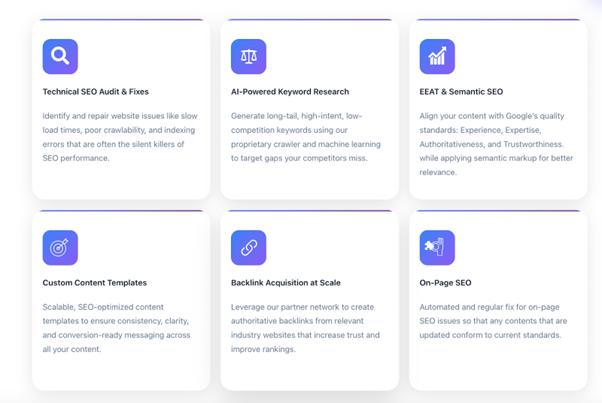
Agencies like CausalFunnel’s SEO Tools automate keyword picks with AI, spotting low-competition terms.
Local SEO for banks is not just about showing up on a map. It is about showing relevance hookup at the neighborhood level.
Strong local bank SEO includes:
A page titled “Checking Accounts in Austin” that actually talks about Austin lifestyles, cost of living, and local businesses will outperform a generic page every time.
This is one of the easiest wins in SEO for banks, yet many still treat it as an afterthought.
Here is where many SEO strategies quietly fail. They chase keywords instead of moments.
People do not think in keywords. They think in situations like the first paycheck, first credit card, first mortgage, or planning retirement.
The best SEO for banks maps content to these moments.
Instead of “savings account benefits,” write “how much should I save before buying a home.” Instead of “credit card rewards,” write “how to build credit without getting into debt.”
Banks need blogs on “how to buy a first home” or “best savings rates 2026.” It pulls searchers ready to act. Make sure to add FAQs like “Is my deposit FDIC insured?” Give full answers to the questions, as voice search loves this.
Keep it fresh and update the content yearly for rate changes.
This kind of content earns trust and links naturally. It also aligns with how Google evaluates helpfulness.
Useful moment based content tends to rank longer and convert better, because it stays relevant beyond algorithm updates.
Traffic does not pay the bills. Customers do.
One of the biggest blind spots in SEO for banks is not knowing which pages actually influence conversions. Many teams focus on rankings without understanding revenue impact.
This is where tools and services matter. Platforms like CausalFunnel help banks connect SEO traffic to real outcomes. Instead of guessing, you see how users move from content to product to application.
Three services here are especially relevant for banks doing SEO seriously.
First is conversion rate optimization. Small changes in layout, copy, and flow can dramatically improve form completion without increasing traffic.
Second is attribution modeling. Banking journeys are long. Attribution helps you understand how SEO assists conversions even when it is not the last click.
Third is personalized experiences. Showing different content to first time visitors versus returning users improves relevance and trust.
SEO works best when it feeds into a system that understands user behavior, not just rankings.
If there is one place where SEO for banks often breaks, it is on product and rate pages. These pages are critical. They are also usually thin, duplicated, or written purely for compliance.
Search engines struggle to understand them. Users bounce because they are confusing. Strong bank SEO treats these pages as education first, conversion second.
That means:
A mortgage rates page that explains what changes rates and who qualifies will outperform one that simply lists numbers.
This is one of those moments where better content improves both SEO and user trust.

Links signal authority and banks need them from Forbes or local chambers to build authority. If you don’t get backlinks, you won’t get the top spots on the SERP.
Focus on quality over quantity when getting backlinks. Guest posts on finance blogs earn dofollow gold.
Show as many reviews as you can. You can also ask happy clients to leave a review on your site or on Google. Ensure to engage with them and respond to all, even bad ones. It boosts local pack rankings.
Tactics that stick:
Technical SEO matters, but banks often overthink it or avoid it entirely. You do not need fancy tricks. You need clarity.
Search engines should easily understand what each page is about, who it is for, and how it connects to other pages.
Focus on fundamentals:
Most banking searches now happen on phones. If your site feels slow or hard to read, rankings suffer quietly.
Technical SEO is not glamorous, but in banking, it is trust infrastructure.
SEO builds trust and long-term visibility for banks, but it often moves too slowly to capture high-intent customers. Competitive searches like mortgages, loans, and credit cards are dominated by ads.
Pairing SEO with AI-optimized paid advertising ensures banks stay visible while organic rankings grow.
SEO warms users through education and research-driven content. AI-powered ads then re-engage those users at the right moment, helping convert intent into action without wasting budget.
Why SEO combined with AI ads work better together:
This combined approach turns SEO into a conversion engine, not just a traffic channel, while AI ensures ad spend delivers measurable results quickly.
Slow sites kill conversions. Every extra second drops sales by 7% in finance. Banks pack sites with videos and tools, so speed lags.
But why prioritize speed for mobile sites? Google ranks fast sites higher. Users hate waiting for rate quotes. Fast pages keep them clicking “apply now.”
For banks, secure HTTPS matters double. It’s a ranking signal and builds trust. Pair it with lazy loading for forms.
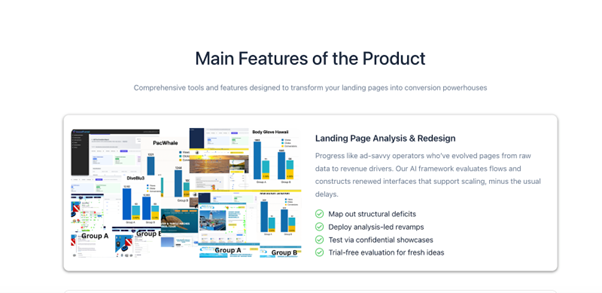
CausalFunnel’s Landing Page Optimizer shines here. It’s A/B tests page speed tweaks, finding winners that boost dwell time. A client saw 40% more bookings from optimized
Here are steps to take for a speedier website:
Ever waited on a bank site during lunch? That’s your rival gaining ground. Fix it, and watch your sessions soar.
SEO for banks is a long game. That is not a warning. It is a feature. Unlike ads, SEO does not turn off when budgets pause. But it also does not reward panic.
Strong bank SEO teams track a small set of meaningful signals. Quarterly audits catch issues. Core Web Vitals, index errors.
Those signals include:
They review performance monthly, not daily. They improve pages instead of replacing them. They let data guide decisions instead of chasing trends.
This steady approach is what separates banks that grow from banks that give up too early.
The best SEO for banks looks boring from the outside. It doesn’t have any hacks or shortcuts. Just consistent focus on users and clarity.
They invest in content quality instead of volume and align SEO with business goals, not vanity metrics. They treat trust as a ranking factor, not a brand slogan.
They choose partners and tools that understand banking reality, not generic marketing playbooks. SEO is not magic. It has accumulated credibility.

This is the quiet question behind every boardroom discussion.
The honest answer is this. SEO for banks is worth it if you commit to doing it properly. It is not worth it if you expect instant results or treat it as a side project.
Banks that invest in SEO thoughtfully often see lower acquisition costs, stronger brand recall, and higher quality leads over time.
Banks that chase shortcuts usually end up frustrated. The difference is not the budget. It is patience and clarity.
Big bank sites often crawl slowly. Heavy pages with forms and calculators tank rankings. Users bounce, and Google notices. So, where is the site going wrong? Here are some common hurdles bank SEO face:
SEO for banks is not about quick rankings or short-term traffic spikes. It is about building credibility, clarity, and visibility at the exact moment people are making serious financial decisions. When done right, SEO compounds quietly.
This is where platforms like CausalFunnel make the difference. By connecting organic traffic to real user behavior, applications, and assisted conversions, CausalFunnel helps banks understand why SEO works, not just where they rank.
It turns SEO from a visibility channel into a measurable growth engine by identifying intent, fixing conversion leaks, and personalizing journeys across touchpoints.
SEO for banks focuses on improving a bank’s online visibility in search results for financial-related queries. The goal is to attract qualified organic traffic, build trust, and turn website visitors into customers, with a strong emphasis on local search visibility and credibility.
Most people choose banks close to where they live or work. Local SEO helps your branches show up when users search terms like “banks near me” by optimizing Google Business Profiles for each location, creating location-based pages, and targeting local keywords such as “mortgage rates in [City].”
Mobile responsiveness, fast-loading pages, HTTPS security, a clear site structure, and structured data for financial products such as loans and accounts are all essential for strong performance.
Banks should focus on detailed guides, comparison content, financial calculators, local updates, simple visuals explaining complex topics, and blog posts that answer real customer concerns and decision-stage questions.
Voice search works best with natural, conversational language. Structuring content in a question-and-answer format and targeting long-tail, spoken-style queries helps banks match how people actually speak when using voice assistants.
Start using our A/B test platform now and unlock the hidden potential of your website traffic. Your success begins with giving users the personalized experiences they want.
Start Your Free Trial

Empowering businesses to optimize their conversion funnels with AI-driven insights and automation. Turn traffic into sales with our advanced attribution platform.
Trusted by Customers


©CausalFunnel Inc. All rights reserved.