



Free Funnel Audit
Convert more customers today!

PPC
6 mins read

Ad Optimization
6 mins read
Given how search engines drive most online journeys today, it’s important to know how SEM and PPC work. Many people ask about the SEM and PPC difference.
SEM includes both paid and organic methods, and PPC is a paid part of SEM. Think of SEM as the full strategy and PPC as the fast boost. Both approaches help your business get improved visibility online.
Read on to learn how they fit and when to use each. We’ll also explore smart ways to combine them for better results. This guide keeps things simple and practical for real marketing needs.
Search Engine Marketing, or SEM, is a strategy that helps businesses get seen on search engines. It combines paid ads and organic methods.
SEM helps your website show up when people search for terms related to your products or services. It works as a complete visibility plan for digital marketing.
SEM includes more than just paid ads. It also uses search engine optimization and content tactics. You don’t have to go deep into SEO here, but it’s important to know that both paid and unpaid search help SEM succeed. This makes SEM a full strategy, not a single tool.
Here are key parts of SEM:
SEM connects all these elements into one strong plan. It helps you reach people who are ready to take action. It also helps guide them from search click to sale with smart planning. SEM vs PPC marketing is not a battle. Rather, it’s about smart use of both. Using a structured ppc report template also helps teams review SEM and PPC results clearly, so performance insights are easier to track and act on.
Pay-Per-Click, or PPC, is a paid advertising method under SEM. In this model, you pay only when someone clicks your ad. These ads appear on platforms like Google Ads, Bing Ads, or even on social media.
You choose keywords that people might search for. Then, you bid on those terms to show your ads when someone searches. If your bid and ad quality are strong, your ad appears.
PPC is fast and results-driven. It’s a powerful part of SEM because it brings targeted traffic immediately. You don’t need to wait for long-term SEO work. PPC and SEM comparison shows that while SEM is broad, PPC is precise and quick. Looking at real ppc examples also helps you understand how campaigns perform in different industries and how businesses use ads to drive conversions in real-world scenarios.
Here’s what PPC brings to your marketing:
| PPC Advantage | What It Means |
| Immediate visibility | Your ads can start showing right away. |
| Precision targeting | Reach people based on keywords and intent. |
| Budget control | Set daily budgets and control total spend. |
| Measurable results | Track every click, cost, and conversion. |
| Flexible strategies | Adjust campaigns anytime based on results. |
PPC allows full control over where and when your ads appear. You can target people by location, device, or interests. It’s ideal for launching new products or seasonal offers. When combined with organic efforts in SEM, PPC helps balance short-term wins with long-term growth.
To get maximum benefits, you need to optimize your ads. Opt for a professional PPC agency to increase return on ad spend (ROAS).
For instance, using a highly rated ads optimizer from such an agency, an e-commerce retailer in luxury silk products transformed its ad strategy and saw a ROAS shoot up from negative to 2.67 in just 2 months!
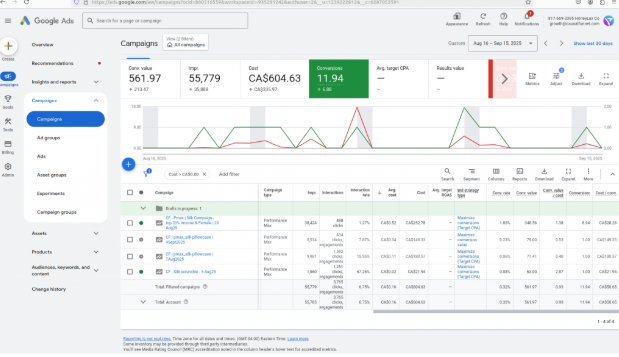
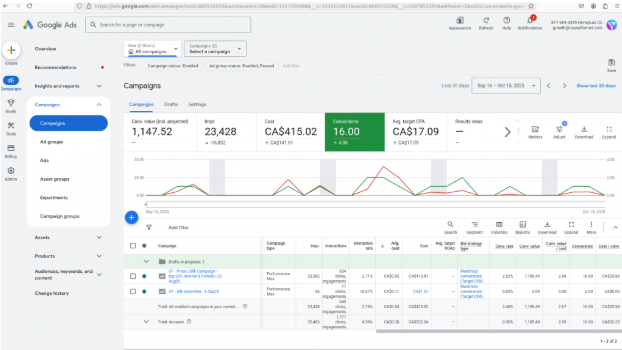
Now let’s look at how SEM and PPC compare. Both support search marketing, but they play different roles. Understanding the SEM and PPC difference helps you plan smarter campaigns. The table below gives a simple side-by-side view.
Aspect | SEM | PPC |
Main focus | Overall search visibility | Paid ads on search and other networks |
Time horizon | Long-term growth and brand building | Short-term traffic and quick testing |
Cost model | Time, content, tools, and sometimes ads | Pay only when someone clicks your ad |
Channel mix | SEO, PPC, content, and sometimes social | Mostly search, display, shopping, and video |
Control speed | Slower changes, gradual impact | Fast changes, almost instant visibility |
Data usage | Broad search and behavior trends | Very detailed ad and keyword-level data |
Scope describes how wide each approach really is. Strategy describes how you plan and use each channel. SEM covers everything from organic content to paid ads and landing pages. PPC focuses only on paid placements and the campaigns supporting them.
The difference between SEM and PPC mainly shows up in strategy and scope. SEM builds full funnel visibility, from awareness to repeat visits and sales. PPC helps you zoom in on high-value searches and offers.
You might prioritize SEM when:
You might prioritize PPC when:
SEM requires investment in content, tools, and sometimes agencies. You also invest time in technical fixes and ongoing optimization. Results usually grow slowly but can become very efficient over time.
PPC uses a direct pay-per-click model. You set daily budgets and maximum bids for keywords. Costs change based on competition, Quality Score, and targeting choices.
You might think like this about budgets:
Understanding the difference between ppc vs cpc also helps here, because PPC is the advertising model you run while CPC represents the actual cost you pay for each click inside that model.
SEM reaches people through both organic listings and paid placements. It covers a wide range of queries and customer stages. Your content may rank for many related terms without separate campaigns.
PPC lets you target very specific keywords and audiences. You can narrow by location, device, time, and sometimes interests. This makes it ideal for focused offers and remarketing.
To use both wisely:
Keyword work sits at the heart of both SEM and PPC. However, you use findings slightly differently in each area. SEM keyword research guides blog topics, service pages, and site structure. You choose sets of related terms to cover with helpful content.
In PPC, keyword research focuses on intent and return. You pick fewer, more specific terms and match them to ads. You then watch which queries actually convert into leads or sales.
Smart teams connect both efforts:
When teams analyze performance alongside competitors ppc keywords, they also understand which search terms rivals prioritize in ads, helping them refine targeting and strengthen overall search strategy.
SEM changes often move slowly and show results over time. Publishing content, earning links, and improving technical health all take patience. It can take months before some pages reach strong positions.
PPC works on much shorter cycles. You can launch a new campaign within a day. You can also adjust bids, budgets, and ads live based on performance.
A balanced approach might look like this:
Using a reliable ppc reporting tool also helps you track both SEM and PPC results in one place, making it easier to compare performance, monitor trends, and refine your strategy with real data.
SEM and PPC are not rivals. They support each other in powerful ways. When you use them together, you unlock more search traffic and get better results.
The SEM and PPC difference is clear, but the partnership between them is the real strength. SEM gives you long-term visibility, while PPC gives fast traffic and testing. When both are used in one plan, you reach more people at every stage. Understanding the most important ppc metrics across both channels also helps you measure how well this combined strategy performs in real business results.
When your paid ads and organic pages appear together, you own more space on the search results page. This increases trust and credibility. Users are more likely to click when they see your brand twice. Here’s how it works in real life:
For example, imagine a small SaaS company. They rank organically for “email software for small teams.” They also run a PPC ad targeting the same phrase. Their result shows twice. This makes their brand look strong, and more users click to learn or buy.
SEO and PPC both use keyword research and audience data. SEO shows which topics bring steady traffic. PPC shows which keywords drive paid conversions. Sharing this data makes both channels smarter, narrowing down the SEM and PPC difference.
Here are some useful ideas:
This approach helps you improve on both sides faster. It also keeps your strategy fresh because you are learning day by day.
Quality Score impacts how much you pay per click in Google Ads. Strong, relevant landing pages improve your score and reduce costs. SEO helps build pages that are more useful and trusted. This gives you a Quality Score boost, even for paid ads.
Here’s how SEO improves PPC:
One business example is a retail brand selling running shoes. Their SEO team improved category page content and added buyer guides. Visitors stayed longer and clicked more. When they sent PPC traffic to the same pages, their Quality Scores rose. This meant lower costs and more clicks within the same budget.
Using SEM and PPC together is like running train tracks side-by-side. Both strengthen each other, and together they move your business forward much faster. When teams combine these insights with ppc competitive intelligence, they also understand how competitors use similar data, helping them refine strategy and stay ahead in the search landscape.
Choosing between SEM and PPC depends on your goals, timeline, and budget. Sometimes you need fast results. Other times, you want lasting growth. A smart mix of both can give you the best return, despite the SEM and PPC difference.
Let’s take a local business, like a small dental clinic. They use PPC to target “emergency dentist near me” for quick leads. Meanwhile, they use SEM to write blogs on “how to prevent tooth pain” and build trust over months. This mix keeps leads coming while building authority in search. Even in SEM vs PPC marketing discussions, both methods support each other in a smart plan.
Whether you’re a startup, a local brand, or a national company, this balanced approach keeps your marketing strong across stages. Mixing SEM and PPC is not just smart—it’s sustainable. Studying ppc competitor analysis examples alongside this kind of strategy also helps teams see how real businesses apply these approaches in practice and where similar opportunities may exist in their own campaigns.
Search marketing is evolving fast. New technology, changing behavior, and smarter tools are transforming SEM and PPC. The future is about doing more with data, automation, and user-first targeting. Here are key trends that every marketer should watch closely. Staying ahead of these shifts will help you stay competitive and build better campaigns.
Artificial intelligence is changing how campaigns are managed. Smart bidding strategies use real-time data to adjust bids for better results. You no longer need to guess the best bid for each keyword. Automation also adjusts content based on user behavior and preferences.
This means:
Marketers who embrace AI will gain a big advantage in both SEM and PPC.
Zero-click searches are rising fast. Users often get answers directly on the search engine results page (SERP). This happens through featured snippets, knowledge panels, and quick answer boxes. It means fewer clicks to websites but still high visibility.
What should marketers do?
Winning zero-click positions keeps your brand visible even without a click.
Start using our A/B test platform now and unlock the hidden potential of your website traffic. Your success begins with giving users the personalized experiences they want.
Start Your Free Trial

Empowering businesses to optimize their conversion funnels with AI-driven insights and automation. Turn traffic into sales with our advanced attribution platform.
Trusted by Customers


©CausalFunnel Inc. All rights reserved.