



Free Funnel Audit
Convert more customers today!
SEO
10 mins read

Google Ads
10 mins read
Manual bidding in Google Ads sounds simple at first. You set a bid and wait for results. Over time, this process becomes tiring and risky.
Search behavior changes every hour. Competitors change bids without warning. Manual bidding cannot react fast enough. Google Ads automated bidding fixes this problem. It adjusts bids during every auction automatically. This happens in real time, without manual work.
This guide explains the core benefit of Google Ads automated bidding in plain language. You will learn why it now beats manual bidding for most advertisers. Everything here focuses on real use, not theory.
Every Google search triggers an ad auction. That auction lasts less than one second. Manual bidding cannot keep up with this speed. User intent also changes throughout the day. A search at night behaves differently than one at noon. Manual bids stay fixed unless you update them.
Automated bidding adjusts bids instantly. It reacts based on user behavior and past results. This helps avoid wasted clicks and weak traffic.
Advertisers now face higher competition and rising costs. Poor bidding decisions burn the budget quickly. Smart bidding helps control this problem.
This article explains how automated bidding helps step by step. You will learn benefits, strategy types, and setup basics. The goal is simple and practical results.
Automated bidding improves performance when used correctly. These highlights explain its main strengths clearly.
These points explain why more advertisers rely on automation.
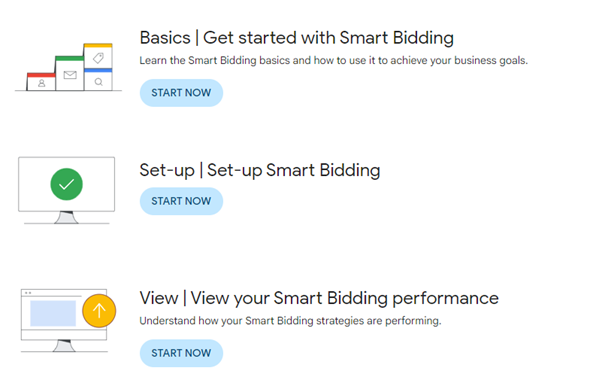
Google Ads automated bidding sets bids for you automatically. You choose a goal instead of a bid amount. Google handles the rest. The system reviews many details during each auction. These details include user intent, device, and timing. Each auction receives a custom bid.
Manual bidding uses fixed values. Automated bidding changes bids constantly. This flexibility improves performance. Think of it like cruise control in a car. You set the speed you want. The system adjusts power to maintain that speed.
Over time, automated bidding learns from past performance. Good results guide future decisions.
This learning improves accuracy. For most advertisers, this approach performs better. It reacts faster than any human ever could.
Automated bidding makes decisions during each auction. Every auction is handled separately. Google reviews many signals before setting a bid. Some important signals include:
These signals change constantly. Manual bidding cannot track them all. Automated bidding reacts instantly when signals change. This leads to better bid placement. Better bids lead to stronger results.
At first, the system enters a learning phase. During this time, results may fluctuate slightly. This phase is normal and necessary.
Once learning finishes, performance becomes more stable. Stopping automation too early reduces its value.

Google Ads offers several automated bidding options. Each option serves a different goal. Choosing the right one matters. Below is a simple overview of the main strategies. Details come later in the guide.
Maximize Clicks focuses on getting the most clicks. The goal is traffic, not conversions. This strategy works well for brand visibility. It suits early-stage campaigns.
Key points to remember:
It is not ideal for sales-focused campaigns.
Target CPA aims to control conversion costs. You choose an average cost goal. Google adjusts bids to meet that target. Some conversions may cost more. This strategy works best with solid conversion data. It balances cost and volume.
Target ROAS focuses on revenue instead of leads. You set a return goal. Google bids higher for valuable searches. Lower value searches receive smaller bids. This strategy works best for ecommerce businesses. Accurate revenue tracking is essential.
Maximize Conversions focuses on getting more conversions. It uses the full budget efficiently.
This option suits limited management time. It removes daily bid adjustments. However, it needs enough past conversion data. Using it too early may lower quality.
Enhanced CPC blends manual and automated bidding. You keep manual control as a base. Google adjusts bids when conversion chances improve. This option feels safer for beginners.
It works well as a transition strategy.
This strategy focuses on total conversion value. Not all conversions are equal. Google prioritizes high-value actions. Lower value actions receive less focus.
Accurate value tracking is required for success.
Automated bidding offers clear advantages over manual bidding.
These benefits explain its growing popularity.
Each benefit focuses on real business outcomes.
Automated bidding follows your campaign goal closely. You define what success looks like. Goals may include conversions, revenue, or visibility. Google adjusts bids to support that goal.
This removes confusion between keywords and bids. Every bid supports the same objective.
Key advantages include:
This alignment improves overall campaign results.
Manual bidding relies on human judgment. Human judgment often leads to mistakes.
Automated bidding uses data instead of assumptions. Every decision comes from real performance signals. This reduces wasted spend and poor targeting. Results improve as data grows.
Over time, the system learns patterns humans miss. This improves accuracy without extra work.
Large Google Ads campaigns become difficult to manage manually. Each keyword, device, and location needs constant attention. Automation removes this complexity. Automated bidding manages thousands of auctions at the same time.
Every auction receives a custom bid. The bid is based on real-time user signals. Manual bidding cannot match this speed or accuracy. Important opportunities are often missed.
Automation saves time and reduces daily stress. Routine bid work no longer fills your day. Marketers can focus on strategy and creative improvements. Efficiency improves both workflow and campaign performance.
Automated bidding looks beyond keywords alone. It evaluates real search queries during each auction. Two people may search the same keyword. Their intent can still be very different.
Manual bidding treats both searches the same. Automated bidding does not. The system studies how past queries performed. It learns which searches lead to strong actions. Weak searches receive lower bids automatically.
This approach helps capture valuable traffic consistently. It also avoids wasting money on low-quality searches. Over time, bidding becomes smarter at the query level. This level of control is impossible with manual bids.
Benefit 5: Saves Time Without Reducing Control
Manual bidding requires daily attention. Small accounts still need constant monitoring. Automated bidding removes this burden. Bids adjust without manual input.
You no longer need to chase bid changes. Time is saved every single week. Saved time allows better focus elsewhere. You can improve ads, landing pages, and targeting. Control is not lost with automation. You still set goals, budgets, and limits.
The system handles execution, not strategy. This balance improves long-term performance.
Budget waste is a major advertiser fear. Manual bidding often causes overspending. Automated bidding uses budget more efficiently. It shifts spend toward better opportunities.
You can still set daily budgets and limits. The system respects those boundaries. When performance drops, bids adjust quickly. This prevents continued waste. When opportunities improve, bids increase instantly. This captures more value without delay.
This balance helps maintain consistent performance. The budget stays focused on what actually works.
Manual bid changes take time to show impact. Results may appear days later. Automated bidding reacts immediately. Changes happen within each auction.
When demand shifts, bids follow instantly. This speed improves early performance. Campaigns also adapt faster to competition changes. This helps maintain visibility and results. Faster learning leads to quicker optimization. Advertisers see improvements sooner.
This speed advantage matters in competitive markets. Manual bidding often reacts too late.
Choosing between manual and automated bidding matters. The differences affect time, cost, and results.
Below is a simple comparison to clarify choices.
Aspect | Manual Bidding | Automated Bidding |
Bid Control | Advertisers set and adjust bids manually | Google adjusts bids automatically for each auction |
Decision Basis | Relies on human judgment and past performance | Uses real-time data, signals, and machine learning |
Response Speed | Slow reaction to market or demand changes | Instant response to user behavior and competition |
Scalability | Hard to manage large keyword or campaign sets | Handles thousands of auctions simultaneously |
Time Requirement | Needs frequent monitoring and updates | Saves time by reducing daily bid work |
Accuracy | Higher chance of missed opportunities | More precise bids based on live signals |
Budget Efficiency | Risk of overspending on low-value clicks | Focuses spend on high-value opportunities |
Learning Ability | Does not improve without manual effort | Learns and improves performance over time |
Best Use Case | Small accounts with tight control needs | Growth-focused and performance-driven accounts |
Key Takeaway: Manual bidding still works in limited situations. Automated bidding delivers better results for most modern campaigns.
Manual bidding still has limited use cases. Automation works better for most growth-focused accounts.
Automated bidding is powerful but not perfect. Some situations require caution.
Automation may struggle without enough data. New accounts need initial learning time. Very low conversion volume can limit effectiveness. Poor tracking also creates problems.
Situations where caution is needed include:
In these cases, manual bidding may help temporarily. Automation should return once data improves.
Proper setup improves automated bidding success. Rushing setup causes poor performance.
Follow these steps carefully.
Once live, monitor results weekly. Avoid daily adjustments during learning. Trust the system enough to learn. Over-control reduces long-term gains.
Short-term wins matter. Long-term growth matters more. Automated bidding is built for steady improvement. It learns from every single auction.
Each conversion improves future decisions. Each missed opportunity becomes a lesson. Manual bidding cannot be learned at this scale. Humans cannot track millions of signals daily.
Over months, performance becomes more stable. Costs become more predictable. This stability helps plan future campaigns. It also supports sustainable account growth.
Markets change often and without warning. Competitor bids rise or fall suddenly. Manual bidding reacts slowly to these shifts.Data review takes time. Automated bidding reacts instantly. Bids adjust during live auctions.
Seasonal demand changes are handled automatically. Holiday spikes are recognized quickly. Local demand shifts are also detected. Time-based performance changes are considered too.
This adaptability protects performance during uncertainty. It also captures opportunities others miss.
Scaling campaigns increases complexity. Manual control becomes harder. More keywords create more decisions. More locations multiply bid adjustments. Automated bidding thrives at scale. It handles complexity without errors.
Large accounts benefit the most. Performance stays consistent across campaigns. Even small accounts gain value. Automation reduces management effort.Scaling no longer means losing efficiency.This is a major strategic advantage.
Not all conversions are equal. Some bring higher long-term value.Automated bidding identifies these patterns. It adjusts bids toward better users. High-intent users receive stronger bids. Low-quality traffic receives less spend.
This improves lead quality over time. Sales teams notice better prospects. Manual bidding lacks this insight. It focuses mostly on cost. Automation balances cost and value effectively. This leads to smarter growth decisions.
Automation depends on clean data. Conversion tracking is critical.Without tracking, automation guesses. With tracking, it learns precisely. Important conversions should be defined clearly. Only valuable actions should be counted.
Tracking must work across devices. Mobile and desktop data both matter. Accurate tracking leads to better optimization. Poor tracking limits performance.This step cannot be skipped. It defines automation success.
Google Ads offers several strategies. Each serves a different goal.Choose based on business objectives. Do not choose randomly.
Common options include:
Each option works when used correctly. Wrong choices slow performance. Start simple if unsure. Refine once data grows.
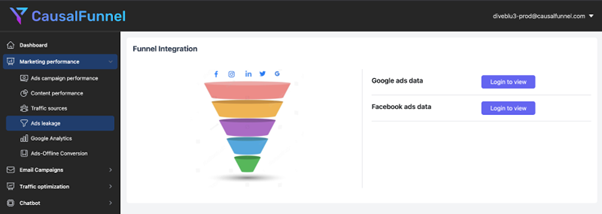
Automated bidding performs best with strong data and clear user signals. This is where professional tools add real value.
This is where CausalFunnel comes in and helps you to support Google Ads automated bidding. By improving how Google’s algorithms learn and optimize. CausalFunnel helps by improving traffic quality and conversion signals. This directly supports strategies like Target CPA and Target ROAS.
Key ways CausalFunnel adds value include:
Some advertisers report ROAS growth from 1.7x to over 3x using CausalFunnel. This shows how better on-site data improves bidding outcomes.
In simple terms, CausalFunnel works as a support layer. It helps automated bidding make smarter decisions with better inputs.
Automated bidding is not instant. Learning requires time. The learning phase usually lasts two weeks. Large changes reset this phase. During learning, performance may fluctuate. This is normal behavior.
Avoid major edits during this time. Let the system stabilize. Results improve after learning ends. Patience leads to better outcomes. Quick judgments often harm performance. Trust the process.
Knowing success signs matters. These indicators show healthy automation.
Watch for:
If these appear, automation is working. Small fluctuations are still normal. Focus on trends, not daily numbers. This mindset improves decisions.
Automation still needs oversight. Blind trust is risky. Review performance monthly. Look for sustained trends.
Adjust strategies if goals change. Also adjust if data grows significantly. Avoid frequent switching. Each switch resets learning. Use data, not emotions. Let results guide decisions.
Smart adjustments improve outcomes. Random changes harm performance.
Automation will continue to improve. Manual bidding will fade further. AI-driven decisions will dominate. Real-time signals will increase. Advertisers must adapt early. Resistance slows growth.
Learning automation today prepares accounts for tomorrow. Early adopters gain advantage. This shift is already happening. Waiting increases risk.
Many advertisers misuse automation early. These mistakes reduce performance.
Common issues include:
Automated bidding is not a quick fix. It works best with patience and planning. Avoid these errors to see consistent results.
Yes, budgets and limits remain under your control. Automation only adjusts bids, not total spend.
More data improves performance. However, some strategies work with moderate data.
In most cases, yes. It reacts faster and uses more signals.
Yes, switching is always possible. However, frequent changes reduce learning benefits.
No extra cost exists for using automation. You still pay normal Google Ads costs.
Start using our A/B test platform now and unlock the hidden potential of your website traffic. Your success begins with giving users the personalized experiences they want.
Start Your Free Trial

Empowering businesses to optimize their conversion funnels with AI-driven insights and automation. Turn traffic into sales with our advanced attribution platform.
Trusted by Customers


©CausalFunnel Inc. All rights reserved.