


Free Funnel Audit
Convert more customers today!
SEO
10 mins read

SEO
10 mins read
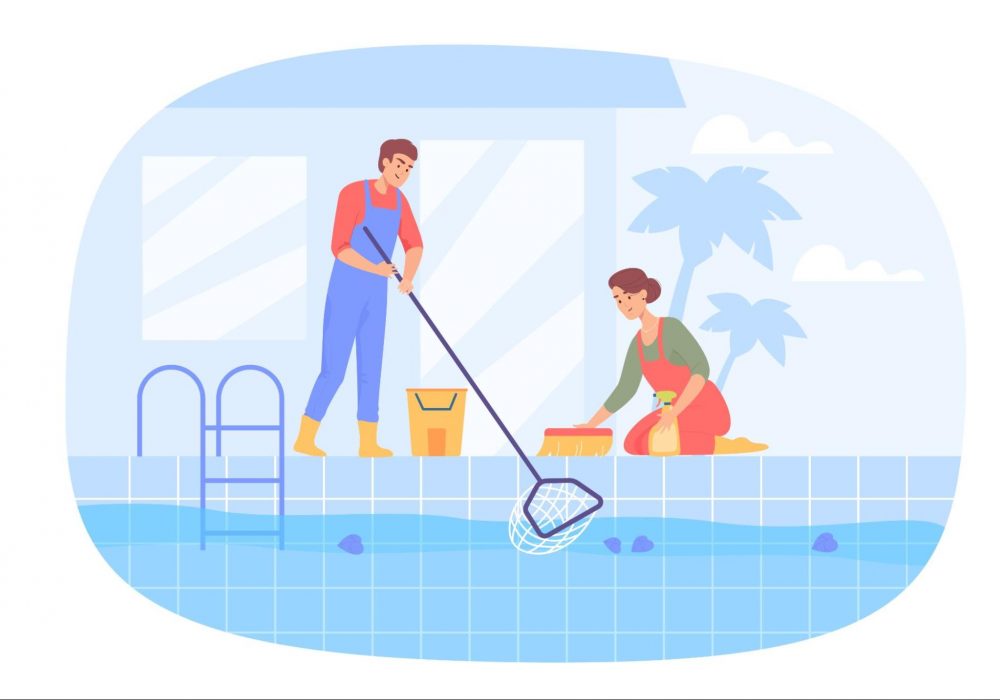
Pool service marketing helps your company reach local homeowners who need pool care. A clear plan can bring better leads, tighter routes, and more repeat clients. It also helps you spend money on channels that support steady growth.
Most pool companies need more than referrals from loyal clients. Referrals still matter, but they may not bring steady demand. Your company also needs local reach, strong reviews, and easy booking steps.
A smart plan should link search, ads, follow-up, and client care. Each channel should fit your area, team size, and growth goals. You should track booked clients, not just clicks, views, or likes.
For added help with leads and sales, visit CausalFunnel. Our tools can help improve online results and the buyer journey.
The best plan blends local search, good reviews, referrals, and fast follow-up. Paid ads can add leads when your team has open time. Local SEO for pool companies can build steady reach over time. Your final mix should fit your season, budget, route, and goals.
Start with these simple steps:
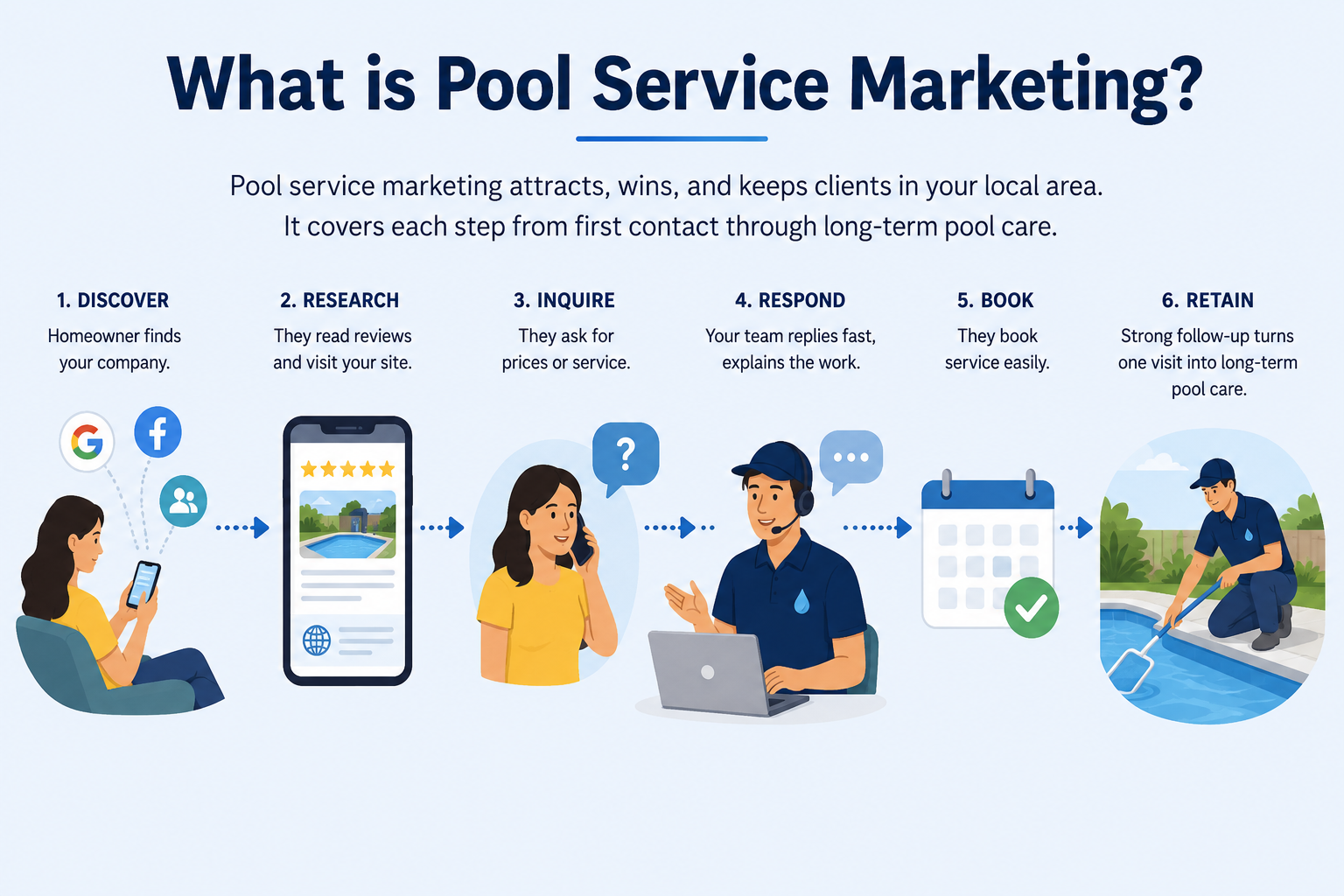
Pool service marketing attracts, wins, and keeps clients in your local area. It covers each step from first contact through long-term pool care.
A homeowner may find your company through Google, social media, or friends. That person may read reviews, visit your site, and ask for prices. Your team must reply fast, explain the work, and make booking easy. Strong follow-up can turn one visit into a long-term care plan.
Good pool company marketing supports six linked goals:
Lead counts alone can hide poor results and wasted costs. Ten weak leads may offer less value than two repeat clients. A useful plan tracks bookings, route fit, client stay, and long-term value.
Pool companies rely on short travel times between client homes. A tight route helps each tech serve more pools every day. It also cuts fuel use, delays, and lost time between jobs. Each new client does not bring the same business value. A faraway client may pay well but weaken the daily route. A nearby client may fit between several current service stops.
Your ads should target areas near routes you already serve. This focus can improve lead quality and daily work plans. Good local tactics include mail, yard signs, referrals, and area-based ads.
| Route example | Daily travel pattern | Likely business effect |
| Five nearby clients | Short trips between homes | More service time and lower travel costs |
| Five spread-out clients | Long trips across many areas | Less service time and more daily pressure |
Pool service route density should guide your service pages and ad areas. Avoid large zones that your team cannot serve with profit. Focus on places with many pools and fair driving times.
A one-time repair can bring useful cash into your pool business. Still, repeat pool care can give steady sales across many months.
Recurring pool service contracts also create more client contact points. These visits may reveal repair needs, worn parts, or useful upgrades. The bond can also bring reviews, referrals, and seasonal jobs.
Repeat clients hold more value, so ad costs need wider thought. Do not judge a lead only by the first bill. Review the likely service term, monthly sales, and later repair needs.
Use this simple formula for a rough sales estimate:
Monthly sales × expected client lifespan = estimated lifetime sales
This total shows sales, not the true profit for your company. You must still count labour, fuel, parts, chemicals, and office costs. Your pool business marketing should seek clients who fit your route. Cheap leads are not useful when they create long drives. Better leads fit your area, price, schedule, and repeat care plans.
Marketing can bring attention, but it cannot fix a poor client experience. Paid traffic may reveal vague services, slow replies, or hard booking steps. Before adding more ads, fix the systems that turn interest into work.
Your basic setup should answer these key client questions:
Start by listing the work your team can provide well. This list may include weekly cleaning, chemical care, repairs, openings, closings, and checks. Some teams also offer green pool cleanups or commercial pool care.
Next, define the clients who best fit each service. Homeowners may need weekly care, repairs, and help during each season. Property managers may want fast updates, easy bills, and clear reports. Large sites may need firm plans and quick help with faults.
Your target market should match your real service area. Choose zones where techs can arrive on time and work well. Check current routes before adding new places to your plan.
Each service also needs a clear and useful sales message. Regular cleaning should stress ease, trust, and clear visit reports. Repair ads should stress skill, speed, checks, and honest advice.
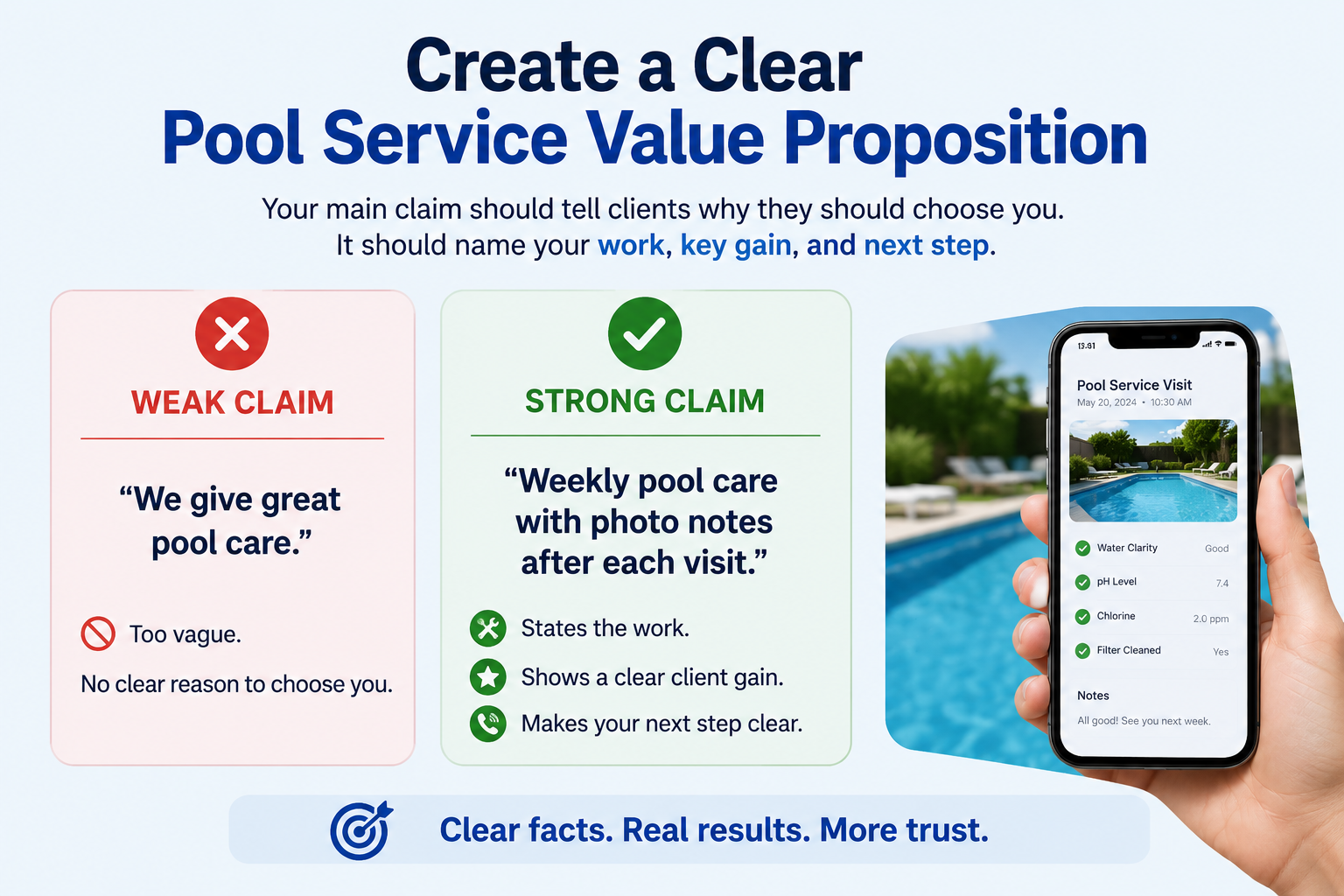
Your main claim should tell clients why they should choose you. It should name your work, key gain, and next step. Clear facts build more trust than broad sales claims.
A weak claim may say, “We give great pool care.” That line sounds nice, but it gives few useful facts. Most local firms could make the same broad claim.
A stronger claim may use this clear form:
“Weekly pool care with photo notes after each visit.”
This line states the work and one clear client gain. It also helps your brand feel more real and clear.
Your core claim may stress these true points:
Choose claims that your team can prove each day. Do not use bold claims without facts or proof. Clear proof gives more value than vague praise. Use the same claim on ads, pages, and print. This helps new clients know your brand much faster.
Your website should turn site visits into calls and forms. Each page should guide users toward one clear next step. A clean site can also build trust before calls. Most users may view your site on a phone. Pages should load fast and show key links first. Long forms can harm pool service lead generation and sales.
Your home page should answer these key questions:
Place your phone link near each page top. Add one clear quote button near the main claim. Keep forms short for fast use on phones.
Your site should include these main pages:
| Page | Main goal |
| Home page | Show your brand and guide each new user |
| Pool cleaning page | Share your routine pool care plans |
| Pool repair page | Explain faults, checks, and repair work |
| Green pool page | Show how your team can clear bad water |
| Trade service page | Speak to sites with larger pool care needs |
| Reviews page | Share proof from real and happy clients |
| Contact page | Make calls and quote forms quick |
Use real job photos when you have client consent. Stock photos may look neat, yet they prove very little. Real work can show skill, care, and clear results. Each key page needs a clear use and goal. State who needs the work and what it includes. Then explain what the client should do next.
A strong Google Business Profile for pool service companies can grow map reach. It can show key facts before users reach your site. It may also help your firm earn more calls.
Choose the best main group for your core work. Add each true service that your team can sell. List your phone, hours, site, and work zones. Keep these facts the same on all trusted sites. Mixed names or phone details may cause doubt. Old hours can also lead to lost calls.
Add photos that show your staff and real work:
Share fresh posts when pool needs begin to change. You might post tips, offers, or key date notes. Keep each post useful and tied to real needs. Add a quote link when your profile allows one. Remove old deals when they no longer apply. Wrong facts can harm trust before the first call.
Never add false words to your public brand name. Avoid fake sites, fake offices, and false reviews. Such tricks can lead to bans or lost reach.
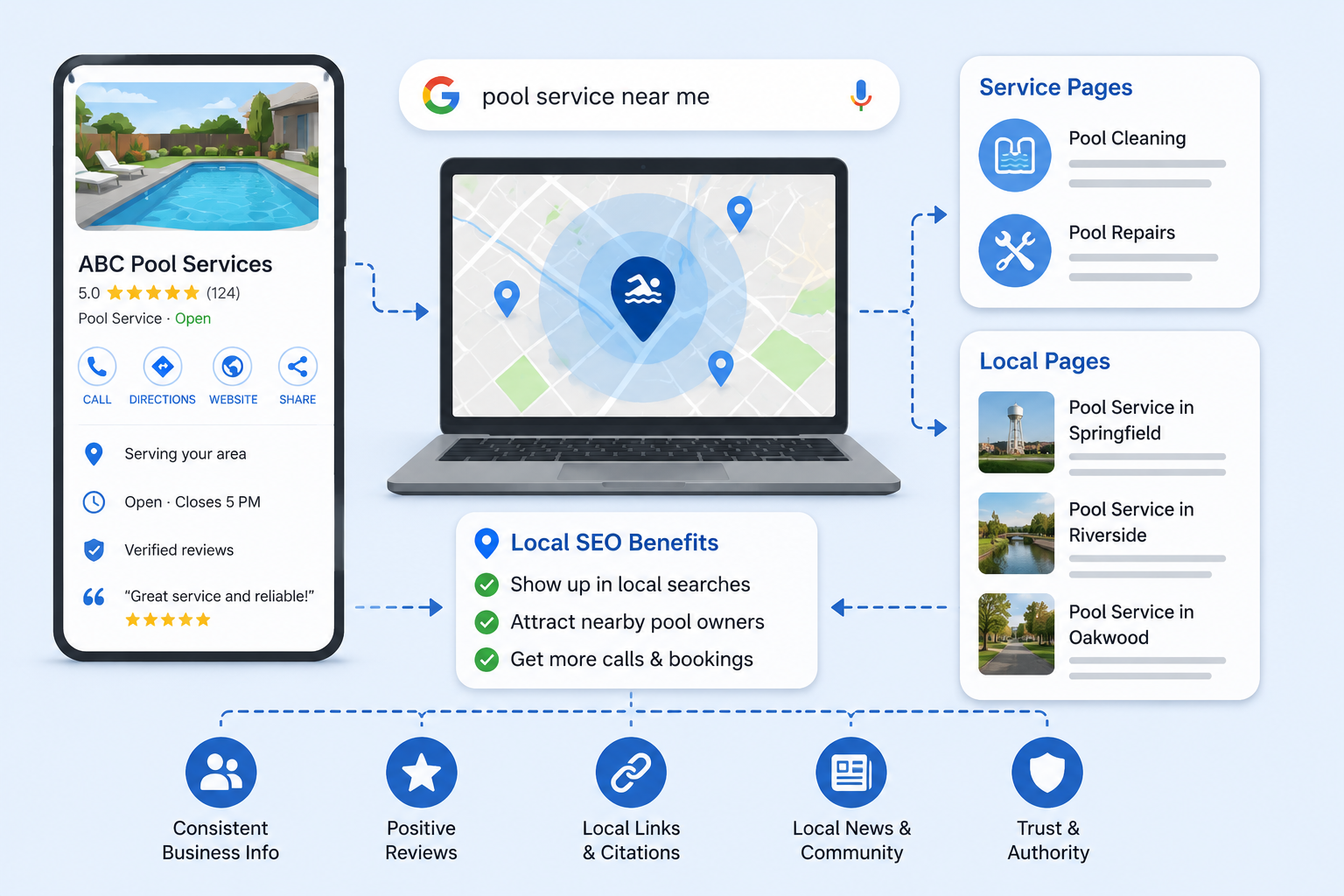
Local SEO for pool companies helps nearby users find you. It can support searches for care, repairs, and clean-ups. Good pages may bring leads long after ads stop. Create one strong page for each key service. A cleaning page should cover routine pool care needs. A repair page should cover faults and repair steps. This layout helps Google read each page with ease.
You may also build pages for key local zones. Each page must give true value for that place. Never copy one page and swap one town name.
A useful local page may include these parts:
Link each local page with its best service pages. A town page may link to cleaning and repair work. A repair page may link to gear care tips. Keep your brand facts the same on good local lists. Seek links from clubs, trade groups, and local news sites. These signs may support stronger pool service SEO over time.
Do not build scores of thin local pages. Thin pages waste time and offer weak user help. Build fewer pages with rich and true local facts.
Strong reviews can help users choose your pool care firm. They also give proof before your team takes a call. A set review plan works better than rare bursts. Ask for a review after a clear win. Good times include a clean pool or fixed pump. Make the task quick through text or email.
Use this five-step review plan:
Reply to good and bad reviews with care. Thank kind clients without pasting the same reply. Keep calm when a client shares a hard concern. Move private facts away from public review threads. Ask the client to speak by phone or email. This step can help solve the issue with care.
Never buy reviews or post fake words online. Do not block sad clients from the review path. Fair review rules build trust and safe long-term growth.
Paid ads can reach homeowners while they search for pool help. These leads often want quick answers and easy booking steps. Strong pool service advertising targets clear needs with clear messages.
Google Search Ads can target terms with strong buying intent. Useful terms include “pool repair” and “weekly pool cleaning.” Keep each service inside one focused campaign. Your ad should match the page shown after each click. A repair ad should lead to repair details and prices. This match can build trust and improve lead quality.
Track these points for every paid campaign:
Local Services Ads may also bring useful pool cleaning leads. Access and rules may change across services and areas. Check current access before making them your main channel.

Pool service social media marketing works best with strong visual proof. Pool work can create clear photos, clips, and short lessons. Helpful posts build trust before homeowners need paid service. Create content around real questions and common pool problems. Avoid making every post a hard sales message.
Useful social posts may include these ideas:
Choose platforms your team can manage with steady care. Strong weekly posts beat weak daily posts across many platforms. Use client images only after getting clear written consent.
Email marketing for pool service companies supports many useful campaigns. It works well for offers, lessons, and past client outreach. SMS works better for brief messages needing quick action.
Use email for these longer needs:
Use SMS for these shorter needs:
Follow all consent and opt-out rules in your market. Send fewer messages with clear value and useful timing. A pool service referral program can also bring trusted leads. Keep each reward easy to understand and simple to track. State when rewards apply and how clients receive them.
Useful rewards include account credit, service upgrades, or free add-ons. Avoid rewards that push clients toward false public praise.
Seasonal pool marketing should match current homeowner needs. Your plan should reflect local weather and service demand. Start campaigns before demand reaches its highest point.
Season stage | Main focus | Best channel | Main goal |
Early season | Openings and care plans | Email and paid search | New bookings |
Busy season | Repairs and cleanups | Search ads and SMS | Completed jobs |
Late season | Closings and checks | Email and direct mail | Added sales |
Slower months | Lessons and return offers | Social and email | Client return |
Early campaigns can promote openings, checks, and planned care packages. Busy periods may need repair ads and fast reply tools. Late campaigns can support closing work and equipment checks.
Warm regions may not follow a normal winter plan. Those firms can plan around storms or slower months. Review past sales before setting each new campaign date.
Good data shows which channels create real business results. Likes and views can help, but sales matter more. Track each lead until the final result becomes clear.
Metric | What it shows |
Cost per lead | Cost for each new inquiry |
Booking rate | Leads that become booked work |
Acquisition cost | Cost for each paying client |
Sales by source | Sales tied to each channel |
Return rate | Past clients who buy again |
Referral rate | Clients who send new buyers |
Review these numbers at least once each month. Compare lead counts with sales and completed job value. A cheap lead source may still bring poor results. Pool service marketing ROI should guide future spending choices. Support channels that bring sound and profitable work. Improve or stop channels that miss clear goals.
Strong pool service marketing needs focus, testing, and steady care. Paid ads can capture demand while social posts build trust. Email, SMS, and referrals can support timely client action. Seasonal plans keep each message tied to real needs.
Choose a few channels and give each one a goal. Track booked work, sales, and total campaign costs. Then move time and money toward proven results.
CausalFunnel can help improve lead paths and online sales. Visit CausalFunnel and explore smarter growth tools today.
Build a simple system that brings leads and tracks sales. Use paid search, social content, email, and client referrals. Test only a few channels during each campaign period. Keep methods that create steady and profitable booked work.
Start with one demand channel and one follow-up channel. Paid search can reach people already seeking pool help. Email can support offers and past client outreach. Add referrals when your service process feels stable.
Use paid search for services with strong and urgent demand. Promote clear offers through email and trusted local partners. Ask current clients to share your referral program. Reply fast because many homeowners call several companies.
Google Ads can work when campaigns target clear service needs. Each ad should match its page, offer, and search term. Track calls, bookings, and completed work from every campaign. Stop poor keywords before they drain your budget.
The right budget depends on goals and client value. Begin with an amount your company can track safely. Judge spending through booked work and final sales. Raise budgets after a channel shows steady value.
Start using our A/B test platform now and unlock the hidden potential of your website traffic. Your success begins with giving users the personalized experiences they want.
Start Your Free Trial

Empowering businesses to optimize their conversion funnels with AI-driven insights and automation. Turn traffic into sales with our advanced attribution platform.
Trusted by Customers


©CausalFunnel Inc. All rights reserved.