



Free Funnel Audit
Convert more customers today!
SEO
10 mins read

SEO
10 mins read
Many manufacturing companies believe big brands always rank higher in search results. That idea is outdated. Search engines no longer reward company size alone. They reward content that helps buyers make fast, confident decisions.
Manufacturing SEO works very differently from other industries. Your buyers are not browsing for ideas or inspiration. They are looking for a supplier who can deliver on time. They want clear answers, technical details, and proof of capability.
Smaller manufacturers often outrank larger competitors. The reason is simple. They understand the buyer needs better. They know the exact questions engineers ask before requesting a quote. This insight helps them create content that performs better in search.
Advanced manufacturing SEO targets buyers who are ready to choose a supplier. These buyers are comparing options and preparing to reach out. This approach works better than trying to attract everyone.
When you focus on buyer intent, rankings improve naturally. You attract fewer visitors, but better ones. These visitors turn into real leads. That is what drives growth.
Manufacturing buyers have unique needs. Engineers, buyers, and operations managers work under tight deadlines. They need facts, not marketing language. They want clear answers, not long stories.
Traditional SEO targets early research searches. Manufacturing SEO targets evaluation and decision searches. Buyers want specifications, limits, and certifications. They want to know if you meet their standards.
Your content must answer questions quickly and clearly. When it does, buyers stay longer on your site. Search engines notice this behavior and reward it.
Buyers trust proof more than promises. They want to know what you can produce consistently. They need to see your equipment and quality standards. They want confidence that you meet their requirements.
Pages that answer these questions rank better. Your content should help buyers decide fast. This saves time and builds trust immediately. Clear, structured pages increase engagement naturally. They also lead to more quote requests. Search engines reward this because users are satisfied.
Most manufacturing buyers search in three stages:
Advanced manufacturing SEO focuses on the last two stages. These buyers are ready to act. They spend more time on pages with clear technical answers.
High traffic alone does not grow a manufacturing business. What matters is attracting serious buyers. High-intent searches bring buyers ready to request quotes.
When you rank for fewer, targeted searches, results improve. Visitors stay longer and view more pages. They submit better inquiries that lead to real projects.
Search engines track this behavior closely. Helpful content gets rewarded with stronger rankings over time.
Large companies often publish generic content. It lacks detail and real answers. Smaller manufacturers understand real buyer problems. They know the limits, objections, and daily challenges buyers face. This knowledge leads to better content.Buyers trust companies that understand their needs. Trust leads to engagement, inquiries, and rankings.
This is how smaller teams outperform bigger competitors. Not with bigger budgets. But with better understanding.
Your manufacturing SEO should reduce buyer risk. Help visitors decide quickly if you’re a good fit.Share clear details about capabilities, standards, and timelines.
When buyers find answers fast, everyone benefits. They move forward with confidence. You get better leads. Search engines reward satisfied users. Always create content for buyers first.Answer questions honestly and clearly.This builds trust, authority, and long-term visibility.

Many manufacturing sites start SEO with keywords. This often leads to weak and confusing pages. Buyers cannot tell if the company fits.
Advanced Manufacturing SEO starts with buyer needs. Each page should solve one clear problem. Each page should answer one main question.
Pages built this way feel helpful. Buyers stay longer and read more. Search engines notice this behavior. Buyer-focused pages also reduce sales friction. Buyers arrive more informed and prepared. Sales teams receive better inquiries.
Blog content helps buyers learn concepts. Capability pages help buyers choose suppliers. Both matter, but they serve very different roles in Manufacturing SEO.
Capability pages should focus on one service or process. They must explain how the work is performed, what limits apply, and why the process is reliable. These pages directly support RFQ decisions.
Strong capability pages typically include:
Blogs should support capability pages, not compete with them. Educational articles should link naturally to service pages to guide buyers forward. This creates a clear buyer journey and strengthens internal linking signals for search engines.
Many manufacturing pages rank well but fail to generate inquiries. The reason is simple. They attract visitors but do not help buyers make a decision.
Advanced manufacturing SEO designs pages for RFQ readiness. Your pages should reduce uncertainty at every step. Explain expectations, requirements, and next steps clearly. When buyers know what happens after they reach out, hesitation drops.
RFQ-focused pages increase engagement naturally. Buyers feel guided, not sold to. They spend more time reviewing details and return less often to search results. Search engines read this behavior as a strong quality signal.
Well-designed RFQ pages also improve lead quality. Buyers submit clearer requests with fewer questions. Your sales team receives inquiries that are easier to evaluate and faster to quote.
Manufacturing buyers avoid risk by default. Before sharing project details, they need confidence in your capabilities. High-performing SEO pages answer RFQ questions upfront, including:
Providing this information builds trust early. It also filters out poor-fit inquiries. This saves time for both you and the buyer.
Pages that reduce uncertainty perform better in search. They fully satisfy buyer intent, which search engines reward.
You can build RFQ-focused pages internally, but it takes time. SEO professionals who understand manufacturing can speed up the process.
Example:
A CNC manufacturer worked with an SEO specialist to redesign RFQ pages. They added tolerance ranges, material limits, and a clear RFQ checklist. Within weeks, inquiry volume dropped slightly. But quote quality improved significantly. Sales closed deals faster with fewer revisions and follow-ups.
Professional guidance helps you avoid trial and error. You get pages designed for decisions, not just rankings.
Manufacturing buyers trust transparency over marketing language. Engineers want to understand how a process actually works. Procurement teams want proof that the process is repeatable and controlled.
Top-ranking manufacturing pages explain processes with operational clarity. They outline steps, controls, and limitations instead of using broad capability claims. This level of detail signals maturity and reduces perceived risk.
Process-driven content builds authority naturally. Buyers stay longer because they are validating fit. Search engines interpret this engagement as relevance and expertise. In advanced Manufacturing SEO, depth consistently outperforms volume.
Buyers want to picture the process. Clear steps reduce confusion and fear. They also show operational maturity.
Each process page should include:
Steps should follow real operations. Avoid skipping important details. Honest limits increase trust. This content helps buyers self-qualify. It saves time for both sides. Search engines reward this usefulness.
Weak pages avoid technical limits. Strong pages explain them clearly. This difference impacts rankings and conversions.
Buyers search for realistic capabilities. They want to know what is possible. They also want to know what is not.
Important details include:
Clearly stated constraints signal experience, not weakness. Search engines reward pages that set realistic expectations because they fully satisfy intent without ambiguity.
Comparison searches signal strong buying intent. Buyers compare methods, materials, or suppliers. These searches often convert well. Top-ranking pages address comparisons directly. They do not avoid competition discussions. They help buyers make informed choices.
SEO for manufacturing companies benefits from honesty. Clear comparisons reduce confusion and bounce rates. Search engines value this clarity. Comparison content positions your brand as helpful. It does not need to attack competitors. It should focus on use cases.
Buyers often compare manufacturing methods. They want to choose the right process. These pages attract high-intent searches.
Common comparison examples include:
Each comparison should explain:
Avoid pushing one option blindly. Explain when each method works best. Trust builds rankings and conversions.
Material selection is a major buyer concern. Engineers research materials before contacting suppliers. Good content answers these questions early.
Material comparison pages may cover:
This content helps buyers narrow choices. It reduces back-and-forth communication later. Search engines reward detailed, helpful pages.
Manufacturing buyers are skeptical by default. You ignore claims that lack proof. You trust evidence, consistency, and clear facts.
Top-ranking pages show proof clearly. They avoid exaggerated language. They let data and standards speak for you.
Authority signals improve both SEO and conversions. They reduce buyer hesitation. They increase time spent on your site. Advanced manufacturing SEO prioritizes credibility. Credibility strengthens rankings over time, even against larger brands.
Certifications matter in manufacturing searches. Buyers often include compliance terms when they search. Your pages should reference verified standards clearly.
Common certifications buyers look for include:
Do not list certifications without explanation. Explain what each standard means. Explain why it matters to the buyer.
This helps non-technical decision-makers understand value. It also improves keyword relevance naturally. Search engines trust pages that explain context clearly.
Quality control impacts supplier decisions heavily. Buyers want to avoid defects and delays. Clear explanations reduce perceived risk.
Quality-focused pages should explain:
Avoid generic quality statements. Specific processes build confidence. Confidence improves engagement signals.
Case studies help buyers visualize outcomes. They should focus on problems and solutions. Avoid aggressive selling language.
Strong case studies explain:
Results should be realistic. Avoid exaggerated performance claims. Honest stories rank better.
AI-driven SEO platforms help you use authority signals correctly. They analyze search intent, compliance terms, and buyer behavior at scale.
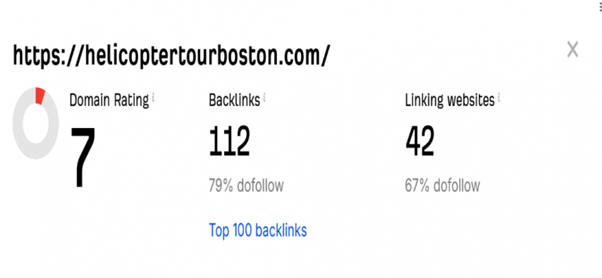
Case Study: Helicopter Tour Boston Domain Rating Increased from 7 to 15
Example:
An AI-driven SEO team audited a fabrication company’s pages. They identified missing certification context and unclear compliance language. The team added short explanations next to each standard. They aligned content with high-intent compliance searches.
Results followed quickly. Time on page increased. Unqualified leads dropped. Search visibility improved without adding fluff.
Professionals help you stay precise. They ensure your credibility signals match how buyers search and evaluate. This builds trust with users and search engines at the same time.
Manufacturing SEO does not succeed by attracting general interest. It succeeds by capturing searches made during supplier evaluation.
High-ranking competitors focus on buyer-intent terms tied to quoting, capacity, and readiness. These searches come from users who already understand their requirements and are narrowing options.
SEO for manufacturing companies performs best when content aligns with this decision stage. Pages that answer quote-related concerns clearly reduce return searches and increase conversion signals.
Buyers often search with intent words. These words signal readiness to act. Content should support these searches.
Common RFQ intent phrases include:
These terms should appear naturally within explanations, not as standalone phrases. Search engines now evaluate contextual relevance more than keyword placement.
Manufacturing buyers ask practical questions. They want fast, clear answers. Pages answering these questions rank well.
Useful buyer questions include:
Answer each question clearly. Avoid hiding answers behind forms. Transparency improves trust and rankings.
Calls to action should feel helpful. They should not interrupt learning. Timing matters more than placement.
Effective RFQ triggers include:
Avoid aggressive sales language. Use supportive, clear phrasing instead. Buyers respond better to clarity.
Internal linking improves SEO performance. It also helps buyers explore deeper. Most competitors underuse this advantage. Strong internal links guide user journeys. They reduce bounce rates. They improve page authority flow.
Manufacturing SEO benefits from logical structure. Each page should support the next step. Navigation should feel natural.
Service pages often lack depth. Process pages add credibility and detail. Linking both improves user understanding.
Examples of helpful links include:
These links answer buyer doubts. They also improve topical authority. Search engines reward this structure.
Avoid placing random links. Links should match reader intent. Context matters more than anchor text.
Good contextual links:
Avoid stuffing links unnaturally. Each link should serve a purpose. Quality beats quantity every time.
Hub pages organize related topics. They help buyers understand offerings quickly. They also improve crawl efficiency.
A strong hub page includes:
This structure helps users explore easily. It also strengthens Manufacturing SEO authority. Search engines favor organized content.
Manufacturing buyers value clarity. Visuals should explain complex ideas. Decoration adds little value.
Top-ranking pages use visuals wisely. They reduce cognitive load. They improve comprehension. SEO for manufacturing companies benefits from visuals. They increase time on page. They improve user satisfaction.
Process diagrams outperform stock images. They show real workflows. They build understanding quickly.
Helpful diagram examples include:
Keep diagrams simple and labeled clearly. Avoid unnecessary design elements. Function matters more than style.
Generic stock photos hurt credibility. Buyers want real equipment visuals. Annotations improve clarity.
Annotated images can show:
Use plain language labels. Avoid technical overload. Simple explanations work best.
Visual optimization supports SEO. It also improves page performance. Slow pages lose rankings.
Best practices include:
Alt text should describe the image clearly. Avoid stuffing keywords unnecessarily. Accessibility also improves rankings.
Not all buyers are ready to buy. Many are still learning. Educational content captures early interest. Competitors ranking long-term invest here. They build trust early. They stay top of mind.
Manufacturing SEO benefits from education. It increases branded searches later. It supports future conversions.
Some buyers lack technical backgrounds. They need simple explanations. Clear guides help them progress.
Beginner guides may cover:
Use simple language throughout. Avoid assuming technical knowledge. Clarity expands your audience.
Use cases connect theory to reality. Buyers understand value faster. Examples improve engagement.
Good use case content includes:
Avoid vague examples. Use real-world scenarios. Practical content ranks better.
Manufacturing SEO is not a one-time task. Search behavior changes often. Top pages improve through steady refinement.
Winning competitors track performance closely. They focus on useful metrics. They ignore vanity numbers.
High traffic does not equal high value. Qualified leads matter more. Metrics should reflect this goal.
Important metrics include:
These metrics show buyer intent strength. They also reveal content gaps. Data guides smarter decisions.
Buyers reveal needs through inquiries. These questions guide improvements. Good pages evolve continuously.
Ways to refresh content include:
Small updates improve rankings over time. Fresh content signals relevance. Search engines reward accuracy.
Not every page needs reinvention. Some pages already perform well. Scaling these brings faster results.
Scaling strategies include:
This approach reduces risk. It also saves time and resources. Manufacturing SEO grows through repetition of success.

Manufacturing SEO is not generic SEO. It requires technical accuracy, buyer insight, and compliance awareness. Mistakes cost visibility and lead quality.
SEO professionals who specialize in manufacturing understand how buyers search. They know which terms signal RFQ intent. They know how to structure pages for engineers and procurement teams.
Experienced teams help you avoid common pitfalls. They prevent over-optimization and vague claims. They ensure certifications, tolerances, and capabilities are explained correctly.
SEO professionals add another advantage. They analyze large data sets quickly. They identify gaps competitors miss. They adjust content based on real buyer behavior, not assumptions.
Advanced Manufacturing SEO rewards clarity, not noise. In today’s search landscape, big brands often lose ground because their content stays shallow high on volume, low on usefulness. Smaller manufacturing teams win by staying focused, specific, and honest about what they do well.
Simple language builds trust with engineers and procurement teams. Clear structure helps both buyers and search engines find the information that matters. When content answers real evaluation questions, capabilities, constraints, proof, and process it naturally earns better engagement, stronger rankings, and more qualified RFQs over time. Buyer-first content is not a shortcut; it is a long-term growth asset.
That said, manufacturing SEO becomes complex as scale increases. If your internal team struggles to map buyer intent, build RFQ-ready pages, structure content for AI search, or connect SEO performance to real sales outcomes, it may be time to seek professional support. The right help should not focus on traffic alone, but on improving lead quality, shortening sales cycles, and aligning search visibility with how your buyers actually choose vendors.
The real advantage comes from treating SEO as a precision growth system—not a content volume exercise. When clarity leads, rankings follow. When buyers are prioritized, sustainable growth becomes predictable.
Yes, you can outrank bigger brands. Search engines reward relevance and clarity. Smaller manufacturers win by answering buyer questions better and faster.
Traffic alone does not generate RFQs. Buyer intent shows how close someone is to making a decision. High-intent searches bring fewer visitors but stronger leads.
Yes, RFQ-focused pages perform better. They reduce buyer hesitation and increase engagement. Search engines reward pages that prepare buyers to act.
Yes, if you want faster and safer results. Manufacturing SEO requires technical accuracy and compliance knowledge. Professionals help you rank for searches that convert.
Start using our A/B test platform now and unlock the hidden potential of your website traffic. Your success begins with giving users the personalized experiences they want.
Start Your Free Trial

Empowering businesses to optimize their conversion funnels with AI-driven insights and automation. Turn traffic into sales with our advanced attribution platform.
Trusted by Customers


©CausalFunnel Inc. All rights reserved.