



Free Funnel Audit
Convert more customers today!
SEO
10 mins read

SEO
10 mins read
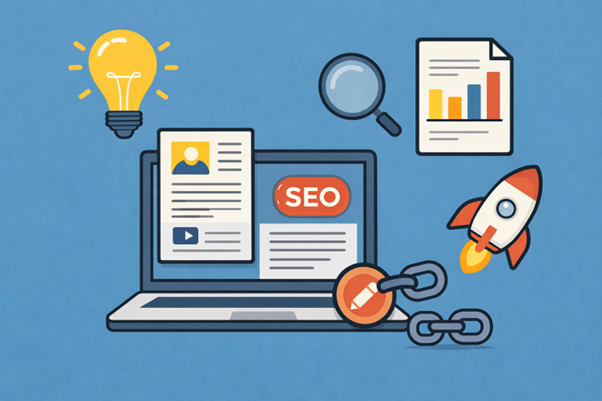
Many people ask if blogging still helps SEO today. Search engines are always being updated, and trends shift fast. Still, blogging remains a strong tool for growth when used with care. This guide explains how blogging boosts SEO and helps websites grow online.
CausalFunnel brings together thoughtful blogging and data-informed strategy to reach the right audience. Instead of focusing solely on traffic, we work on helping visitors take meaningful next steps, turning casual readers into engaged prospects.

Blogging still plays a major role in search success. Many people search daily for answers to their problems, steps, tips, and ideas. They want fast help, simple words, and clear guidance. A good blog delivers this in a friendly and honest way. Strong blogs also match what search engines want today. This includes helpful content, real expertise, and simple structure. Good posts also stay useful for a long time.
Fresh content also helps search engines understand your website. When you upload new blogs often, you show you care about your audience. Search engines notice this and may trust your site more. Blog posts also act as new entry points for visitors. Each helpful post brings new readers to your website.
People also like reading posts that solve real problems. Strong blogs build trust with readers who may return again. This helps your brand grow and stay visible.
Blogging brings many clear SEO benefits when done with purpose. A helpful blog supports site growth, builds trust, and attracts steady traffic. Each post becomes a new path for visitors to reach your website. Strong posts also help search engines understand the value you offer. When you publish useful content, you support your SEO goals in simple and effective ways. The sections below explain each major benefit in detail.
People search online with different goals. Some want answers. Others want steps. Some want to compare choices. Good blog posts help meet these needs with simple and clear content. When you cover different user intents, you help more people find your site. This increases your reach and builds trust with readers.
Blog posts also help you earn better click-through rates. This happens because posts allow creative and helpful titles. Clear titles make readers choose your link over others. Search engines notice when people click your page and stay longer. This can help you gain better ranking positions. Blogging also opens doors for special search placements.
Every blog post becomes its own landing page. This means every post gives search engines another door to your website. More helpful pages create more chances to appear in search results. Each post can target a unique question or topic. This helps you cover long-tail keywords users search daily. Long-tail topics bring steady traffic because they match natural user behavior.
Search engines also revisit websites that update often. When you publish new posts, you signal activity and care. This helps keep your website fresh in search systems. Fresh content can support stronger visibility over time.
These benefits make blogging a strong tool for long-term SEO success.
High-quality posts attract backlinks from other sites. Backlinks show search engines that your content is helpful and trustworthy. Good blogs offer ideas, clear steps, or useful data. People share posts that teach them something valuable. When others share your work, you gain stronger signals for SEO. These signals help your website build authority and trust.
Backlinks also bring referral traffic. Referral traffic supports your website by bringing new readers. Blogging helps build this natural link flow over time.
People trust websites that teach clearly and honestly. Blog posts help you show your knowledge in simple words. When you share useful steps or ideas, readers feel supported. Over time, they see you as a trusted source. This trust leads to better engagement and stronger relationships.
Search engines also look for signs of real expertise. They want content written with care and clear understanding. Good blogs include helpful examples, simple facts, and clear guidance. These signals support stronger visibility across search results.
Strong authority helps every part of your SEO strategy. Blogging is one of the easiest ways to build it naturally.

Good blogging requires clear steps and steady habits. When you follow simple best practices, you support your readers and your search goals. The ideas below help you plan content that feels helpful, honest, and easy to read. These steps also help each post perform better in search results. Strong SEO blogs focus on value, clarity, trust, and good user experience. These simple habits create long-term growth for your website.
Every strong blog post begins with user intent. User intent is the goal behind a search. When you understand what readers want, you can create content that feels useful. This supports your SEO and helps readers stay longer on the page. Clear content also helps visitors take the next simple step.
When you plan content from user intent, your posts feel helpful and focused. These posts also match natural search behavior, which supports long-term SEO results.
Good blogs need both quality and consistency. Readers want helpful content, but they also enjoy steady updates. The goal is not posting daily but posting strong content on a regular schedule. This helps search engines see your website as an active and useful resource.
Consistency helps readers trust your website. Quality helps them return again. Together, these habits support stronger visibility across search results.
On-page SEO plays a major role in blog performance. These simple steps help search engines understand your content. They also improve user experience by keeping posts organized and easy to scan. On-page SEO supports your goals without making the content feel forced.
These steps help readers scan content quickly. They also show search engines that your content is structured with care. This balance supports stronger engagement and visibility.
Technical SEO keeps your blog fast, clean, and easy to use. Readers stay longer when pages load fast and feel smooth. Search engines also reward websites with strong technical performance. Simple improvements can create big gains over time.
Good technical structure keeps your blog running smoothly. This helps both readers and search engines access your content with ease.
Readability is one of the most important parts of good blogging. Clear posts help readers understand your message fast. This keeps them engaged and encourages them to return. Simple words and short sentences help readers move through the content with ease.
These habits make your content more enjoyable. When readers enjoy your content, they stay longer and explore your website. This positive engagement supports search performance.
Images and visuals help people understand ideas faster. They add clarity and support more complex topics. Visuals also break large sections into simple pieces. This keeps readers engaged and reduces reading fatigue.
Use visuals when they add clear value. Avoid adding images only for decoration. Simple and helpful visuals support both readers and search systems.
Publishing a post is only the first step. Many strong blogs grow because they share content across several channels. Promotion helps you reach new readers who may not find you through search right away. Over time, this supports backlinks, engagement, and trust.
Promotion brings more attention to your work. This attention helps search engines notice your content faster. Strong distribution builds a steady flow of readers over time.
Updating old content keeps your website fresh and useful. Many users search for updated information online. When you refresh old posts, you improve accuracy and value. Search engines also reward websites that maintain content well.
Updates help your content remain relevant. This supports SEO and improves user trust in your website.
Many blogs struggle because they repeat simple mistakes. These mistakes weaken trust and lower search performance. Avoiding these issues helps your content stay strong and useful for readers. When you write with care, your blog becomes a clear resource. These habits help you keep your content helpful and more visible in search results.
Some writers add too many keywords in their posts. This makes content feel unnatural and hard to read. Search engines can also reduce visibility when content feels forced or unnatural. Keywords should appear only where they support clear meaning.
Natural writing always supports stronger long-term results.
Thin content includes posts with very little information. These posts provide almost no guidance or steps. Readers leave quickly because they gain nothing from them. Search engines notice when users leave fast, which hurts rankings.
Add real guidance in every post so readers feel supported.
Many writers skip simple on-page steps. Missing these steps weakens both user experience and search signals. Clear structure helps search engines understand your post better.
These small issues add up and reduce content strength.
Some blogs publish several posts at once and then stop for months. This creates gaps that hurt your long-term performance. A steady schedule builds trust with readers and search engines.
Consistency helps your content stay active and helpful.
Some blogs forget that real people read their posts. They write only for ranking goals, not reader needs. This creates content that feels dry or confusing.
User-focused writing always delivers stronger results.
Blogging is a long-term strategy. Results may not appear overnight, but consistent effort pays off. You can measure success using both qualitative and quantitative metrics. Understanding these metrics helps improve your posts and supports SEO growth.
One key measure is organic traffic. Watch how many people visit your blog from search engines. An increase shows that your posts are reaching the right audience. However, don’t focus only on numbers. Consider whether visitors engage with your content and find value.
Engagement metrics are also important. Track time on page, scroll depth, and bounce rates. High engagement signals that readers find your content helpful. Blogs that answer questions thoroughly tend to keep readers longer. This improves your SEO and builds trust simultaneously.
Another critical factor is keyword performance. Monitor which terms your posts rank for and how rankings change over time. Adjust content to target terms where your site has potential to rank higher. Blogging allows you to expand into long-tail keywords naturally, increasing reach steadily.
Backlinks and shares also indicate success. When other websites reference your blog, it shows your content is valuable. Social shares are another sign that your posts resonate with readers. Over time, these signals help improve authority and search rankings.
Finally, remember that blogging builds cumulative value. Each post adds to your website’s overall authority. Older posts can continue attracting traffic for months or years if updated periodically. Reviewing and refreshing content ensures your website remains relevant, helpful, and visible.
Tips to track success effectively:
By measuring these metrics, you can see how blogging helps SEO and guides readers. Blogging consistently builds trust, authority, and visibility, creating a lasting impact for your website.
Blogging remains an essential tool for SEO today. It helps capture user intent, target long-tail keywords, build authority, and improve visibility. Strong blogs provide real value to readers while signaling expertise to search engines. By following best practices, avoiding common mistakes, and tracking success over time, blogging becomes a sustainable and effective SEO strategy.
Every post you write has the potential to attract readers, earn backlinks, and support your website’s long-term growth. Focusing on helpful, clear, and consistent content ensures your blog remains a valuable asset for both users and search engines.
While blogging drives traffic and builds trust, converting that traffic into leads or customers is equally important. At CausalFunnel, we help businesses combine strong content strategies with data-driven marketing funnels. Our team ensures your blogs not only attract the right audience but also guide visitors toward meaningful actions.
Start turning your blog into a growth engine today. Contact CausalFunnel to optimize your content, improve SEO performance, and create measurable results for your business.
Lead generation for architects means helping the right people discover your firm. These people already have a real need for architectural services. The goal is to build trust early so the first conversation feels comfortable.
Yes, online lead generation works when it supports how clients research. Most people look online before they contact an architect. Helpful content and a clear website guide them during that early stage.
Lead generation rarely works overnight in architecture. Clients often take time to plan, budget, and compare options. With consistency, better inquiries usually appear within a few months.
Small firms benefit from simple and focused efforts. Clear messaging, helpful content, and referrals often work well together. These approaches build visibility without requiring large marketing budgets.
Start using our A/B test platform now and unlock the hidden potential of your website traffic. Your success begins with giving users the personalized experiences they want.
Start Your Free Trial

Empowering businesses to optimize their conversion funnels with AI-driven insights and automation. Turn traffic into sales with our advanced attribution platform.
Trusted by Customers


©CausalFunnel Inc. All rights reserved.