


Free Funnel Audit
Convert more customers today!
SEO
10 mins read

SEO
10 mins read

To increase customer lifetime value, you should help customers stay longer, buy more often, and cost less to serve. This may sound simple, yet many brands make the task far too complex. They launch broad reward plans or send constant sales emails. Then they wonder why repeat sales stay flat.
The right move depends on where customer value leaks today. A weak first month calls for better onboarding, while low repeat sales may need timely offers. On the other hand, high service costs may point to better self-help tools.
The 11 tactics below target those real gaps, linking each one to retention, spending, or profit.

Customer lifetime value, or CLV, estimates the profit one customer brings during the full relationship. It helps you judge what each customer is truly worth and guides your spending on ads, service, rewards, and retention.
This metric matters because the first sale tells only part of the story. A $40 buyer who returns ten times may beat a $200 buyer who never returns. That gap can shape your whole growth plan.
The best customer lifetime value formula depends on your sales model. A retail store and a subscription app should not use identical math. Their customers buy in very different ways.
For a retail or ecommerce business, use:
CLV = Average order value × Purchase frequency × Customer lifespan × Gross margin
Picture an online store with these figures in the current times:
The calculation is $50 × 4 × 3 × 0.40. That produces a profit-based CLV of $240. Without margin, the revenue-based value would be $600.
For a subscription business, use:
CLV = Average monthly revenue per customer × Gross margin ÷ Monthly churn rate
Suppose a software firm earns $80 per account each month. Its gross margin is 75%, while monthly churn is 3%. Its estimated CLV is $2,000 because $80 × 0.75 ÷ 0.03 equals $2,000.
These formulas are useful, but they are still estimates. Returns, discounts, service costs, and customer groups can change the result. Calculate CLV for separate customer groups when possible.
For example, paid-search buyers may act differently from referral customers. New buyers may also have a shorter lifespan than long-term members. One company-wide average can hide those gaps. A common CLV-to-CAC benchmark is about 3:1. That means customer value is three times the acquisition cost.
Before asking how to increase customer lifetime value, ask why it deserves attention. CLV affects far more than retention. It changes how much you can spend to win customers. A brand with low CLV must keep acquisition costs tight.
One poor ad month can wipe out its profit. Whereas, a brand with strong CLV has more room to test channels. It can also recover its acquisition cost over several purchases. Higher CLV can also make growth less stressful.
Revenue becomes less tied to a constant stream of strangers. Repeat buyers form a steadier base. That does not mean acquisition stops mattering. It means each new customer has more room to grow. You stop treating the first purchase as the finish line.
CLV also gives teams a shared goal which is that marketing brings in the right people. Sales sets fair expectations, and product delivers value, while support helps customers stay. Without that shared view, each team may chase its own score.
Marketing may celebrate cheap leads that never buy again. Sales may close poor-fit accounts that soon cancel and support may cut costs while customer frustration rises and CLV exposes those tradeoffs. That is why the reasons must come before the tactics.
Below you will find eleven tactics that are simple to implement but are proven to increase customer lifetime value for your business.
Most early churn is not a grand mystery. The customer never reached the point where the product proved useful. More guides and welcome emails will not always fix that.
First, find the customer’s activation moment. This is the first clear sign of real value. For a design tool, it may be exporting a finished file. For a meal service, it may be placing a second order. Then measure how long that moment takes. A customer who reaches value on day two should stay but someone still confused on day fourteen may quietly leave.
Focus on two jobs:
You should also send help based on customer progress, not just time. A generic day-three email may reach people at the wrong stage. A prompt tied to an unfinished task feels more useful. Remember, small changes can have a big effect. The goal is not to show every feature but to create one quick win.
Reactive support waits for a complaint while proactive success spots trouble before the customer asks for help. That timing can protect both trust and revenue. A busy support inbox does not show every at-risk account because many unhappy customers never open a ticket. They use the product less, ignore emails, and cancel.
You should also watch for signs that often come before churn. These may include fewer logins, missed setup steps, weak feature use, or a drop in orders. If you see any of these signs, set a clear trigger for outreach.
Make sure you do not send a vague “checking in” email. Mention the actual issue and tell the customer what you noticed and offer one useful next step. For example, a client may stop using a key report. A short note can offer a ten-minute setup call. That feels far better than a renewal pitch three months later.
Prioritize high-value and high-risk accounts first. Smaller teams cannot contact everyone by hand. A simple risk score helps them spend time where it counts. The best outreach feels like care, not surveillance. Use only relevant data and explain the benefit as trust remains part of the sale.
Collecting feedback is not the real tactic, but acting on it is. Surveys can reveal the real numbers and issues, but silence after the survey creates doubt. Customers may feel their answers vanished into a spreadsheet which can make future feedback less honest.
Group comments by issue, customer value, and frequency and fix urgent problems first. Then tell affected customers what changed. The message can be short. “You asked for saved filters. They are now live.” That one line proves someone listened.
Not every request should become a feature. Some ideas serve only a tiny group while others conflict with the product’s core goal. Still, every serious request deserves a response. Explain whether the team will fix it, study it, or decline it. A clear “no” often builds more trust than months of silence.
Would a customer feel heard after your current survey process? If the answer is unclear, the loop stays open and open loops weaken loyalty.
A loyalty program can raise repeat sales. It can also become an expensive discount club. The difference lies in customer behavior. Do not judge success by signups alone. People join free programs with little thought. The key question is whether members buy more often, stay longer, or spend more.
Start with a small test group where you compare members with similar nonmembers over several months. Track purchase rate, order value, margin, and reward costs. Rewards should support profitable actions. A free product after ten orders may work well. However, a large discount on every order may train people to reject full prices.
Keep the rules easy to grasp because customers should know what they earned and how to use it. Hidden limits create more anger than loyalty.
Useful reward options may include:
Watch for reward debt as well. A program can look cheap until thousands of points become due. Finance teams should model those costs before launch. This is when a good loyalty program changes future behavior. It does not pay customers for purchases they already planned.
You can use customer actions to guide offers. But remember, a first name in an email subject is not real personalization anymore. Most people can spot that rule at once. It’s the behavior that tells you far more than age or location alone. It shows what someone viewed, bought, skipped, or used. Those signals reveal current intent.
An outdoor store might group buyers by recent interests while a customer who views tents needs different help from someone buying trail shoes. Sending both the same coupon wastes useful data.
Therefore, start with a few clear groups as too many segments create slow work and messy reports. Broad but useful groups often perform better.
Good behavior-based segments may include:
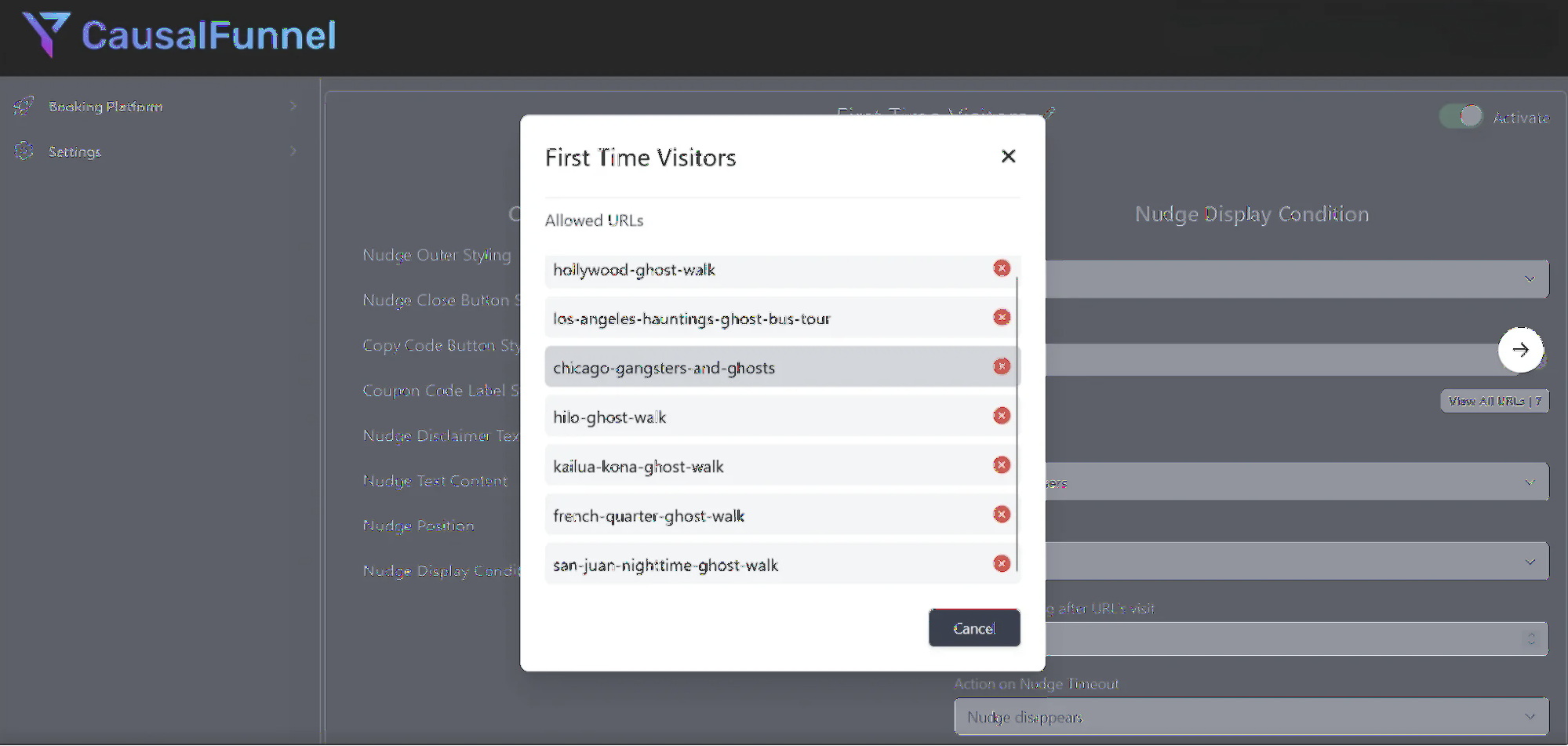
CausalFunnel offers AI-based customer lifetime value tools that help identify high-value users and retention opportunities. Its platform also supports behavioral targeting and tailored website experiences. These tools can help teams act on customer signals instead of broad guesses. CausalFunnel’s CLV model focuses on predicting value and improving retention.
Personalization should still feel helpful which is why you should avoid showing how much private data you hold. Recommend the next logical step, then let the customer choose.
An upsell can help or annoy while timing often decides which response you get. A quarterly sales email follows your calendar while a milestone offer follows the customer’s needs. Wait until the customer has gained clear value. Then offer a product that removes a new limit or supports the next goal. The offer should solve a visible problem.
Strong timing signals include:
Do not push an upgrade during a complaint because even a good offer can feel tone-deaf then. It’s always best to fix the problem first. Cross-sells need the same care for which you should suggest items that work with the first purchase. Random product blocks can lower trust. The goal is not to squeeze more from each order. It is to help customers take the next useful step.
Annual billing can raise CLV without raising the monthly rate. It removes twelve separate chances to reconsider the purchase. It also gives the business steadier cash flow. Suppose a service costs $40 each month. Its annual total is $480. An annual plan priced at $432 gives a 10% discount.
The business collects cash sooner while the customer saves $48. Both sides gain something clear. Still, annual billing should not trap unhappy users. Offer it after the value is clear. Asking for a full-year pledge during an uncertain trial creates doubt.
Show the math in plain terms. State the total price, savings, renewal date, and cancellation rules. Monthly plans should remain open for customers who need flexibility. Also, a freelancer may prefer low commitment while a larger team may value easier yearly planning.
Test the annual offer at sensible moments. Good options include the second successful month, a renewal call, or a clear product win. Annual billing works best when retention is already sound as it cannot hide weak values for long.
Price changes can increase CLV quickly. They can also drive away the customers you most want to keep. Therefore, the rollout matters as much as the new rate. Start by checking the value customers receive today.
If the case is weak, improve the offer first as customers will not accept “our costs went up” as the only benefit. They care about their own result. Therefore, test new pricing with new customers before changing old plans. This shows whether demand holds at the higher rate. It also lowers the risk of a broad shock.
Also, grandfathering can protect existing relationships. This means long-term customers keep their current price for a set time and new buyers pay the updated rate. If old prices cannot stay, give clear notice. Remember to explain the change, the date, and the added value and offer a real choice, such as annual billing or a smaller plan.
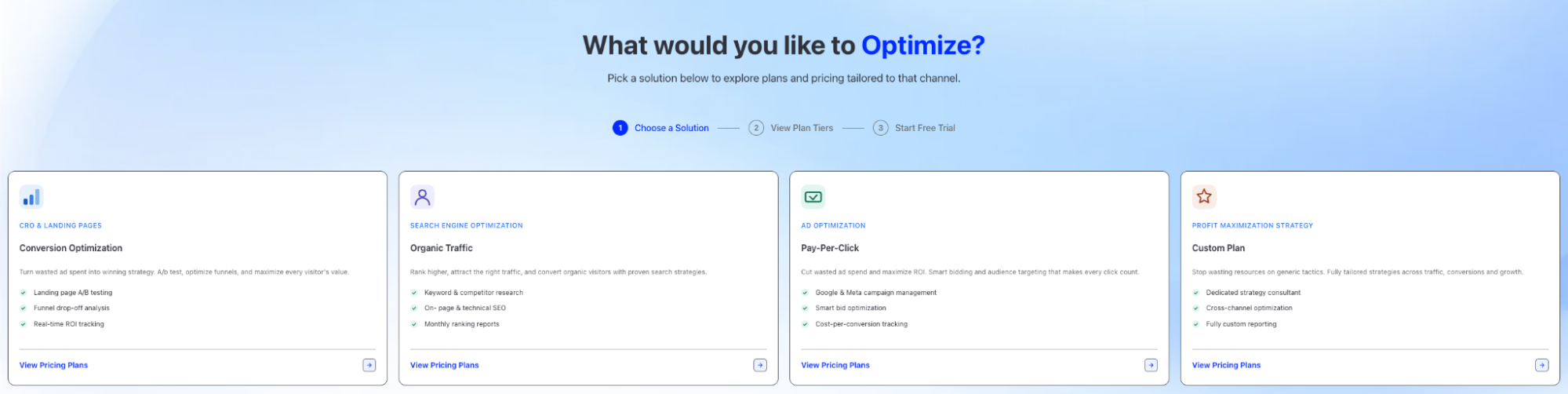
CausalFunnel provides code-free A/B testing, pricing tests, funnel analysis, heatmaps, and real-time performance tracking. These services can help brands test pricing pages before a full rollout. Its listed plans also support product, shipping, and checkout tests at higher tiers. CausalFunnel’s pricing page outlines those options.
CLV is a profit measure, not just a revenue score. A customer becomes more valuable when service costs fall. Their spending does not need to change. Self-service can cut routine work without lowering care. The key is solving simple issues fast. It should not block customers who need a person.
Start with the questions customers ask each week. Build short help pages, checklists, videos, or in-product hints around them. Use the same words customers use and search terms inside the help center reveal gaps. A failed search means someone tried to solve a problem and found nothing. So, review those searches each month.
Keep human support open for complex or urgent cases. A billing dispute should not end in a chatbot loop nor should a data-loss issue. The aim is not to remove staff but to free staff from repeat tasks. They can then spend more time on work that needs care and judgment.
Track resolution rate and customer satisfaction together. Lower cost with worse outcomes is a false win which may raise churn later.
Some subscription churn is not a choice. A card expires, a bank blocks a charge, or an address fails validation. Then a good customer disappears by mistake. That is a billing flaw, not a loyalty problem.
To rectify this flaw, set smart retries for failed charges. One retry a few days later may succeed after a short bank issue. Therefore, you should avoid retrying so often that it feels aggressive. You should also send clear payment notices before and after failure. State what happened, what needs updating, and when access may stop and link customers to a secure update page.
Account-updater services can refresh some expired card details. On the other hand, grace periods can also prevent sudden service loss. Both steps reduce needless friction. You can use a different tone from collection emails as the customer may have no idea the charge failed.
Measure failed-payment recovery at its own rate. Do not bury it within general churn because you need to know whether customers leave by choice or by accident. This tactic often pays back fast and saves revenue without finding a new customer or selling an upgrade.
The best CLV tactic depends on your weakest number. A SaaS firm with high churn has different needs than a retail store. Therefore, copying the same plan can waste a full quarter.
Start with one customer group and calculate its order value, purchase rate, lifespan, margin, and churn and find the weakest part. Then pick only two tactics as a smaller test makes the result easier to read.
You can use this guide to choose your starting point:
| Business situation | Start with these tactics | Why they fit |
| Subscription business with early churn | Onboarding and proactive success | Customers need faster value and timely help. |
| Ecommerce brand with few repeat sales | Loyalty and behavior-based offers | Both tactics give buyers a reason to return. |
| Healthy retention but flat account revenue | Triggered upsells and careful repricing | These tactics increase spend from satisfied customers. |
| High service costs | Self-service and payment recovery | Both protect profit without relying on new sales. |
| Strong product with weak renewals | Annual billing and feedback follow-up | These steps reduce cancel points and expose hidden concerns. |
Set one main measure before the test begins which could be 90-day retention, repeat purchase rate, average order value, or profit-based CLV. Remember to keep the measure tied to the tactic. Also set a guardrail. For example, watch refund rates during an upsell test and track support complaints during a self-service launch.
CausalFunnel combines CLV prediction with conversion testing, customer segmentation, landing-page tools, and funnel drop-off analysis. Businesses can use these services to find high-value groups and test changes with real visitors. That is far safer than rolling out every idea based on instinct alone.
You should review the result after 90 days as some retail firms may need more time due to longer buying cycles. Use a period that includes at least one realistic chance to repurchase. If the result improves, expand the test. If it fails, inspect the customer group, offer, and timing.
A good CLV plan can fail through weak execution. The math may be correct while the customer treatment feels wrong. That is why guardrails matter.
The first mistake is chasing revenue without checking margin. A large discount may raise order value but lower profit. Revenue-based CLV can hide that loss.
The second mistake is treating every customer alike. Some groups cost more to serve. Others stay longer or refer more buyers.
The third mistake is pushing offers too early. A new customer still learning the product does not need three upgrades. They need proof that the first purchase was wise.
Watch for these other issues:
Do not confuse a loyal customer with a silent customer. Some people stay because switching feels hard. That is weak loyalty and can break fast.
Most businesses should not expect a clear CLV shift in one week. Customer value grows over time. The test period must match the normal buying cycle.
A subscription app may spot early retention changes within 30 to 90 days. A grocery brand may see repeat orders sooner. A home services firm may need a year because customers buy less often.
Use leading signs while waiting for full CLV data. Activation rates, repeat visits, product use, and renewal intent can show movement. They are not final proof, but they offer direction.
Do not change the test each week. Constant edits make the result hard to trust. Give the plan enough time to produce a fair signal.
Still, do not wait a year to catch obvious harm. Rising complaints, refunds, and cancellations require quick action. Guardrails should trigger a review.
CLV work needs patience, not blind faith.
Learning how to increase customer lifetime value does not mean launching all the given tactics. It’s how you pick two that match the clearest leak, set one main measure and one safety check.
Then review CLV again after a fair test period. Keep what helps, refine what shows promise, and drop what harms trust. The strongest customer relationships rarely come from one flashy campaign. They grow through useful moments repeated over time.
Customer lifetime value estimates the profit a customer creates throughout their relationship with a business. It includes spending, purchase frequency, retention, margins, and service costs.
CLV helps businesses set acquisition budgets and find profitable customer groups. It also guides decisions about retention, pricing, support, rewards, and personalized marketing.
Multiply average order value by purchase frequency, customer lifespan, and gross margin. Subscription businesses can divide monthly profit per customer by the monthly churn rate.
Start by fixing early customer churn. Better onboarding, quick support, and failed-payment recovery can often improve retention without needing large discounts or expensive reward programs.
A good CLV varies by industry, margins, and acquisition costs. Many businesses aim for a CLV-to-CAC ratio near 3:1, but it is only a general benchmark.
Ecommerce brands can improve CLV through useful loyalty rewards, refill reminders, product bundles, personalized suggestions, strong post-purchase care, and well-timed repeat-purchase offers.
Start using our A/B test platform now and unlock the hidden potential of your website traffic. Your success begins with giving users the personalized experiences they want.
Start Your Free Trial

Empowering businesses to optimize their conversion funnels with AI-driven insights and automation. Turn traffic into sales with our advanced attribution platform.
Trusted by Customers


©CausalFunnel Inc. All rights reserved.