



Free Funnel Audit
Convert more customers today!
SEO
10 mins read

SEO
10 mins read
If you’ve been working on ads to improve conversions, you’ll know how frustrating it can be when it comes to low conversions. The reason behind this is simple: you keep spending on ads every month, but when it comes to getting conversions, you see that the numbers are very low. Many businesses struggle to turn visitors into paying customers after the first click.
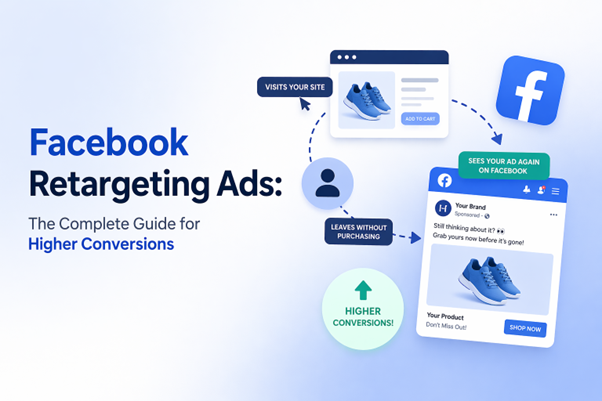
This is when Facebook Retargeting Ads come into play. Facebook retargeting ads bring back people who already showed interest and push them to convert.
These ads focus on users who visited your website, viewed products, or engaged with your content earlier. Instead of starting from scratch, you reconnect with warm audiences who already know your brand.
This guide exactly talks about converting visitors into leads by walking you through setup, strategy, and real optimization steps so you stop wasting ad spend and start closing more sales.
Facebook retargeting ads are ads shown to people who have already interacted with your brand. These users may have visited your website, clicked an ad, watched a video, or engaged with your social posts.
Here, you don’t target new users, instead these ads focus on people and visitors who have already visited your website or product and already shown interest. This makes retargeting ads on Facebook more effective than cold campaigns.
For example, someone visits your product page but leaves without buying anything. Later, they see your ad again while scrolling through Facebook or Instagram. This is a reminder to them that they may have left something behind. This also increases the chances of conversion.
You can retarget:
The goal is to bring warm users back and convert them into paying customers.
At first glance, this may feel very technical, and you might wonder how this thing will even work. But the flow is actually very simple.
Facebook retargeting ads work by tracking user behavior and then showing ads based on that behavior. It follows a clear step-by-step flow that connects user actions with ad delivery.
Here is how it happens step by step:
A user visits your website → The Meta Pixel tracks their actions → Facebook stores that data
→ You create a custom audience → Ads are shown to that audience later
Let’s explain it a bit now.
The Meta Pixel is a small code on your website that tracks actions like page views, add-to-cart events, and purchases. This data helps Facebook understand user intent.
Once enough data is collected, you can create custom audiences. For example, “people who visited the pricing page in the last 30 days.” So, here you categorize people into different groups, that is users who viewed a product are placed in one audience. Users who added items to the cart form another group.
You can then show different ads to each group based on their intent. This makes your ads more relevant and increases the chances of conversion.
This is also a great strategy because visitors already know you, meaning that they are more likely to click and convert.
If you have ever wondered, “Do these ads really work?” the short answer is yes. And there are clear reasons behind it.
Facebook retargeting ads work well because they target users who already know your brand. These users are not cold leads. They already showed interest earlier.
When you show ads again, you remind them to complete their action. This simple reminder often leads to higher conversions and better engagement.
Warm audiences convert better because they already trust you at some level.
Cold ads might convert at 1-2%, but retargeting ads often convert much higher. Sometimes even 5-10%, depending on your offer.
You spend less to convert someone who already knows you.
Instead of paying to educate a new user, you remind an existing one. That lowers your cost per acquisition.
These ads allow you to show highly relevant messages based on user actions. This makes your ads feel more personal and timely.
You can target based on exact actions:
This level of targeting makes your messaging more relevant. And relevant ads convert better.
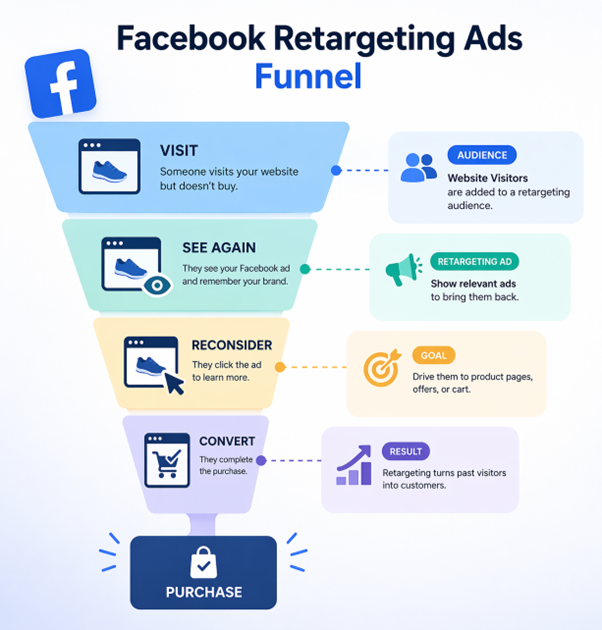
Most people run retargeting ads incorrectly by showing the same ad to everyone. In the end, you realize that this tactic rarely works. You need to match your ads with the user’s stage in the funnel.
These are users who barely know you. They have shown light interest but are not ready to buy yet.
Examples:
Your goal here is to build trust.
Messaging ideas you can use:
These users are interested but not convinced and are actively exploring your product or service.
Examples:
Your goal is to remove doubt.
Messaging ideas to use:
These users are very close to buying but need a final push. They already showed strong buying signals.
Examples:
Your goal is to push them over the edge.
Messaging ideas to use:
If you treat all users the same, you lose conversions. But when you align messaging with intent, results improve fast.
While setting up Facebook retargeting ads may look a bit complicated, it is absolutely not. If you follow each step carefully, you can launch campaigns quickly and effectively.
The Meta Pixel is the foundation of Facebook retargeting ads. It tracks user actions on your website. Without it, you cannot retarget effectively.
To set it up:
If you use platforms like Shopify or WordPress, this is usually simple.
Now you need to define who you want to retarget. Custom audiences allow you to group users based on their actions. This helps you target the right people with the right ads.
You can create audiences like:
The more specific your audience, the better your results.
Not all users behave the same. When you segment your audience, you send more relevant messages. Therefore, try not to group them together.
Segment by:
For example, someone who visited yesterday is more valuable than someone from 90 days ago.
Now it is time to build your campaign inside Facebook Ads Manager. Choose an objective that matches your goal.
Choose:
Keep your message aligned with user intent.
Start with a small budget and test your ads first. This helps you understand what works before scaling.
Bottom funnel ads usually deserve more budget.
This is where most campaigns fail. People set ads and forget them. But tracking performance is key to improving your results over time. Always review your campaign data regularly.
Track key metrics:
Make changes based on data.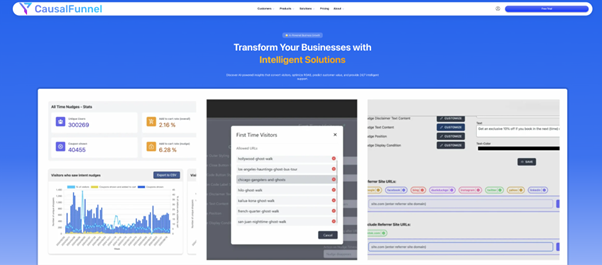
If this feels overwhelming, platforms like CausalFunnel can help. It uses AI to map user intent and improve targeting accuracy, which often leads to better conversions without guesswork.
Using the right strategies can improve the performance of your campaigns quickly. These methods focus on user intent and timely messaging.
These ads automatically show products that users viewed. No manual setup for each product. It scales easily.
Remind users what they already liked. This works especially well for eCommerce brands.
Sometimes users just need a small push. A 10% discount or free shipping can close the deal.
Video builds trust faster than images. Retarget people who watched your videos and move them deeper into the funnel.
Strong creatives can make or break your retargeting campaigns. Even the best audience will not convert with weak messaging.
Your ads should feel relevant, simple, and easy to understand. Focus on clarity instead of trying to be overly creative.
Here are formats that work well:
Keep your visuals clean and focused on one main message. Avoid clutter and too much text in one ad.
Also, match your creativity to the funnel stage. A user in the awareness stage needs education. A user in the conversion stage needs urgency.
Testing different creatives regularly will help you find what works best. Small changes can lead to big improvements over time.
Many campaigns fail because of simple mistakes that are easy to fix. Avoiding these errors can improve performance quickly.
Watch out for these:
When you target everyone, your message becomes less relevant. This lowers engagement and reduces conversions.
Showing ads too often can annoy users and lead to ad fatigue. This can increase costs and reduce performance over time. This can also make users ignore your message. Fresh creatives keep your campaigns engaging and effective.
Segmenting your audience helps you deliver the right message at each stage. This improves both user experience and results.
A strong copy with a clear call to action is also very important. Users should know exactly what to do next.
Recent iOS updates changed how user data is tracked across apps and websites. This has impacted how Facebook retargeting ads perform today.
Many users now limit tracking, which reduces available audience data. This makes retargeting less precise than before.
You may notice:
Because of these changes, relying only on pixel data is not enough anymore. You need to combine multiple data sources. Building your own audience through email and website interactions is now more important than ever.
Despite these challenges, retargeting still works very well when done correctly. You just need to adapt your strategy and focus on better data collection.
Focus on:
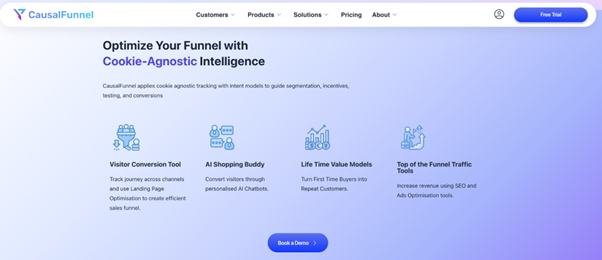
This is where platforms like CausalFunnel stand out. Their cookie-less tracking and intent mapping help you understand users even with limited data, making your retargeting more reliable.
Optimization helps you get better results without increasing your budget. This is also when small changes can improve performance over time.
All you have to do is focus on testing, tracking, and improving your campaigns regularly. This keeps your ads relevant and effective.
Here are practical ways to improve results:
A/B testing helps you understand what works best for your audience. Even small changes can improve click rates.
Managing frequency ensures users do not feel overwhelmed by repeated ads. This keeps engagement high and costs low.
Scaling budgets should be done carefully based on performance data. Sudden increases can affect campaign stability.
Refreshing creatives keep your ads fresh and engaging. New visuals can bring back user attention quickly.
Facebook retargeting ads work best when you show the right message to the right person at the right time. It is not just about showing ads again, but about understanding intent and responding to it.
When you combine proper audience segmentation, strong creatives, and consistent optimization, results improve fast. Most people quit too early because they do not see instant results. But the real wins come when you refine your approach step by step.
So the real question is not whether Facebook retargeting ads work. It is whether you are using them the right way to bring your visitors back and turn them into customers.
You can start small. Even $5-$10 per day works. Scale as you see results.
Most businesses use 7 to 30 days. High-ticket products may need longer windows
Yes. Despite privacy changes, they remain one of the highest ROI strategies.
Aim for 3-7 impressions per user per week. Too high leads to fatigue.
They are often used interchangeably. Retargeting usually refers to paid ads, while remarketing can include email follow-ups.
Start using our A/B test platform now and unlock the hidden potential of your website traffic. Your success begins with giving users the personalized experiences they want.
Start Your Free Trial

Empowering businesses to optimize their conversion funnels with AI-driven insights and automation. Turn traffic into sales with our advanced attribution platform.
Trusted by Customers


©CausalFunnel Inc. All rights reserved.