


Free Funnel Audit
Convert more customers today!
SEO
10 mins read

SEO
10 mins read
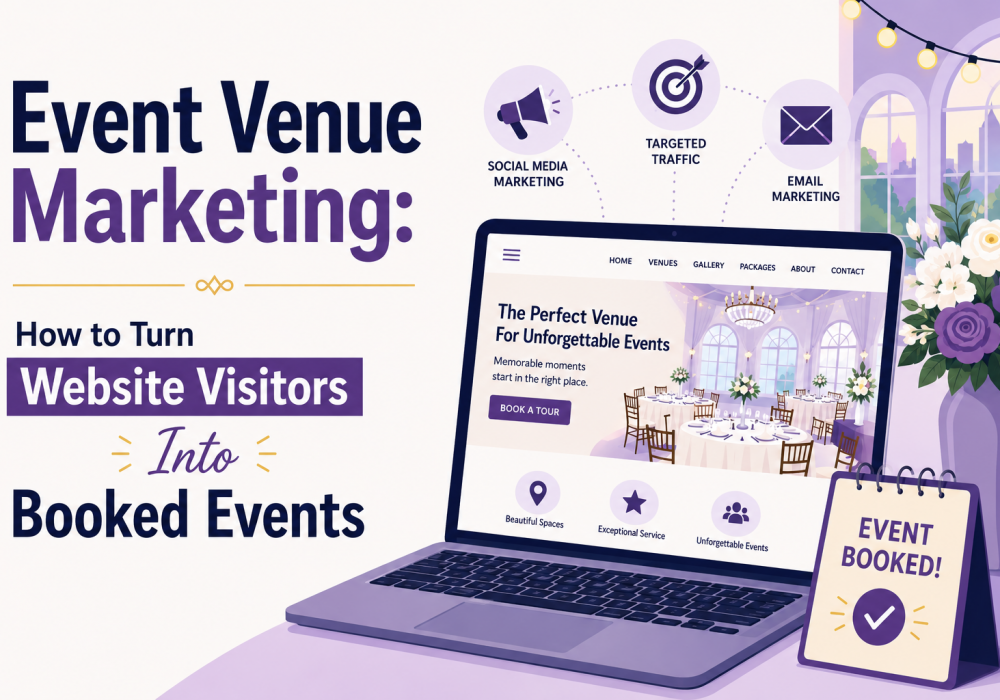
Think about the last time you were looking to book a hotel or restaurant. Did you stay on a slow website? Probably not. Event planners think the same way. They compare several venues within minutes and choose the ones that feel easier to work with.
Event venue marketing works when your website does more than attract visitors. It should earn trust, answer questions, and guide people to book a tour or sign a contract.
A great venue can still have an empty calendar. They invest in stunning photos, post on social media, and even run ads. Yet they don’t get many enquiries, and the problem often starts after someone lands on the website. Visitors cannot find pricing, forms feel too long, and replies take days. Eventually, the prospects leave and book somewhere else.
This guide explains how to attract the right visitors, keep them engaged, and turn interest into real bookings.
Event venue marketing is the process of promoting a venue so that different customers choose it for different occasions throughout the year. While this may sound quite simple, it is very different from marketing a single event.
Every event is different. For example, a concert ends after one night. But still, a venue keeps selling the same space again and again. A wedding couple may visit the same venue in spring. A corporate planner may tour the same ballroom in the fall. The walls never change, but the message does.
That is why successful venue owners speak to different audiences without changing their identity. They also help each visitor picture their event inside the space.
A beautiful website alone will not fill your calendar.
Many venue websites feel like online brochures. They look nice, show galleries, and tell a story. Yet visitors still leave without contacting anyone. Why? Because the site never answers the questions people actually have.
Most visitors think about practical things first. These are usually:
They should not have to hunt for those answers.
Imagine a couple planning a wedding after work. They already visited three websites. Yours becomes the fourth. If they must click through several menus just to ask one question, it’s obvious that they’ll get frustrated and, in no time, another venue gets the inquiry.
The best venue websites remove any confusion and frustration instead of adding it. Every page should move visitors one step closer to contacting you.
Another common mistake is hiding the inquiry form. Some venues place it deep inside the website. On the other hand, others ask visitors to complete ten or twelve fields before submitting. That feels like paperwork, not customer service.
Make sure to keep things simple.
Ask only for the details needed to begin the conversation. Everything else can wait until the first call or venue tour.
Clear calls to action also matter. Visitors should never wonder what happens next. Buttons like “Check Availability,” “Schedule a Tour,” or “Request Pricing” work because they answer the next question naturally.
People also appreciate honesty. If response times usually take one business day, say so. If weekend appointments fill quickly, explain that. Setting expectations builds trust before anyone speaks with your team.
A strong venue website should always include:
Many venue owners spend thousands redesigning their homepage while ignoring conversion problems. A simpler form and faster replies often generate more bookings than another photo gallery.
Businesses that want help improving user journeys, conversion rates, and SEO often work with agencies like CausalFunnel, whose services include SEO, conversion rate optimization, AI-driven marketing, and website optimization designed to turn more visitors into qualified leads.
Google Business Profile remains free and is still one of the fastest ways for a venue to appear in local searches.
Think about someone searching “corporate event venue in Dallas” or “wedding venue near Nashville.” That person rarely scrolls through ten websites. Instead, they compare the first few businesses shown on Google Maps.
The first thing that catches their eyes is the reviews. Fresh photos come next, and then they visit one or two websites. That means your local presence starts before someone reaches your homepage.
Location pages also play an important role. Instead of saying “beautiful event venue,” mention the actual city and nearby landmarks naturally. Search engines understand those local signals. More importantly, visitors know they found the right place.
Reviews matter just as much. After every successful event, ask guests or organizers to leave an honest review. Then reply to every review, even the short ones. This is because active profiles send stronger trust signals than abandoned ones.
Start with these steps:
Local SEO takes patience. Still, it often brings the highest-quality visitors because those people are already looking for a venue nearby.
Most venues treat social media like a photo album. That approach rarely brings steady bookings. Instead, every post should help someone imagine hosting their own event inside your venue.
Empty rooms often perform better than crowded celebrations. But why? Because an empty ballroom lets viewers picture their own wedding, fundraiser, or company dinner. They mentally move into space.
Short videos work especially well. Show how staff prepares the room by filming a quick walk from the entrance to the reception area. Capture sunset lighting through large windows as those simple moments answer questions before visitors even ask them.
Behind-the-scenes content also builds confidence. People enjoy seeing tables being arranged, flowers arriving, or chefs preparing meals. It proves the venue stays busy while showing attention to detail.
Remember, consistency matters more than volume. Posting three thoughtful updates each week often beats posting random content every day.
Many inquiries never disappear because of the price. They disappear because life gets busy. Someone plans a birthday party during lunch. Then work takes over, and the email sits unopened for days. That does not mean they lost interest. They just didn’t get the time to go through it.
To keep in touch, send emails based on where people are in the buying journey. Someone who downloaded a pricing guide needs different information than someone who toured last week. Generic newsletters rarely solve unanswered questions.
Instead, follow up with helpful content. Share setup ideas for different guest counts. Explain seasonal booking trends and highlight available dates if weekends begin filling.
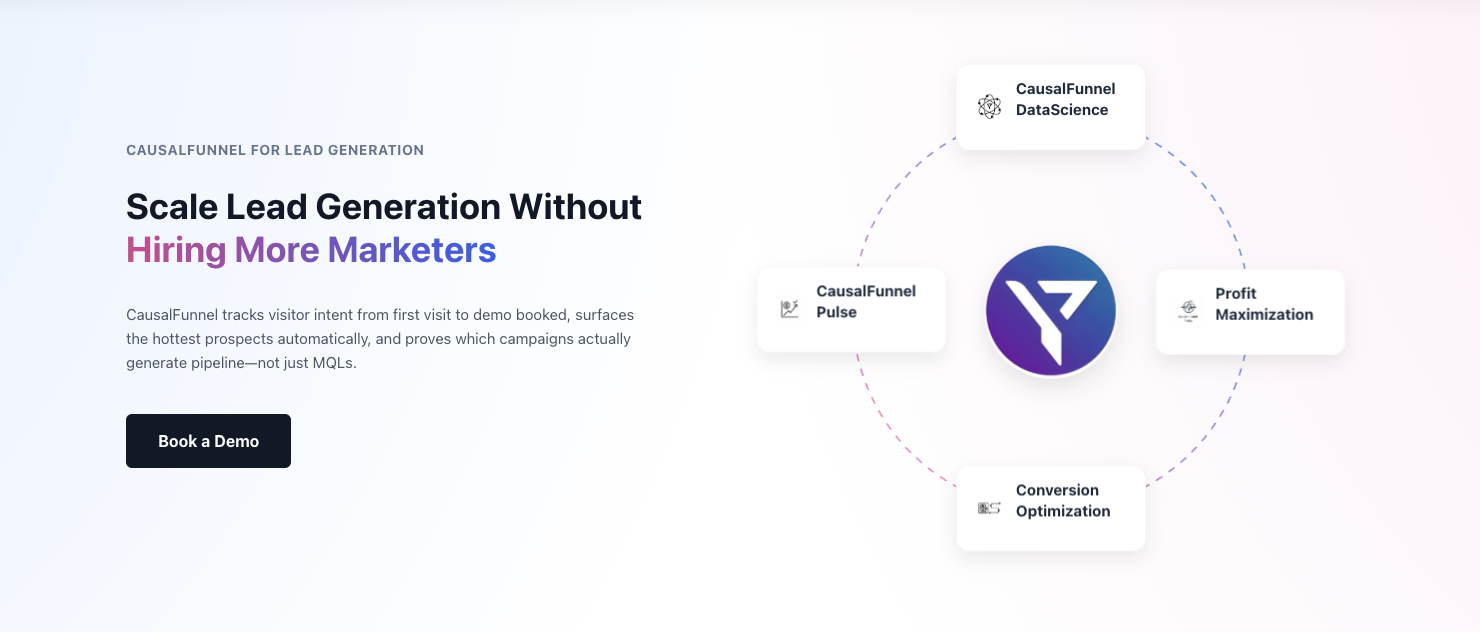
Businesses that want stronger lead nurturing often combine email campaigns with SEO, PPC, and conversion optimization services from CausalFunnel. That creates one connected system instead of several disconnected marketing efforts.
Many venue owners believe every booking begins with Google. But some of the best leads come from people already working inside the local events industry.
Wedding planners, photographers, caterers, florists, DJs, and decorators recommend venues every week. They know which locations stay organized and which teams communicate well.
A photographer who has worked six weddings at your venue becomes an unofficial salesperson. They understand the lighting, timing, and guest flow better than any advertisement ever could. Build genuine relationships instead of asking for favors.
Helpful partnerships often include:
People trust recommendations from professionals they already know.
This is the part most venue owners overlook. They spend months improving SEO, posting on Instagram, and collecting reviews. Then a new inquiry sits untouched until the next morning. By then, the planner has already heard from someone else.
Think about how people shop today. They compare several venues in one evening and fill out multiple inquiry forms before dinner. Which venue feels easier to work with? Usually, the one who responds first with useful information.
The first reply should never sound automated. It should answer at least one question the visitor has already asked. If the requested date is available, say so. If it is booked, suggest nearby dates instead of ending the conversation. Small touches like these show that a real person is paying attention.
Many venue owners also wait too long before offering a tour. People become less excited every day they wait. A tour turns curiosity into emotion, and once someone pictures their celebration inside your venue, the decision becomes much easier.
A simple follow-up process works better than a complicated sales funnel.
Follow these four steps every time:
Keep every email friendly and personal, avoiding generic messages like, “Thank you for your inquiry. We will contact you soon.” They tell people nothing. Instead, mention their event type, preferred date, or guest count. Personal details make every response feel genuine.
Another mistake is focusing only on email. Some visitors prefer phone calls or text messages. If they provide a phone number, ask whether they would like updates by text. Giving people options often improves response rates.
Both methods work, but the better choice depends on where your business stands today.
A brand-new venue usually needs visibility first. Nobody can recommend a business they have never seen. Paid advertising helps new venues appear in front of people while search rankings and reviews grow naturally.
An established venue faces a different challenge. If your website already receives steady traffic but bookings stay flat, spending more money on ads may not solve anything. The problem could be weak copy, slow follow-up, or confusing inquiry forms.
Before increasing ad spend, ask a simple question: “Where do visitors disappear?” If they never reach your website, visibility needs work. If they visit but never inquire, the website needs attention instead.
Choose paid marketing first if you:
Focus on organic growth first if you:
Many successful venues combine both methods over time. Paid campaigns generate immediate exposure. Organic marketing creates long-term growth that keeps working months later.
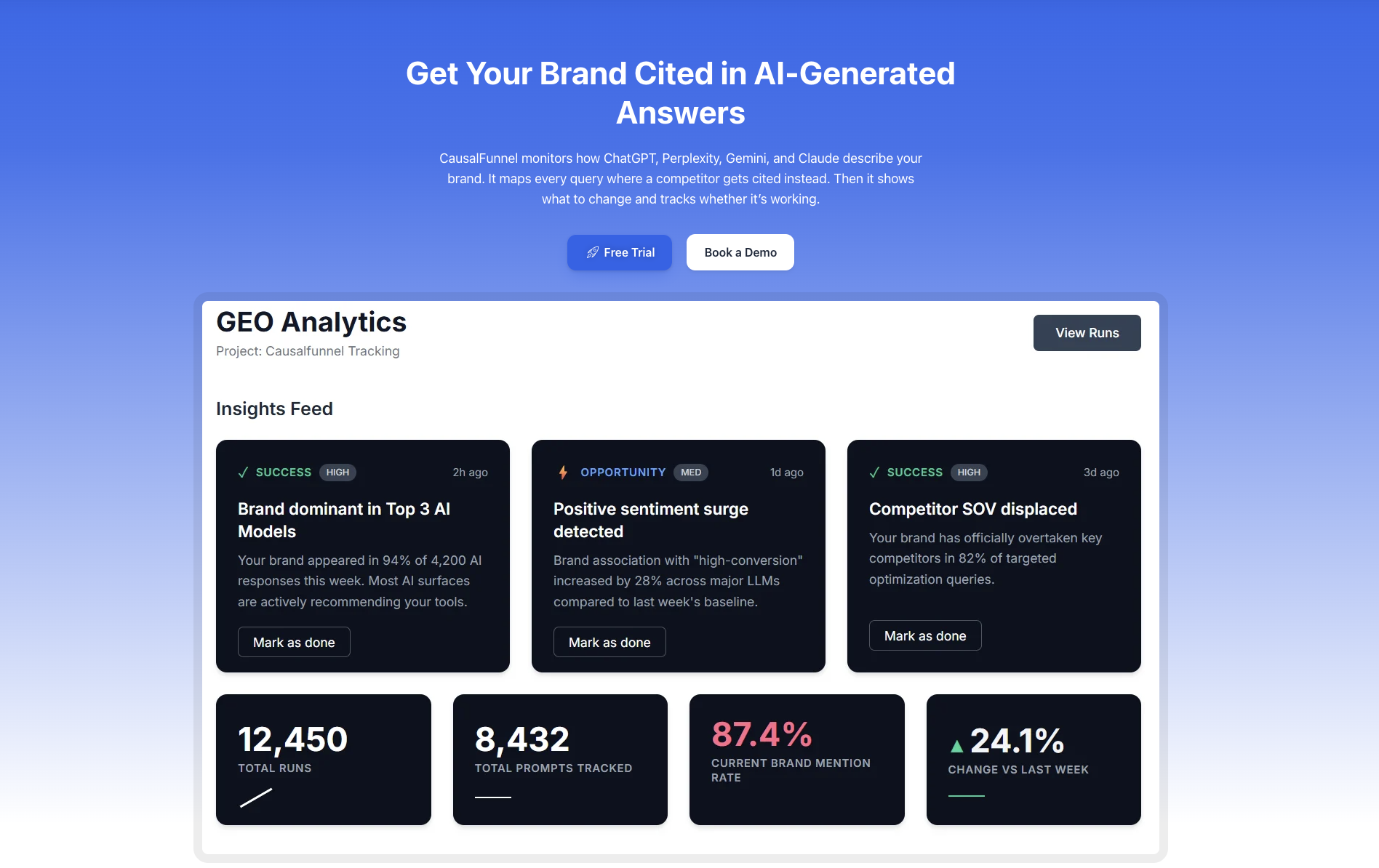
Businesses looking for a balanced strategy often partner with CausalFunnel for GEO, SEO, paid advertising, content optimization, and conversion rate optimization. Combining these services helps businesses attract visitors while improving the chances that those visitors become paying customers.
More traffic does not always mean more revenue. Website visits alone still do not reveal whether your marketing works. Plenty of venues celebrate higher traffic while their calendars remain half empty. That is why the numbers after the click matter more.
Those three numbers tell a much clearer story than page views ever will.
For example, imagine your inquiry rate stays healthy, but very few tours happen. The problem probably lies in slow responses or weak follow-up. If plenty of tours happen but contracts remain low, your pricing, packages, or venue presentation may need attention.
This is where many businesses waste marketing budgets. They keep chasing more traffic instead of fixing the real bottleneck.
Watching these numbers also shows which event venue marketing strategies actually produce bookings instead of empty clicks. That insight helps you spend future marketing dollars much more wisely.
Review these metrics every month. Look for trends instead of daily changes. Small improvements across each stage often create significant growth by the end of the year.
Imagine two venues. The first receives 10,000 monthly visitors, but only twenty people submit inquiries. The second attracts 4,000 visitors, with two hundred people requesting tours.
Which business performs better?
The answer is clear. The second venue understands its customers. Visitors find answers quickly, trust the business, and know what to do next.
That is why every stage matters.
Your advertisement starts the conversation. Your website builds trust, your follow-up creates confidence, and your venue tour closes the sale.
Every venue wants a full calendar. Very few achieve it through advertising alone. The venues that stay busy answer questions quickly, remove friction, and earn trust before the first phone call.
Traffic starts the journey, but thoughtful conversations and smooth customer experiences turn interest into signed contracts. The real question is not how many people visit your website. It is how many leave believing your venue is the only place they want to celebrate.
Paid advertising can generate inquiries within days. SEO and content marketing usually take several months. The strongest marketing plans combine both, so businesses gain short-term leads while building long-term visibility.
That depends on your business model. Listing starting prices often increases trust and reduces unqualified inquiries. If every event requires custom pricing, explain why and make it easy for visitors to request a personalized quote.
No. Social media creates awareness, but it should support your website instead of replacing it. Visitors still need a place to explore packages, check availability, read reviews, and submit inquiries.
Review your website every few months. Update galleries with recent events, replace outdated testimonials, check contact forms, and refresh service pages whenever packages or amenities change.
Many small venues manage marketing themselves at first. As competition grows, working with experienced professionals can save time and improve results. Agencies that offer SEO, paid advertising, website optimization, AI-powered marketing, and conversion rate optimization can help venues build a stronger online presence while increasing qualified inquiries.
Start using our A/B test platform now and unlock the hidden potential of your website traffic. Your success begins with giving users the personalized experiences they want.
Start Your Free Trial

Empowering businesses to optimize their conversion funnels with AI-driven insights and automation. Turn traffic into sales with our advanced attribution platform.
Trusted by Customers


©CausalFunnel Inc. All rights reserved.