



Free Funnel Audit
Convert more customers today!
SEO
10 mins read

SEO
10 mins read
Every business wants more customers quickly. But getting the right leads is not easy. A lead generation funnel helps you guide potential buyers step by step. It turns visitors into leads and leads into paying customers. Even small businesses can use a funnel to grow consistently.
This guide is going to help you understand how the Lead Generation Funnel works and tips to help you grow. These tips will improve your funnel and generate more leads. Each step is practical and easy to implement, even for beginners. By the end, you will have a clear action plan to grow fast.
A lead generation funnel is a structured process. It guides visitors from first contact to purchase decisions. Think of it as a map that directs potential buyers carefully.
Why it matters:
A funnel ensures visitors turn into meaningful opportunities. Without a funnel, you might waste time on low-quality leads.
A well-structured funnel creates predictable and sustainable growth. It prioritizes leads who are more likely to convert.
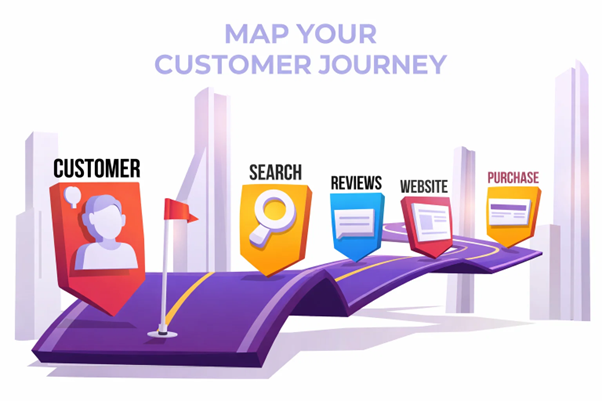
In the beginning you need to understand what you’re dealing with. In particular you need to understand your customers needs and wants. This is the first step in building a lead generation funnel.
In order to be useful and to convert into leads knowing their needs, preferences, and challenges are crucial. Mapping the customer journey not only helps you to stay organized it also helps you see how prospects interact with your brand at every stage.
To start, collect data using tools like Google Analytics. Track website traffic, bounce rates, and conversion rates to understand how visitors behave on your site.
Next, gather qualitative insights by conducting surveys, interviews, and reviewing support tickets. This will reveal your customers’ pain points and expectations.
It’s also important to identify touchpoints the moments when prospects first encounter your brand and how they engage with your content. Once you understand these touchpoints, segment your audience by interests, behaviors, or industry. This allows you to target each group with relevant messaging and offers.
For example, LEGO focused on mapping its shoppers, not just the end users (kids). This approach helped them design campaigns that resonated with parents, leading to more effective engagement.
Tip: Create a visual map to track the customer journey clearly. Using AI platforms can make this process faster and smarter. AI tools can analyze large data sets, identify patterns in user behavior, and even suggest improvements automatically. This helps your team see the flow from first contact to purchase and make more informed decisions.
Value: Mapping the customer journey ensures your funnel targets the right audience at every stage. It also provides a clear roadmap for content creation, lead nurturing, and conversions.
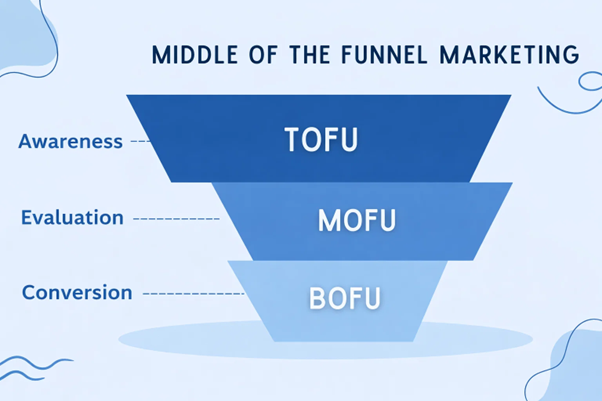
Content is the fuel that powers your lead generation funnel. Without it, leads cannot move forward effectively. The key is to provide the right type of content at each stage of the funnel.
At the top of the funnel (TOFU – Awareness), focus on blogs, videos, podcasts, and infographics. The goal is to educate and attract attention without pushing for a sale.
At the middle of the funnel (MOFU – Consideration), offer content like ebooks, whitepapers, webinars, and case studies. This builds trust and provides valuable insights to help leads evaluate solutions.
Finally, at the bottom of the funnel (BOFU – Conversion), provide free trials, product demos, consultations, or discount offers. This motivates action and helps finalize purchase decisions.
Tips for high-impact content:
Case Study Example:
Case studies provide clear proof that your strategies actually work. They show real results, not just promises or theories. This builds trust and gives people confidence to invest in your business. Strong, well-supported content keeps leads engaged and helps them move smoothly through the funnel.
Creating a funnel is not enough; you need relevant traffic to move leads through it. Without visitors, even the best funnel cannot convert leads.
Methods to Drive Traffic:
Many businesses struggle at this stage in the beginning. Professional SEO experts can help build the right structure early, so your funnel attracts qualified visitors from day one. For example, a blog that solves a specific problem brings in readers who are ready to engage.
Email marketing delivers one of the highest returns in digital marketing. For example, a B2B company sent free guides to warm leads and increased conversions by 40 percent.
Engaging through comments and messages strengthens relationships. Paid social campaigns can further boost reach. In one case, a single LinkedIn post generated hundreds of leads for a software company.
Starting with small campaigns helps control costs and test performance. Paid ads work best when tracked and adjusted regularly.
Driving the right traffic keeps your lead generation funnel active, focused, and ready to convert.
Tips for Traffic Growth:
Value to Reader: Traffic is the fuel of your lead generation funnel. Without it, even a perfectly designed funnel cannot convert leads into customers.
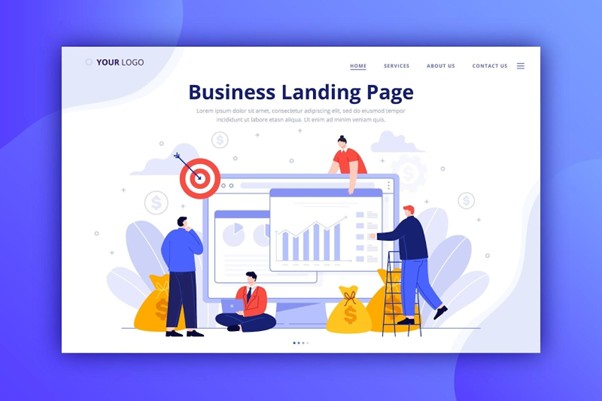
Traffic alone will not help your business grow. To convert visitors into leads, you need a clear system to capture their information. Collecting prospect data ensures your lead generation funnel delivers measurable and consistent results.
Start with lead magnets by offering valuable content in exchange for contact details. This can include free ebooks, guides, checklists, or templates. Each lead magnet should solve a real problem to attract the right audience and improve lead quality.
Next, focus on landing page optimization. Create dedicated landing pages for each lead magnet or offer. Keep forms short and request only essential information to reduce friction. Place a clear and visible call-to-action above the fold so visitors immediately know what to do. Optimized landing pages improve conversions and reduce drop-offs.
Gated content is another effective method. Restrict high-value resources behind a form so only users who share their information can access them. For example, Digital Marketer generated 2,689 leads in just two weeks using gated content.
You can also use interactive tools or quizzes, such as ROI calculators or assessments. These tools provide instant value and encourage users to share information. This approach increases engagement while capturing meaningful lead data.
Best Practices:
Capturing information effectively turns traffic into qualified leads and is crucial for funnel success.
Once you have captured lead information, the final step is converting them into paying customers. Closing the sale is where all your efforts in the funnel pay off.
Start by nurturing leads through email sequences with personalized content. Provide value before asking for a sale, such as sending case studies that show how your product solves a problem.
Offer demos or consultations to give leads a firsthand experience of your solution. Address questions and concerns directly, which builds trust and confidence in your product.
Timing is key. Follow up promptly when leads show high engagement. Use automation tools to ensure no lead is missed.
Segment for relevance, because not all leads are ready to buy immediately. Focus first on highly qualified leads to maximize conversion rates. For example, at Leadfeeder, trial users are contacted based on engagement metrics, which increases the likelihood of conversion.
Tips for Closing:
A structured approach to closing ensures that your funnel consistently turns leads into revenue.
Building a lead generation funnel is only the beginning. Optimization ensures it continues to generate quality leads and improve ROI over time.
Analyze funnel performance by tracking metrics like conversion rates at each stage. Identify where leads drop off and which content performs best. For example, if a company notices a high MOFU drop-off, it can improve its ebook content to better nurture prospects.
Test different approaches such as headlines, CTA buttons, landing page layouts, email sequences, and content formats. Use A/B testing for measurable insights and continuous improvement.
Use the right tools to track leads and engagement. Marketing automation platforms and tools like Leadfeeder provide insights into visitor behavior and lead scoring. For instance, Leadfeeder users can see which companies visit their site most frequently, helping prioritize outreach.
Qualify leads by focusing on prospects most likely to convert. Assess engagement and interactions to prioritize efforts. For example, a lead downloading multiple case studies is more likely to purchase than one who only visits a blog page.
Finally, never stop experimenting. Customer needs and behaviors change over time. Update content, ads, and emails regularly to stay relevant. For example, a SaaS company updated its funnel content annually, boosting conversions by 25%.
Optimizing your funnel ensures continuous improvement, higher lead quality, and better ROI over time.
Following best practices makes your lead generation funnel more effective and easier to manage. Here are five key strategies to implement:
Following these best practices ensures your lead generation funnel is both efficient and highly effective, consistently guiding visitors toward becoming paying customers.
Value to Reader:
Examples make the funnel process tangible and easy to replicate.
A lead generation funnel is not just a marketing tool. It is a roadmap that guides potential buyers to your business. When done correctly, it turns visitors into qualified leads consistently. Following a clear step-by-step process ensures sustainable business growth.
By keeping these steps in mind, your funnel will generate high-quality leads. It also saves time and effort by focusing on prospects most likely to convert.
Start building your lead generation funnel one step at a time. Focus on attracting visitors, capturing leads, and nurturing them carefully. Small, consistent improvements lead to steady growth and better conversions.
Tools like CausalFunnel simplify this process. It works with your existing CRM and sends lead data, conversation transcripts, and behavior insights directly into platforms like HubSpot and Salesforce. This helps teams act faster and close better leads.
Pro Tip:
A funnel needs regular updates to stay effective. Maintain it well to achieve predictable, long-term growth.
Neither is universally better. SEO suits long-term growth, while Google Ads works best for immediate leads. Many businesses use both as ads provide quick data to inform SEO keywords.
You can opt for SEO if you prioritize sustainable traffic and have time to invest, like for e-commerce or content sites.
You can go for Google Ads if you have urgent needs, such as seasonal promotions or new launches needing instant exposure.
Yes, you can always use both. They complement each other. You can use Ads data to refine SEO and reduce future ad spend. This hybrid approach maximizes ROI.
Start using our A/B test platform now and unlock the hidden potential of your website traffic. Your success begins with giving users the personalized experiences they want.
Start Your Free Trial

Empowering businesses to optimize their conversion funnels with AI-driven insights and automation. Turn traffic into sales with our advanced attribution platform.
Trusted by Customers


©CausalFunnel Inc. All rights reserved.