



Free Funnel Audit
Convert more customers today!

SEO
10 mins read

SEO
10 mins read
A CRO audit helps you find why visitors do not convert. CRO stands for Conversion Rate Optimization. It shows where users drop off and why. It helps you fix leaks in your funnel and also improves your overall conversion rate optimization strategy.
Many businesses chase more traffic. However, traffic without conversions wastes money. A proper conversion rate optimization audit fixes that problem and helps you grow revenue from existing visitors.
If you want expert support, visit CausalFunnel. Our team helps brands increase conversions with smart data strategies.
A CRO audit is a deep review of your website that studies how users interact with your pages, finds problems that block conversions, and helps you improve user experience and performance.
A conversion rate optimization audit looks at:
A CRO audit is not the same as a UX audit. A UX audit focuses mainly on usability and design. A CRO audit focuses on revenue and measurable results.
The goal is simple. Remove friction and increase conversions.
This process helps answer important questions:
A CRO audit gives clear answers using real data. It replaces guesswork with proof.
Many websites look good but perform poorly. Design alone does not guarantee conversions. Data and behavior insights matter more.
A CRO audit helps you:
Conversion gaps cost businesses real money. Small issues create large revenue losses over time.
For example:
A strong CRO audit checklist prevents these issues. It helps you evaluate each part of the funnel carefully.
Voice of customer feedback also adds clarity. It shows how users feel about your website. Their insights often reveal hidden friction. A conversion funnel analysis shows where users drop off. It helps you focus on the highest impact fixes.
If you want faster growth without increasing ad spend, start here. You can also explore solutions at CausalFunnel for guided support.

Timing matters in optimization work. Do not wait for a serious performance decline.
You should conduct a CRO audit when:
Many teams ask how to conduct a CRO audit correctly. The answer starts with data, not opinions.
A conversion rate optimization audit works best before scaling traffic. Fixing conversion issues first saves marketing budget. If you plan major growth campaigns, audit first. If revenue stagnates, audit immediately.
A structured approach improves clarity and results. Below is a simple and proven framework.
Every CRO audit begins with goals. Without goals, results remain unclear.
Start by identifying your primary conversions:
Define measurable KPIs for each goal. Examples include conversion rate and average order value. Clear goals shape your entire conversion rate optimization strategy. They also help prioritize changes effectively.
Before making changes, collect current performance data. Baseline data helps measure real improvement.
Gather insights from:
Conversion funnel analysis shows exact drop-off points. It helps you understand where users leave. Do not rely on assumptions during this stage. Data should guide every decision moving forward.
User behavior reveals hidden friction points. It shows what users actually do on your website.
Use tools that track:
A reliable cro audit tool should provide visual data. Heatmaps and session replays give strong insights.
User behavior analytics helps answer critical questions:
Voice of customer surveys add emotional context. They explain why users behave a certain way. Choose a CRO audit tool that combines multiple features. Integrated platforms give deeper and faster insights.
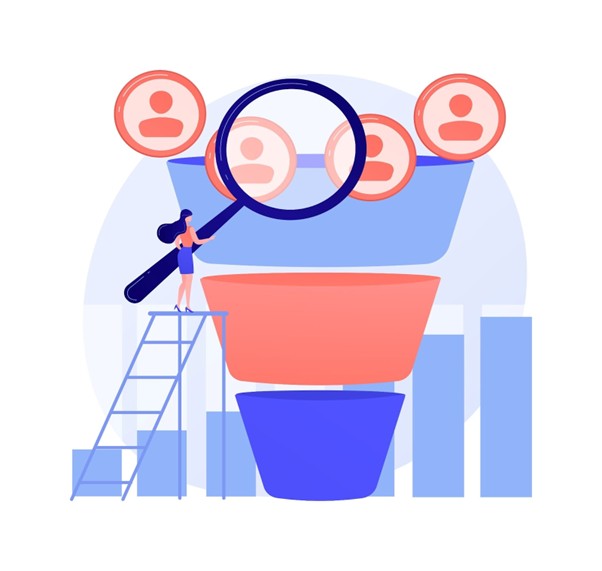
Every website has a conversion funnel, which represents the steps a user takes to complete a desired action. This may include landing pages, forms, product pages, and checkout steps.
Conversion funnel analysis tracks user behavior at each stage, showing how visitors move through the funnel. It helps identify points where users drop off or lose interest. By understanding these exit points, you can optimize each step to improve engagement and increase conversions.
Auditing your funnel regularly ensures that every page and form contributes effectively to your overall goals, making your marketing efforts more efficient and results-driven.
Look for:
A strong CRO audit checklist includes funnel review. This step often reveals high-impact improvements. Fixing one funnel stage can increase total conversions quickly.
Landing page optimization plays a major role in conversions. Weak messaging reduces trust and action.
Review each key page carefully and check for:
A conversion rate optimization audit must test messaging clarity. A/B testing helps validate changes before full rollout. Test headlines, CTA buttons, and form placement carefully. Small changes can create large improvements.
This step strengthens your overall CRO audit process.
Forms often create hidden friction. Long forms reduce completion rates quickly. Confusing labels can increase user frustration.
Your CRO audit must review every form carefully. Start with lead forms and checkout pages first.
Check for these common problems:
Each extra field lowers conversion potential. Only ask for essential information from users. Test shorter forms against longer ones. Measure impact using controlled A/B testing. Checkout optimization is even more critical. A complex checkout flow kills purchase intent fast.
Review:
Conversion funnel analysis often shows drop-offs here. Even small checkout fixes increase revenue quickly. A smart CRO audit tool highlights friction clearly. It shows where users pause or abandon.
Technical problems silently damage conversions. Users leave when pages load slowly. They also leave when errors appear. Your CRO audit must include performance checks.
Focus on these areas:
Speed directly impacts conversion rate optimization results. Even one extra second reduces conversions significantly. Mobile experience deserves special attention. Most traffic today comes from mobile devices.
Review:
Technical fixes often deliver fast wins. They improve both user experience and revenue performance. A conversion rate optimization audit should never ignore speed. Technical health supports every other optimization effort.
Calls to action guide user decisions. Weak CTAs reduce clicks and engagement. A CRO audit must evaluate every primary CTA.
Ask these key questions:
Vague CTAs confuse visitors easily. Strong CTAs create urgency and clarity.
Test variations such as:
A/B testing helps validate changes safely. It prevents risky assumptions during optimization. Landing page optimization often starts with CTA improvement. Small wording shifts can boost conversion rates.
If you need expert help designing high-converting CTAs, explore solutions at CausalFunnel. Our team focuses on measurable performance improvements.
Not all traffic converts equally; some visitors have low buying intent. A conversion rate optimization audit must check traffic sources.
Review traffic by:
Compare conversion rates across each source. High traffic with low conversion signals mismatch.
Check if landing pages match ad messaging. Message mismatch increases bounce rate quickly. Conversion funnel analysis also helps here. It shows behavior differences across traffic segments.
Segment users by device and location. These insights reveal hidden performance patterns. Your conversion rate optimization strategy should focus on quality traffic. Better targeting improves overall performance.
Data shows what users do. Feedback shows why they do it. Voice of customer insights adds emotional context. They reveal hidden objections and confusion.
Collect feedback using:
Ask simple and clear questions. Avoid long and complex survey forms.
Examples include:
These answers improve your CRO audit checklist accuracy. They guide smarter A/B testing ideas. User feedback prevents blind optimization attempts. It keeps your strategy user-focused and practical.
A CRO audit often reveals many issues. However, not every issue deserves equal attention. You must prioritize changes wisely.
Use a simple scoring system:
Focus first on high-impact and low-effort fixes. These improvements generate faster results. Document every finding clearly. Organized reporting improves team alignment.
A strong CRO audit checklist includes prioritization logic. It prevents scattered and random optimization efforts. Clear prioritization strengthens your conversion rate optimization strategy. It ensures continuous and measurable improvement.

A CRO audit does not end with findings. It should lead to structured testing. Turn insights into clear experiments. Each test should solve one problem only.
Define for every test:
For example:
Shorter forms will increase lead submissions.
A/B testing validates your assumptions safely. It reduces risk during major website changes. Never run too many tests together. Isolate variables to protect accuracy.
A clear roadmap keeps your team aligned. It also ensures steady performance growth.
After testing, implement winning variations. Roll out changes step by step. Monitor performance after implementation. Some improvements take time to stabilize.
Watch these metrics closely:
Your conversion rate optimization strategy must remain flexible. User behavior evolves. A CRO audit is not a one-time project. It is an ongoing growth process.
Many teams rush through audits. That approach leads to weak results.
Avoid these common mistakes:
Do not rely on opinions alone. Always support decisions with real evidence.
Another mistake is ignoring small friction points. Minor issues can create major revenue loss. Also, avoid copying competitor designs blindly. What works for them may fail for you.
A strong CRO audit checklist prevents these errors. It keeps the process structured and logical.
Here is a simple summary for quick reference. Use this as your working guide.
This checklist ensures no critical area gets ignored. It keeps your conversion rate optimization audit focused and actionable.
A well-executed CRO audit drives measurable growth. It improves results without increasing traffic costs.
Here is how it creates impact:
Even small conversion improvements compound over time. A two per cent increase can transform yearly revenue. Conversion funnel analysis reveals hidden revenue leaks. Fixing them often produces immediate gains.
When supported by A/B testing, your changes become data-validated improvements.
Some teams manage audits internally. Others prefer expert guidance for faster results.
A strong cro audit tool should provide:
If you want structured and data-driven optimization, explore CausalFunnel today.
Our platform helps brands run smarter experiments and aligns AI insights with real conversion goals.
A CRO audit helps you unlock hidden growth. It turns traffic into measurable revenue, replaces guesswork with structured analysis, and improves user experience and business performance. The process requires discipline and patience. However, the long-term benefits are powerful.
Focus on users first and metrics second. When users succeed, your business grows naturally. A consistent conversion rate optimization strategy builds momentum. Over time, small improvements create large results.
Start with clear goals and real data. Then test, learn, and improve continuously. That is the true power of a CRO audit.
A CRO audit reviews how well your website converts visitors. It finds problems that block users from taking actions and studies funnels, pages, forms, and user behavior. The goal is to increase conversions without more traffic. It helps improve revenue using existing visitors and improves user experience across key pages.
Start by defining clear and measurable goals. Know what action you want users to take. Then collect baseline analytics and funnel data. Review drop-off points using conversion funnel analysis. Next, study user behavior using heatmaps and recordings. Finally, create a testing plan based on findings.
Most searches fall into four simple categories.
You should review both user experience and performance data. Focus on areas that impact conversions directly.
Key areas include:
These areas often hide major revenue leaks. Fixing them usually delivers fast improvements.
You should not treat the CRO audit as a one-time task. User behavior changes over time. Run an audit before scaling paid traffic. Also, review performance after major design updates. Many businesses audit every six months. Regular audits prevent long-term conversion loss.
Start using our A/B test platform now and unlock the hidden potential of your website traffic. Your success begins with giving users the personalized experiences they want.
Start Your Free Trial

Empowering businesses to optimize their conversion funnels with AI-driven insights and automation. Turn traffic into sales with our advanced attribution platform.


