



Free Funnel Audit
Convert more customers today!
SEO
10 mins read

SEO
10 mins read
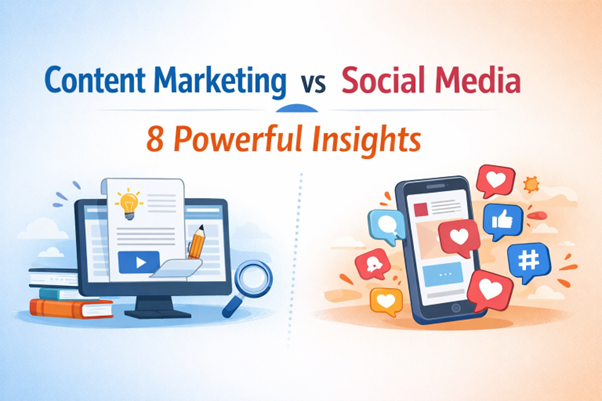
Many teams compare content marketing vs social media marketing before planning growth. Both strategies can help, but they solve different problems first. This article explains the difference in plain language. It also shows when to use each strategy. You will also learn how to combine both effectively.
The main difference is purpose, pace, and control. In content marketing vs social media marketing, content builds trust over time.Social media builds attention and interaction much faster.Content usually lives on channels you control.Social posts usually live on platforms you do not control.
Both strategies work better when they support each other. Content gives depth, proof, and search visibility. Social media gives reach, conversation, and fast feedback.
Here is the simple version:
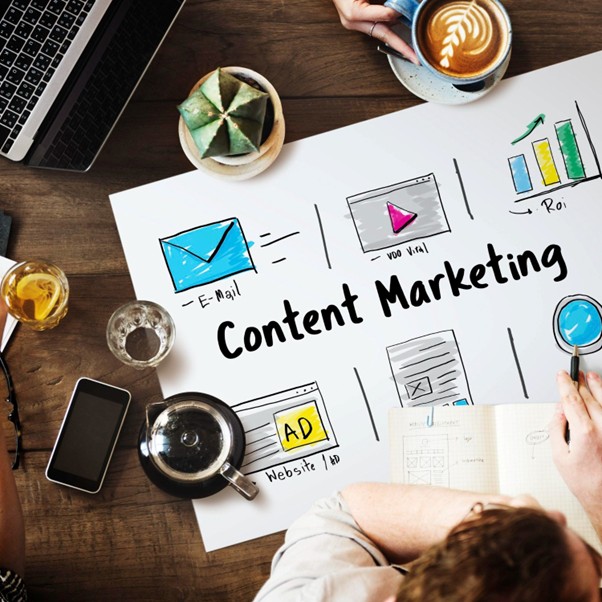
Content marketing means creating useful content for a clear audience. That content should answer questions and solve real problems. It should also move readers closer to a decision.
A strong content program supports every stage of growth. It can attract new visitors from search engines. It can educate people before they book or buy. It can also build trust after the first sale.
Common content marketing goals include these outcomes:
Content marketing usually lives on owned channels. Your website, blog, and email list are key examples. That gives you more control over visibility and messaging.
Common content formats include these assets:
In content marketing vs social media marketing, content usually takes longer. The results often grow slowly, then compound over time. That slow start can feel frustrating for teams. Still, the long-term value is often much stronger.

Social media marketing means promoting and engaging through social platforms. It helps brands reach people where attention already exists. It also helps brands create direct conversations with users.
This strategy works well for visibility and fast response. You can test messages and see reactions quickly. You can also build community through regular interaction.
Social media marketing often supports these goals:
Popular platforms vary by audience and business type. Many brands use LinkedIn, Instagram, Facebook, X, and TikTok. Some also rely on YouTube for education and reach.
Common social media formats include these types:
In content marketing vs social media marketing, social media moves faster. It can deliver quick signals like clicks and comments. Still, platform algorithms can change without warning. That means reach can drop even with good content.
A fast comparison helps you choose the right priority. This section simplifies content marketing vs social media marketing for quick planning. Use this table when your team needs a clear direction.
Comparison Area | Content Marketing | Social Media Marketing |
Primary purpose | Build trust, educate, nurture | Create reach, engagement, conversation |
Main channels | Website, blog, email, resource hub | Instagram, LinkedIn, Facebook, X, TikTok |
Content format | Long-form and evergreen assets | Short-form and platform-native content |
Speed of results | Slower start, stronger compounding | Faster visibility and interaction |
Content lifespan | Often long-lasting | Often short-lived |
Ownership | Owned media | Rented platforms |
SEO impact | Strong direct impact | Indirect support through distribution |
Lead generation role | Strong with guides, pages, forms | Strong as traffic and retargeting support |
Metrics | Organic traffic, time on page, leads | Reach, clicks, shares, comments, CTR |
Best for | Education, trust, search intent | Awareness, community, fast promotion |
In content marketing vs social media marketing, neither strategy wins every scenario. The better choice depends on your goal and timeline. The strongest teams use both with clear roles.
Definitions help, but decisions need deeper insight. This section explains content marketing vs social media marketing in real planning terms. Each insight shows what changes in execution and results. That makes your strategy easier to build and improve.
The biggest difference starts with what each strategy creates first. Content marketing creates trust through depth and clarity. Social media creates conversation through speed and visibility.
A blog post can answer detailed buyer questions. That helps users feel informed and confident. A social post can spark quick interest and comments. That helps brands become visible and familiar.
Use content marketing when people need explanation before action. Use social media when you need attention and feedback fast. Use both when your goal needs reach and trust.
This planning rule helps many teams avoid confusion:
Where your content lives changes your long-term control. This point matters a lot in content marketing vs social media marketing planning. Content marketing usually lives on your owned assets. Social media usually lives on someone else’s platform.
Owned assets include your website and email list. You control the layout, message, and conversion flow. You can update pages and improve performance later. You also keep the value after publishing.
Rented platforms can deliver great reach and speed. Still, algorithms and platform rules can change anytime. Your best post may lose visibility tomorrow.
A smart system uses both channel types together. Social media should distribute and amplify your best content. Your owned channels should capture traffic and conversions.
Use this checklist when planning channel priorities:
Most teams ask which strategy works faster. The answer depends on what results you mean. In content marketing vs social media marketing, social usually shows faster signals. Content usually creates slower but stronger compounding results.
Social media can produce quick activity after posting. You may see comments, shares, and clicks within hours. That makes social useful for launches and promotions.
Content marketing often needs more time and consistency. Search engines need time to crawl and rank pages. Readers also need time to discover and trust content. Once strong content ranks, results can continue for months.
Both strategies create value at different speeds. The mistake is comparing only early metrics. Fast engagement does not always mean strong intent. Slow traffic growth can still become your best pipeline.
Use this expectation framework for better planning:
Format changes how people consume your message. This is a practical part of content marketing vs social media marketing. Content marketing favors depth and structure. Social media favors speed and platform fit.
A detailed article can explain a complex topic well. It can include examples, steps, and comparisons. A carousel or short video can highlight one idea fast. It can drive users toward deeper content later.
Teams often waste effort by creating separate ideas everywhere. A better approach is content repurposing with clear intent. One strong core asset can support many social posts.
Here is a simple repurposing example:
This approach saves time and improves message consistency. It also helps both strategies support each other naturally.
Different funnel stages need different content behavior.This is where many teams improve their results quickly. In content marketing vs social media marketing, both can support every stage. Still, each strategy tends to shine differently.
At the top of the funnel, attention matters most. Social media is strong for reach and discovery.Content is also useful when search intent exists.
At the middle of the funnel, trust matters more.Content marketing usually performs better in this stage. Guides, comparisons, and case studies answer deeper questions. These assets move users closer to a decision.
At the bottom of the funnel, clarity matters most. Content and social should work together here. Content provides proof, details, and conversion pages. Social supports retargeting, reminders, and social proof.
Use this funnel mapping as a practical rule:
A balanced funnel reduces wasted traffic and weak leads. It also improves how your team measures success.
Engagement matters, but not all engagement means the same thing. This point improves reporting and strategy decisions. In content marketing vs social media marketing, engagement quality looks very different.
Social media engagement often includes visible public actions. These actions include likes, shares, comments, and saves. They show attention and interest at a glance. They also help content spread on platforms.
Content engagement often shows deeper intent signals. These signals include time on page and scroll depth. They also include repeat visits and assisted conversions. These actions suggest stronger interest and decision progress.
Teams should avoid judging everything with one metric. A post with many likes may bring weak leads. A page with fewer visits may drive better conversions.
Use both engagement types together for better insight:
Many teams ask which strategy is easier to manage. The honest answer depends on your team strengths. This matters a lot in content marketing vs social media marketing decisions. Each strategy needs different skills and workflows.
Content marketing needs planning and consistency. You need research, writing, editing, and SEO basics. You also need updates for aging content. That work takes focus and process.
Social media needs speed and quick creative execution. You need regular posting and community management. You also need platform awareness and message testing. That work can feel constant and reactive.
Neither strategy is automatically easier for every business. A writer-led team may prefer content first. A camera-ready team may prefer social first. Most growing teams need both over time.
Here is a simple priority guide by team type:
Choose the path your team can sustain consistently. Consistency beats intensity in most marketing systems.
The best strategy is often a clear system using both channels. This is the strongest lesson in content marketing vs social media marketing. You do not need separate ideas for every platform. You need one message and multiple useful formats.
Start with one core content asset tied to a goal. That asset could be a guide, case study, or webinar. Then repurpose the best points into social content. Use social media to drive attention and conversation. Use content pages to build trust and capture leads.
Follow this simple workflow each week:
This system removes duplicate effort and mixed messaging. It also helps small teams stay consistent longer.
Marketing often starts as a simple task for many businesses. Teams publish posts, write blogs, or run ads hoping to see growth. However, results may remain inconsistent without a clear strategy. This is a common challenge when comparing content marketing vs social media marketing. Both channels require planning, analytics, and ongoing optimization.
Professional marketers bring experience, SEO tools, and strategic insight. They understand how to align marketing channels with business goals. Instead of guessing, they build structured campaigns that attract the right audience and convert them into customers. When growth slows or marketing feels overwhelming, expert guidance can help refine the strategy and improve results.
Here are common signs a business should consider professional marketing support:
Experienced marketers analyze performance data and identify gaps. They also combine strategies effectively, especially when balancing content marketing vs social media marketing. With the right expertise, businesses can focus on growth while professionals handle the complexity of modern digital marketing.
There is no single right answer for every business. The best choice depends on your immediate goal. This section simplifies content marketing vs social media marketing for real decisions. Choose the first priority, then add the second strategy.
Start with social media marketing first. It gives faster reach and conversation opportunities.Then support strong posts with deeper content later.
Start with content marketing first. Build helpful pages around buyer questions and needs. Then use social media for distribution and visibility.
Start with one focused content asset and one channel. Use social media to promote that asset consistently. This creates a simple, sustainable lead path.
Build a basic content foundation first. Create one service page and one educational article. Then use social posts to drive traffic there.
Improve your social media system first. Repurpose existing content into platform-native posts. This can unlock value from work already completed.
Use social media for fast awareness and testing. Use content pages to answer objections and convert interest. The combination works better than either alone.
A combined system should feel simple and repeatable. It should support user needs before search engine needs. That is how content marketing vs social media marketing becomes a useful strategy. Your system should connect content creation, distribution, and conversion.
Follow this practical process for most campaigns:
Avoid these common mistakes during execution:
This system keeps your strategy practical and measurable.
It also helps teams avoid random posting habits.
The best answer is rarely one strategy only. In content marketing vs social media marketing, each strategy solves different needs. Content builds trust, depth, and long-term visibility. Social builds reach, conversation, and quick feedback.
Start with the channel that fits your current goal. Then add the second strategy as a partner. Use content for education and conversion support. Use social for distribution and interaction.
Keep your system simple, useful, and repeatable. That approach helps users first and supports growth naturally.
They overlap, but they are not the same thing. Social media can distribute content marketing assets effectively. It can also stand alone as a channel strategy. The best approach depends on your business goals.
Content marketing is usually better for direct SEO growth. It creates indexable pages and long-term search visibility. Social media supports SEO indirectly through reach and distribution. It helps more people find and share your content.
Social media usually gives faster visible activity. You can see engagement and clicks soon after posting. Content marketing usually takes longer to build momentum. Still, it often creates stronger long-term returns.
Yes, but they need a simple system. Start with one core content asset each month. Then repurpose it into weekly social posts. This keeps effort realistic and consistent.
For social media, track reach, clicks, and engagement quality. For content marketing, track traffic, time, and conversions. Match metrics to your goal, not vanity numbers. That keeps your reporting more useful.
A website helps content marketing work much better. It gives you an owned place for long-form content. It also supports SEO and conversion paths. Without one, long-term growth becomes harder.
Start using our A/B test platform now and unlock the hidden potential of your website traffic. Your success begins with giving users the personalized experiences they want.
Start Your Free Trial

Empowering businesses to optimize their conversion funnels with AI-driven insights and automation. Turn traffic into sales with our advanced attribution platform.


