



Free Funnel Audit
Convert more customers today!
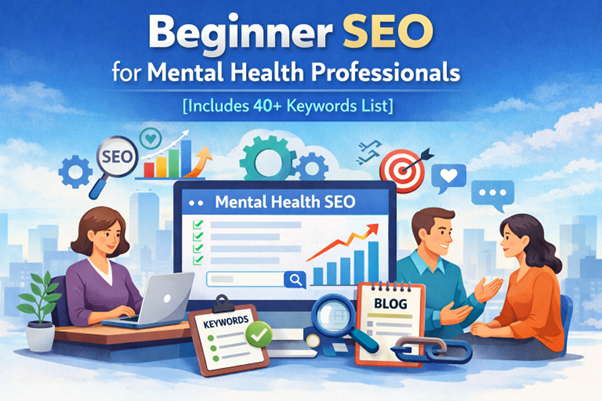
SEO
10 mins read

SEO
10 mins read
Helping people starts with being easy to find online. Most clients search online before choosing a therapist today.
They type simple phrases and expect fast, helpful results. That is where SEO becomes very important for your practice. SEO helps your website show up when people need support. It connects your services with real people seeking help.
In this guide, you will learn simple SEO steps. These steps help you get more visibility and more clients. You do not need technical skills to start improving today.
SEO is the process of making your website easier to locate online. It makes it evident to search engines what your site has to offer. SEO for mental health professionals is all about getting more local traffic. It helps people who live around you find your services when they search.
Here is what SEO helps you achieve:
SEO isn’t only about getting more visitors or better ranks. It’s about getting in touch with folks who need your help.
When done right, SEO brings in new clients organically.
People look for therapy when they are worried or can’t handle things. Their searches often reflect their pain and emotional needs. They usually do not search using complex or technical words. They use short, basic phrases to ask for help instead.
Here are common examples of real search queries:
These searches reveal that people really want and need help. People want answers right away and people they can trust locally. These search terms should clearly fit your website. This helps search engines match your services with those who are looking for them.
You get more attention when your content matches what they want. This also builds trust and makes people more likely to get in touch with you.

Google scans websites to understand what they offer users. It then ranks pages based on quality and relevance. The goal is to show the best answer for each search. Google wants users to find helpful and trustworthy information quickly.
Several key factors influence how your website ranks:
Google also tracks how users interact with your site. If users stay longer, it signals that your content is useful. If users leave quickly, rankings may drop over time. This is why clear and helpful content is very important.
Your goal is to make your website easy to understand. You should also provide real value to your visitors.
SEO is not just one single action or task. It includes different types that work together for better results. Understanding these types helps you build a strong strategy.
On-page SEO focuses on what users see on your website. It includes content, keywords, and page structure. This is where you explain your services clearly to users. It also helps search engines understand your content better.
Off-page SEO happens outside your website. It mainly includes links from other trusted websites. These links act like trust signals for your site. More quality links can improve your rankings over time.
Technical SEO focuses on how your website works. It ensures your site loads fast and works smoothly. It also helps search engines crawl your pages properly. A well-structured site improves both ranking and user experience.
Keyword research helps you understand what people are searching for. It shows the exact words clients use to find therapy services.
This step is very important for building effective content. Without keywords, your website may not reach the right audience.
You should focus on keywords related to your services. These keywords should match your client’s needs and concerns.
A primary keyword is the main focus of a page. It represents the main topic you want to rank for.
For example, “anxiety therapy near me” can be a primary keyword. Secondary keywords support your main topic naturally. They include variations and related phrases.
For example:
Using both types improves your content’s reach and relevance.
Local keywords focus on a specific area or location. These are very important for therapists and private practices.
Examples include:
National keywords are broader and not location-specific. They are useful for blogs and educational content. Local SEO helps you attract clients in your nearby area. This makes it one of the most important SEO strategies.

Here is a list of useful keywords for your content strategy:
These keywords should be used naturally across your content. Focus on clarity instead of forcing keywords into sentences.
Here is a shortened and refined version that fits your readability and structure guidelines:
Creating strong SEO pages helps users and search engines understand your services clearly. Each page should focus on one topic and solve one main problem.
Your goal is to guide visitors from confusion to clear action. A simple structure and helpful content improve rankings and conversions.
AI SEO tools can make this process faster and more effective. They help with keywords, structure, and content clarity.
A clear structure keeps users engaged and easy to guide. It also helps search engines understand your content better.
Follow this simple structure for every therapy page:
Keep each section simple and easy to read. Avoid long paragraphs that overwhelm the reader. Use short paragraphs and clear headings to guide attention. This improves readability and keeps users engaged longer.
This framework helps you write content that connects emotionally with readers. It also improves trust and encourages users to take action.
Start by describing the client’s possible pain or struggle clearly. Show that you understand what they are going through deeply.
Example ideas:
This builds an emotional connection with your audience quickly.
Offer hope and explain that help is available. Focus on the benefits of therapy, not technical details. Explain how your service can improve their life. Keep the tone supportive and reassuring.
Explain why the problem happens in simple words. Normalize their feelings so they feel understood and safe. This step builds trust and reduces hesitation in seeking help.
Clients often have fears or doubts before starting therapy. You should address these concerns openly and clearly.
Common concerns include:
Answer these questions with honesty and clarity.
Provide proof that your services work effectively. This builds trust and increases confidence in your practice.
Examples include:
Even small trust signals can make a big difference.
Explain what makes your approach different from others. Highlight your style, experience, or specialization areas. Keep this section honest and focused on value. Avoid exaggerated claims or unrealistic promises.
End your page with a clear and simple next step. Do not assume users will know what to do next.
Examples include:
Make the action easy and visible on the page.
On-page SEO helps search engines understand your page clearly. It also improves how users interact with your content.
Use this checklist to optimize every page on your website:
Each element works together to improve your SEO performance. Do not skip small details, as they often have a strong impact.
Local SEO helps you reach clients in your nearby area. This is very important for therapists and private practices. Most people search for services close to their location. Your goal is to appear in those local search results.
Your Google Business Profile plays a key role in local SEO. It helps your practice appear in local search and map results.
Make sure your profile includes:
Add photos of your clinic to build trust and credibility. Keep your profile active with updates and posts regularly.
Reviews help build trust and improve local rankings. They show real experiences from people who used your services. Encourage happy clients to leave honest reviews. Always respond to reviews in a professional and kind way.
Even a few positive reviews can increase your visibility.
NAP stands for Name, Address, and Phone number. These details must be consistent across all platforms online.
Make sure your information matches on:
Inconsistent details can confuse search engines and users. Consistency helps improve trust and ranking signals.
Many beginners make simple SEO mistakes that hurt their rankings. Avoiding these mistakes can save time and improve results faster.
Here are some common errors to watch out for:
Focus on quality and clarity instead of shortcuts. SEO works best when you follow a long-term approach.
SEO does not deliver instant results like paid ads. It takes time to build trust and improve rankings. Most websites start seeing results within three to six months. However, this depends on competition and effort level.
Consistent updates and quality content bring better results over time. Patience and regular work are key to consistent, long term successes in SEO.
Starting SEO can feel overwhelming at first for many beginners. A clear plan helps you take action without confusion or delay. [READ MORE]
Follow these simple steps to begin improving your website today:
Start by selecting keywords based on your services. Focus on local keywords that match your target audience.
Use phrases like:
Choose keywords that reflect real client problems and needs.
Do not try to build everything at once initially. Start with one well-structured and detailed service page. Focus on one topic like anxiety or depression therapy. Follow the content structure shared earlier in this guide.
Make sure your page is clear, helpful, and easy to read.
Small improvements can make a big difference over time. Focus on key SEO elements across your website pages.
Check the following:
These steps help search engines understand your site better.
Your local presence depends heavily on your profile setup. Make sure your details are accurate and updated regularly.
Add:
This improves your visibility in local search results.
Reviews help build trust and improve your online reputation. They also play an important role in local SEO rankings. Ask satisfied clients to share their honest experiences. Keep your responses polite and professional at all times.
SEO is not a one-time task or effort. You need to update your content regularly for better results. Add new blog posts or improve existing pages often. Fresh content signals that your website is active and helpful.
Tracking helps you understand what is working well. It also shows where you need to improve further.
You can monitor:
Use simple tools to measure your growth step by step.
Small improvements can boost your SEO performance significantly. These tips help you move ahead of many competitors easily.
Consistency often matters more than speed in SEO growth.
This approach focuses on both visibility and user experience. It helps you attract the right audience instead of random traffic. You are not just ranking for keywords or search terms. You are building trust with people who need your help.
Clear content and strong structure improve both rankings and conversions. This makes your website a valuable tool for your practice.

SEO can feel confusing when you are just starting out. Small mistakes can slow your growth and reduce your visibility. Working with SEO experts can save time and avoid common errors. They understand what works best for therapy websites and local search.
Experts can help you with:
They also track results and adjust strategies over time. This helps you stay competitive in a growing online space. If you want faster and more stable results, expert guidance helps. It allows you to focus more on your clients and practice.
Start improving your SEO with simple and guided steps today. Sign up now and explore tools that help you attract more clients.
SEO is one of the most reliable ways to grow your therapy practice. It helps you reach people who are already looking for support.
You do not need advanced skills to begin your SEO journey. Simple steps can bring steady results when done consistently. Focus on helping your audience first, then think about rankings. Search engines reward content that truly helps real users.
Avoid chasing quick results or shortcuts that do not last. Build a strong foundation that supports long-term growth.
SEO for mental health professionals means improving your website to rank higher on search engines.
It helps therapists attract more clients through organic search results online.
Therapists can improve SEO by using the right keywords and creating helpful content. They should also optimize their website structure and focus on local SEO strategies.
SEO usually takes three to six months to show visible results. Consistent effort and quality content can improve results over time.
The best keywords match what clients search for during difficult times. Examples include anxiety therapy, depression counseling, and a trauma therapist near me.
Start using our A/B test platform now and unlock the hidden potential of your website traffic. Your success begins with giving users the personalized experiences they want.
Start Your Free Trial

Empowering businesses to optimize their conversion funnels with AI-driven insights and automation. Turn traffic into sales with our advanced attribution platform.
Trusted by Customers


©CausalFunnel Inc. All rights reserved.