



Free Funnel Audit
Convert more customers today!
SEO
10 mins read

SEO
10 mins read
Your ad spend is rising, but people still do not remember your brand. You run campaigns, yet sales stays low, and results feel slow. You are not alone in this problem. Many campaigns spend money but fail to stay in people’s minds. The issue is rarely the budget, rather it’s poor targeting. When the wrong people see your ads, even great creatives fall flat.
This is where targeting makes or breaks your awareness strategy. If your ads feel expensive but nobody remembers your brand, affinity and custom affinity audiences are usually the best place to start for brand awareness.
But the right option still depends on your platform and campaign goal. Google Ads, Meta, and LinkedIn all use different targeting systems. Each platform needs a slightly different approach to get strong results.
In this guide, we will break down what actually works. We will cover Google, Meta, and LinkedIn, and we will help you decide what fits your situation best.
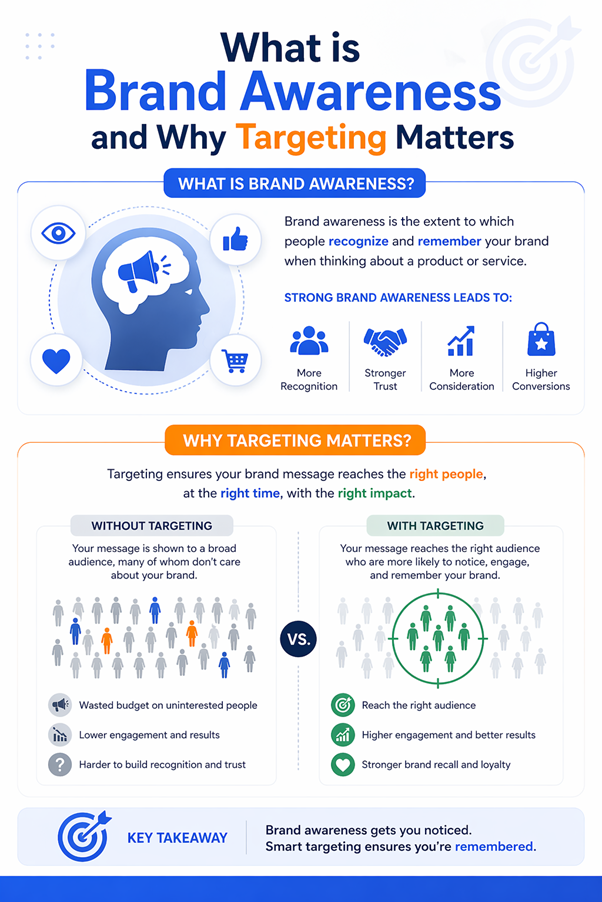
Brand awareness is simple. It means people recognize your brand when they see it. It also means they remember it later when they need something. But here is where most people get confused. Awareness is not about instant sales. It is about planting a seed that grows into trust over time.
Think about it this way. When you need shoes, do you buy from a brand you’ve never heard of? Or do you choose something familiar? Most people choose the familiar option.
That is why targeting matters so much. If your ads reach the wrong audience, your brand never gets remembered. But if they reach the right people, even a simple ad can create brand loyalty.
We have seen this happen many times. A brand shows ads to broad random users and gets no results. Then they switch to interest-based audiences, and suddenly engagement improves.
Even studies often show that familiar brands get higher click and purchase rates. This happens because repeated exposure builds comfort and trust.
If you want a quick and clear answer, start with affinity audiences. In most cases, custom affinity audiences also work very well. These audiences already show interest in topics related to your brand, which makes your ads feel natural instead of forced or irrelevant. As a result, engagement improves, and brand recall becomes stronger.
When asking which targeting option is best for achieving brand awareness, the focus should always be on relevance over extreme precision.
Here is why they perform better:
But there is a catch. You should not make your audience too tight as over-segmentation kills reach. A good awareness strategy stays broad but relevant and not random or hyper-specific.
For most campaigns, the goal is simple and clear:
That is exactly what affinity and custom affinity audiences help you achieve.
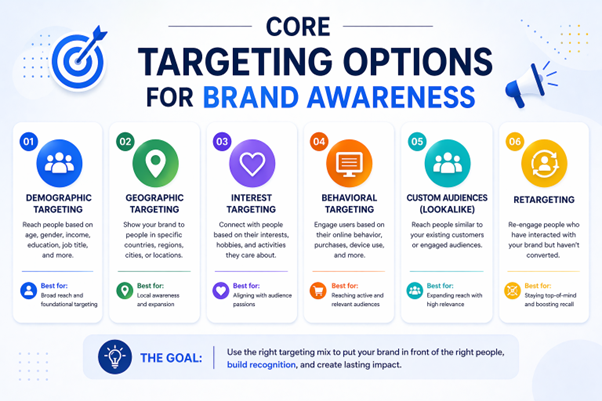
Before you choose anything, you need to understand the main options available. Let’s break down the core targeting options used in awareness campaigns.
This focuses on long-term interests and lifestyle. For example, fitness lovers or tech enthusiasts. It focuses on habits people show over time, not short actions.
This gives you more control than standard affinity audiences. You can define audiences using keywords, URLs, and user behaviors. It allows you to match your exact niche or market segment.
This targets users based on age, gender, income, or parental status. It works best when your product serves a very specific group. However, it lacks strong intent or interest signals.
This shows ads based on the content someone is viewing. For example, showing sports ads on sports websites. It works well when your message matches the content environment.
This focuses on recent behavior or short-term interests. It is often used on platforms like Meta and Instagram. It can be useful, but sometimes lacks long-term intent signals, and is less stable than affinity targeting.
Here is a simple way to compare them quickly:
Understanding these options gives you a strong starting point. Most beginners rely too much on demographics. But that’s a mistake they make. Interests and behavior usually give better results.
Affinity targeting focuses on long-term user interests and habits. It groups people based on lifestyle, preferences, and regular behavior patterns. This makes it ideal for building consistent brand awareness over time.
For example, someone who regularly watches fitness videos likely cares about health. That is an affinity signal.
This type of targeting works well because it balances reach and relevance. You are not simply guessing what the audience wants, but you are following behavior and giving them what they like.
Here is why it works so well:
Let’s say you sell eco-friendly products. You can target sustainability enthusiasts, as they already care, and your message feels natural to them.
Affinity targeting does not guarantee instant results or quick sales. But it builds strong foundations that support future conversions. This is why many marketers start here because it’s simple, scalable, and effective.
Custom affinity takes things further. Instead of relying on predefined categories, you build your own audience.
Custom affinity audiences give you more control than standard affinity groups. Instead of broad categories, you define your own audience signals. This makes your targeting more precise without losing awareness of scale.
You can use:
This extra control often leads to better engagement and stronger recall. Your ads reach people who are closer to your ideal audience.
The main difference between the affinity audience and custom affinity audiences is simple and important:
Let’s say you sell running shoes. In a custom affinity audience, you could target:
Now compare that to generic sports targeting, and you’ll see that the difference is huge.
Here is how to optimize custom affinity audiences:
Let’s look at a quick example for clarity.
If you sell running shoes, avoid broad sports targeting. Instead, target marathon runners or endurance training audiences. This group shows stronger intent and better engagement potential.
Custom affinity audiences help you stay relevant without shrinking reach. They strike a balance between precision and awareness growth. For many brands, this becomes the next step after basic affinity targeting.
This is where tools platforms like CausalFunnel become powerful. Their AI can map user intent and identify behavior patterns that humans often miss. That means your targeting becomes smarter without extra guesswork.
If you want better awareness results, this level of precision matters.
When it comes to Google Ads, the best approach combines affinity audiences and custom segments.
Custom segments allow you to define users based on real intent signals, while affinity audiences help you scale reach across broader interest groups. Together, they create a strong balance between relevance and visibility.
Here is how these options work inside Google Ads:
You will mainly use these across:
Here is how to approach it step by step.
Step 1: Build your audience – Start with affinity categories that match your brand.
Step 2: Add custom segments – Include keywords, URLs, and apps related to your niche.
Step 3: Analyze placements – Check where your ads appear. Remove irrelevant placements.
Step 4: Adjust bids and expand reach – Keep refining based on performance data.
A simple example makes this easier to understand.
If you sell online courses, target learning and career-focused audiences. Use custom segments with keywords like skill development or certifications. Also include competitor platforms offering similar courses.
This approach ensures your ads reach the right users consistently. It also improves recall through repeated and relevant exposure.
Google Ads works best when you balance reach with strong intent signals. Avoid overly narrow targeting, as it limits your campaign’s impact, and focus on relevance, scale, and consistent visibility across channels.
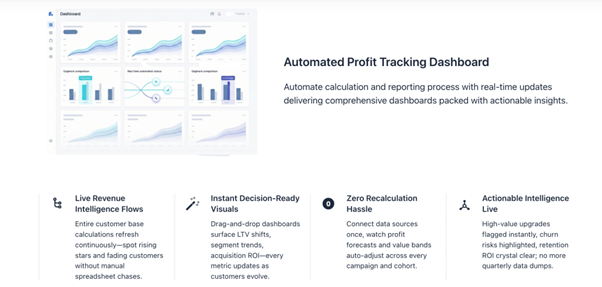
This is where platforms like CausalFunnel help again. Their journey tracking shows exactly where users drop off. That insight helps you refine targeting and improve awareness impact.
So if you are wondering which targeting option is best for achieving brand awareness with Google Ads, the answer is clear. Start with affinity, enhance with custom segments, and then optimize continuously.
Meta works differently from Google and relies heavily on user data, interests, and behavior. This makes them very powerful for building brand awareness at scale. You can reach large audiences while still maintaining strong relevance.
Unlike Google, Meta relies more on user data and engagement patterns. This allows you to create highly responsive and dynamic audience segments.
Here are the most effective targeting options on Meta platforms:
These are built from your existing data and user interactions. They include website visitors, app users, and email subscribers. This audience already knows your brand to some extent.
These expand your reach using your existing audience data. Meta finds users similar to your current customers or visitors. This helps you scale awareness while maintaining strong relevance.
Meta Pixel tracks user behavior on your website in real time. It helps you build better audiences based on real actions. This improves targeting accuracy over time.
This targets users based on their likes, activities, and interactions. It works well when you want to reach new audiences quickly. However, it should not be your only targeting method.
Here are the best use cases for these options:
Meta is great for awareness when done right. But it can burn money fast if targeting is off.
So, avoid over-layering filters, as it can reduce reach significantly, and focus on relevance, consistency, and strong creative messaging.
LinkedIn is different. It is more focused on professional targeting.
LinkedIn works best for B2B awareness and professional targeting, allowing you to reach people based on career and company data. This makes it very useful for niche and high-value audiences.
You can target based on:
But here is the tricky part. LinkedIn can get expensive quickly, so your targeting needs to stay balanced.
Best practices include:
For example, instead of targeting “Senior Marketing Manager in SaaS companies with 200 employees,” try broader segments first and then refine based on results.
Not every targeting option works equally well for awareness campaigns. Some options help in specific cases, but fail in others. Understanding this helps you make better and faster decisions.
Let’s break down where these options work and where they fall short.
The key is knowing when to use them and not relying on one method blindly.
Many awareness campaigns fail due to simple and avoidable mistakes. Fixing these issues can improve results without increasing your budget.
Here are the most common ones:
One mistake we see often is overthinking targeting. People build complex segments but forget the basics. Remember this: if your message is weak, even perfect targeting will fail.
Choosing the right targeting strategy does not need to feel complex. You just need a simple framework to guide your decisions. This helps you stay focused and avoid unnecessary confusion.
If you feel overwhelmed, use this simple framework.
Be clear about what you want to achieve with your ads. For awareness, focus on visibility and audience reach.
Pick the platform based on where your audience spends time. Use Google for scale, Meta for engagement, LinkedIn for B2B.
Begin with affinity or custom affinity audiences. This gives you both reach and relevant exposure.
Track impressions, engagement, and audience behavior closely. Look for patterns in what is working and what is not.
Adjust targeting using real performance data over time. Remove weak segments and scale strong-performing audiences.
Here are the key factors to always consider:
This approach keeps things simple, and simple strategies often work best.
At the end of the day, targeting is not about being precise. It is about being relevant.
Affinity and custom audiences give you that balance. They help you reach people who care, and not just people who exist. But targeting alone is not enough. Your message, creativity, and timing matter just as much.
Focus on these basics, and your results will improve steadily.
Affinity and custom affinity audiences are usually the best starting point because they balance reach and relevance.
Yes, in most cases. Affinity focuses on behavior and interests, which are more reliable than basic demographics.
Start broad enough to scale, but keep it relevant. Avoid making your audience too narrow.
It depends on your audience. Google works well for scale. Meta works for engagement. LinkedIn works for B2B targeting.
Start using our A/B test platform now and unlock the hidden potential of your website traffic. Your success begins with giving users the personalized experiences they want.
Start Your Free Trial

Empowering businesses to optimize their conversion funnels with AI-driven insights and automation. Turn traffic into sales with our advanced attribution platform.
Trusted by Customers


©CausalFunnel Inc. All rights reserved.