



Free Funnel Audit
Convert more customers today!
SEO
10 mins read

SEO
10 mins read
Many websites attract visitors but struggle to convert them into customers. Traffic alone does not guarantee revenue or business growth. Most websites convert only a small percentage of their total visitors. Many studies show average website conversion rates around two to three percent.
This gap often appears because businesses skip a proper conversion rate optimization audit. Without this audit, hidden problems remain across pages, forms, and funnels.
A good CRO audit demonstrates how visitors behave across your website. It finds friction points that stop users from taking the desired action. These problems may include confusing pages, weak calls to action, or poor mobile experience. Small usability issues often cause large drops in conversions.
A structured audit reveals these problems and shows clear ways to fix them. It also helps teams focus on changes that produce measurable improvements.
However, many audits fail because teams make critical mistakes during the process. These mistakes hide real problems and waste valuable optimization opportunities.
This guide explains eight critical mistakes businesses make during CRO audits. Each mistake shows why conversions suffer and how to fix the problem.
Understanding these mistakes helps you run a more effective CRO strategy. It also ensures your website performs better for every visitor.
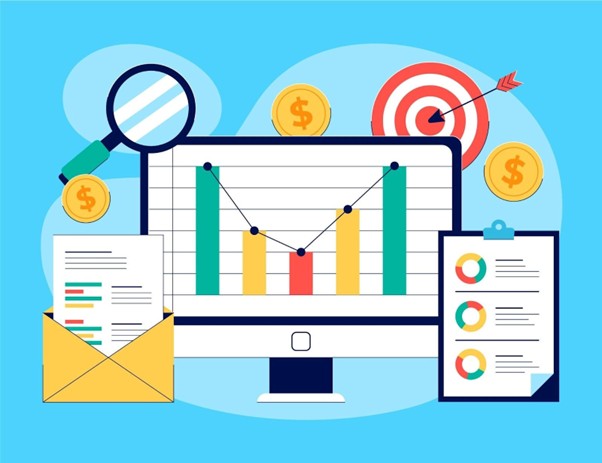
A conversion rate optimization audit helps businesses understand why visitors do not convert.
It studies website performance, user behavior, and conversion barriers across pages. Many companies spend heavily on ads, SEO, and social media campaigns. Yet their websites fail to turn visitors into leads or paying customers.
This problem happens when businesses focus only on traffic growth. They forget to improve the experience users see after arriving on the site.
A CRO audit helps uncover these hidden problems. It shows exactly where users struggle or abandon the journey. Teams can then improve those areas and increase conversions without increasing traffic. This makes CRO one of the most cost-effective marketing strategies.
A strong website conversion audit usually examines several important factors:
These insights help businesses build a stronger conversion optimization process.
Instead of guessing, teams rely on real data and behavioral signals.
The result is a website that guides visitors smoothly toward conversion goals. Over time, these improvements can significantly increase revenue and customer growth.
Many companies begin a conversion rate optimization audit without defining clear objectives. This mistake creates confusion and weakens the entire optimization process.
A CRO audit should always begin with clear business goals. Without goals, teams cannot measure whether improvements actually worked.
For example, some businesses want more lead form submissions. Others want to increase online sales or trial sign-ups.
Each goal requires different strategies and performance measurements. Running an audit without goals makes analysis scattered and ineffective.
Teams may analyze dozens of pages but still miss the main problem. A clear objective keeps the entire audit focused and meaningful. Before starting an audit, define the key actions visitors should complete. These actions represent the main conversions your business depends on.
Some common website conversion goals include:
After defining goals, the next step is identifying the right KPIs. These metrics help track whether optimization efforts actually improve results.
Common CRO performance metrics include:
These metrics give clear signals about website performance. They also reveal where improvements are needed most.
When goals guide the audit process, every analysis becomes more meaningful. Teams can identify problems faster and test improvements more effectively. Clear objectives also align marketing, design, and product teams. Everyone works toward the same conversion outcomes.
Many CRO audits focus only on technical issues and page design. They often ignore the people who actually use the website.
This mistake weakens the entire optimization process. Conversions improve only when businesses understand their audience deeply. A CRO audit should always begin with strong user research. Understanding your visitors helps explain why they behave in certain ways.
Every audience has different motivations, expectations, and concerns. If messaging fails to address those needs, visitors leave quickly. Audience research reveals what users want before making a decision. It also shows what prevents them from converting on the website.
Several audience insights help guide a better conversion strategy:
These insights help improve website messaging and user experience. Content becomes more relevant and persuasive for potential customers.
For example, younger audiences may prefer faster navigation and mobile-friendly design. Business decision makers may expect detailed information before making contact.
Audience insights also guide page design and content structure. They influence headlines, images, offers, and calls to action.
Without audience research, CRO changes often rely on assumptions. Assumptions rarely produce consistent conversion improvements. Successful optimization always starts with understanding the visitor first. A user-focused audit leads to better experiences and stronger conversion results.
Many marketers celebrate rising traffic numbers without studying visitor behavior. Traffic alone cannot explain why conversions stay low across important pages.
A proper conversion rate optimization audit studies how visitors interact with your website.
Behavior data reveals the real obstacles blocking users from completing desired actions.
Visitors may reach a page but leave before finishing the process. These exits often happen because something interrupts their journey.
For example, a visitor may land on a product page. They may leave because the page loads slowly or looks confusing.
Traffic reports show how many people arrive on your website. Behavior analysis explains what they actually do after arriving.
Ignoring behavior data hides important problems across your website. These hidden problems often reduce conversions across landing pages and funnels. A strong CRO audit studies behavioral signals across key pages. These signals help identify friction points inside the user journey.
Important behavioral metrics usually include:
Heatmap tools also provide useful insights during behavior analysis. They show where users click, scroll, or pause on the screen. Session recordings reveal how visitors move across your website pages. These recordings highlight moments where confusion or frustration appears.
Behavior insights allow teams to diagnose real conversion problems. Instead of guessing, teams use evidence to guide optimization decisions.
This approach leads to more effective CRO analytics and stronger conversion improvements. Understanding behavior is essential for improving user experience and conversion performance.

Website usability plays a major role in conversion success. Poor usability quickly frustrates visitors and pushes them away.
Many companies run a CRO audit but overlook basic usability problems. These issues often appear small but create serious conversion barriers. Visitors expect websites to be simple and easy to navigate. If pages feel confusing, they leave within seconds.
Navigation problems are one of the most common usability issues. Users must quickly find the information they are searching for.
Slow page speed also harms the overall experience. Visitors rarely wait long for pages that load slowly. Mobile usability problems can reduce conversions dramatically. Many users browse and shop using smartphones and tablets.
A strong CRO audit must review usability across several important areas:
Even small usability improvements can produce major results. Simpler navigation often increases page engagement and exploration.
Faster pages improve both user satisfaction and search engine performance. Better mobile design helps visitors complete tasks more comfortably.
Usability also affects how visitors perceive your brand. A clean and simple website builds trust with new visitors.
If a website feels confusing or outdated, trust quickly disappears. Visitors may leave before exploring your products or services. Usability analysis helps remove these barriers from the user journey. A smooth experience guides visitors toward conversion naturally.
Conversion elements are the parts of a page that encourage action. Many businesses ignore these elements during a conversion rate optimization audit. These elements guide visitors toward completing a goal. When they perform poorly, conversion rates drop significantly.
Calls to action are one of the most important conversion elements. Weak or hidden buttons often reduce clicks and form submissions.
Forms are another major factor affecting lead generation performance. Long or confusing forms discourage visitors from completing them.
Checkout design also impacts ecommerce websites strongly. Complicated checkout steps increase cart abandonment rates. Trust signals influence whether visitors feel safe taking action. Without trust indicators, users hesitate to share personal information.
A strong CRO audit evaluates several critical conversion elements:
Improving these elements often produces quick conversion gains. Small changes can create large improvements across important pages. For example, moving a CTA button higher on a page helps visibility. Simplifying a form may reduce abandonment during sign-up.
Adding testimonials helps build credibility for new visitors. Visitors feel more confident when others share positive experiences.
Every page should guide visitors toward one clear action. Too many options confuse users and slow the decision process. Focusing on conversion elements helps remove friction across the website. These improvements help visitors complete actions more easily.
Landing pages play a major role in online conversions. Many marketing campaigns send traffic directly to landing pages. However, many CRO audits skip deep analysis of these pages. This mistake hides problems that prevent visitors from converting.
A landing page should clearly explain the value offered to visitors. Confusing messages reduce trust and lower engagement. Visitors should understand the offer within seconds of arriving. If the message feels unclear, they leave quickly.
Visual layout also influences landing page performance. Poor design can distract users from the main call to action.
Strong landing pages focus attention on one primary goal. Too many links or options weaken the conversion process.
A good CRO audit evaluates several landing page factors:
Testing different landing page designs often improves conversions significantly. A/B testing helps compare variations and identify better performing layouts.
Teams can experiment with headlines, images, or button placements. Small changes sometimes produce large conversion improvements. Landing page analysis helps marketers improve campaign results. Better pages convert more visitors from the same traffic sources.
This makes landing page optimization a critical part of any CRO strategy. Ignoring these pages often leaves valuable conversion opportunities untapped.
Many businesses study individual pages but ignore the full customer journey. This mistake hides critical problems inside the conversion funnel.
A conversion rate optimization audit must analyze how visitors move between pages.
Users rarely convert immediately after landing on a website. Instead, they follow several steps before making a decision. Each step moves them closer to becoming a customer.
This sequence of steps is called the conversion funnel. Understanding this funnel helps identify where users drop off.
Some visitors may read product details but avoid signing up. Others may add items to cart but abandon checkout later.
These drop-offs reveal friction points within the funnel process. Without funnel analysis, these barriers remain difficult to detect. A strong CRO audit examines each stage of the funnel carefully. This helps locate the exact moment when visitors abandon the journey.
Most conversion funnels contain several important stages:
Analyzing each stage reveals where optimization should begin. Some websites lose users during early research stages.
Others struggle during checkout or sign-up processes. Each drop-off stage requires a different improvement strategy.
For example, weak product explanations may hurt the consideration stage. Slow checkout pages may reduce conversions during the final stage. Funnel analysis provides a clear picture of user behavior. Teams can prioritize improvements that deliver the largest impact.
Optimizing the funnel helps create a smoother customer journey. Visitors experience fewer obstacles and complete actions more confidently. Over time, funnel improvements produce steady conversion growth. Businesses gain more value from the same amount of traffic.
Many businesses rely on assumptions when optimizing their websites. Assumptions often lead to weak results and missed opportunities. A successful CRO audit depends on data and experimentation. Testing reveals what actually improves conversions.
Without testing, teams may change designs that already work well. They may also ignore changes that could increase conversions.
Modern CRO tools help marketers understand visitor behavior clearly. These tools provide detailed insights into user interactions. Testing tools allow businesses to experiment with different page versions. This process identifies the best performing design or message.
Several tools play a key role during CRO analysis:
Each tool contributes valuable insights for optimization decisions. Together they build a strong foundation for data-driven improvements.
For example, heatmaps may reveal ignored buttons or hidden content. Session recordings often show moments when visitors hesitate or struggle. A/B testing helps validate ideas before making permanent changes. Teams can compare two versions and measure real results.
Testing reduces risk when introducing design changes. Decisions become based on evidence instead of opinion.
Data-driven optimization leads to continuous improvement over time. Websites evolve as teams learn more about visitor behavior.
Businesses that rely on testing gain a strong competitive advantage. Their websites adapt faster to user needs and expectations.
Selecting the right support for a conversion rate optimization audit can make a significant difference in how effective the results are. Many businesses attempt audits internally but struggle to interpret user behavior data, identify friction points, or implement data-driven testing strategies. Partnering with the right CRO platform or expert team helps ensure the audit process remains structured, accurate, and actionable.
A reliable CRO solution should provide tools and insights that help teams analyze user behavior, understand funnel performance, and identify opportunities for conversion improvement. Platforms like CausalFunnel support businesses during the audit process by combining analytics, behavioral insights, and optimization capabilities.
Key ways a solution like CausalFunnel can assist with CRO audits include:
Using the right CRO audit support helps teams move beyond assumptions. Instead of relying on guesswork, businesses can make improvements based on real user behavior and data patterns. This approach leads to more reliable conversion growth and a stronger optimization strategy.
CRO Audit Checklist to Improve Website Conversions
A structured checklist helps teams run a more effective CRO audit. It ensures important steps are never missed during analysis.
A checklist can guide businesses through a website conversion optimization process. Each item highlights a key area that influences conversion performance.
Review these important CRO audit steps during your optimization process:
Following this checklist helps teams organize the entire audit process. Each step reveals opportunities for conversion improvement.
Small adjustments across multiple areas often produce powerful results. Consistency matters more than dramatic design changes.
Regular audits also help websites adapt to evolving user behavior. Visitor expectations change as technology and design trends evolve.
Teams that review performance frequently identify problems earlier. Early improvements prevent large conversion losses later.
A systematic approach ensures every optimization effort remains strategic. Businesses can track improvements and refine their CRO strategy continuously.
A conversion rate optimization audit helps businesses uncover hidden problems across their websites. These problems often reduce conversions and limit business growth.
Many companies lose valuable opportunities because of simple audit mistakes. Ignoring behavior data or usability issues can weaken optimization results.
Avoiding these eight critical mistakes creates a stronger CRO strategy. Businesses can identify friction points and improve the customer journey.
Small improvements across pages, funnels, and forms often produce meaningful gains.Over time, these changes increase revenue without increasing marketing spend.
Optimization should always remain an ongoing process. Regular audits help websites adapt to changing user expectations. Companies that focus on user experience and data testing achieve stronger performance. Their websites guide visitors smoothly toward conversion goals.
Customer insights are deep understandings of behavior and intent. They explain why actions happen and predict future trends.
Analytics platforms, CRM systems, surveys, and social listening tools. AI-powered predictive systems also enhance understanding.
They allow fast decisions before issues escalate. They improve customer experience and retention rates.
Yes, even small businesses benefit from structured insights. Free and low-cost tools allow practical adoption.
Start using our A/B test platform now and unlock the hidden potential of your website traffic. Your success begins with giving users the personalized experiences they want.
Start Your Free Trial

Empowering businesses to optimize their conversion funnels with AI-driven insights and automation. Turn traffic into sales with our advanced attribution platform.
Trusted by Customers


©CausalFunnel Inc. All rights reserved.