



Free Funnel Audit
Convert more customers today!
SEO
10 mins read

SEO
10 mins read
Running PPC campaigns can feel complex for small business owners today. Budgets stay tight, and every click must deliver real value. Many tools promise results, but most feel hard to use daily. That is where the right tools can make a real difference.
This guide shares the best tools for PPC that stay simple and effective. These tools help you save time and improve campaign performance faster. You will also find options that work well with smaller budgets. Each tool overview focuses on ease of use and practical results.
PPC advertising helps small businesses reach customers at the right time. However, managing campaigns often feels confusing and time-consuming. Many business owners struggle with tools that seem too advanced.
You do not need complex systems to run successful campaigns. You need tools that are easy, clear, and reliable every day. The right setup helps you focus on results instead of guesswork.
In this guide, we list tools built for real business needs. These tools help with research, ads, tracking, and optimization tasks. They also support better decisions without adding extra stress.
If you want better results with less effort, this guide will help.
Choosing the right tools requires a clear and simple approach. We focused on features that truly help small businesses grow faster.
Here are the main factors we used during selection:
We avoided tools that feel complex or require long setup time. Every tool here solves a clear problem in a simple way.
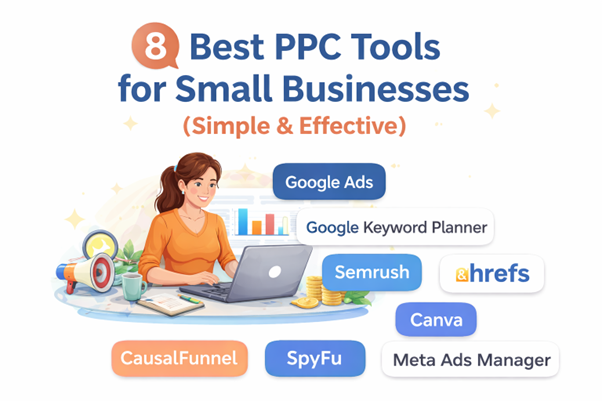
Here is a quick look at the tools covered in this guide:
This list covers tools for every stage of PPC campaigns. You can start small and expand your toolkit as needed.
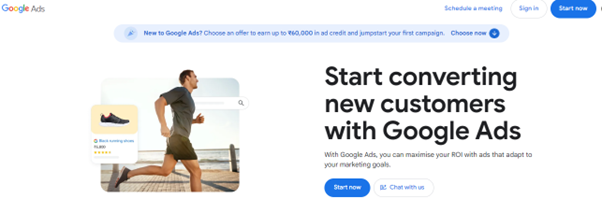
Google Ads is the main platform for running PPC campaigns online. It helps businesses reach users searching for products or services.
Free to use, but you pay for ad clicks
Best for businesses that want immediate traffic from search results
Start with a small daily budget and test a few campaigns first. Focus on high-intent keywords to improve early performance.
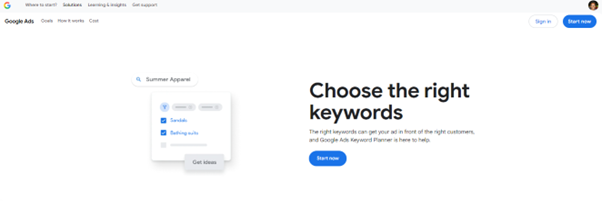
Google Keyword Planner helps you find keywords for your campaigns easily. It provides data directly from Google search activity.
Free with a Google Ads account
Best for small businesses starting with keyword research
Focus on keywords with lower competition and strong buying intent. These keywords often bring better results with smaller budgets.
Semrush – Best for Competitor Research
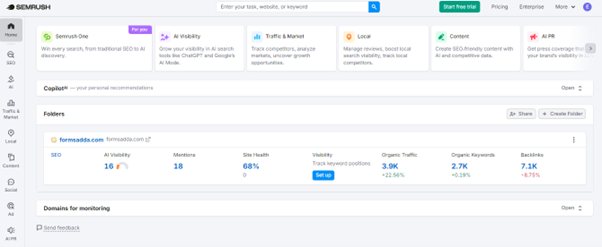
Semrush helps you understand what competitors do in PPC campaigns. It shows keywords, ads, and strategies used by other businesses.
Paid plans
Best for businesses wanting to improve strategy using competitor data
Study competitor ads that run for a long time. These ads often indicate strong and profitable strategies.)
Ahrefs – Best for Deep Keyword and Traffic Analysis
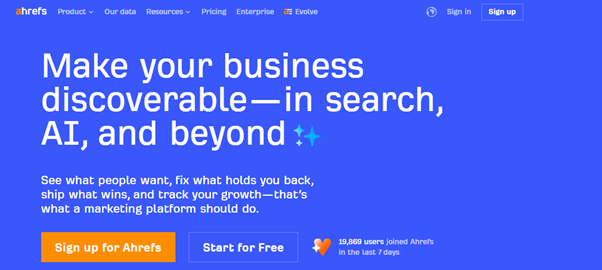
Ahrefs helps you analyze keywords and understand real search traffic trends. It gives clear insights into what drives clicks and conversions online.
Paid plans
Best for businesses that want deeper keyword insights before running campaigns
Focus on keywords with high clicks, not just high search volume. Some keywords get traffic but fewer actual clicks.
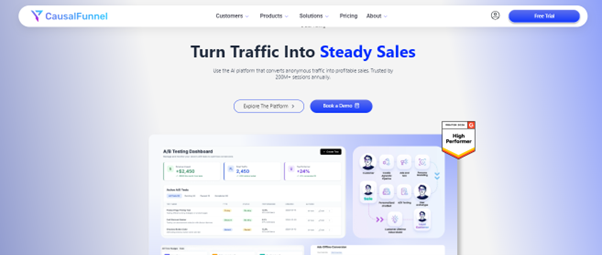
CausalFunnel uses AI to improve PPC campaign performance automatically. It helps businesses optimize conversions without complex manual work.
Paid plans based on usage and features
Best for businesses ready to scale campaigns with AI optimization
Use AI insights as guidance, not full control of decisions. Combine automation with manual checks for better results.
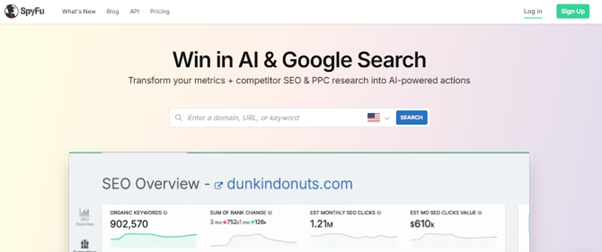
SpyFu helps you see what competitors do in their PPC campaigns. It shows keywords, ads, and spending patterns clearly.
Paid plans with affordable entry-level options
Best for analyzing competitors and improving your PPC strategy
Focus on keywords competitors use consistently over time. These keywords often deliver stable and profitable results.
Meta Ads Manager – Best for Facebook and Instagram Campaigns
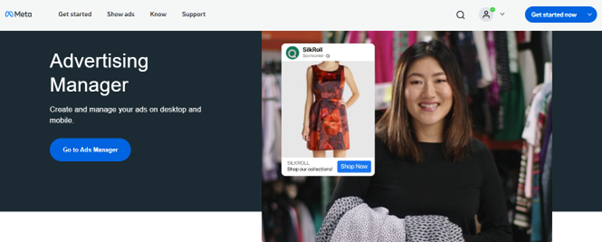
Meta Ads Manager helps businesses run ads on Facebook and Instagram.It offers detailed targeting and strong audience control features.
Free to use, but you pay for ad placements
Best for social media campaigns focused on engagement and awareness
Start with broad targeting and refine based on performance data.Let the platform learn before making major changes.
Choosing between free and paid PPC tools depends on your goals. Small businesses often start with free tools to control early costs.
Free tools work well when your campaigns are small and simple. They help you learn the basics without making a large investment.
However, paid tools offer more detailed data and automation features.These features help save time and improve campaign performance faster.
Here is a simple comparison:
Start with free tools and upgrade when campaigns grow. Focus on return on investment instead of just tool cost.
Choosing the right tool depends on your specific business needs. There is no single tool that fits every situation perfectly.
Here are key factors to consider before making a decision:
Start with one or two tools instead of many options. This approach helps you stay focused and avoid confusion.
Test tools slowly and track results before adding new ones. Simple setups often perform better than complex systems.
Many small businesses make simple mistakes when using PPC tools daily. These mistakes can waste budget and reduce overall campaign performance.
Avoid these common issues to get better results from your tools:
Keep your setup simple and focus on consistent improvement. Small changes over time often lead to strong long-term results.
Beginners should start with simple and easy-to-use tools first. Google Ads and Google Keyword Planner are great starting points. These tools offer basic features without too much complexity.
Yes, free PPC tools can work well for small campaigns. They help you understand basics and test early strategies. However, paid tools offer more data and automation features later.
Google Ads works best for managing search-based PPC campaigns. It connects directly with Google search and display networks. You can control budgets, keywords, and targeting very easily.
Small businesses should start with only two or three tools. Using too many tools can create confusion and slow progress. Focus on mastering a few tools before adding more options.
Start using our A/B test platform now and unlock the hidden potential of your website traffic. Your success begins with giving users the personalized experiences they want.
Start Your Free Trial

Empowering businesses to optimize their conversion funnels with AI-driven insights and automation. Turn traffic into sales with our advanced attribution platform.
Trusted by Customers


©CausalFunnel Inc. All rights reserved.