



Free Funnel Audit
Convert more customers today!
SEO
10 mins read

SEO
10 mins read
Plastic surgery marketing works differently from most online businesses. Patients do not browse for fun like they shop in online stores. They search because they feel worried, curious, or unsure. Many searches include a city name or a nearby area.
Because of this, plastic surgery SEO should focus on local visibility first. You need trust in your area before you need high traffic numbers. A small group of serious local visitors is more valuable than thousands of random clicks.
This guide focuses on quick improvements. You do not need complex strategies or technical skills. Each step connects to real patient behavior you can influence today.
Think of these changes as small growth adjustments. You are not rebuilding your entire marketing plan. Small improvements can bring consultation requests faster than you expect.
Many clinic owners focus on website traffic. Bigger numbers feel safe. But traffic alone does not bring more consultations.
Plastic surgery is a serious decision. It involves trust, risk, and personal comfort. Patients take time before choosing a surgeon. Their search behavior shows this careful thinking.
Most people search using a procedure and a location. They type phrases like “rhinoplasty near me” or “facelift in Dallas.” Few patients travel far after reading a general article. Distance matters for recovery visits and follow-up care.
Reputation matters more than price. Patients check reviews, before-and-after photos, and surgeon credentials. Even small doubts can stop them from booking.
National rankings may bring visitors who never call. Local rankings attract people ready to talk. Local visibility connects you to patients with real intent.
Not all visitors are equal. Some are just browsing. Others are ready to book.
Factor | Random Traffic Visitors | Consultation-Intent Visitors |
Search Style | General searches | Procedure + location searches |
Location | Often far away | Within travel distance |
Intent Level | Curious or researching | Ready to consider booking |
Booking Probability | Low | High |
Focus | Education | Action and consultation |
Local ranking wins because it combines convenience and trust. Patients feel more confident choosing a nearby surgeon. In plastic surgery marketing, quality patients matter more than large traffic numbers every time.
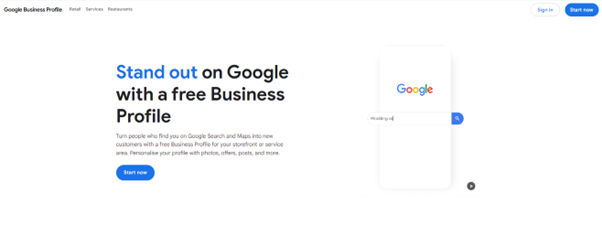
Your Google Business Profile decides if patients see you first. Many clinics set categories once and forget them. Wrong categories confuse Google. Google may not understand what you truly offer. Correct categories can improve visibility fast. You do not need website changes or ads. Log into your profile dashboard. Review and update your categories carefully.
Your primary category is your strongest ranking signal. It tells Google what your clinic mainly does.
Many surgeons pick “cosmetic surgery” because it sounds better. But “plastic surgeon” often matches local searches more closely.
Each category sends a different signal:
If your main category does not match your services, rankings drop. Google wants exact matches for search terms.
Do not choose a category for branding reasons. Choose it based on your most profitable core service.
Accuracy always beats style.
Secondary categories expand your visibility.
They help Google connect you with related searches.
You can add categories like:
Only add services you truly offer. Do not add irrelevant categories. Too many unrelated options weaken your profile trust.
You may see small changes within one to three weeks. Results depend on local competition and reviews.
You may appear in more map searches first. Website rankings may improve later. Do not expect instant top positions. Expect steady and gradual improvement.
Category fixes often work faster than website edits.
Many clinics create procedure pages as general educational resources. They explain surgery but rarely mention the local area clearly.
Google prefers results that match both procedure and location. A local page shows where the surgery happens and who performs it.
Small wording changes can turn weak pages into strong local assets. You do not need a separate page for every nearby city immediately. Clear geographic signals on your main procedures are enough.
When done correctly, local procedure pages attract consultation-ready visitors faster. This is where plastic surgery SEO becomes practical, not theoretical.
Generic pages compete with thousands of identical online explanations. Big hospital websites often dominate these searches. Your clinic needs relevance signals, not longer surgery descriptions. If a page reads like a textbook, Google may ignore it.
Search engines want nearby providers who actually perform the procedure. Without location context, your page lacks clear service intent.
Patients also want proof that you serve their area. They rarely book consultations if the location is unclear.
Location signals should feel natural, not forced. Use your city and surrounding neighborhoods only where relevant.
Include local context in places like:
These cues help patients visualize treatment in their daily routine. This reassurance matters more than extra technical explanations.
Review each procedure page with this checklist:
These adjustments make pages more useful for patients. They also help search engines understand your page better. Better clarity improves both rankings and patient confidence.
Pick one procedure page this week. Add your city in the title, headings, and FAQ answers. Update 3–5 photo captions with local context. Small changes bring faster patient-ready traffic.
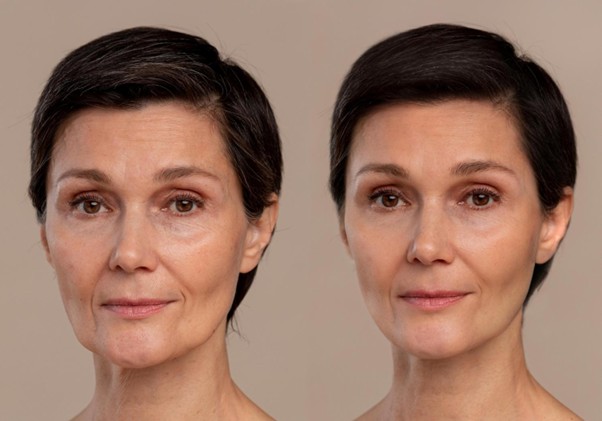
Before and after photos strongly influence patient decisions. Often more than long written explanations. But many clinics upload photos without context. There is no helpful description beside the images.
Search engines cannot understand images alone. They need clear supporting text. Without text, your best trust asset stays hidden. It will not rank in search results properly.
Each case should become searchable content. Not just another gallery image. You are building proof of real experience. Not just showing visual results.
Many galleries only say “before” and “after.” There is no explanation about the patient’s goal. There is no mention of planning or approach. Patients must guess if results fit their needs.
Google also struggles to understand image meaning. Without text, images rarely rank well. A gallery should answer patient concerns clearly. Not just display outcomes.
Each patient case needs short, helpful details. Keep explanations simple and clear. You are documenting experience, not writing textbooks.
Add these details to every case:
Example caption: “The patient wanted a smoother profile and natural bridge refinement.”
These small additions make comparisons easier. Patients understand expectations more confidently.
Google measures helpful content, not just keywords. Detailed case descriptions show real expertise.
This builds authority in medical search results. It proves you perform these procedures regularly.
Well-written captions match long-tail patient searches. You rank for specific concerns naturally. Over time, structured cases build visibility. They also strengthen patient trust.
Update five photo cases this week. Add captions and clear alt text. Keep each description under five sentences.
Small improvements create strong SEO value.
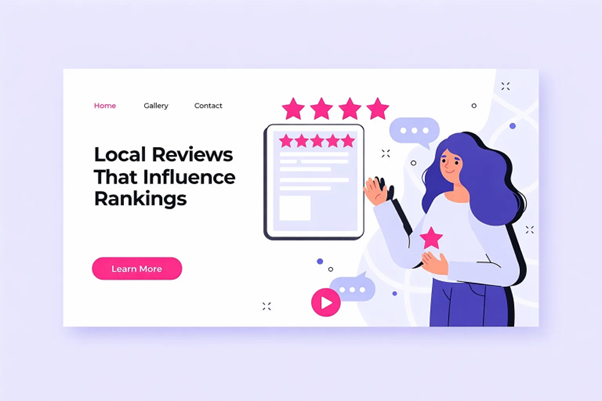
Online reviews shape patient decisions quickly. Many patients read reviews before booking consultations. Reviews also affect local search rankings daily. Google uses them as trust and activity signals.
Many clinics only request reviews after major surgeries. This creates long gaps with no new feedback. Large one-time bursts look unnatural online. Steady and consistent reviews work much better.
You need a simple system. Not occasional reminders.
Consistency matters more than total numbers. Google tracks how often new reviews appear. Twenty reviews in one week looks suspicious. Two reviews each week looks natural and steady.
Frequent reviews show active patient flow. They confirm your clinic serves local patients regularly. Steady growth builds ranking stability over time. It also reassures future patients.
Recent feedback feels more trustworthy.
Asking for reviews can feel uncomfortable. Keep your request short and natural.
Use simple wording after positive visits:
Send a follow-up message within 24 hours. Patients remember details clearly during this time.
Make it easy with a direct review link.
Patients use natural, everyday language. They mention procedures, location, and recovery comfort. They talk about staff behavior and results. This language strengthens local search relevance.
Reviews often include procedure names naturally. This improves visibility for related searches. Authentic feedback builds rankings and trust together.
Ask three happy patients each week. Send one polite follow-up message. Track new reviews every Friday. Small consistent effort brings steady growth.

An FAQ section answers real patient questions. These are the same questions people type into Google. Many clinics ignore this simple opportunity. But FAQ pages grow stronger over time.
Search engines prefer clear and direct answers. They match how people naturally search online.
Instead of guessing keywords, answer real concerns. This builds trust before patients even call. One strong FAQ section can rank for many searches. These visitors are often ready for consultations.
Healthcare searches begin with worry or uncertainty. Patients want fast and simple reassurance. They do not want long medical articles first. They want short, clear answers immediately.
Google understands question-based searches very well. It often shows direct answers at the top.
Clear responses improve your chance of featured snippets. Simple language performs better than complex medical terms.
Choose questions patients ask every week. Use the same words they use in person.
Helpful examples include:
Start small and expand over time. Add new questions when patterns repeat.
Add general questions to your homepage. This improves broad search visibility. Place recovery questions on procedure pages. Keep answers related to the page topic. Good structure helps search engines understand content. It also improves patient reading experience.
Basic improvements work in early stages. Small fixes can boost local visibility. But growth increases competition quickly. Simple changes may stop delivering results. Multi-location clinics need careful planning. Each location must rank without competing internally.
Busy cities create stronger SEO competition. Small mistakes can reduce visibility fast. Advanced procedures require deeper content strategy. Patients compare surgeons more carefully online.
This is when clinics explore professional guidance. Experts manage technical details and structure.
You stay focused on patient care.
Getting help at the right time protects progress. It replaces guesswork with a clear growth plan.
Use this simple checklist to apply the wins quickly and confidently.
These actions require little technical knowledge and minimal time investment. Most clinics can complete them within one focused working afternoon. Small improvements compound and improve visibility faster than expected.
Growth rarely happens from one big marketing change overnight. Most clinics improve visibility by stacking small, smart adjustments weekly. Each action in this guide strengthens trust and local discovery signals, helping patients feel confident before booking consultations.
You do not need complicated strategies to start seeing results. Focus first on helping nearby patients understand your services clearly. Search visibility improves naturally when your information becomes easier to trust.
Apply one improvement each week and track patient response carefully. Steady, consistent effort builds lasting growth stronger than short marketing bursts. If progress slows, professional SEO agencies can help guide your strategy while you stay focused on patient care.
Plastic surgery SEO helps your clinic appear in Google search results. It focuses on ranking for procedures and nearby locations. The goal is to attract patients who are ready to book consultations.
Most patients search using a procedure and a city name. They want a surgeon close to home. Local SEO helps your clinic appear in map results and nearby searches. This brings higher-intent visitors, not random traffic.
Yes, if they include helpful descriptions. Add short captions and clear alt text. Explain the patient’s goal and the procedure performed. This helps Google understand your expertise.
Quality matters more than total number. Consistent new reviews build trust over time. Even two to three reviews per month can help rankings. Fresh feedback shows your clinic stays active locally.
Start using our A/B test platform now and unlock the hidden potential of your website traffic. Your success begins with giving users the personalized experiences they want.
Start Your Free Trial

Empowering businesses to optimize their conversion funnels with AI-driven insights and automation. Turn traffic into sales with our advanced attribution platform.
Trusted by Customers


©CausalFunnel Inc. All rights reserved.