



Free Funnel Audit
Convert more customers today!
SEO
10 mins read

SEO
10 mins read
This guide focuses on real local leads, not vanity traffic or empty rankings. It is built for local chiropractors, growing clinics, and multi-location chiropractic practices. You will learn how patients actually search when pain pushes them to seek care.
The focus is on Chiropractic Keywords that attract nearby patients ready to book. This guide also sets clear expectations about what keywords can and cannot do. Keywords alone do not rank pages without strong intent, structure, and supporting content.
You will see how smart structure lowers bounce rates and improves real conversions. That balance between education and leads is exactly why top pages perform well.
Most patients do not search using medical terms or technical treatment names. They search based on pain, daily limits, and nearby care options. Someone with back pain usually types symptoms, not a diagnosis or clinic name.
Many searches also include location clues, even when users do not notice them. Words like “near me” or city names trigger local search results automatically. Google then shows map listings, local packs, and nearby clinics first. This behavior is why Chiropractic Keywords must match local search intent.
National search volume looks attractive but rarely brings real clinic visits. A clinic in one city does not benefit from traffic across the entire country. Local intent keywords connect your pages to people ready to book nearby care.
Search results reward pages that clearly match location and service intent. This is also why competitors educate users before pushing services. Education builds trust and keeps visitors engaged longer. Engaged users send positive signals back to search engines.
When keywords do not match local intent:
When keywords match local intent correctly:
This balance supports helpful content signals and long-term local visibility.
Patients search with purpose, not marketing language or technical healthcare terms. They focus on relief, solutions, and nearby help they can trust. Understanding these patterns helps you match content with real patient intent.
This approach matters more than chasing high-volume terms or trendy tools. Clear intent mapping is why many competitors rank consistently well.
Symptom-based searches
Many patients begin with pain or movement problems affecting daily life. They search phrases related to discomfort before choosing a treatment type. These searches often signal early research but still carry strong booking potential.
Service-based searches
Some users already know the help they want from a chiropractor. They search for specific services offered by local clinics. These searches often come from patients closer to making appointments.
Location-based searches
Local intent appears even when users do not type city names. Google uses device location to show nearby clinics automatically. This behavior explains why local optimization matters more than national reach.
Brand searches
Brand searches happen after trust starts forming with a clinic. Users search practice names, doctor names, or location combinations. These searches signal high confidence and strong conversion potential.
When Chiropractic Keywords align with these intent types, pages perform better. Google rewards clarity because it helps users find useful answers faster. Competitors ranking well organize content around intent, not keyword density.

This list groups keywords by patient intent, not random search volume numbers. Each group matches how people search when they need chiropractic care nearby.
The Chiropractic Keywords are divided into symptoms, services, locations, and brands. These groupings help you map each keyword to the right page type.
Keywords should guide page focus, not be forced into every paragraph. This approach prevents thin content and avoids spam-like patterns. You will also see practical chiropractic keywords examples that fit real pages. Clear mapping improves relevance and helps search engines understand page purpose.
Most patients begin their search with pain, not provider names or treatment labels. They want relief fast and look for answers before choosing a clinic. Condition-based searches convert well because they match urgent patient needs. These searches often signal discomfort that affects work, sleep, or daily movement. That urgency creates strong intent and steady local traffic opportunities.
Keyword | Patient Intent | Best Page Type | Why This Keyword Is Valuable |
Back pain relief | Urgent symptom relief | Blog or service page | Matches common patient language and high urgency |
Lower back pain treatment | Problem + solution | Service page | Indicates readiness for professional care |
Neck pain chiropractor | Provider-specific | Service page | Strong transactional intent |
Sciatica pain relief | Symptom-focused | Blog or service page | High pain urgency, strong local intent |
Herniated disc treatment | Treatment-specific | Service page | Patients already understand condition seriousness |
Shoulder pain chiropractic care | Condition + service | Service page | Clear alignment with care expectations |
Knee pain chiropractor | Local provider search | Service page | Converts well for injury-related searches |
Sports injury chiropractor | Injury-based | Service page | Targets active and referral-driven patients |
Chronic pain management | Long-term condition | Blog or service page | Supports educational + treatment intent |
Spine pain specialist | Specialist intent | Service page | Signals higher trust and expertise need |
High-intent condition-based chiropractic keywords:
These keywords work because they align with real patient language patterns. Patients describe problems using common words, not clinical diagnoses. This overlap creates both informational and transactional intent on the same page. Some keywords fit best on detailed service pages focused on treatment options. Others perform better as educational blog pages that explain causes and solutions.
For example, general pain topics often work well as long-form blog content. Treatment-specific phrases usually belong on dedicated service pages instead. Each page should answer one main problem clearly and fully. Avoid placing all conditions on one page without focus or structure. Competitors rank well because they build separate pages for separate pain topics.
This structure helps search engines match pages to long-tail local searches. It also improves user experience by answering specific questions quickly. When used carefully, these keywords attract motivated visitors ready to seek care.
Service-based searches usually come from patients ready to take action soon. These users already know they want chiropractic care, not general advice. They are looking for a provider who offers a specific service nearby.
That intent makes service keywords strong drivers of appointments. Used correctly, they support your main service pages and boost conversions. Some clinics also pair them carefully with Chiropractic Keywords for clarity.
Keyword | Patient Intent | Best Page Type | Why This Keyword Is Valuable |
Chiropractic adjustment | Core service | Service page | High conversion, foundational service |
Chiropractic care | General service | Main service page | Broad but essential entry keyword |
Spinal adjustment chiropractor | Specific treatment | Service page | Matches patient familiarity with service |
Acupuncture chiropractor | Cross-service intent | Service page | Attracts dual-interest patients |
Sports chiropractic services | Specialized care | Service page | High-value niche audience |
Prenatal chiropractic care | Life-stage specific | Service page | Strong trust and safety intent |
Pediatric chiropractor | Family-focused | Service page | High long-term patient value |
Nerve pain chiropractor | Condition + service | Service page | Clear treatment expectation |
Auto injury chiropractor | Insurance-related | Service page | Often high-intent and urgent |
High-converting service-based chiropractic keywords:
A simple geo-modifier formula works well for local intent:
[service] + [city or area]
Service keywords belong on focused service pages, not general blog posts. Each page should clearly explain the service, benefits, and next steps. Clear service pages help Google understand what you offer and where. They also support local pack visibility and organic results together.
Top competitors prioritize service intent because it brings ready patients. These pages often convert better than informational content alone. When structured properly, service keywords improve relevance and trust quickly.
Location-based searches connect patients directly to nearby clinics. Google automatically detects location even without city names typed. This behavior explains why local optimization matters so much. Users expect nearby results, fast directions, and clear contact details. That expectation drives strong local intent signals.
Keyword | Patient Intent | Best Page Type | Why This Keyword Is Valuable |
Chiropractor in [city] | Local provider search | Location page | Core local SEO visibility |
Chiropractic clinic in [state] | Regional intent | Location page | Expands geographic relevance |
Back pain chiropractor near me | Urgent local relief | Service or location page | Combines pain + proximity |
Local chiropractor near me | Immediate care | Location page | Strong map pack relevance |
Best chiropractor in [city] | Comparison intent | Location page | Review-driven, high trust signal |
Common location-based keyword examples:
“Near me” works because Google reads device location automatically. Your page does not need the phrase repeated everywhere to rank. What matters is consistent location information across your site. Your business name, address, and phone number must always match.
Page titles should also clearly reference services and service areas. Internal consistency helps Google trust your local relevance signals. Top competitors focus on local clarity instead of chasing national terms. This focus improves map pack visibility and local rankings together.
Branded chiropractic keywords focus on your clinic name and related search terms. Patients use these searches after trust begins forming with your practice. They often come from referrals, reviews, social media, or past visits.
These keywords signal strong intent and usually lead to direct bookings. They also help Google clearly recognize your clinic as a trusted local entity.
Using branded terms correctly protects your traffic from competitors. It also strengthens location clarity for single and multi-location practices.
Keyword | Patient Intent | Best Page Type | Why This Keyword Is Valuable |
Titan Chiropractic | Brand lookup | Homepage | Signals brand recognition |
Titan Chiropractic Richmond | Location confirmation | Location page | Reinforces local trust |
Titan Chiropractic Yorktown | Location confirmation | Location page | Supports multi-location clarity |
Titan Chiropractic Williamsburg | Location confirmation | Location page | Improves entity recognition |
Titan Chiropractic near me | Brand + proximity | Homepage or location page | Very high booking intent |
Titan Chiropractic chiropractor | Provider confirmation | Homepage | Confirms service relevance |
Titan Chiropractic back pain care | Condition + brand | Service page | Trust-based conversion |
Titan Chiropractic phone number | Contact intent | Contact page | Immediate action intent |
Titan Chiropractic reviews | Validation intent | Reviews/testimonials page | Influences booking decisions |
Titan Chiropractic appointment | Booking intent | Appointment page | Direct lead generation |
Examples of branded chiropractic keywords:
Important pointers for using branded keywords:
This structure improves trust, protects brand searches, and supports stronger local rankings.
Using keywords correctly is about structure, not repetition or forced placement. Search engines reward pages that stay focused and helpful. This is why many top-ranking pages explain implementation clearly.
Follow these steps to avoid over-optimization and protect long-term rankings. When done right, Chiropractic Keywords support both visibility and usability.
This approach prevents penalties and aligns with modern SEO standards.
What if you could see exactly which marketing efforts bring real patients to your clinic?
Grow your chiropractic business with CausalFunnel by replacing assumptions with clear, data-backed insights.
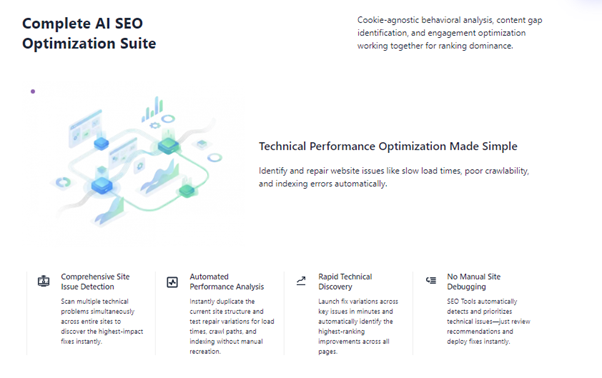
CausalFunnel uses AI-driven, real-time analytics to show which SEO and PPC efforts actually lead to patient appointments and revenue. Instead of focusing only on traffic, clinics gain visibility into what drives meaningful growth.
By combining AI driven SEO tools and paid campaigns into one unified view, CausalFunnel helps chiropractic practices optimize keyword strategy, improve local search presence, and increase ROI. It acts as a smart data layer that makes chiropractic marketing more efficient, measurable, and scalable.
Many clinics struggle with keywords because strategy gets replaced by shortcuts. These mistakes often reduce visibility and waste time without bringing patients. Avoiding them improves clarity, trust, and long-term local performance.
This section builds expertise and separates strong guides from shallow keyword lists.
Keywords work best when they support real patient needs and clear page structure. Traffic alone does not grow clinics without intent and trust. Strategic planning turns visits into calls, bookings, and long-term patients.
The goal is not to rank everywhere, but to rank locally with purpose. When Chiropractic Keywords align with intent, results follow naturally. Strong pages answer one problem clearly and guide users to next steps. This approach builds confidence for both patients and search engines.
Consistency, clarity, and structure matter more than keyword volume. Focus on helpful content first and optimization second. That balance is why top-performing pages continue ranking over time.
Chiropractic keywords are search terms patients use to find chiropractic care online. They often include symptoms, services, locations, or clinic names.
They help Google match your clinic pages with nearby patient searches. Strong local intent keywords improve map pack and organic visibility.
Each page should focus on one primary keyword for clarity. Supporting terms should appear naturally, without forced repetition.
No, because competitor keywords may not match your services or location. Keyword choices should reflect your patients, services, and practice goals.
Start using our A/B test platform now and unlock the hidden potential of your website traffic. Your success begins with giving users the personalized experiences they want.
Start Your Free Trial

Empowering businesses to optimize their conversion funnels with AI-driven insights and automation. Turn traffic into sales with our advanced attribution platform.
Trusted by Customers


©CausalFunnel Inc. All rights reserved.