



Free Funnel Audit
Convert more customers today!

SEO
10 mins read

SEO
10 mins read
SEO needs steady care. It works best when you follow a clear monthly system. Search engines and SEO practices change often, and your site must stay in sync with those updates. Strong monthly SEO tasks keep your content fresh, your pages stable, and your traffic growing. This ongoing process is a core part of SEO maintenance, helping your website stay healthy over time.
These checks protect your rankings and prevent sudden drops. This guide covers the 10 most important monthly tasks used by skilled SEO teams. These tasks help you stay ahead, fix issues early, and keep your growth steady. Let’s move to why these tasks matter so much.
Monthly SEO work gives you control. It helps you stay aligned with Google’s constant updates. SEO cannot run on a “set and forget” system because rankings shift every day. Monthly tasks help you track your gains, spot dips, and adjust fast.
Monthly work sits between quick weekly checks and deeper quarterly audits. Weekly work catches small changes. Quarterly audits reveal big trends. Monthly tasks sit in the middle and keep every part stable.
Monthly tasks matter because they:
These tasks build trust in your system. You get a clear view of what works and what needs support. Most high-ranking websites follow this monthly workflow without fail. This consistent approach is a key part of monthly SEO maintenance, helping websites stay stable and competitive over time.
Your first monthly task is checking keyword performance. Google Search Console gives real ranking data. It shows how people find your pages and what words drive real traffic. This process is a practical way to understand how to measure SEO using real search data instead of guesswork.
Start with your top queries. Look for keywords with rising impressions or clicks. These keywords show growing interest. You can use this information to expand pages or add new content.
Next, check declining terms. Falling numbers signal a problem. It could be stronger competitors, slow pages, outdated content, or thin information. Spotting these drops early protects your rankings.
Review these areas each month:
Study CTR patterns. A low CTR often points to weak titles or meta descriptions. Improve these and track results next month.
Look for new keywords that appear in your reports. These new phrases show search demand shifts. Use them to update existing pages or plan new topics.
After reviewing all insights, create a clear action plan. Decide which pages need updates, which queries need support, and which pages can win more traffic. This step helps you stay consistent.
A monthly SEO audit must include a content decay examination. Content loses strength over time. Competitors publish new pages. Search intent changes. Data grows old. Your job is to keep content fresh and useful.
Start by using Search Console and GA4 to find declining pages. Look for pages with lower clicks, lower impressions, or weaker engagement. These pages need fast action.
Content decay happens due to:
Follow this monthly update checklist:
These steps revive old content. Search engines reward freshness, and users trust updated pages. Most high-ranking websites update old content monthly. This task protects your best pages and keeps them competitive. Many of these updates uncover low hanging fruit SEO, where small changes can quickly restore visibility and traffic.
Technical SEO checks keep your site healthy. These checks reveal issues that hurt rankings without warning. Monthly reviews help you stay ahead and prevent damage.
Start with Core Web Vitals. These signals measure real user experience. They track how fast your pages load, how stable they feel, and how quickly users interact. Slow or unstable pages lose ranking power fast.
Check these metrics each month:
Next, review your indexing status. Open Google Search Console and check the Indexing section. Look for pages stuck in “Discovered but not indexed.” These pages need better internal links or stronger content.
Review crawl issues. Look for:
These issues slow down search engines and reduce crawl efficiency.
Check for broken pages. Use tools like Screaming Frog or Sitebulb for monthly crawls. These tools help you spot slow pages, missing meta tags, or heavy images.
Review your mobile usability. Most traffic comes from mobile users today. Small mobile issues hurt rankings quickly. Check buttons, layout shifts, and navigation flow.
Fixing technical issues early keeps your site strong. Most ranking drops come from slow pages or crawling problems, not content alone. A monthly technical SEO check keeps your growth steady.

Google Analytics gives deeper insight into how users interact with your pages. Monthly reviews help you understand which topics grow and which pages lose traction.
Start with your overall organic traffic. Check if it increased or dropped. Track these changes at the start of every month. Small shifts signal deeper patterns.
Review landing page data. Look for pages with rising traffic. Strong pages often deserve more support, such as fresh links or expanded sections. Also check pages losing traffic. Drops may mean outdated content or stronger competition.
Track user behavior. Study how long users stay and how far they scroll. Low engagement may signal confusing layout or weak content flow.
Review conversions from organic traffic. You should know which SEO pages drive leads or sales. This helps you build better content next month.
Here are quick monthly checks:
GA4 (Google Analytics 4) gives context behind every ranking shift. Use this data to plan pages, update content, and refine your strategy.
Some pages play a big role in your growth. These pages attract strong traffic and drive conversions. They deserve extra attention every month.
Start with evergreen pages. These pages bring traffic all year. Expanding them helps you grow faster. Add details, examples, and new insights each month.
Strengthen readability. Make sentences clear and simple. Break long sections into short parts. Add new headers to help users move with ease.
Add missing keywords naturally. Look for related terms in the Search Console. Add them where they fit without forcing them.
Update internal and external links. Link to your newer pages. Add trusted external sources. These steps improve trust and depth.
Monthly expansion ideas include:
Search engines reward depth and clarity. Expanding high-value content builds authority and supports long-term SEO growth. This ongoing improvement also helps your pages stay aligned with your broader SEO roadmap over time.
Internal links guide search engines through your site. They also help users discover more pages with ease. Monthly link updates improve structure and boost ranking strength.
Start by finding orphan pages. These pages have no internal links pointing to them. Search engines often ignore these pages. Add helpful links to bring them into your structure.
Review pages published last month. Add them to older related pages. This improves crawl flow and gives new content faster visibility.
Follow simple anchor text rules:
Strong internal links improve user experience and help search engines understand relationships between your pages. Monthly updates keep your structure clean and powerful.
Broken links hurt trust and user experience. They create dead ends for your visitors. They also slow search engines as they try to crawl your site. Fixing them monthly keeps your site clean and smooth.
Start by scanning your site for broken links. Use tools like Screaming Frog or online link checkers. These tools highlight pages with errors and outdated URLs.
Check both internal and external links. Internal links break when pages get removed or moved. External links break when other sites remove or update content.
Fix them with simple actions:
Broken link cleanup helps your readers stay engaged. It also sends positive signals to search engines. A clean linking structure helps your pages stay strong in search results.
Backlinks help build trust and authority. They also signal your site’s value to search engines. A monthly check helps you understand your progress and spot issues early.
Start with backlink health. Look for toxic backlinks. These links come from spammy or low-quality sites. Too many of them can hurt your visibility. Use tools like Ahrefs or Semrush to identify harmful links.
Check new referring domains. These domains show fresh interest in your content. Review their quality and relevance. Valuable links often come from trusted sites in your niche.
Track lost backlinks. Pages lose links when sites update or remove content. Try reclaiming lost links by reaching out to site owners with a simple message.
Review opportunities for stronger backlinks. Look at pages ranking between positions four and ten. These pages often benefit quickly from new links. Focus your efforts there.
Monthly backlink tasks include:
These steps keep your backlink profile healthy. They also help you grow stronger authority in your niche.
Competitors update their strategies every month. Tracking their changes helps you stay sharp. It also helps you respond fast when they gain ground.
Start by checking their ranking movement. Look at the keywords you both target. See which pages moved up or down.
Review changes in their content. Look for new headings, new examples, or new sections. These updates show what they focus on next.
Track their backlink growth. Competitors often gain strong links through new partnerships or media features. These links can explain sudden ranking gains.
Review their newly published content. Competitors often publish content targeting rising trends. Use this insight to strengthen your own plan.
Also track SERP features. These include featured snippets and “People Also Ask” results. If a competitor wins these features, study their structure and try to match it.
Here are monthly checks:
Studying competitors helps you make smarter decisions. It helps you improve your pages before losing ground.
Your SEO and content teams must work together. When they act as one team, your results grow faster. When they work separately, efforts get wasted and pages fail to rank.
Monthly alignment prevents confusion. It keeps goals clear and helps both teams follow a shared plan.
Start by reviewing priority keywords. Choose keywords that fit your goals for the next month. These keywords guide new content and help existing pages grow.
Map chosen keywords to stages of the customer journey. Early-stage keywords need educational content. Mid-stage keywords need comparison pages or guides. Late-stage keywords need strong conversion pages.
Choose the right content formats. These may include blogs, guides, checklists, landing pages, or case studies. Match content type with keyword intent.
Set goals for each piece. Goals may include traffic, engagement, conversions, or authority growth. Clear goals help your team measure results with ease.
Use this simple monthly workflow:
This process builds strong alignment. Your content team writes with strategy. Your SEO team provides insights that drive results.
Ask two key questions every month:
What is one way to ensure that SEO goals and content priorities are fully integrated?
→ Build your content plan directly from your SEO insights each month.
What should you do first to ensure that SEO and content marketing efforts amplify each other?
→ Start with shared keyword research and goal-setting for the next month.
Strong alignment boosts growth. It helps your team stay focused and build pages users trust.
Here is a simple monthly checklist you can follow. It helps you track tasks and stay consistent. It also keeps your site healthy and ready for steady growth.
Monthly SEO Checklist:
This checklist keeps your monthly workflow clear. It helps you take smart actions without missing anything important.
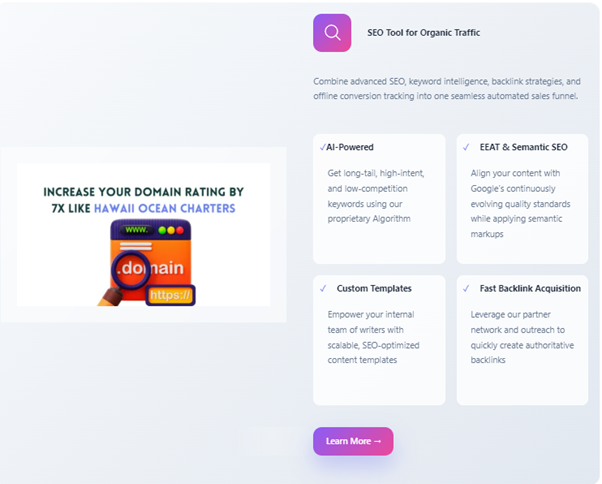
Whether you want to improve keyword rankings, expand your online visibility, or strengthen your site’s overall health, you’ll have the tailored SEO strategy to guide your strategy effectively.
AI-powered platform built for e-commerce brands. Instead of relying on guesswork, you get data-driven insights that connect your SEO efforts directly to growth and conversions.
Here’s how CausalFunnel helps you stay ahead every month:
Monthly SEO tasks help protect your hard work. Search engines change often, so a simple monthly routine keeps your site strong. These tasks keep your content fresh and your pages ready for new traffic.
Small efforts grow into big wins over time. Monthly reviews help you catch problems early and fix them fast. They also improve your chances to rank higher for important keywords.
Keep your process simple and consistent. Use your checklist every month and track your progress closely. Strong SEO comes with steady action and clear planning.
With steady effort, your site becomes more trustworthy and helpful. These steps guide you toward long-term results. Focus on the process, and you will see the benefits of these monthly SEO tasks over time. For many businesses, this consistency also answers a key question: is SEO worth the investment in the long run.
Monthly SEO tasks can help you drastically rank up if your ranking drops early. It also keeps your content updated, fixes technical issues, and stays aligned with Google’s ongoing algorithm changes. This steady routine keeps your site healthy and competitive.
Weekly SEO checks help in finding out the small changes that require minor adjustments, including minor keyword shifts. Quarterly audits cover bigger strategic trends. Monthly tasks sit between them to help you maintain stability, update content, review technical health, and track overall performance.
Skipping monthly tasks can lead to ranking drops, outdated content, crawling issues, toxic backlinks, and missed opportunities. Small problems can turn into bigger issues that hurt visibility and traffic.
Yes. Tools like Google Search Console, GA4, Ahrefs, Semrush, Screaming Frog, and Sitebulb help with keyword tracking, traffic analysis, backlink checks, and technical auditing. You can also use AI-powered platforms like CausalFunnel to automate and streamline tasks.
Depending on website size, monthly SEO can take a few hours to a few days. Using automation or AI tools can significantly reduce the time required and improve accuracy.
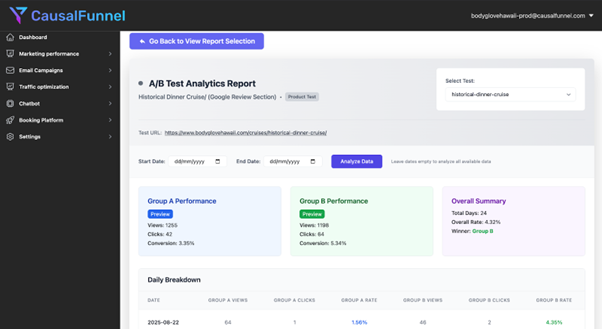
Yes. CausalFunnel simplifies monthly SEO by offering AI-based keyword insights, performance tracking, competitor analysis, funnel mapping, behavioral analytics, nudges, and A/B testing. It helps you connect SEO work directly to conversions and revenue.
Start using our A/B test platform now and unlock the hidden potential of your website traffic. Your success begins with giving users the personalized experiences they want.
Start Your Free Trial

Empowering businesses to optimize their conversion funnels with AI-driven insights and automation. Turn traffic into sales with our advanced attribution platform.
Trusted by Customers


©CausalFunnel Inc. All rights reserved.