



Free Funnel Audit
Convert more customers today!
SEO
10 mins read


SEO
10 mins read

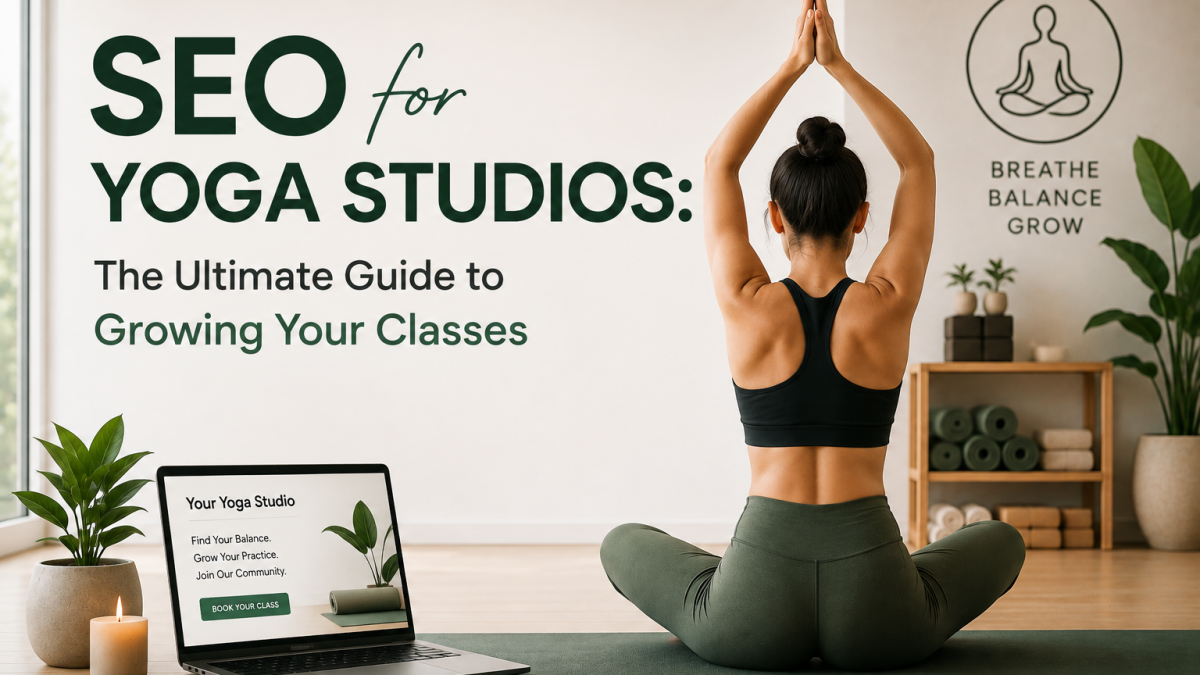
SEO for yoga studios helps nearby people find your classes when they are ready to book. It puts your studio in front of people searching Google for yoga nearby. That can mean more calls, class visits, trial bookings, and memberships.
A great studio alone cannot win that search. People first need to find it whether it’s through your website, Google Business Profile, class pages, reviews, or local links. The goal is simple and that is to show up when the right person searches, then make booking feel easy.
A small yoga studio needs search visibility because most clients are local. Someone searching “hot yoga near me” is not browsing for fun. That person may want a class today. This makes search traffic quite different from social traffic. An Instagram user may enjoy your pose video and keep scrolling but a Google user searching “beginner yoga classes in Austin” has a clear need.
Even if you have a beautiful website, it does not guarantee visibility. This can be a hard pill to swallow because sometimes a plain studio website with strong local signals may outrank a stunning site with weak listings.
Google says local results mainly depend on relevance, distance, and prominence. Complete business details help Google understand how well a business matches a search. Reviews and links can also support prominence.
Think about two studios three miles apart. One has accurate hours, fresh reviews, class pages, and clear location details. The other relies on Instagram and a single schedule page. Google has far more context about the first studio. That is why search work matters as it connects demand that already exists with your classes.
For studios that want outside support, CausalFunnel offers AI SEO services that include keyword research, on-page work, technical SEO fixes, content, backlinks, and reporting. Its local-business offering also covers Google Business Profile work and local keyword tracking.
Start with the searches your current students already used and ask new members how they found the studio. Their answers can reveal phrases no keyword tool suggests. A broad phrase like “yoga” tells very little but “Beginner vinyasa yoga in Denver” tells much more. It shows the class type, skill level, and location giving you a page to build.
Search intent also matters just as much as volume. “What is yin yoga?” suggests research while “Yin yoga classes near me” suggests someone is closer to booking. Both can matter, but they need different pages.
But do you really need thousands of searches each month? No. A local studio may gain more value from ten high-intent searches than hundreds of vague visits. Empty traffic does not fill mats.
Map keywords to the actual classes you sell. For example:
Then give each key service its own useful page. A hot yoga page should explain the heat level, class length, what to bring, and who it suits. Add the schedule and booking path too.
Make sure to avoid making five thin pages for five keyword variations. One strong page can cover closely related searches. Start narrow and win the searches closest to a booking first.
Ranking locally is not mostly about your website. Your Google Business Profile can shape whether people see you in Maps and local results. Google recommends keeping business information complete, accurate, and current.
Always start with the basics such as your studio name, address, phone number, website, and hours. Choose the closest business category available. Add useful photos of the studio entrance, practice space, and classes.
Reviews also deserve care. Ask after a positive moment, not at random as a good time may be after a beginner finishes a first class or completes an intro package. Also, make sure to reply to reviews. Even a short, warm response shows the profile is active.
These days many studios use third-party booking systems. Mindbody, Vagaro, WellnessLiving, and Momence are common examples. These tools can be useful for clients, yet their setup deserves an SEO check.
The problem is not that Google “cannot read JavaScript.” Google does render JavaScript, yet Google also says JavaScript pages have limitations, and content missing from rendered HTML cannot be indexed.
Suppose your page says only “View Schedule.” Every class name, teacher, time, and description then loads inside a script. If key details are absent from rendered content, search engines may get less useful context.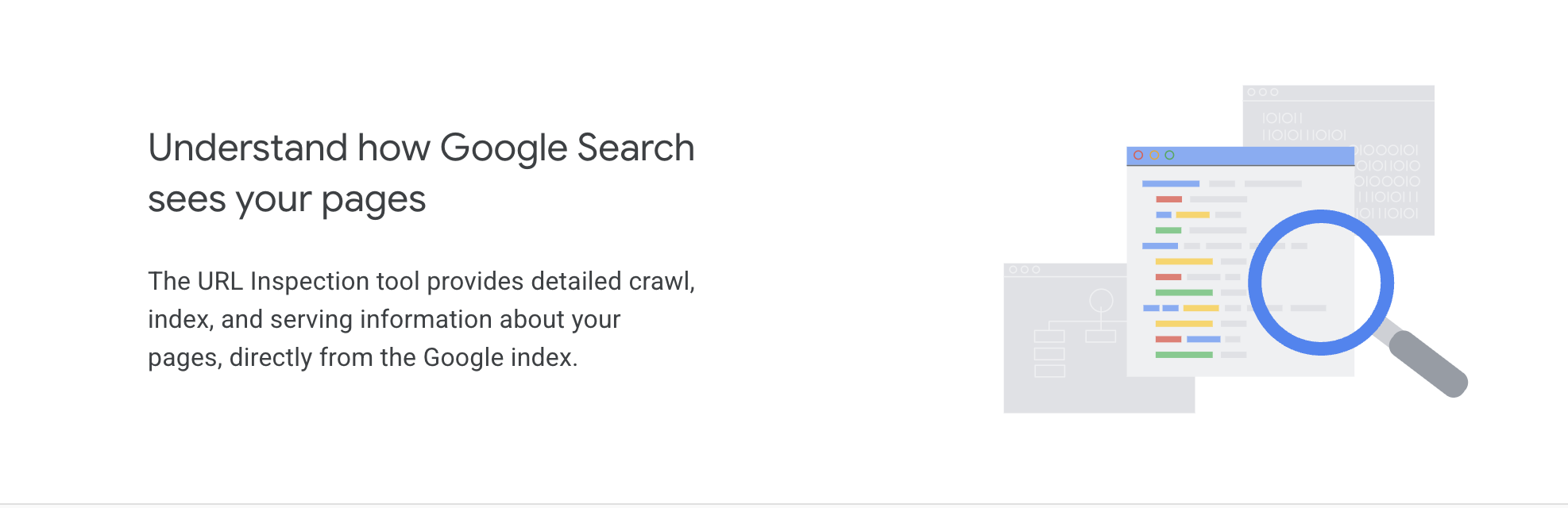
Use Google Search Console’s URL Inspection tool to test the page. Check what Google can actually see after rendering. Do not assume the browser view tells the full story. A safer class page includes useful HTML text outside the widget. Describe the class, level, teacher type, location, and usual schedule. Then let the booking tool handle the transaction.
Multi-location studios need another check. Booking platforms can create similar pages for each branch. Copying the same class text across three locations gives search engines little reason to treat each page as unique.
Give every location real local value instead. Mention parking, landmarks, class availability, instructors, neighborhood details, and studio features.
For the Google Business Profile itself, focus on five basics:
Google says relevance, distance, and prominence are key local factors. Distance cannot be hacked. The other signals give you more room to work.
A slow site with great content can still frustrate visitors. Yoga sites often have one obvious culprit: huge photos. Those warm studio shots look great but a six-megabyte hero image does not. Therefore, resize and compress images before uploading them.
Mobile use matters just as much. Someone may search for an evening class while leaving work. They should see the schedule, price, address, and booking button without pinching the screen.
Google’s current Core Web Vitals guidance sets “good” targets at 2.5 seconds or less for Largest Contentful Paint. Interaction to Next Paint should stay under 200 milliseconds and Cumulative Layout Shift should remain below 0.1.
Do not chase perfect scores at the cost of sanity. Google itself notes that Core Web Vitals are only part of page experience. A perfect score does not guarantee top rankings.
Three technical areas deserve regular checks:
Google uses structured data to better understand page content. Its supported features include Local Business, Event, Organization, and Profile Page markup. Keep page titles clear too such as “Prenatal Yoga Classes in Boulder | Studio Name” says far more than “Classes.”
The best blog ideas are often trapped at the front desk. Therefore, listen to the questions students ask each week. Those questions reveal what future students may search for. A generic article called “Benefits of Yoga” faces huge competition and gives a local reader little reason to choose your studio.
Imagine three calls arrive this month about prenatal classes. One caller asks what trimester can start, another asks what to wear, while the third wants to know if beginners can join. That is content demand sitting in plain sight.
Turn useful questions into detailed posts and then link those posts to the class page where a reader can act. A post should not become a dead end. Publishing every day is not needed. For many small studios, two strong posts each month are more realistic. Quality and relevance beat a frantic posting calendar.
Useful topics could include:
Keep medical claims in check as yoga content often drifts into promises about pain, anxiety, pregnancy, or injury. Health claims need qualified sources and careful wording. The topic should lead somewhere useful. If the studio does not offer prenatal yoga, there is little value in chasing prenatal searches just for traffic.
Backlinks do not have to start with cold outreach but they can start with a useful event. Consider a studio that runs a mobility workshop with a local physical therapist. The therapist creates an event page and links to the studio. The studio promotes the therapist. Both sides gain a relevant local connection.
That link makes sense because the relationship is real. It is far stronger than a random directory listing from a site nobody visits. The same idea works with prenatal specialists, run clubs, climbing gyms, community groups, colleges, or local wellness events. Pick partners whose audience overlaps with yours.
A studio could also host a free beginner session for a nearby employer. The employer may list the event on its public wellness page. That can produce referral traffic and a useful local mention.
Local news can help when there is a genuine story. A charity class, park event, fundraiser, or unusual community program may earn coverage. Sending a press release about a normal Tuesday class probably will not.
Never buy bulk backlink packages and avoid swapping links with unrelated sites just to inflate a count. Those tactics create risk without building local trust. The best link answers a basic question: would this mention exist even if Google disappeared tomorrow? If yes, it is usually worth pursuing.
Most yoga SEO advice could apply to any local shop. Studios have a few problems that need more care. A yoga business may have many instructors, many class styles, and several branches. Without a plan, those pages become thin or repetitive.
Picture a three-location studio. Each branch gets the same 400-word description with only the city changed. That does not help someone choose a location. It also gives search engines very little unique context.
Watch for these four problems:
There is another common trap. Some studios create a new page for every tiny keyword change. “Yoga in Brooklyn,” “Brooklyn yoga,” and “yoga classes Brooklyn” do not need three near-identical pages. Build pages around real choices instead with class, location, teacher, and need.
Most studios can do this themselves but not all of them should. A single-location studio with a small class menu can cover much of the groundwork in-house. Keep the Google Business Profile current, build good class pages, and ask for reviews and publish useful answers.
SEO for yoga studios becomes harder as the business grows. Three locations may mean separate listings, location pages, schedules, instructor pages, reviews, and technical checks. Someone must keep them accurate.
DIY often fits when the studio has one location, simple booking needs, and time each month. Outside help makes more sense with multiple branches, technical issues, weak organic growth, or limited staff time.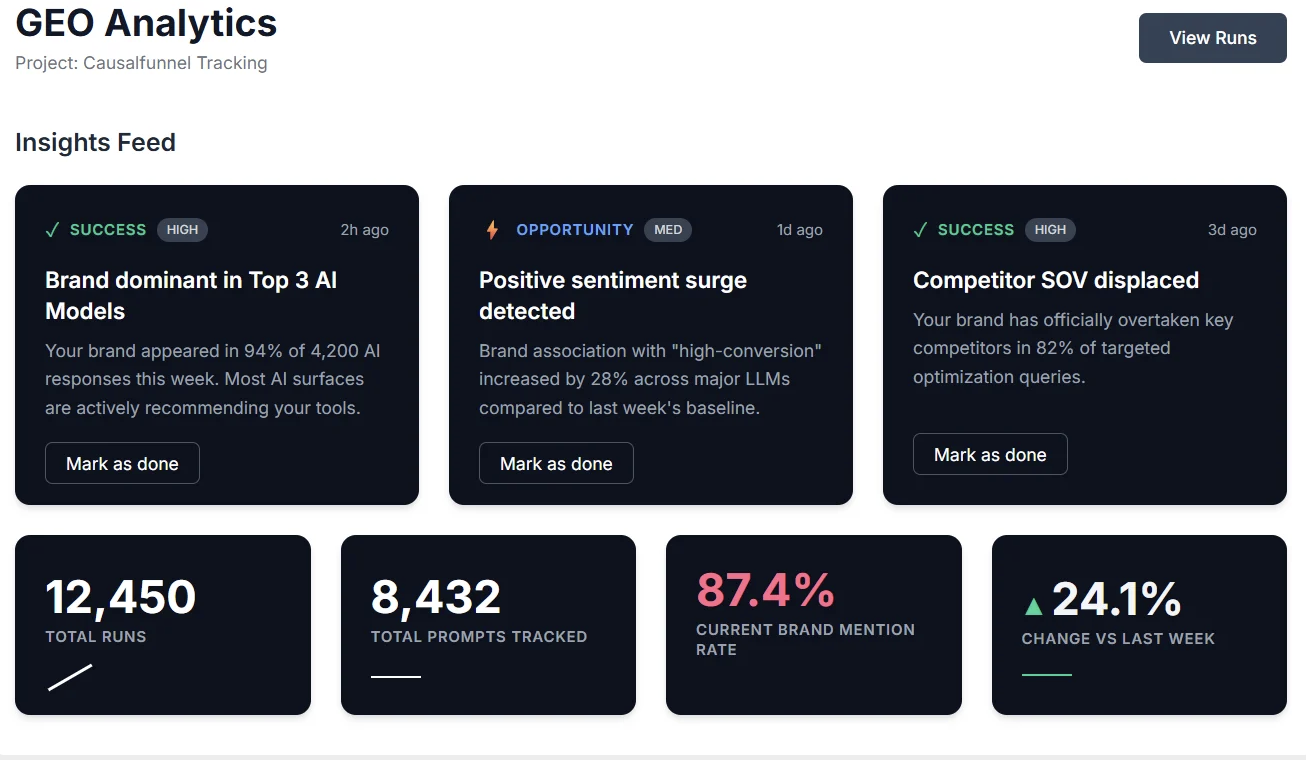
If a studio wants that support, CausalFunnel’s SEO & GEO services cover keyword research, on-page optimization, technical fixes, content, backlink work, and monthly reporting. Its platform also includes testing and analytics tools, which can help connect traffic work with conversion work.
Track actions, not visits. Traffic feels good, but class sign-ups pay the rent.
Start with Google Search Console and look at which search queries bring impressions and clicks. Watch whether class and location pages gain visibility over time and then check website analytics. Focus on actions that show intent. Booking-link clicks, contact-form submissions, calls, and trial-class sign-ups matter more than raw page views.
Google Business Profile performance deserves attention too. Local visibility can lead to website visits, calls, direction requests, and other actions before someone explores the full site.
Check these three areas:
Do not panic over weekly ranking shifts. Local results vary with search location and other factors. Google explicitly includes distance among its local ranking considerations.
Look for trends over months instead. A useful report should tell a simple story. Which pages gained visibility? Which searches brought people in? Which pages helped those people book?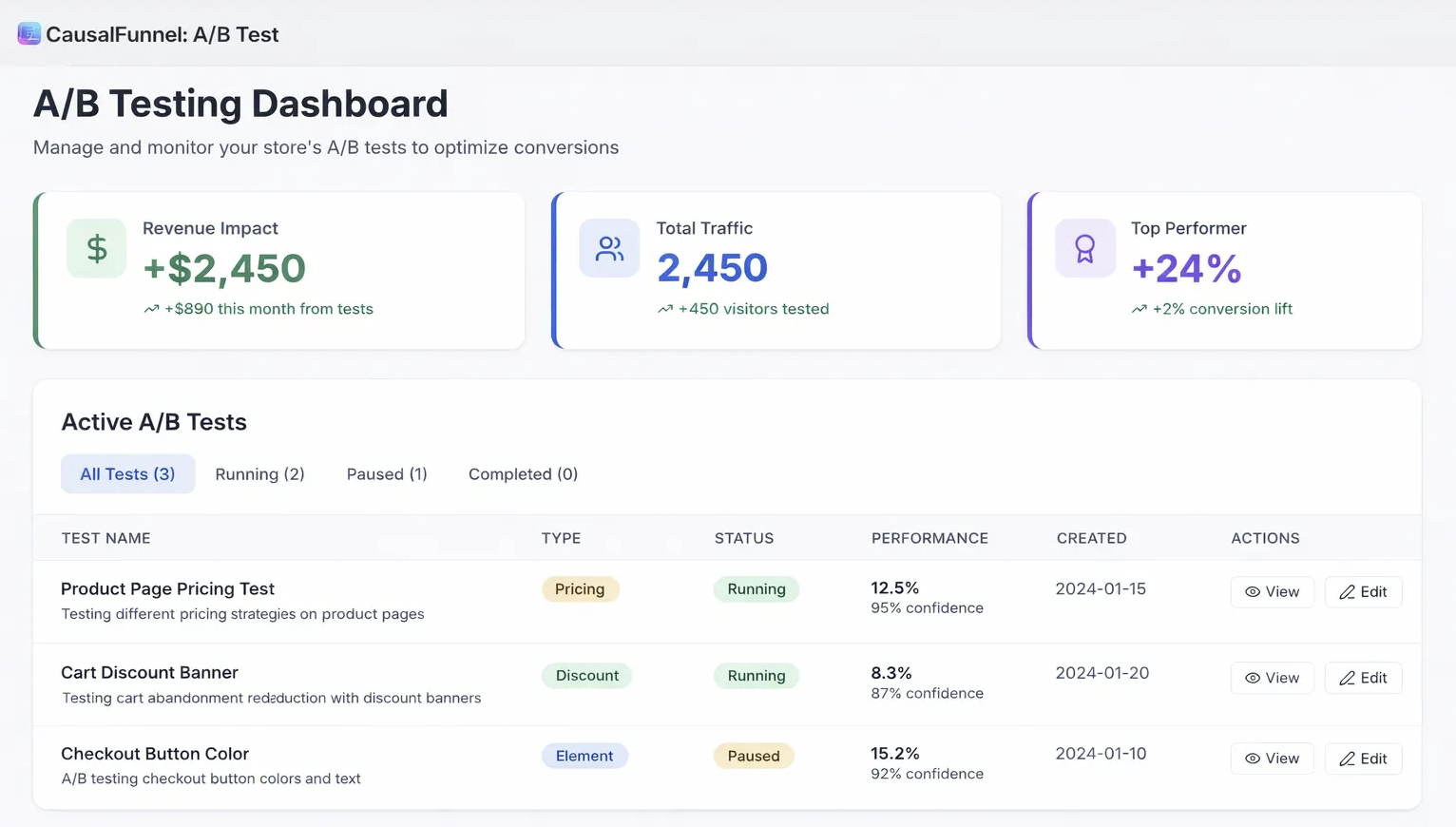
CausalFunnel also pairs SEO work with analytics and A/B testing tools. That can be useful when a studio already gets search traffic but wants to test booking pages and conversion paths.
The first move is not publishing twenty blog posts. Start with the place nearby students are most likely to meet your studio: Google. Make the Google Business Profile complete and accurate. Then make sure each key class has a useful page. Check what Google can see, especially when booking software controls the schedule.
From there, build slowly. Better pages, stronger reviews, useful local links, and clear tracking can compound over time. Your classes may already be good enough to retain students. The bigger question is whether the next student can find them.
A yoga studio may see some local improvements within a few months, but meaningful organic growth often takes longer. A studio with an established site and good reviews may move faster. A new domain in a competitive city may need much more time. Technical problems can slow progress too. Measure early gains through impressions, profile actions, and booking clicks. Do not judge the whole campaign by one ranking.
The best keywords combine your classes, location, and search intent. Examples include "hot yoga near me," "beginner yoga classes in Austin," and "prenatal yoga in Denver." Start with terms tied closely to bookings. Then target useful questions through blog posts. Specific searches may have lower volume, but they often bring more relevant visitors.
Yes, a Google Business Profile is vital for a local yoga studio. It can help the studio appear in Google Search and Maps when nearby people look for classes. Keep your hours, address, phone number, website, and categories accurate. Add current photos and respond to reviews. Check the profile often when schedules or holiday hours change.
Yes, many single-location yoga studios can manage basic SEO themselves. An owner can optimize the Google Business Profile, improve class pages, request reviews, and publish useful local content.
Hiring help makes more sense when technical problems appear. It can also help when the studio has several locations or little marketing time. The key question is whether someone can maintain the work each month
A yoga studio can improve local visibility by keeping its business information accurate and building strong local signals. Google considers relevance, distance, and prominence when ranking local results. Complete your profile and choose accurate categories. Earn genuine reviews and keep your website location details consistent. Strong local pages and relevant links can also support visibility.
Important class types should usually have dedicated pages when they serve different search needs. Hot yoga, prenatal yoga, restorative yoga, and beginner yoga attract people looking for different things. Do not create separate pages for tiny keyword variations. Each page should provide real value, such as class details, skill level, schedule information, instructor details, pricing, and a clear booking option.
Start using our A/B test platform now and unlock the hidden potential of your website traffic. Your success begins with giving users the personalized experiences they want.
Start Your Free Trial

Empowering businesses to optimize their conversion funnels with AI-driven insights and automation. Turn traffic into sales with our advanced attribution platform.
Trusted by Customers


©CausalFunnel Inc. All rights reserved.