


Free Funnel Audit
Convert more customers today!
SEO
10 mins read


SEO
10 mins read
Great service alone does not always bring reviews. Customers may leave smiling, tell their family, and still forget to post online. They become busy, and by dinner, your review request may be buried under work emails and group chats.
That is why your business needs a simple review process. The goal is not to pressure people but to make sharing an honest experience feel quick and natural.
To get more Google reviews, ask every real customer at the right time and give them a direct review link. Keep the request short, personal, and easy to complete. Most happy customers will help when the process takes only a minute.
This guide explains how to get more Google reviews through safe, practical methods. You will learn when to ask, what to say, and which mistakes to avoid. You will also see how reviews support trust, local reach, and sales.
Before learning how to ask, it helps to know why reviews matter. A Google review often creates a customer’s first view of your business. Your rating appears beside your name, address, photos, and contact details.
Imagine someone searching for an emergency plumber at 10 p.m. They see three nearby businesses with similar services. One has 18 reviews, while another has 240 detailed reviews. Which one feels like the safer call?
That choice happens in seconds. Reviews reduce doubt before customers visit your website. They show that real people have tried your service and found value.
Google also confirms that review count and positive ratings may help local rankings. Reviews form part of a business’s overall prominence in local search. Still, distance and relevance also affect the results. There is no magic review count that guarantees first place.
A steady flow of reviews can support your business in several ways:
Reviews also help you understand your brand through fresh eyes. You can use it in ads, service pages, and sales calls. Reviews do more than praise your work. They tell you why customers choose you.
Yes, Google allows businesses to ask real customers for honest reviews. You can share an official review link or QR code. Google provides both options through your Business Profile.
The key word is “honest.” You should not tell customers which rating to select. You should also avoid rewards tied to reviews.
Google prohibits fake engagement and reviews influenced by discounts, payments, gifts, or free goods. It also prohibits attempts to pressure people into giving certain ratings.
A safe request sounds like this:
“Thank you for choosing us. Would you share your honest experience on Google? Your feedback helps our team improve.”
An unsafe request sounds like this:
“Leave us a five-star review and receive 10% off.”
The first request welcomes honest feedback. The second tries to influence the customer’s rating. That small difference can create a large policy risk.
A good review plan has three parts. First, deliver an experience worth discussing. Next, ask while that experience feels fresh. Then, remove every needless step.
Many owners focus only on the request message. Yet the message cannot fix poor service or a broken process. If bills surprise customers or calls go unanswered, more requests may bring more complaints.
Your Google Business Profile should look active and accurate. Customers may hesitate to review a page with old hours or the wrong phone number. They may even post on a duplicate listing by mistake.
Therefore, check your profile from a customer’s phone. Confirm that its name, location, contact details, website, and business type are correct. Also, remember to add current hours, including changes for public holidays.
You should also check these key details:
Google says complete and accurate information can improve a profile’s chance of appearing in relevant local results. A clear profile also assures customers that they have found the right company.
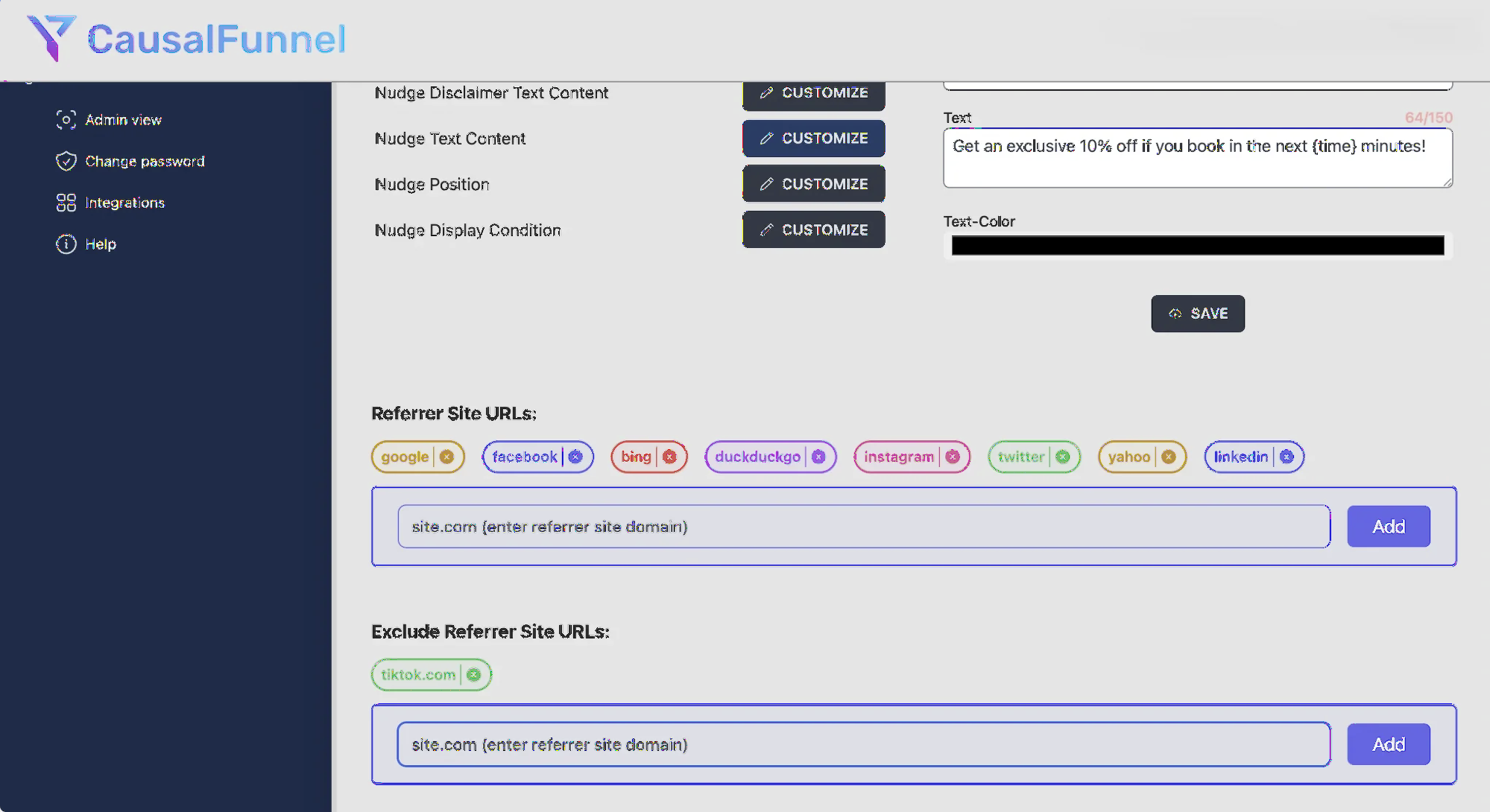
If local visibility remains weak, reviews may be only one part of the issue. CausalFunnel offers SEO and conversion rate optimization services that can help businesses improve search visibility and turn more visits into inquiries. The wider goal is not simply collecting stars but to bring the right customer from search to sale.
Never make customers hunt for your review form. Each extra tap gives them another reason to stop. This is when a direct link helps by opening the review box with far less effort.
Google lets eligible businesses create a review link through their Business Profile. You can then use that link in texts, emails, receipts, or thank-you pages. You can also turn it into a QR code for printed materials.
Follow Google’s current steps:
Timing can make or break a review request. If you ask too soon, the customer cannot judge the full experience. On the other hand, if you wait three weeks, their excitement may fade.
The best moment comes just after the customer sees the result.
Strong moments include:
Do not ask while someone is paying a surprise fee or when a customer seems rushed. A good request should feel like part of the thank-you, not another sales pitch.
Generic messages are easy to ignore. A personal note shows that the request came from a real person. It also reminds the customer of the experience they had.
Use their first name when appropriate and mention the service, item, or staff member involved. Keep the message warm, but avoid writing a novel.
Here is a simple text template:
“Hi Maria, thank you for choosing us for your kitchen repair today. If you have a minute, would you share your honest experience on Google? Here is the link: [review link]”
For an email, try this:
“Subject: How did we do?
Hi James,
Thank you for trusting our team with your recent appointment. We hope everything went smoothly. Would you share your honest feedback on Google? It helps our team learn and helps local customers make informed choices.
[Leave a Google review]
Thank you,
The Customer Care Team”
The best request should sound like your business. Don’t try too hard to sound like any other business, as you will then lose your authenticity.
An in-person request often feels warmer than an automated message. It works best when a customer has already shared positive feedback. The conversation gives your staff a clear opening.
Suppose a customer says, “Your technician made this so easy.” A staff member can reply:
“That means a lot to us. Would you mind sharing that feedback on Google? I can send you a quick link.”
This reply does not pressure the customer or ask for five stars. It merely gives them a clear next step. Avoid putting customers on the spot. Do not stand over them while they type. Ask once, share the link, and let them choose.
Text works well because people tend to see it quickly. It is useful for home services, clinics, salons, auto shops, and other appointment-based businesses. Still, you should only message customers who have agreed to receive texts where consent is required.
Send the text soon after the service ends. Use the direct link and explain why the feedback matters. One clear request is enough.
A helpful formula is:
(Thank the customer + mention the service + ask for honest feedback + add the link)
For example:
“Hi Ana, thanks for visiting Green Leaf Dental today. Would you share your honest feedback on Google? It only takes a minute: [link]”
Avoid a wall of text. The reason for this is that the customer should see the purpose without opening another screen. Also, please resist the urge to add seven emojis. One friendly symbol may work, but a parade can make a real request look like spam.
Email gives you more space than text. It suits professional services, large purchases, online orders, and longer projects. You can explain why feedback matters without making the message feel cramped.
Place one clear review button near the top. Do not hide it below offers, social links, and company news.
Try this structure:
You can automate this email through your booking or customer management system. Yet
automation should not feel cold. Use the customer’s name and service details when possible.
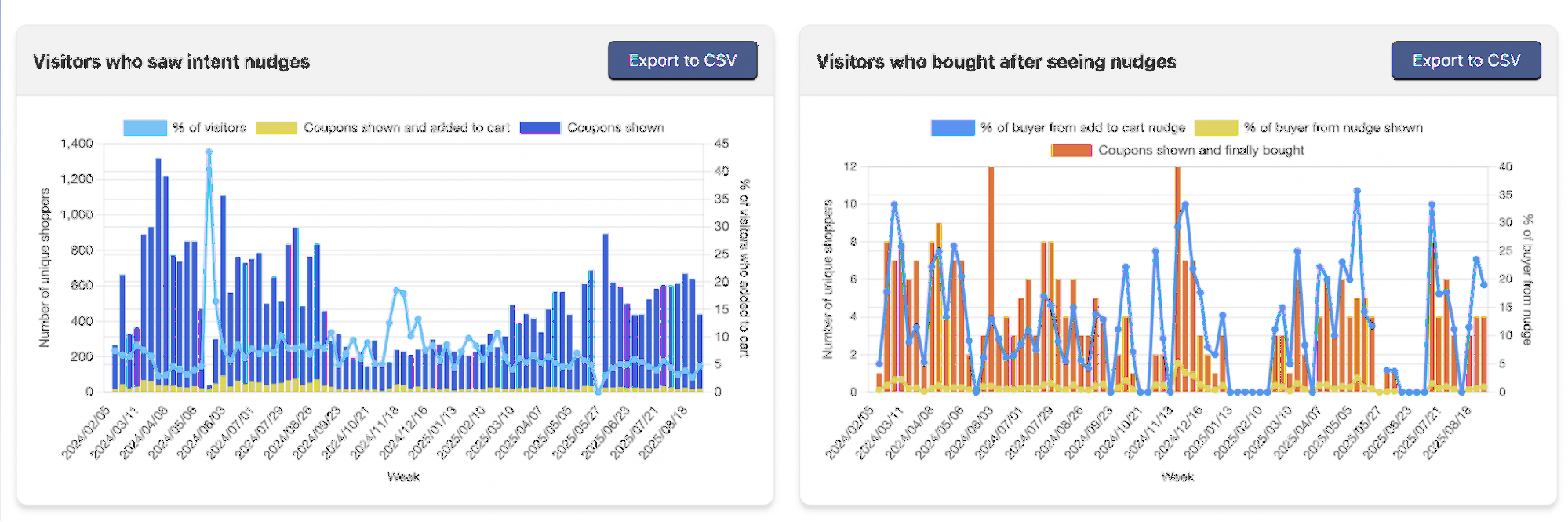
A broader digital plan can make this process easier. CausalFunnel provides AI-led marketing, landing page optimization, and conversion strategy services. These tools can help businesses study customer behavior and improve the path from first click to follow-up.
A QR code connects the physical experience with your online profile. Customers scan it with their phone and reach the review form without typing anything.
Place the code where customers naturally pause. A restaurant can put it near the bottom of a receipt. An auto shop may add it to the service report. A hotel can place it on a checkout card.
Useful placements include:
Add a short call to action beside the code. “Scan to share your honest feedback” works well. Make sure to test the code after printing because small or blurry codes may not scan.
Do not place the sign where it causes pressure. For example, a large “Give us five stars” board beside the cashier can feel forced. Invite feedback rather than telling people what to say.
One owner cannot manage every customer request. Your front desk, sales team, technicians, and support staff all play a role. Give them a short process they can follow.
Training should focus on natural moments, and staff members should know who can be asked, when to ask, and what words to use. They should also know when to step back.
A simple staff script might be:
“I’m glad we could help today. We value honest feedback. May I text you our Google review link?”
Practice the script during a brief team meeting and let each person adjust it so it sounds natural. However, remember that a memorized line should not sound like a robot reading a parking ticket.
Do not pay staff based only on positive review counts. That may encourage pressure or unfair selection. Reward consistent use of the approved process instead.
A review request should not depend on someone remembering it. Build it into the normal customer journey. This makes results steadier and reduces work for your staff.
Map the steps from purchase to follow-up. Find the point where the customer has received clear value. Then place the request there.
For example, a simple service flow may look like this:
This system helps you learn how to get more Google reviews without sending random bursts. Ten genuine reviews each month may look more natural than 100 reviews after a long silence.
Tracking can also show where people stop. CausalFunnel’s SEO, Google Ads, and conversion optimization services can help a business connect local visibility with landing page actions and lead results. This keeps the focus on business growth, not review totals alone.
People forget; therefore, a gentle reminder can help, especially when the first request arrives during a busy workday. Send one follow-up after a few days.
Keep it even shorter than the first message:
“Hi Ben, just a quick follow-up. If you have a moment, we would value your honest feedback about Tuesday’s service: [link]”
Do not send daily reminders. Repeated requests can feel like pressure and may harm the customer relationship. One reminder is usually enough.
Also, stop asking once the customer posts a review. Poor system syncing can cause awkward moments. Nobody wants three more review texts after already writing a kind paragraph.
Responses show that your business listens. Google also says helpful replies can help a business stand out by making your profile feel active and cared for.
Reply to positive reviews with specific thanks, and avoid pasting the same line under every comment. If a customer mentions a staff member or service, refer to it.
For a positive review:
“Thank you, Lisa. We’re glad Carlos made the repair process clear and stress-free. We appreciate your trust and hope to help again.”
For a negative review:
“Thank you for sharing this, Mark. We’re sorry the wait was longer than expected. Please contact our manager at [contact method] so we can review the visit and help.”
Stay calm and do not argue, blame, or reveal private details. Your reply is not only for the reviewer, but future customers will read it too.
Negative reviews can also reveal weak points. If three customers mention slow replies, the real problem may sit in your phone process. Fixing that issue may do more for your rating than any clever request message.
A review plan needs basic tracking. Otherwise, you will not know which request method works. You also may send too many messages without seeing better results.
Track a few simple numbers each month:
Use separate tagged links when your tools allow it. You may find that personal texts work best for repairs, while email works better for business clients.
Set a realistic goal based on customer volume and compare your progress with your own sales and service numbers. Learning how to get more Google reviews is an ongoing process.
Test the timing, channel, and wording. Keep what feels easy for customers, and remove what creates friction.
Shortcuts may increase review counts for a few weeks. They can also damage trust and expose your profile to policy action. Fake or manipulated feedback is not worth that risk.
Avoid these practices:
Google states that reviews should reflect a genuine experience. Fake engagement and rating manipulation may be removed. Suspicious tactics can also make real customers question every review on the page.
Ask for honest feedback from real customers. That simple rule keeps your review program on safe ground.
You should not use a private survey to decide who receives a Google review request. This practice is often called review gating. It creates a biased picture by directing happy customers to Google while keeping unhappy ones away.
A fair system gives real customers the same chance to respond. You can still send a private satisfaction survey, but access to the public review link should not depend on a high score.
Does that mean inviting angry customers to post? It means focusing on honest feedback instead of a perfect rating. A real profile may include some criticism. Thoughtful responses and visible improvements can build more trust than a flawless wall of praise.
There is no universal target. A useful number depends on your field, location, customer volume, and nearby competitors. A rural repair shop and a Manhattan restaurant face very different markets.
Study three to five strong local competitors. Look at their review counts, ratings, and recent review pace. Do not copy them blindly but use the data to set a sensible range.
If competitors receive 10 reviews each month, aim for steady growth near that level. If you currently have five reviews, focus on reaching 20 genuine reviews first. Small milestones feel more useful than chasing a huge number.
Recency matters to customers too. A business with 300 old reviews may feel less active than one receiving fresh comments each week. The goal is a natural flow, not a one-time flood.
You may see results within days after starting a clear request process. Yet lasting growth usually takes months. The speed depends on how many customers you serve and how often you ask.
For example, suppose you serve 200 customers monthly. If you request feedback from half of them and 10% respond, you may earn 10 reviews. Improving the link, timing, or message could raise that result without increasing pressure.
Do not expect every customer to respond. Some people never write reviews while others need a reminder. Focus on making the process simple and consistent.
The best way to get more Google reviews is not a trick. Deliver good work, ask at the right time, and make the next step easy. Then listen to what customers say.
Start with one change today. Create your direct review link and send it to five recent customers who had genuine experiences. Next, add the request to your regular service process.
Reviews should not become a vanity score. They should act as a live record of customer trust.
Yes. You can ask real customers to share honest feedback. Google even lets businesses create a direct review link and QR code. Do not demand a high rating or offer a reward.
Ask shortly after a successful customer experience. Send a personal text or email with a direct review link. A clear request with fewer steps usually earns more responses.
They may forget, feel too busy, or find the review process confusing. Test your link and shorten the message. One polite reminder can also help.
You generally cannot remove a review simply because it is negative. Report it only when it violates Google’s rules. Otherwise, respond with care and try to solve the underlying concern.
First, avoid arguing in public. Report the review through your Business Profile or Google’s Reviews Management Tool when it breaks policy. Google removes reviews based on policy violations, not merely because a business dislikes them.
Yes, reviews can support local prominence and customer trust. Google says more reviews and positive ratings can help local ranking. Relevance, distance, and complete business information also matter.
Start using our A/B test platform now and unlock the hidden potential of your website traffic. Your success begins with giving users the personalized experiences they want.
Start Your Free Trial

Empowering businesses to optimize their conversion funnels with AI-driven insights and automation. Turn traffic into sales with our advanced attribution platform.
Trusted by Customers


©CausalFunnel Inc. All rights reserved.