



Free Funnel Audit
Convert more customers today!
SEO
10 mins read

SEO
10 mins read
Most people search online before they book any tour. They usually click only the top Google results. If your website is not visible on those results, you lose bookings every day.
Many tour businesses offer great experiences, but they still struggle to get online visibility.
This is where SEO for tour operators becomes important. SEO helps your tour business appear in search results. It brings visitors who are actively planning trips. These visitors often convert into paying customers quickly.
In this guide, you will learn simple SEO steps to improve visibility and increase direct bookings. We will also explore the most effective SEO strategies that help both small and large tour businesses grow online.
SEO means improving your website to rank higher on Google. For tour businesses, it means showing up when people search for tours.
When someone searches “city tours” or “best tours nearby,” Google shows results.
If your website is optimized, you appear in those results. Tour operators use SEO to attract travelers organically. It reduces dependence on paid ads and travel platforms.
A simple search journey looks like this:
Traveler searches → Google results → clicks website → books tour
If you are not visible, this journey breaks early. Tour operator SEO focuses on three main things:
This is why tour operator SEO is critical today.
SEO directly impacts bookings and visibility. It helps you reach travelers at the right time.
Most travelers compare multiple tour options online, and usually pick businesses shown on page one. Paid ads stop when the budget ends, but SEO continues to bring traffic consistently.
Here is why SEO is important:
Tour businesses using SEO grow faster over time and attract users who already want to book. Even small operators can rank locally. Google rewards relevance and strong local signals.
That is why Best SEO for tour operators’ strategies focus on local search.
SEO is not just about rankings, but about turning visitors into customers.
Travelers go through a clear decision journey:
Your website must support all three stages.
At the discovery stage, users search for ideas.
Example: “things to do in Hawaii”
At the comparison stage, users evaluate options.
Example: “best Hawaii tour operators”
At the booking stage, users are ready to buy.
Example: “book a Hawaii sightseeing tour”
SEO helps you appear in all stages. Your website should guide users smoothly, and each page should answer one clear intent.
This improves engagement and conversion rates.
Keyword research is the basis of SEO success. It shows what travelers are actually searching for. Tourism keywords are usually location-based. They also depend on travel intent.
There are three main keyword types:
These keywords bring different types of traffic. Some users are exploring, others are ready to book.
Below is a simple keyword structure:
| Keyword Type | Example | Intent Level |
| Location | Tours in Hawaii | Medium |
| Experience | Food walking tours | Medium |
| Booking Intent | Best tour operator in Hawaii | High |
High intent keywords convert faster into bookings. Low intent keywords build traffic and awareness. A strong SEO strategy uses both types.
This is core to SEO for tour operators’ success.
Google Business Profile is very important. It helps you appear in local map results. Many travelers use maps to find tours because they trust local listings more than ads.
To optimize your profile:
NAP consistency is also important here. It means Name, Address, Phone number consistency.
If details differ, ranking can drop. Google prefers accurate and consistent information. Reviews also improve rankings strongly. More positive reviews increase trust and clicks.
This is a key part of the best SEO for tour operators’ strategy.
On-page SEO improves individual web pages and helps Google understand your content clearly.
Your website should have these pages:
Each page should target one keyword theme. Do not mix multiple topics on one page. Images also matter for SEO. Make sure that they are optimized properly.
Follow these steps:
Website speed also impacts rankings. Slow pages lose visitors quickly. Mobile optimization is also required, as most travelers use mobile devices.
A clean structure improves user experience and increases booking conversions.
| Element | Best Practice |
| Title tag | Include the main keyword naturally |
| Headings | Use clear H2 and H3 structure |
| Images | Compress and add alt text |
| URLs | Keep short and descriptive |
| Content | Focus on traveler intent |

Content helps attract new travelers, and builds trust before booking happens. Blogs are very useful for SEO as they target early-stage travel searches.
Examples include:
Service pages convert visitors into customers, whereas blog posts bring traffic first. Both work together for SEO growth.
Content should always be simple and useful. Therefore, avoid complex or repetitive writing. Good content increases time on page and improves overall ranking signals.
If you want better SEO results faster, you need a strong strategy and execution support. Tools alone are not enough today. You need structured optimization and tracking as well.
You can explore advanced SEO systems at CausalFunnel. We help improve conversion tracking and SEO performance to support better growth for tour businesses online.
Backlinks are strong ranking signals. They show trust in search engines. Tour websites need relevant and local backlinks. Random links do not help rankings.
Best link sources for tour operators include:
You can also collaborate with partners. For example, hotels can link your tours.
Guest posting also works well. It builds authority and visibility together. Backlinks improve domain strength over time, which leads to higher search rankings.
Technical SEO improves how search engines read your site. It also improves user experience. If your website is slow, rankings drop. If it is broken, Google avoids it.
Key technical SEO areas include:
Schema markup is also important. It helps Google understand your tours better.
For example, structured data can show:
This improves visibility in search results. Technical SEO supports long-term ranking stability. It is essential for SEO for tour operators’ success.
Local SEO helps you rank in nearby searches. It is very important for tour businesses.
Most travelers search with location intent. For example, “Hawaii tour operator near me.”
To improve local SEO:
Reviews increase trust and ranking strength. More positive reviews improve visibility.
Local SEO brings high-converting traffic. These users are ready to book tours. This is one of the fastest ways to grow.
SEO tools help track and improve performance. They make optimization easier and faster.
Here are useful tools:
| Tool | Purpose |
| Google Search Console | Track rankings and errors |
| Google Analytics | Monitor traffic behavior |
| Keyword planner | Find search terms |
| SEO audit tools | Fix website issues |
Tools help identify what is working and show what needs improvement. Using tools improves decision-making quality.
Many tour websites lose rankings due to simple mistakes. These mistakes are easy to fix.
Common issues include:
Avoiding these mistakes improves performance quickly. Small fixes often create big improvements. SEO success depends on consistency. Not one-time optimization.
SEO is not a one-time task. It is a long-term growth system. Tour operators must focus on steady improvements. Small updates create big ranking gains over time.
Google rewards websites that stay active. Fresh content signals trust and relevance.
To build long-term SEO success:
Consistency matters more than speed. Slow growth is still strong growth. This approach supports the SEO success of tour operators.
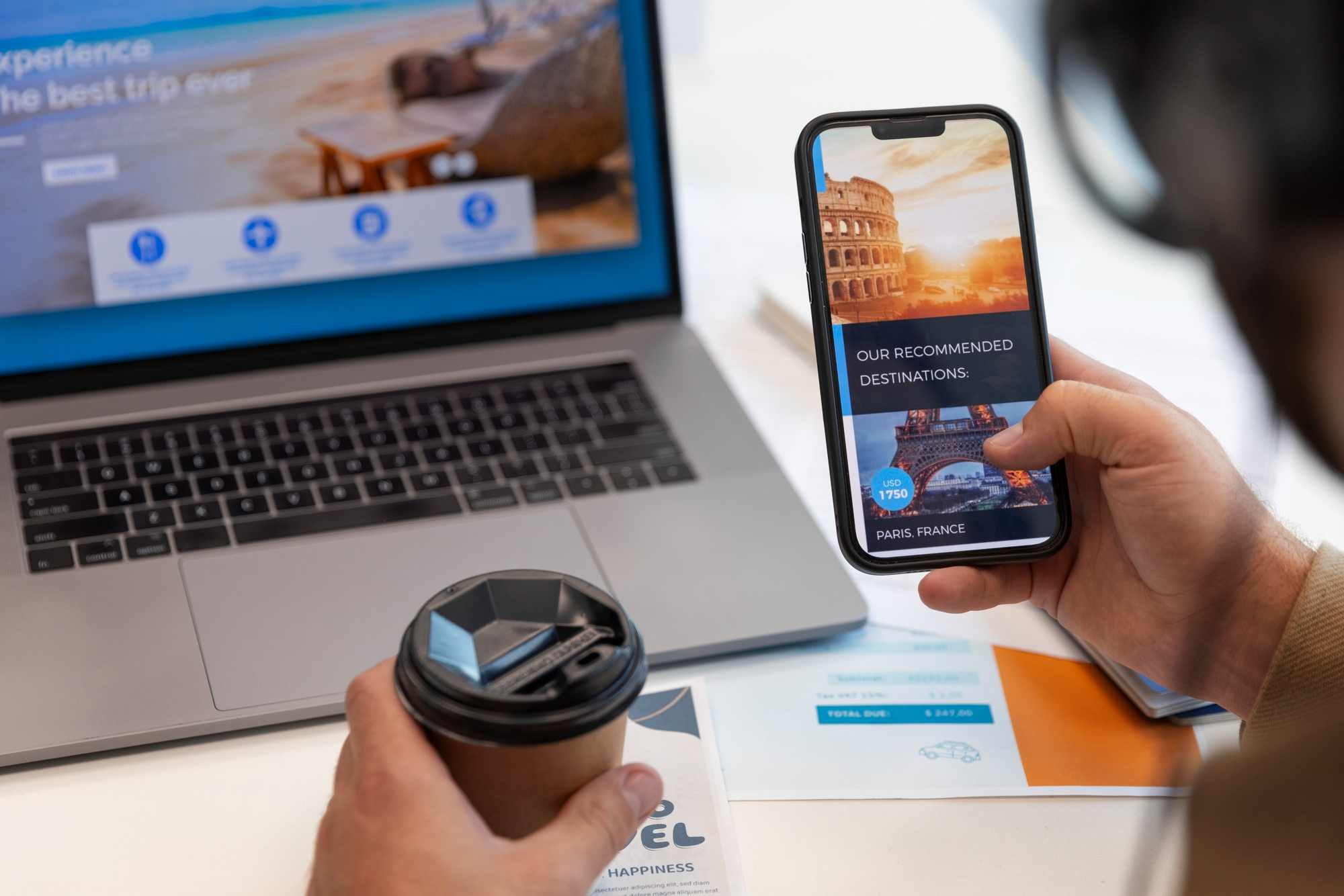
User experience affects SEO rankings directly. If users stay longer, rankings improve. Tour websites must feel simple and fast. Complicated designs reduce bookings quickly.
Key UX improvements include:
Visitors should find tours easily. Confusion leads to drop-offs. Better UX increases booking conversions and also improves engagement signals.
Google tracks these behaviors closely. So, UX is part of the best SEO for tour operators’ strategy.
Tracking helps you understand SEO progress. Without tracking, growth becomes unclear. You must measure what brings bookings. Traffic alone is not enough.
Important SEO metrics include:
Metric | Why It Matters |
Organic traffic | Shows visibility growth |
Keyword rankings | Tracks search position |
Conversion rate | Measures bookings |
Bounce rate | Shows engagement quality |
Regular tracking improves decision-making. It helps fix weak areas quickly. Tour operators should review data monthly to ensure consistent improvement.
Advanced SEO focuses on deeper optimization. It helps outperform competitors in crowded markets.
Key advanced strategies include:
Topic clusters organize related content under one main topic. This helps build stronger authority in Google search results. Voice search is also growing fast. Travelers often search using mobile voice.
Example searches:
Optimizing for these helps future traffic. Advanced SEO builds strong long-term visibility and supports sustainable booking growth.
SEO is the strongest growth channel for tour businesses that builds long-term visibility and trust. Tour operators who invest in SEO grow steadily. They reduce dependence on paid ads and platforms.
Success depends on three things:
Local SEO brings quick wins, content builds authority over time, and technical SEO supports stability. When all three work together, growth becomes predictable. More visibility leads to more bookings.
If you want sustainable travel business growth, SEO is not optional anymore. It is essential for success in 2026.
To take your SEO and conversion performance further with smarter tracking and growth systems, explore CausalFunnel. Our team of experts helps businesses with AI-driven conversion optimization, advanced analytics, and funnel tracking to turn more website visitors into paying customers.
SEO for tour operators is the process of improving website visibility. It helps tour businesses appear in Google search results. This leads to more traffic and bookings over time.
SEO helps attract travelers who are ready to book. It increases visibility without paying for ads. It also builds long-term trust and brand awareness.
The best strategies include local SEO, content marketing, and backlinks. Google Business Profile optimization is also very important. Together, these form the best SEO for tour operators' success.
SEO usually takes three to six months for results. Competitive locations may take longer to rank. Consistent updates improve results faster.
Yes, small operators can rank with strong local SEO. Focused keywords and reviews improve visibility quickly. Consistency matters more than business size.
Start using our A/B test platform now and unlock the hidden potential of your website traffic. Your success begins with giving users the personalized experiences they want.
Start Your Free Trial

Empowering businesses to optimize their conversion funnels with AI-driven insights and automation. Turn traffic into sales with our advanced attribution platform.
Trusted by Customers


©CausalFunnel Inc. All rights reserved.