



Free Funnel Audit
Convert more customers today!
SEO
10 mins read

SEO
10 mins read
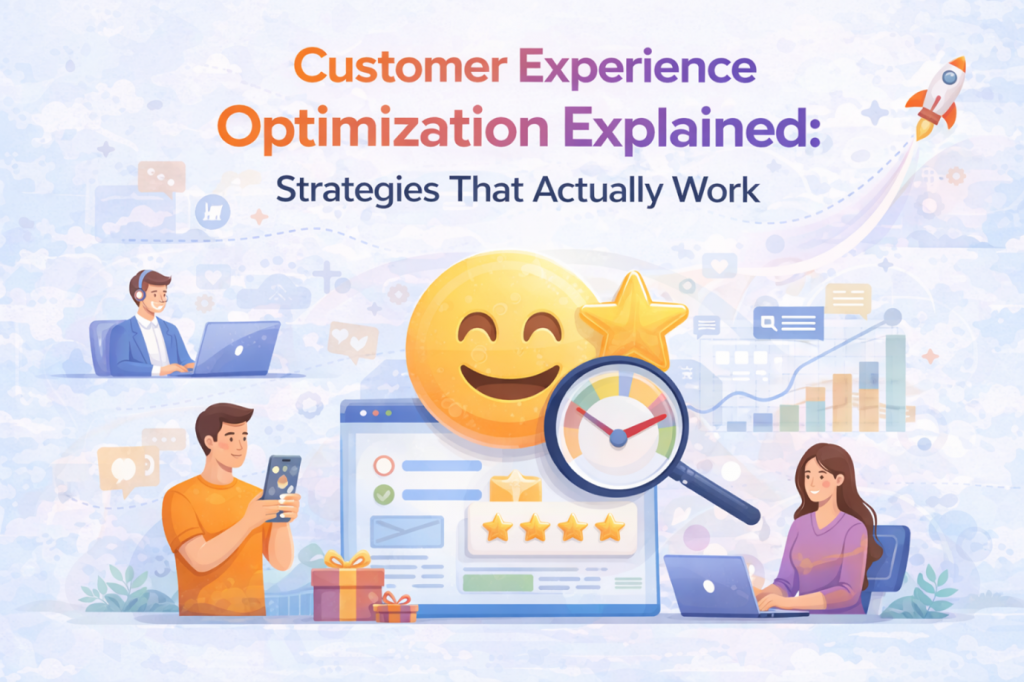
Have you ever come across a situation where you clicked on a website and left within seconds? We all do that when something feels slow or confusing. Customers today have very little patience for bad experiences. One small delay or unclear step can push them away fast.
When scrolling or looking for services and products, customers now don’t just compare the prices; they also compare experiences. Customers leave quickly when experiences feel slow or confusing. They expect smooth journeys across every touchpoint without delays.
That is why customer experience optimization matters today. It improves every interaction customers have with your brand, making each step easier and more useful. People want fast answers, smooth journeys, and clear value. If they don’t get that, they leave. Simple as that.
To optimize customer experience, it’s important that you think beyond single touchpoints and focus on the full journey from first visit to loyalty.
So if you are thinking, “How do I actually improve this?” you’re in the right place. We will break it down step by step.
Customer experience optimization is the ongoing process of improving every interaction a customer has with your brand. It is not just customer service or just your website. It is everything combined.
Customer experience optimization improves every interaction over time, making each step simple, helpful, and consistent. The goal is to reduce friction and increase satisfaction.
This is not a one-time fix or quick improvement, but it’s a continuous process that evolves with customer needs. So, as the behavior of the customer changes, your experience needs to be improved too.
Think about it like this. Every touchpoint shapes how someone feels about your brand. That includes:
The goal is simple, and that is to make every step easier, clearer, and more helpful. But here’s something many people miss. Every touchpoint shapes how customers feel about your brand.
Strong experiences build trust and long-term loyalty, but on the other hand, weak experiences create confusion and quick drop-offs. The main idea here is to connect customer needs with business goals and create a journey that feels natural and easy to follow.
So you must keep improving too.
These terms often get mixed up, as they seem the same, but they are not the same. Here is a simple way to understand them:
Aspect | CX Optimization | Personalization | CRO |
Goal | Improve the full journey | Make it relevant | Increase conversions |
Scope | End-to-end experience | Specific users/segments | Specific pages/funnels |
Focus | Overall experience | Content & offers | Actions (clicks, sign-ups) |
Key Question | Is this easy and smooth? | Is this relevant? | Will this convert? |
Metrics | NPS, CSAT, retention | Engagement, CTR | Conversion rate |
Role | Big picture strategy | Supports CX | Supports CX |
They overlap, but customer experience optimization is broader and connects everything together.
Customers expect speed, clarity, and consistency today. If they face friction, they switch quickly to competitors.
Think about your own behavior. When something feels easy, you stay longer. You explore more, and you trust the brand. But when something feels frustrating, you leave instantly. That same behavior applies to your customers.
Here’s what happens when you improve the experience:
What happens when you ignore it? You get drop-offs, low engagement, poor conversions, and weak retention. Even small friction points can cost you real money.
Now that we’re talking so much about customer experience, how is improving it even beneficial? While there are several benefits your business may get, there are, however, some highly beneficial ones that actually help your business grow.
These are:
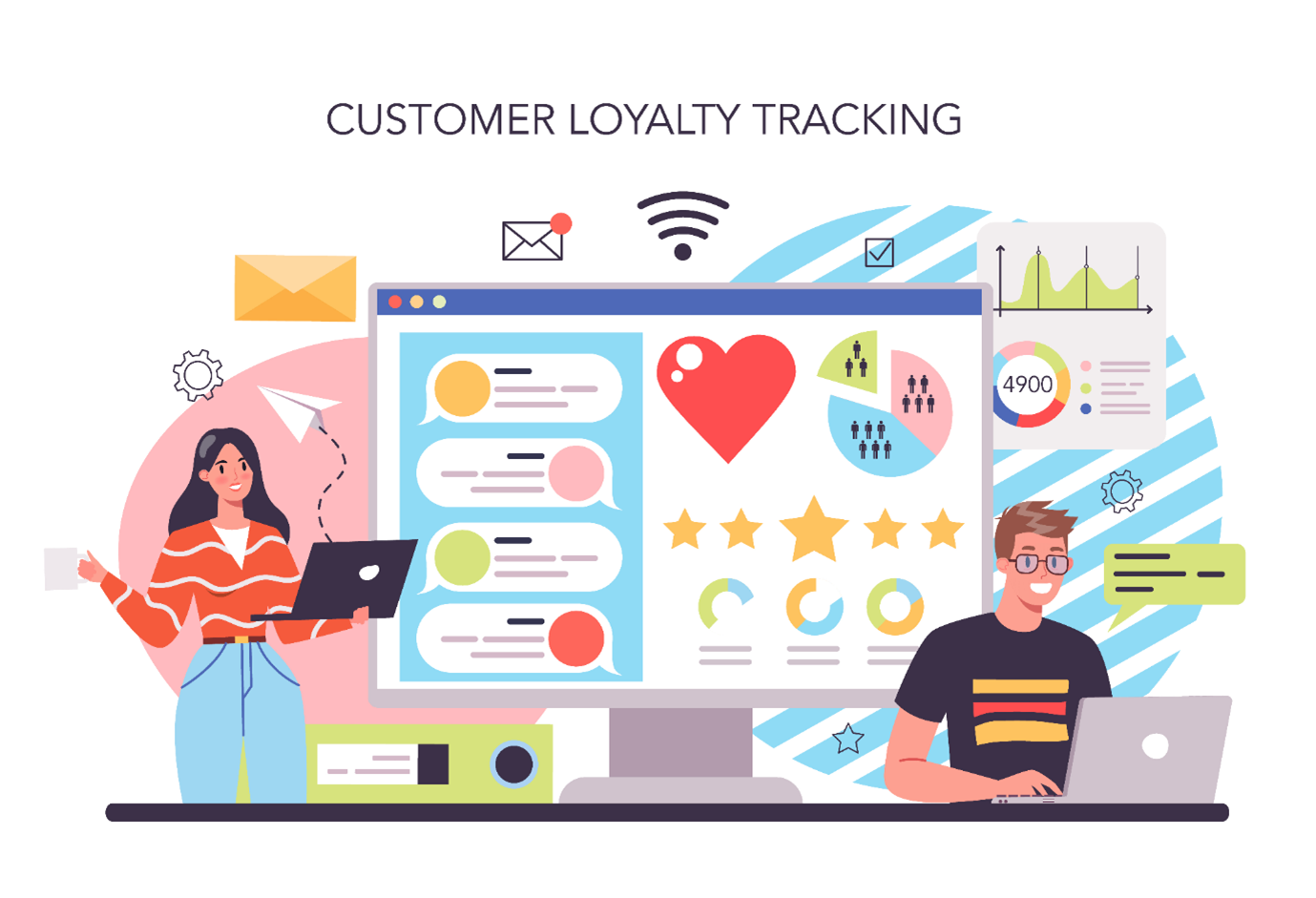
Customer experience works best as a connected system because let’s be honest, customer experience optimization is not one tactic or isolated improvement. It starts showing results only when you align multiple business areas.
Every element supports a different stage of the journey. If one element fails, the entire journey can break. Here are the four core elements that must be kept in mind when optimizing customer experience.
Your website is often the first impression. Therefore, it must be fast, clear, and easy to use so that users can find what they need quickly. It has also been seen in statistics that more than 80% don’t return to a website that gives them a poor experience, and more than 30% customers leave their favorite brands with just one bad online experience.
This is also one of the reasons why navigation should feel obvious, and checkout should feel simple, because even a few seconds of delay can push users away.
Your product must be easy to understand and use. If users struggle during onboarding, they will leave. If features feel confusing, they will drop off. Clear guidance and intuitive design make a huge difference.
Brands like CausalFunnel make this extremely simple for the customers to understand how their AI-integrated system and practices help the business convert visitors into leads and returning customers. They use clear CTAs and an onboarding process, which makes it easier for the customers to connect with.
Your message should feel consistent everywhere. Websites, emails, ads, and support should all sound aligned. If your messaging feels confusing or inconsistent, trust breaks quickly.
Your team shapes the experience more than you think. When you manage to give fast responses, helpful answers, and clear communication, you build trust. Just remember, if your team struggles internally, customers feel it externally.
Before jumping into tactics, you need the right foundation. Without this, your efforts will feel random.
You need to understand your customers deeply. You don’t just need to know who they are, but how they behave.
Look at:
When data is scattered, decisions become weak. Therefore, you need a clear view.
You cannot guess your way to better experiences. The best way to know what’s working is through testing. This is when A/B testing helps you compare what works and what doesn’t. Because even small changes can lead to big results.
Customers expect relevance now. They don’t want generic experiences but something that works exclusively for them.
They want:
This is where platforms like CausalFunnel become powerful. It helps identify high-intent users and tailor experiences using AI-driven insights. Instead of guessing, you act based on real behavior.
This is the part most people care about. What should you actually do? Let’s break it down into practical steps.
Start by understanding the entire journey. From the first visit to repeat purchase. This shows how users move across touchpoints. Focus on key stages like awareness and purchase.
Map these elements:
A simple journey map helps you see gaps clearly, allowing you to strategize according to what your customers want.
Why are people visiting your site? Are they comparing options? Looking for quick answers? Ready to buy? These are some questions you need to ask yourself to understand your customers. Understanding your customer’s intent helps you shape better experiences for them.
People usually care about:
If you match these, conversions improve naturally.
Not all data is useful. To know your customers and work accordingly, you need to focus on what actually helps make decisions.
Examples include:
When you combine this data, patterns become clear.
You cannot improve what you don’t measure. Tracking metrics shows what is working or failing.
Track metrics that actually matter:
Each metric reflects a part of the journey and tells a story. When combined together, they show the full picture.
Never assume something will work. It’s always best to test it. Testing validates improvements before full rollout, reducing risk and improving decision confidence.
Try different:
Even small tweaks can improve results significantly.
Personalization should feel helpful, not creepy. The main idea of personalization is to improve relevance and engagement.
For example:
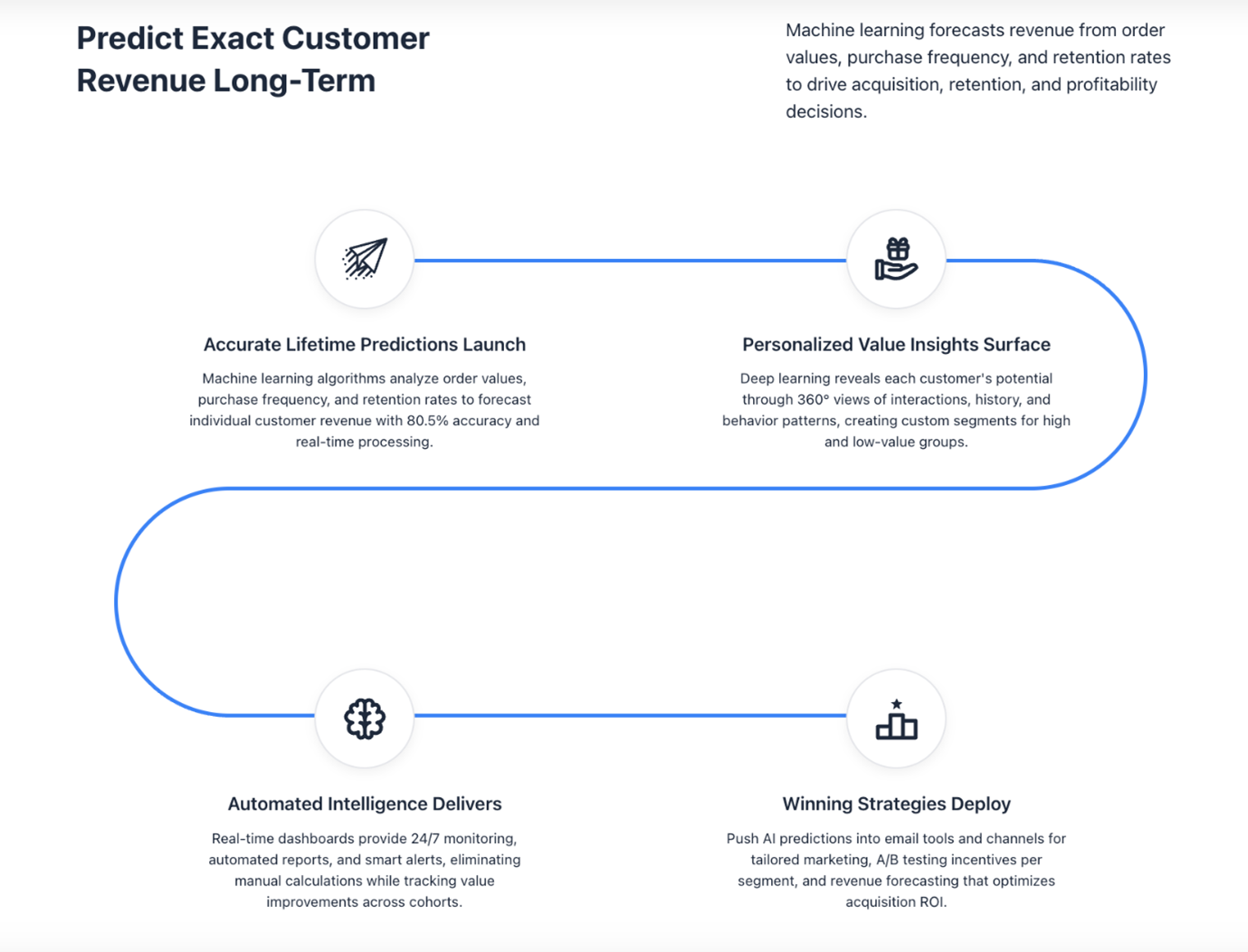
Platforms like CausalFunnel help here by mapping user intent and optimizing journeys dynamically. It connects user behavior with conversion signals, making personalization more accurate.
This is never “done.” Markets change, customers evolve, and technology shifts. Which is why you must keep reviewing and improving.
To continuously refine your strategies:
Remember, consistency over time always wins. When you’re consistent with revisiting and refining your strategies according to the customers and the current trends, you definitely will see positive results.
Let’s talk about reality. Even with the right plan, things can go wrong, maybe because the execution of the alignment was not right.
Many teams face similar challenges when improving customer experience at scale. But understanding these issues helps you avoid costly mistakes early.
Data often sits in different tools. This creates confusion and poor decisions. The solution here is to bring data together for a clear view.
Many teams fix something once and stop, and in the end, that approach fails quickly. Customer experience needs constant improvement; you must put your dedicated time regularly into the projects you’re working on.
Some tools create more complexity than value. Tools are meant to make things easier rather than complicating things. You need tools that connect insights with action to get the real and honest data.
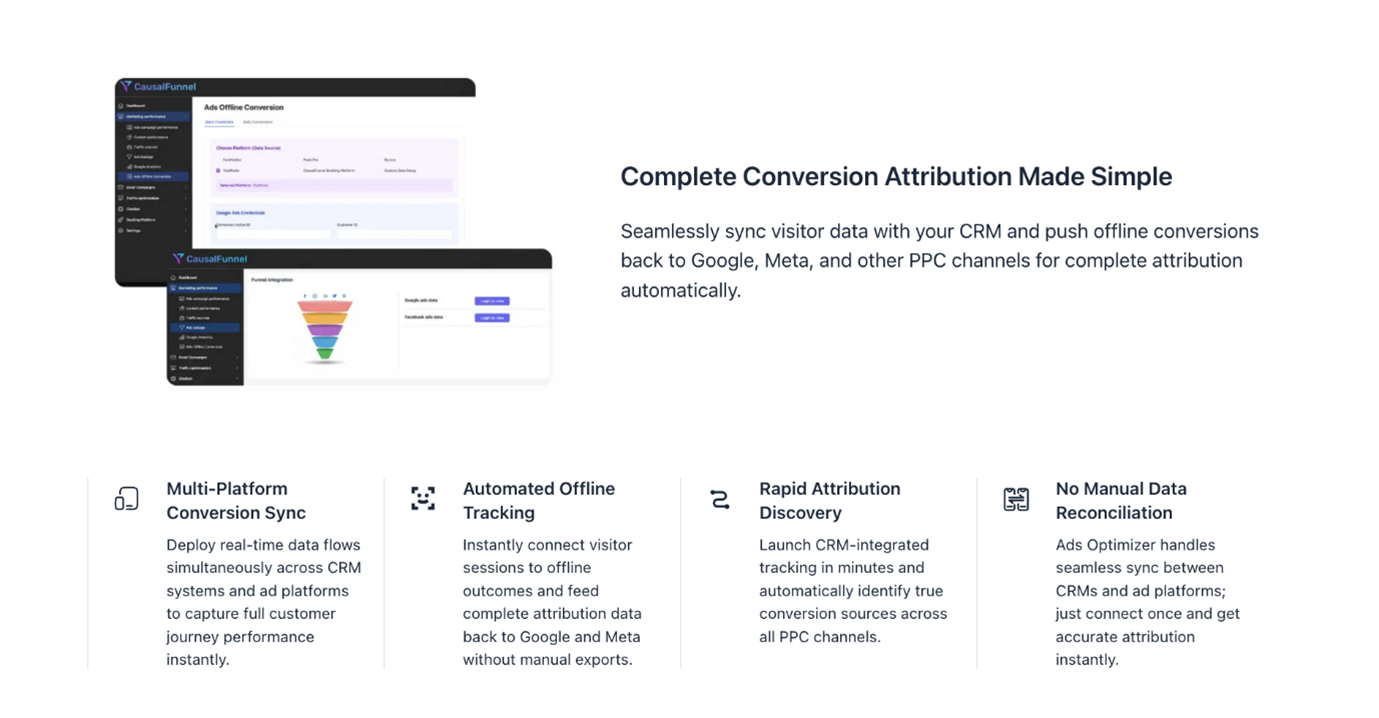
It is easy to optimize one channel, but scaling across the website, product, and support is harder. This is where integrated platforms like CausalFunnel help by connecting ad data, user behavior, and conversion outcomes into one system.
Applying best practices helps you improve faster and avoid common mistakes. These principles guide your efforts and keep your strategy focused.
If you want a quick checklist, start here:
If you follow these, you are already ahead of many businesses.
This is a common question that many marketers and business owners ask. After all the changes they’ve made, how will they know if the new strategies are working for their business?
For this, it’s always good to look for clear signals across behavior and performance. Read the data and not just vanity metrics.
To check your progress, here are some clear indicators:
You should also see smoother journeys and fewer drop-offs. When this happens, you’ll notice that there’s less confusion and more clarity. If customers move faster and feel more confident, you are on the right track.
Customer experience optimization is not a quick fix; it’s a continuous process where you keep learning, testing, and improving. The brands and businesses that win are not perfect. They are consistent as they listen, adapt, and refine. Over time, it’s these small improvements that turn into real growth.
It improves how customers interact with your brand. The goal is to make every step easier and smoother.
Customer service is only one part of the experience. Optimization covers the full journey, not just support.
Start with CSAT, NPS, conversion rate, and retention rate.
Review monthly, but monitor key metrics continuously.
Start by mapping the full customer journey clearly.
Start using our A/B test platform now and unlock the hidden potential of your website traffic. Your success begins with giving users the personalized experiences they want.
Start Your Free Trial

Empowering businesses to optimize their conversion funnels with AI-driven insights and automation. Turn traffic into sales with our advanced attribution platform.
Trusted by Customers


©CausalFunnel Inc. All rights reserved.