



Free Funnel Audit
Convert more customers today!
SEO
10 mins read

SEO
10 mins read
Most websites lose many visitors before they take any action. Only a small number turn into real paying customers.
This gap is called the conversion gap. It is the difference between how many people visit your website and how many actually take action, like signing up or making a purchase.
This gap can hurt your growth and waste your marketing budget. That is where a customer acquisition funnel becomes very useful. It helps you understand how people move from interest to purchase. You can then improve each step and get better results.
When you fix small issues, your conversions can grow steadily. This leads to more revenue without increasing your ad spend.
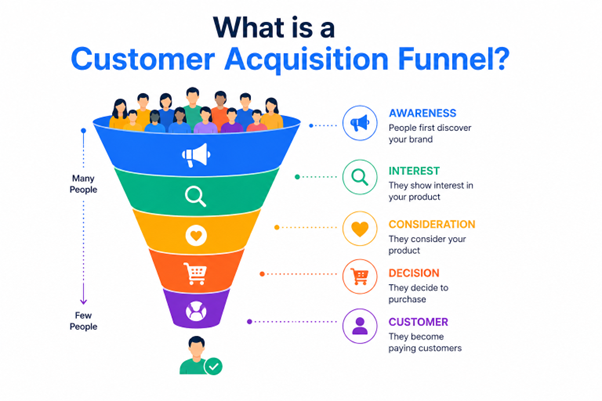
A customer acquisition funnel shows the path your customers follow. It starts when they first hear about your business, and ends when they finally decide to buy your product.
Think of it like a funnel used in everyday life. The top is wide, and the bottom is narrow.
At the top, many people notice your brand for the first time. As they move down, only a few remain interested. In the end, only some people become paying customers.
This happens because people drop off at different points. Some lose interest, while others choose a different option. The funnel helps you see where this drop happens clearly. You can then fix those weak points step by step.
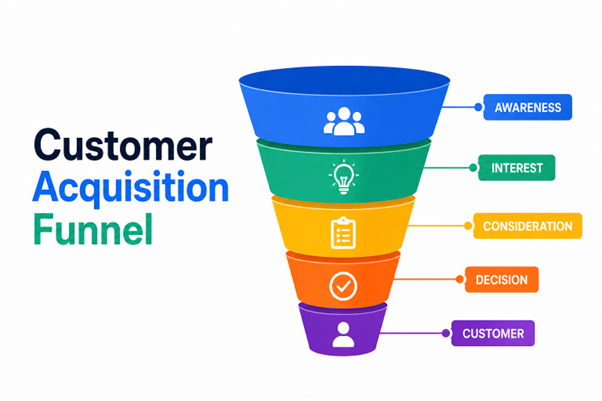
These steps are called customer acquisition funnel stages.
Most funnels include five simple stages:
These stages explain how people think before making a purchase. They move from curiosity to trust and then take action.
Let’s take a simple example to understand this better.
This full journey is your customer journey funnel.
A funnel is not just a marketing idea. It is a simple system that helps your business grow.
Without a funnel, you are only guessing what works best on your site. You may get traffic, but conversions will stay low. When you use a funnel, your process becomes clear. You can track what works and improve weak areas.
Businesses that use funnels make smarter decisions every day. They rely on real data instead of random guesses.
Every business may use a slightly different funnel model. But most follow the same basic structure. These are the core customer acquisition funnel stages you should know.
This is the first stage of your funnel. People discover your brand for the first time here. They may not know your product or problem yet. Your goal is to get their attention quickly.
Common ways to do this include:
This stage is part of the broader marketing funnel stages. It focuses on reach and visibility.
At this stage, you are not selling anything directly. You are simply helping people notice your brand.
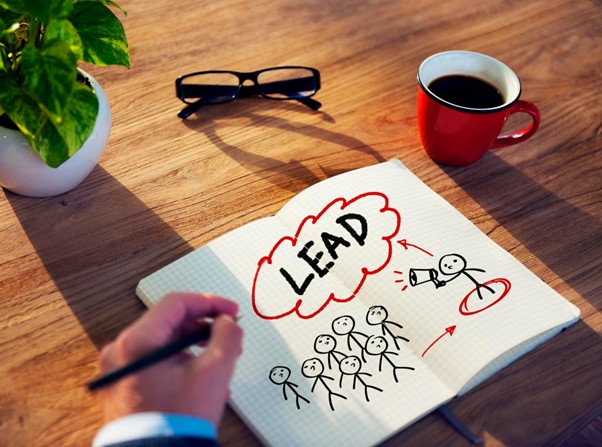
In this stage, people start showing real interest. They want to learn more about your product. They may read blogs, watch helpful videos, or download useful resources.
Your goal is to keep them engaged and build trust.
You can use:
This stage connects with your lead generation funnel. You turn visitors into leads at this point.
Now users begin comparing different options. They want to choose the best solution for their needs. They check features, pricing, and reviews carefully. Your goal is to show why your product is better.
You can help them by offering:
This stage relates to sales funnel stages and focuses on building trust before the purchase.
This is where users are ready to take action. They have already narrowed down their choices. Now they need a final reason to choose you.
You can guide them with:
Small changes here can improve conversions quickly.
This is the final stage of your funnel. The user becomes a paying customer here. But your work does not end at this stage. You need to keep your customers happy and loyal.
You can do this with:
A strong conversion or decision stage improves long-term growth.
Understanding the funnel is only the first step. The real value comes when you start applying it. You need to track how users move through each stage. This helps you find what works and what needs improvement.
If you want a smarter way to track user journeys, you can explore tools like CausalFunnel. It helps you see user behavior across every stage clearly. You can identify drop-offs and improve conversions faster.
Building a funnel becomes easier when you follow a simple process. You do not need complex tools or a big team to start. You just need clarity, consistency, and the right approach.
You cannot build a funnel without knowing your audience well. You need to understand their needs, problems, and goals.
Ask simple questions like:
You can collect this data from:
This step builds the foundation of your customer acquisition strategy. When you know your audience, your funnel becomes more effective.
Next, map how users move from discovery to purchase. This is your customer journey funnel. Think about every step your user takes before buying.
A simple flow may look like this:
Mapping this journey helps you see the full picture. You can identify gaps and improve weak areas easily. This step also connects directly to customer acquisition funnel stages. Each stage should have a clear purpose and action.
Now you need content for every stage of your funnel. Each stage requires a different type of message. If you use the same content everywhere, users may lose interest.
Here’s a simple breakdown:
Awareness Stage:
Interest Stage:
Consideration Stage:
Decision Stage:
This approach strengthens your lead generation funnel. It also supports better engagement across all stages.
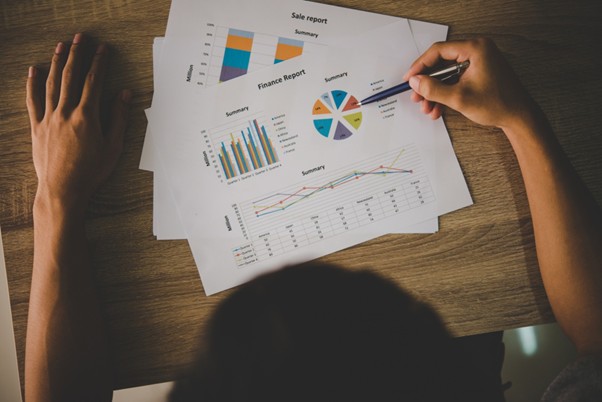
You cannot improve what you do not measure clearly. That is why tracking metrics is very important. You should track key numbers at every stage.
Some important metrics include:
This process is called funnel analysis. It helps you understand what works and what needs fixing. For example, you may see high traffic but low conversions. That means your funnel has a weak point somewhere.
A funnel is never perfect from the start. You need to test and improve it over time. This process is known as conversion funnel optimization.
You can test things like:
Small changes can create big improvements in results. Even a small increase in conversions can boost revenue. Always test one change at a time for clear results.
Let’s look at a simple example to understand this better. Imagine a software company selling a productivity tool.
Awareness:
A user finds a blog about improving team productivity.
Interest:
They read the blog and download a free guide.
Consideration:
They sign up for a free trial and explore features.
Decision:
They compare the tool with other options online.
Customer:
They choose the tool and start using it regularly.
This is a simple B2B customer acquisition funnel example. It shows how users move step by step toward a purchase.
Tracking metrics helps you improve your funnel faster. It also helps you make better decisions using real data.
Here are the most important metrics you should track:
These metrics are part of your overall funnel analysis process and help you improve your sales funnel stages over time.
Building a funnel is only the beginning of your journey. The real success comes from tracking and improving it. Many businesses struggle because their data is scattered. They cannot see the full customer journey clearly.
If you want a better way to track your funnel, explore CausalFunnel. We help you connect user data across different channels to see how users move across your funnel stages. This makes it easier to improve your results faster.
Many businesses think their funnel is fine. But small gaps quietly reduce conversions every day.
Here are the mistakes you should watch closely:
If your funnel feels slow or inconsistent, check these first. Fixing even one issue can improve results quickly.
As your funnel grows, things can get messy fast. Your data lives in ads, emails, and different tools. It becomes hard to see what is really happening. That is where the right tool can help you.
A good tool helps you:
You do not need a complete rebuild to see better results. Small changes can make a big difference over time.
Start with these simple improvements:
The goal is not perfection from the start, but steady improvement over time.
A customer acquisition funnel is not just a strategy. It is a simple way to understand your customers better. When you improve each step, your results become more stable. You can grow without constantly increasing your budget.
Keep your funnel simple, clear, and easy to follow. Think from your user’s point of view at every step. If you want to see what is really happening in your funnel, explore CausalFunnel. Our team of experts helps you track user behavior across every stage. You can spot problems early and fix them faster.
Start small, stay consistent, and keep learning from your data. That is how strong funnels turn into real business growth.
The main customer acquisition funnel stages include awareness, interest, consideration, decision, and customer. Each stage shows how users move toward a purchase.
Start by understanding your audience and their needs clearly. Then map their journey and create content for each stage.
A customer acquisition funnel focuses on attracting new users. A sales funnel focuses more on closing deals and conversions.
You improve it by testing changes and tracking results regularly. This is called conversion funnel optimization.
Funnel analysis helps you understand where users drop off. It helps you improve conversions and grow your business faster.
Start using our A/B test platform now and unlock the hidden potential of your website traffic. Your success begins with giving users the personalized experiences they want.
Start Your Free Trial

Empowering businesses to optimize their conversion funnels with AI-driven insights and automation. Turn traffic into sales with our advanced attribution platform.
Trusted by Customers


©CausalFunnel Inc. All rights reserved.