



Free Funnel Audit
Convert more customers today!
SEO
10 mins read

SEO
10 mins read
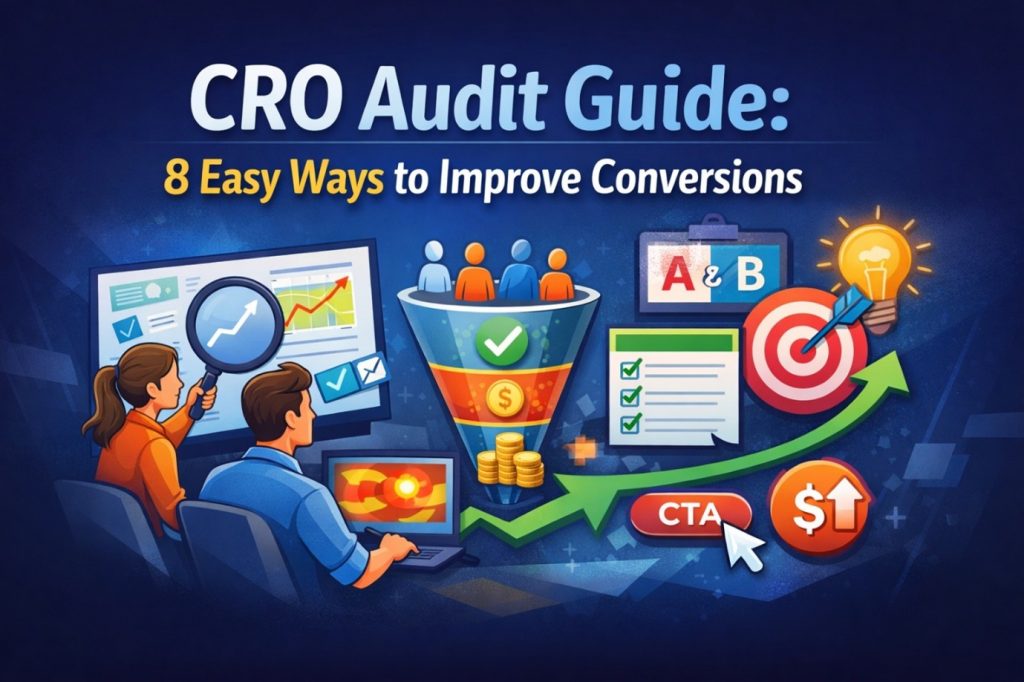
Many websites get traffic but fail to convert visitors. This wastes marketing spend and growth potential. A structured approach can fix this problem. This approach is called a conversion rate optimization (CRO) audit.
A CRO audit identifies what stops users from taking action. It also shows how to fix those issues. In this guide, you’ll learn eight simple ways to improve conversions. Each step is easy and proven.
What Is a Conversion Rate Optimization Audit?
A CRO audit reviews your website’s performance in detail. It helps you understand why users aren’t converting as expected. The process focuses on data, user behavior, and key website elements. These elements include forms, buttons, pages, and navigation.
A CRO audit tracks how users move across your website. It also highlights where users drop off.
For example, an online store may have abandoned carts. An audit can pinpoint confusing forms or poor checkout design.
Once problems are clear, you can test and improve those areas. This leads to a better user experience and higher conversions.
Why Your Website Needs a CRO Audit (Key Benefits)
A CRO audit helps you make smarter decisions using real data. It removes guesswork and focuses on what works.
Here are the main benefits:
Many websites try random changes without understanding user behavior. This often leads to poor results.
A CRO audit gives you clear direction. It ensures every change you make improves website performance.
A CRO audit becomes powerful when you follow a clear process. These eight steps will guide you from analysis to improvement.
Each step focuses on a specific part of your website performance. Together, they create a complete system for better conversions.

Every CRO audit starts with defining clear and measurable goals. Without goals, you cannot track progress or measure success.
Your goals should match your overall business objectives. They should also reflect user actions that matter most.
Common conversion goals include:
You also need to define the steps users take to convert. This helps you map their journey from entry to final action.
For example, a signup goal is rarely a single action. It usually happens in a sequence of steps. First, a user clicks a primary call-to-action button such as “Sign Up” or “Get Started.” This click takes them to a registration page or opens a form. Next, the user begins filling out the form by entering details like name, email address, and password. In some cases, there may be additional fields such as phone number, company name, or preferences.
After completing the form, the user submits their information by clicking a “Create Account” or “Submit” button. At this stage, there may be validation checks, such as confirming required fields or verifying email format. Some flows also include an extra step like email verification or OTP confirmation to complete the process.
Only after all these steps are successfully completed is the signup goal counted as a conversion. This step-by-step breakdown helps identify where users drop off, making it easier to optimize each stage of the funnel.
Tracking these steps helps you find where users drop off. It also shows which parts of your funnel need improvement. Clear goals make your CRO audit focused and effective. They guide every decision you make during the process.
Analytics data shows how users behave on your website pages. It helps you find patterns and identify weak areas quickly.
Start by reviewing key performance metrics such as:
Each metric tells a different part of the user story. Together, they give you a complete performance overview.
For example, a high bounce rate may signal poor content relevance. Low time on page may suggest weak engagement or unclear messaging. You should also compare high-performing pages with low-performing ones. This helps you understand what works and what needs fixing.
Always align your analysis with the goals you defined earlier. This ensures your insights remain relevant and useful.
Using data allows you to make informed and confident decisions. It removes guesswork and improves your chances of success.
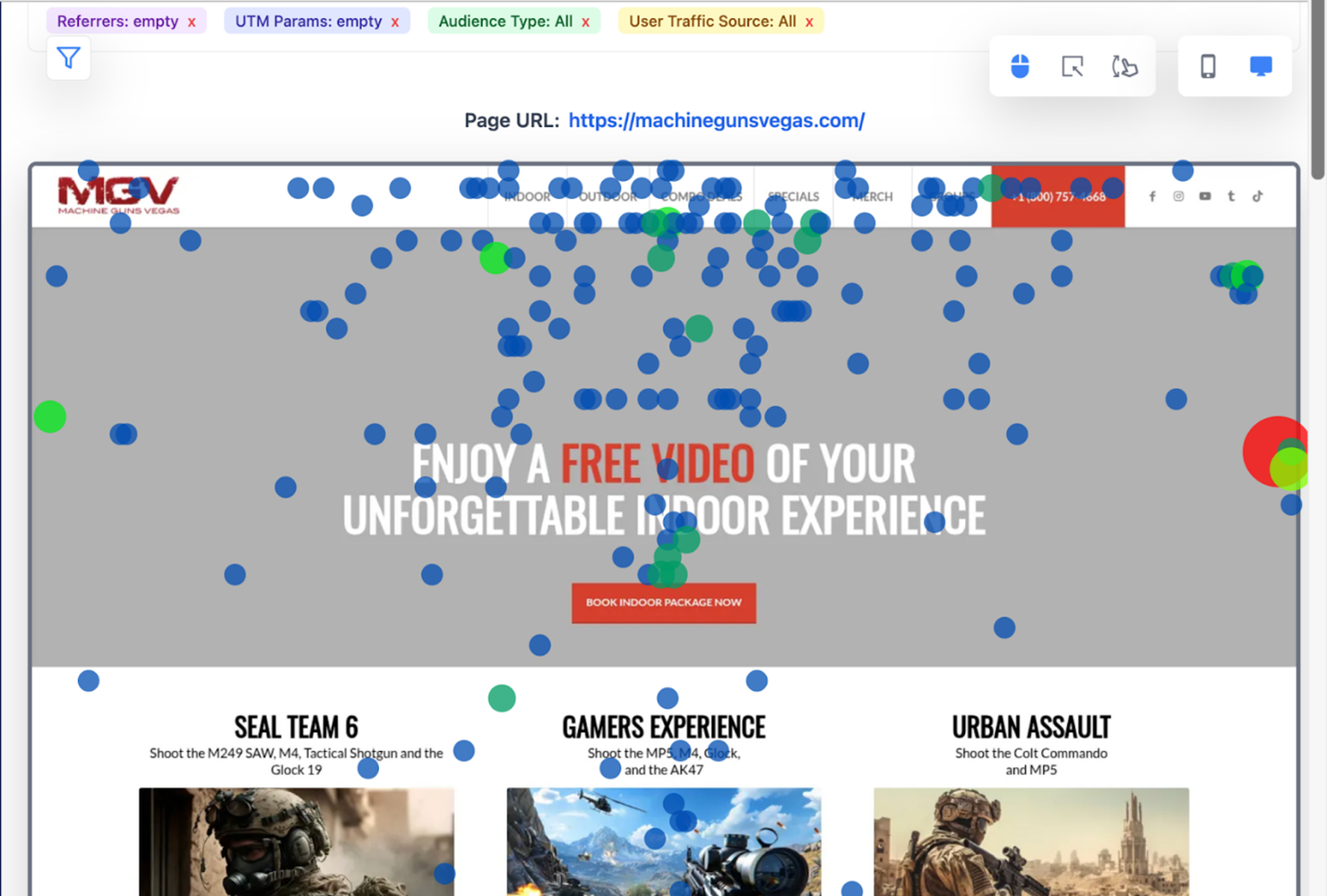
Analytics shows what users do, but not always why they do it. User behavior tools help you understand actions at a deeper level.
Heatmaps show where users click, scroll, and focus their attention. They highlight which elements attract interest and which get ignored. Session recordings let you watch real user interactions step by step. You can see how users move through pages and where they struggle.
These tools help you identify patterns such as:
For example, users may stop scrolling before seeing your main offer. This means your key message appears too far down the page.
You can fix this by moving important elements higher on the page. Small changes like this can improve conversions quickly. User behavior insights provide context that numbers alone cannot offer. They help you make smarter and more targeted improvements.
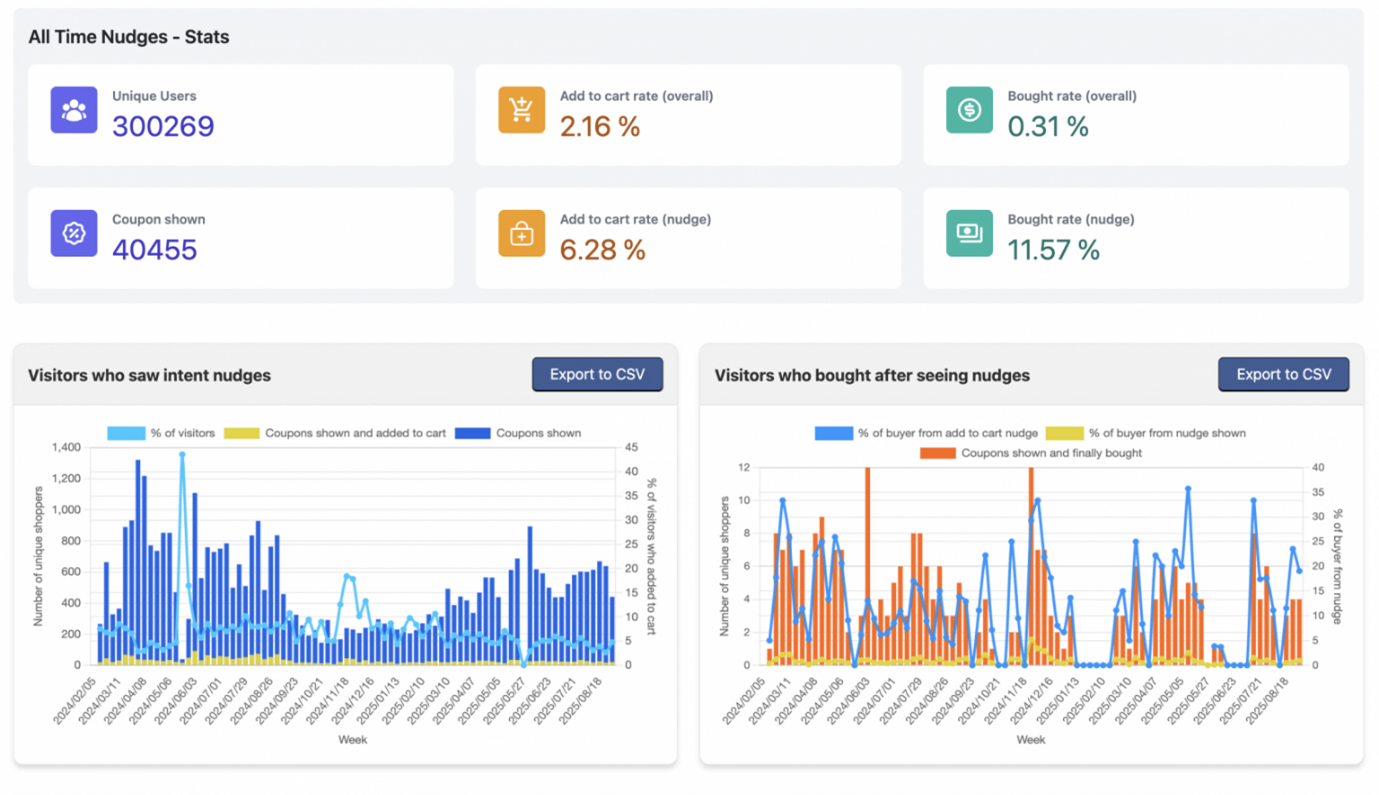
Not all pages affect conversions equally across your website. Some pages directly influence whether users take action or leave. You should focus on pages that drive the most business results. Improving these pages gives faster and more noticeable gains.
High-impact pages usually include:
Find pages that get a lot of traffic but don’t convert well. These pages already get visits, but they don’t do a good job of turning them into customers.
Next, look at their content, layout, and how easy it is to use overall. Look for headlines that don’t make sense, messages that aren’t clear, or bad design structure.
You should also see if the call to action is easy to see. A CTA that is hard to find or understand might greatly lower conversions.
The first step to getting more out of your work is to improve these pages. It also helps your CRO audit process get going.
A conversion funnel shows the steps users take before completing a goal. It helps you understand how users move from entry to conversion.
Many users leave the funnel before completing the final action. This is called a drop-off, and it reduces your conversion rate.
Common drop-off points include:
Start by mapping your full conversion funnel clearly. Break it into simple steps that users must follow.
Next, figure out where the biggest drop-offs are. These spots frequently show where there is friction or confusion in the process.
For instance, people might leave their carts because of prices they didn’t expect. They can also depart if the checkout forms are too long or hard to fill out.
After you find the problem, work on fixing that step first. Even tiny changes might make a big difference in the number of conversions.
Fixing funnel drop-offs makes the whole user journey smoother. It also makes your whole website experience more efficient.
Your queries should be short and easy to answer. This increases the chances that you’ll get helpful replies.
Even a few answers can give you useful information. A lot of the time, users talk about their worries in a clear and simple way. Be careful how you utilize this information to make conclusions about CRO. It helps you uncover true answers instead of just making guesses.
Here are some quick ways to improve forms:
Now review your call-to-action buttons across key pages. These buttons should guide users toward the next step clearly.
To improve CTAs, focus on:
You should also test different variations of your CTAs regularly. Small changes in wording or placement can impact conversions greatly.
Better forms and CTAs remove friction from the user journey. They make it easier for users to take the desired action.
Data shows behavior, but feedback reveals user thoughts and feelings. Understanding both helps you make better optimization decisions.
User feedback gives direct insight into why users do not convert. It also helps you find issues that analytics tools may miss.
You can collect feedback using simple methods like:
Here are some useful questions you can ask users:
Make sure your questions are short and simple to answer. This makes it more likely that you’ll get useful answers.
Even a few answers can give you useful information. A lot of the time, users talk about concerns in a clear and basic approach. Be careful how you use this input to make CRO decisions. It helps you find real solutions instead of just guessing.
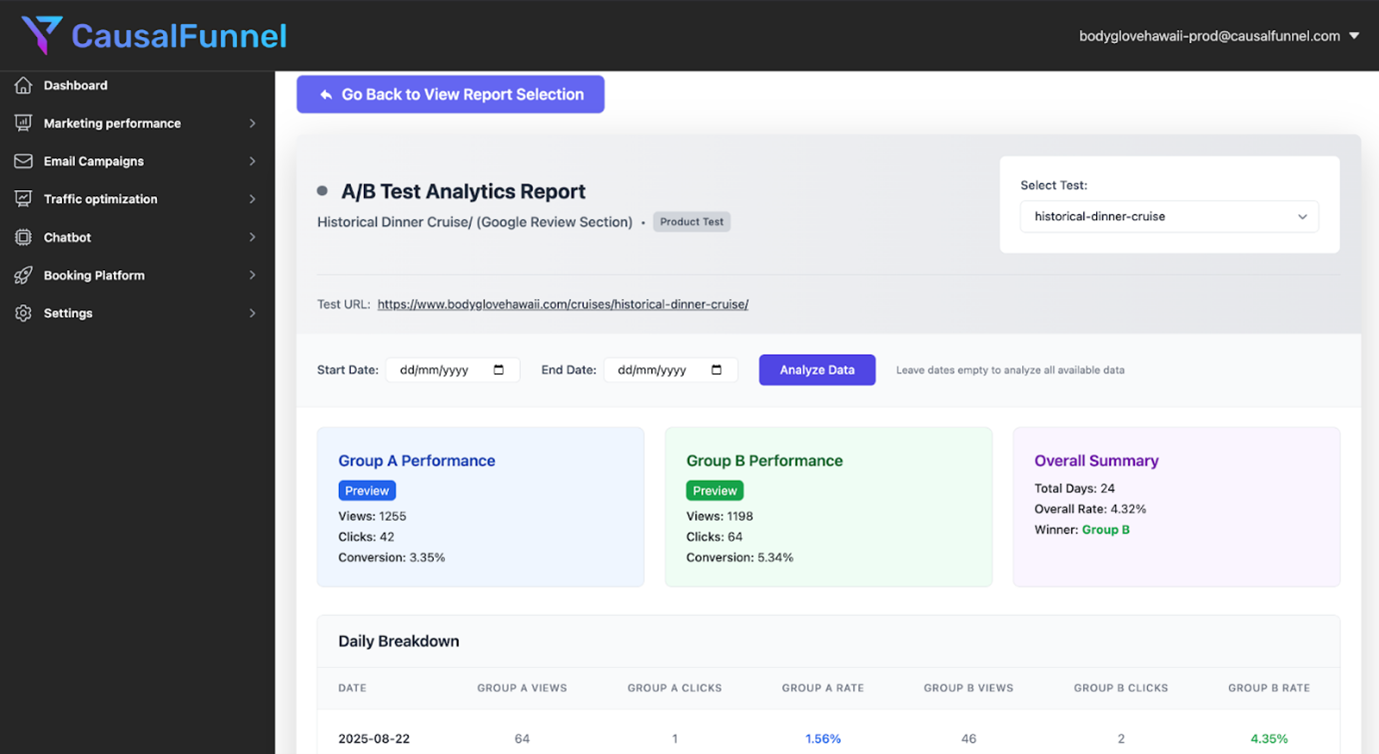
Once you identify problems, you need to test your solutions properly. A/B testing helps you compare two versions of a page.
One version is the original, and the other includes your change. Users are split between both versions to measure performance.
This method shows which version performs better with real users. It removes assumptions and ensures accurate decision-making.
You can test elements such as:
Always test one change at a time for clear results. Testing multiple changes together can confuse your data.
You should also run tests long enough for reliable results. Statistical significance ensures your outcome is not random. If your test improves conversions, apply the change permanently. If not, learn from the results and test a new idea.
A/B testing turns your CRO audit into a continuous improvement process. It helps you grow conversions based on real user behavior.
AI is changing how websites improve conversions today. It helps you understand users faster and with better accuracy. Traditional CRO audits rely on past data and manual analysis. AI improves this by analyzing user behavior in real time.
This approach helps you find problems much faster than before. It also reduces the need for long testing cycles. AI powered tools study how users interact with your website instantly. They track clicks, scrolls, and decision patterns continuously.
Here is how AI-powered analysis improves your CRO audit:
AI also helps turn anonymous visitors into potential customers. It studies actions and predicts intent without needing personal data. This makes your CRO audit smarter and more efficient. You can focus on actions that bring faster conversion improvements.
Using AI does not replace your strategy or thinking. It simply gives you better data and clearer direction. When combined with your CRO process, AI creates stronger results. It helps you improve conversions with speed and confidence.
Many businesses make simple mistakes during a CRO audit process. These mistakes can reduce effectiveness and waste valuable time.
Here are the most common issues you should avoid:
Each mistake limits your ability to improve conversions effectively. Avoiding them keeps your audit process clear and results-driven.
Always rely on data, test carefully, and learn from every result. This approach leads to steady and consistent growth.
A checklist helps you review your process quickly and stay organized. Use this summary to ensure you cover all key steps.
This checklist keeps your CRO audit simple and actionable. It ensures you do not miss any important step.
A CRO audit is not a one-time task for your website. User behavior and market trends change over time. You should run a conversion rate optimization audit regularly. This helps you keep your website performance strong and updated. A good rule is to audit your website every six to twelve months. This timeline works well for most small and growing businesses.
However, some situations may require more frequent audits:
You should also monitor your website performance continuously. This allows you to spot issues before they affect conversions heavily.
Regular audits help you adapt to changing user expectations quickly. They also ensure your website stays competitive in your market.
Consistency is key when it comes to improving conversion rates. Small updates over time often lead to the best results.
A conversion rate optimization audit shows you just how to expand. It helps you figure out what works and what needs to be better. You don’t have to guess; you can make judgments based on genuine consumer data. This gives you greater results and a better return on your work.
You may construct a solid optimization system by following these eight stages. Each step is meant to make a certain element of your website better.
Start with one area and work on it until it’s better. Even tiny modifications can make a big difference in how many people convert.
Before making any major modifications, always test your ideas. This makes sure that real outcomes support your choices. Most importantly, make sure to continually improve your website. It is not a one-time job to optimize conversions.
A CRO audit can turn traffic into genuine business growth if done correctly.
A conversion rate optimization audit reviews your website performance and user behavior. It helps identify issues that stop users from completing desired actions. The goal is to improve conversions through data-driven changes and testing.
The time depends on your website size and complexity.Small websites may take a few days to audit properly. Larger websites with multiple funnels may take several weeks. The focus should always be on accuracy, not speed.
Can small websites benefit from a CRO audit?
The first step is setting clear and measurable conversion goals. These goals guide your analysis and improvement process. Without clear goals, it becomes difficult to measure success accurately.
Start using our A/B test platform now and unlock the hidden potential of your website traffic. Your success begins with giving users the personalized experiences they want.
Start Your Free Trial

Empowering businesses to optimize their conversion funnels with AI-driven insights and automation. Turn traffic into sales with our advanced attribution platform.
Trusted by Customers


©CausalFunnel Inc. All rights reserved.