



Free Funnel Audit
Convert more customers today!
SEO
10 mins read

SEO
10 mins read
Your traffic isn’t the problem. Your conversions are.
If you are pouring money into ads, SEO, or content but your revenue is not moving the way it should, you don’t need more visitors. You need to make better decisions. That is where the right conversion rate optimization tools make all the difference.
In 2026, marketers are no longer guessing which headline feels right or which button color looks better. They are tracking behavior, testing ideas with data, and personalizing experiences in real time. The gap between brands that experiment seriously and those that rely on instinct is widening fast.
This guide breaks down the Best Conversion Rate Optimization Tools for Marketers, not just by listing features, but by helping you understand which tools solve which problems. Whether you are a solo growth marketer or part of an enterprise team, you will walk away knowing exactly what you need and why you need it.
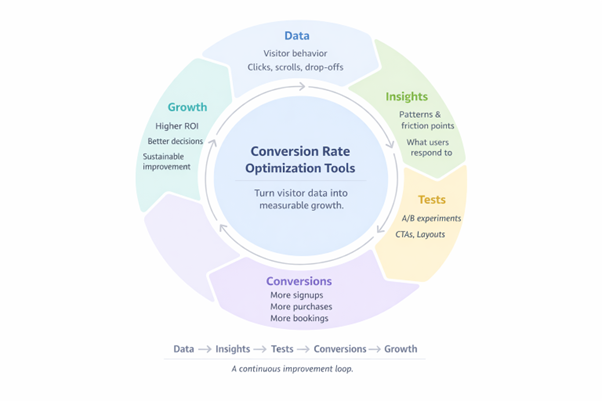
Conversion rate optimization tools help marketers understand user behavior, test ideas, and increase the percentage of visitors who take meaningful action. Instead of chasing more traffic, these tools help you get more value from the traffic you already have.
These tools track how visitors behave, run experiments with different page versions, and find clear friction issues such as slow load times, weak mobile layouts, or broken buttons and links across your website and landing pages. They reveal what users are actually doing, where they leave the journey, and what needs to be improved to increase conversions.
Many marketers focus on traffic growth. They invest in SEO, paid ads, and social media. But traffic without optimization leaks revenue. If 10,000 visitors convert at 1 percent, doubling traffic is expensive. Increasing the conversion rate from 1 percent to 2 percent can double revenue without buying a single extra click.
That’s why CRO matters.
You’ll also hear about macro and micro conversions. Macro conversions are your primary goals, such as purchases, demo bookings, or subscriptions. Micro conversions are smaller steps that lead there, like email signups, video views, or add-to-cart clicks. Good conversion rate optimization tools track both.
Marketers use CRO tools to:
Tools may include analytics dashboards, heatmaps, session replay, experimentation platforms, personalization engines, and feedback systems. Together, they shift you from guessing to diagnosing.
Before you compare brands, let’s understand the categories it comes in. Many people buy overlapping tools and end up paying for features they never use. Knowing the type of solution you need keeps your stack lean and focused.
Analytics and behavior tracking tools are the foundation of any serious CRO effort. Before you test headlines or redesign pages, you need to understand what users are actually doing.
Common capabilities include:
They give you quantitative insight. They show what is happening, not always why.
If analytics tells you what is happening, heatmaps and session replay tools show you how it is happening. This is where numbers turn into real behavior. Instead of looking at charts, you watch users move through your site, scroll, hesitate, click, and sometimes struggle.
Heatmaps visualize attention. They show where users click most, how far they scroll, and which sections they ignore completely. Session replay tools go deeper. They let you watch real browsing sessions, revealing confusion, repeated clicks, form errors, or moments of hesitation.
They reveal:
For marketers serious about improving UX and conversions, heatmaps and replay tools turn guesswork into observation.
At some point, insight is not enough. You know where users drop off. You have watched session recordings. You have ideas. Now comes the critical question: Will this change actually improve conversions? That is where A/B testing and experimentation platforms step in.
These tools allow you to create controlled experiments. You show one version of a page to half your visitors and another version to the rest. Then you measure which performs better. Instead of relying on opinions, you rely on data.
Core capabilities:
They validate ideas instead of relying on opinions.
Once you understand behavior and start testing improvements, the next layer is timing and relevance. Not every visitor should see the same message. Personalization and on site engagement tools help you respond to users based on who they are and what they are doing at that moment.
Think about it. A first time visitor browsing casually should not see the same message as a returning user who added items to cart yesterday. These tools allow you to trigger popups, banners, slide ins, or dynamic content based on behavior.
They support:
Used wisely, personalization tools increase relevance and urgency. Used poorly, they overwhelm users with popups and distractions.
Data tells you what users do. Voice of customer tools tell you what they think and feel. And that difference is huge.
You might see that 38 percent of users abandon your checkout page. Analytics confirms the drop. Session recordings show hesitation. But only direct feedback reveals the real reason. Maybe shipping feels expensive. Maybe the return policy is unclear. Maybe trust is low.
Voice of customer tools collect qualitative insight directly from users. They ask simple, targeted questions at key moments in the journey. Instead of guessing why conversions are low, you hear it in the user’s own words.
These include:
When used together, these categories form a complete conversion strategy.
Below are some of the best conversion rate optimization tools available today.
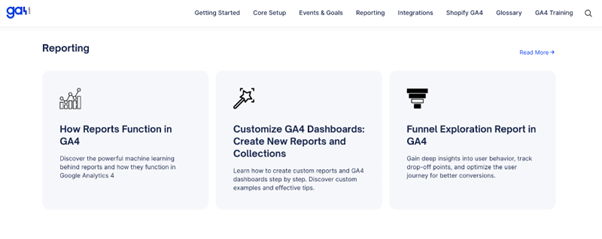
Best For: Foundational analytics for all businesses
Overview:
Google Analytics 4 is the starting point for most marketing teams. If your website were a store, GA4 would be your security camera system and cash register combined. It tracks who visits, where they come from, what they do, and whether they convert.
Unlike older analytics models, GA4 is event based. That means every action, whether it is a scroll, a click, or a purchase, is treated as measurable behavior. For marketers, this shift is powerful. You can define custom events tied to real business outcomes instead of relying only on page views.
It is not always simple. The interface can feel overwhelming at first. But once configured correctly, it becomes the backbone of any serious CRO setup.
Key Features:
Strengths:
Limitations:
Pricing: Free version available. Enterprise through Analytics 360.
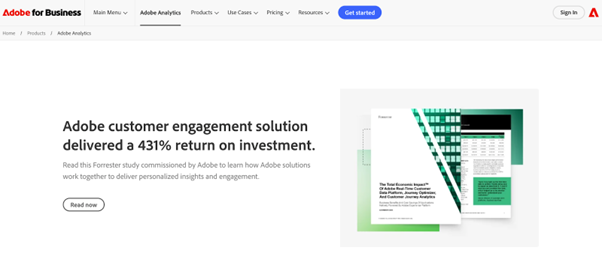
Best For: Enterprise level data analysis
Overview:
Adobe Analytics is built for companies operating at scale like multinational ecommerce brands, banks, or global SaaS firms. It handles massive data volumes and complex segmentation.
What sets Adobe apart is customization. You can define extremely granular metrics, build detailed customer segments, and connect offline and online data sources. For enterprise marketers running multi channel campaigns across regions, this matters.
However, this is not plug and play software. It requires trained analysts and structured implementation. For smaller teams, it can feel a bit overwhelming.
It supports advanced reporting and real-time data visualization. Marketing teams often pair it with Adobe Experience Cloud.
Key Features:
Strengths:
Limitations:
Pricing: Custom enterprise pricing.
Best For: Behavioral analytics at scale
Contentsquare focuses on understanding how users move through your site visually and financially. It connects behavior directly to revenue impact, which is why large ecommerce brands favor it.
Instead of just showing heatmaps, it maps user journeys across pages. It highlights friction zones and ties them to lost revenue opportunities. For example, if users hesitate on a pricing section, Contentsquare quantifies how that hesitation affects sales.
It is powerful, but it is designed for companies with high traffic and budgets. It is popular among ecommerce and enterprise teams who want detailed journey intelligence.
Key Features:
Strengths:
Limitations:
Pricing: Custom pricing.
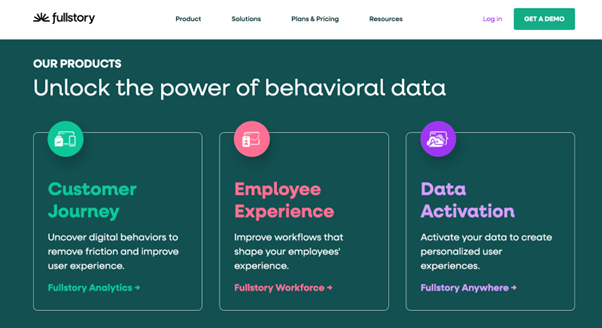
Best For: Session replay and experience intelligence
FullStory lets you watch real user sessions as if you were looking over their shoulder. It captures clicks, scrolls, taps, and form interactions.
What makes it stand out is automated friction detection. It flags rage clicks, repeated errors, and abnormal behavior patterns. This saves hours of manual review.
For marketers and product teams trying to understand why conversions stall, FullStory often reveals hidden UX issues that analytics alone cannot show.
Key Features:
Strengths:
Limitations:
Pricing: Tiered plans, enterprise pricing available.
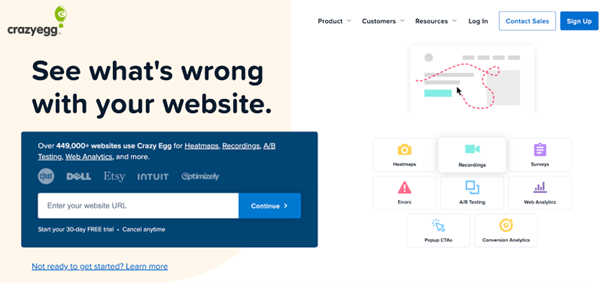
Best For: Small business looking for heatmap tools
Crazy Egg keeps things simple. It offers click maps, scroll maps, and basic A/B testing without overwhelming users.
If you are running landing pages and want quick answers like “Are users even scrolling to my CTA?”, this tool delivers fast insight. It is especially helpful for small teams without dedicated analysts.
It does not replace a full experimentation platform. But it fills a specific need well. It is accessible and easy to use and is great for marketers who want quick visual insights without enterprise complexity.
Key Features:
Strengths:
Limitations:
Pricing: Entry plans are affordable for SMBs.
Best For: Advanced experimentation
Optimizely is one of the most recognized experimentation platforms in the market. It allows marketing and product teams to run A/B tests, multivariate tests, and feature rollouts.
Its experimentation engine is strong and statistically reliable. You can test messaging, layouts, pricing experiments, or even backend product changes.
For companies serious about experimentation culture, Optimizely supports structured testing at scale.
Key Features:
Strengths:
Limitations:
Pricing: Custom pricing for enterprise clients.
Best For: High converting landing pages
Instapage focuses specifically on building and optimizing landing pages without developers. It integrates well with paid advertising platforms and includes built in experimentation tools and personalization options.
Marketers running Google Ads or Meta campaigns appreciate how quickly they can launch, test, and adjust pages without developer support.
It is not meant to replace full site analytics. It shines when your growth engine relies on high converting campaign pages.
Key Features:
Strengths:
Limitations:
Pricing: Mid to high SaaS pricing tiers.
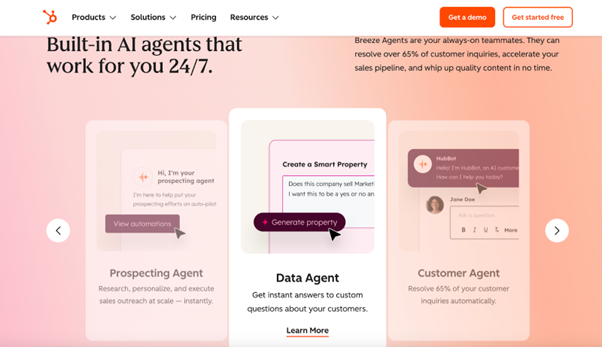
Best For: Integrated marketing automation and CRO
HubSpot combines CRM, landing pages, email automation, analytics, A/B testing, and personalization under one roof.
For B2B teams especially, the power lies in unified data. You can track a visitor from first click to closed deal. This creates clearer attribution and better segmentation for CRO efforts.
However, as contact lists grow, costs can increase significantly. It works well for inbound marketing teams who want one ecosystem.
Key Features:
Strengths:
Limitations:
Pricing: Tiered subscription plans.
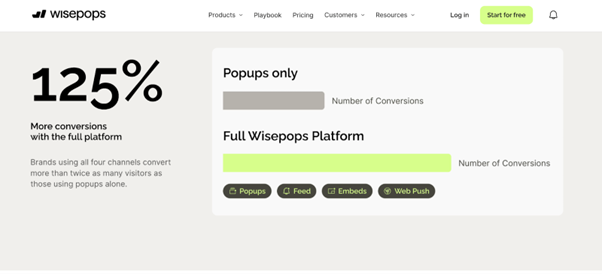
Best For: On-site engagement and pop-ups
Wisepops focuses on delivering the right message at the right moment. It allows behavioral targeting based on user actions, referral source, or device.
For ecommerce brands looking to capture leads and emails or reduce cart abandonment, it provides quick wins. It works best as a complement to analytics tools, not a replacement.
Key Features:
Strengths:
Limitations:
Pricing: Subscription based.
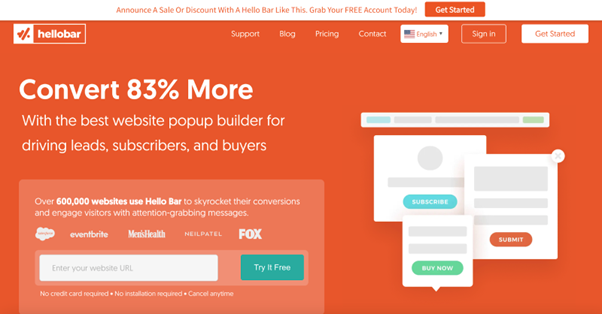
Best For: Simple lead capture
Hello Bar adds lightweight notification bars and popups to capture leads or promote offers. It is easy to install and ideal for smaller sites that want quick engagement improvements without complex setup.
It lacks advanced experimentation, but for simple lead generation campaigns, it performs reliably. It is ideal for bloggers and small teams.
Key Features:
Strengths:
Limitations:
Pricing: Free tier plus paid plans.
Best For: Mid market all in one optimization
Overview:
VWO combines experimentation, heatmaps, and personalization in a unified platform.
It appeals to companies that want multiple CRO capabilities without managing separate vendors. You can research, test, and personalize from one interface.
For mid sized businesses, this balance between capability and cost often makes sense.
Key Features:
Strengths:
Limitations:
Pricing: Tiered pricing based on traffic and features.
Best For: AI-driven personalization and predictive conversion optimization
CausalFunnel is built around AI-powered personalization and predictive experimentation. Instead of relying only on traditional A/B testing, it focuses on identifying micro behavioral signals and dynamically adapting content to individual users.
This makes it particularly useful for ecommerce, SaaS, and growth-focused marketing teams that want to move beyond static split tests. Rather than waiting weeks for statistical significance, the platform uses machine learning models to predict which experience is most likely to convert each visitor.
For teams that feel traditional experimentation is too slow or traffic-limited, this approach can be compelling.
Key Features:
Strengths:
Limitations:
Pricing: Custom pricing based on traffic and feature scope.
Choosing the right conversion rate optimization tools is less about features and more about clarity. Most marketers do this backward. They see an attractive demo, sign up, install scripts, and hope conversions rise. Then nothing changes. The problem is rarely the tool. It is the mismatch between the tool and the real bottleneck.
CRO works best when you diagnose first and optimize second. More tools do not mean more growth. In fact, too many dashboards often create noise and slow decisions.
Let’s break this down in a practical way.
Every tool category solves a different type of problem. Start with the problem.
If your biggest issue is a lack of clarity, you need insight tools. Analytics platforms and session replay software help you understand what users are doing. They show drop-offs, unusual behavior, and friction points. Without this, you are testing blind.
If your issue is uncertainty about changes, you need experimentation tools. A/B testing platforms validate whether a headline, layout, pricing display, or CTA improves results. They give statistical confidence. This matters when real revenue is at stake.
If your issue is low engagement or weak urgency, you need personalization tools. Behavior-based popups, targeted banners, and dynamic messaging help nudge users at key moments. These are especially effective in ecommerce or lead generation funnels.
If your issue is not understanding customer intent, you need the voice of customer tools.
Surveys, NPS prompts, and on-site feedback reveal emotional blockers. Data shows patterns. Feedback explains reasons.
Here is a simple mapping:
If you are unsure, always start with insight tools. Testing without understanding is like fixing a car engine without opening the hood.
This part matters more than people think.
A solo marketer running paid ads does not need enterprise software. They need clarity and speed. Something like analytics plus heatmaps may be enough to improve landing pages consistently.
A small growth team benefits from adding structured experimentation. At this stage, documenting hypotheses and running disciplined A/B tests becomes important.
An enterprise marketing organization needs layered systems. Advanced analytics, experimentation engines, segmentation platforms, and personalization workflows work together. But these teams also have analysts and developers to manage complexity.
Traffic volume changes everything. Low traffic sites should focus on:
High traffic sites can benefit from:
If you run heavy paid traffic campaigns, fast experimentation cycles matter. If you rely on organic SEO growth, incremental improvements may be more sustainable.
Enterprise tools can cost thousands per month. That only makes sense if small percentage lifts equal large revenue gains. For a startup generating modest revenue, lean tools are smarter.
Sometimes, instead of stacking multiple subscriptions, working with a specialized partner makes more sense. For example, CausalFunnel offers AI driven experimentation strategy, predictive funnel analytics, and structured testing roadmaps.
For teams lacking in-house CRO expertise, services like AI-based funnel diagnostics, conversion intelligence modeling, and hypothesis-driven testing support can reduce wasted experiments and shorten the learning curve.
Short-term hacks might boost conversions temporarily. But sustainable growth requires a system. It’s always good to think in stages:
Your tool stack should support that full cycle. If a platform only solves one stage but leaves gaps elsewhere, be prepared to integrate additional tools later.
Here is a practical way to think about it. Imagine you are planning a road trip. You do not buy racing tires if your real need is a map. You do not install turbo engines if your fuel tank is leaking. CRO is the same. Fix the biggest constraint first.
If you want outside expertise, agencies like CausalFunnel offer services such as A/B testing strategy development, AI-driven personalization setup, and full funnel conversion audits. For teams that lack in-house analysts, this kind of structured support can speed results significantly.
Sometimes guidance matters more than software.
Many teams buy powerful tools but use them poorly. The biggest mistake is testing without a hypothesis. Running random A/B tests wastes traffic. Therefore, always define what you expect to change and why.
Other common mistakes include:
Conversion work requires patience. It is not about flashy experiments. It is about steady, careful improvement that includes testing, learning, and making small changes that add up over time.
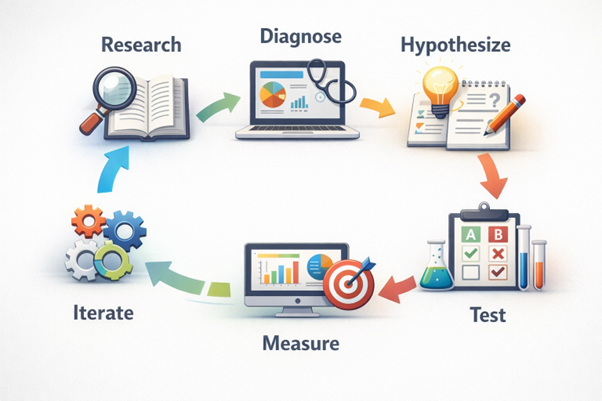
Think of CRO as a workflow, not a single product.
First, analytics tools show drop-offs in checkout. Then, session replay reveals confusion around shipping fees. A survey confirms that users feel surprised by costs. Now you form a hypothesis: displaying shipping earlier may increase trust.
Next, you run an experiment using an experimentation platform. If it wins, you deploy personalization to show location-based shipping info upfront.
That is how strong conversion rate optimization tools work together.
Agencies like CausalFunnel often run this full loop, combining behavioral research, predictive personalization, and experiment management to drive measurable lifts.
The process is simple in theory. Research. Diagnose. Hypothesize. Test. Measure. Iterate. But discipline is what separates average marketers from great ones.
CRO is not about installing scripts and hoping for lifts. It is about building a repeatable system. The marketers who win in 2026 are not the ones with the most dashboards. They are the ones who turn insight into disciplined action.
You do not need ten platforms to grow. You need focus, patience, and the curiosity to test ideas that might fail before they succeed.
Because at the end of the day, traffic is rented, but conversions are earned. The real question is not which tool you choose, but how seriously you are willing to study the people on the other side of the screen.
They are software solutions that help analyze behavior, test variations, and increase the percentage of visitors who complete desired actions.
No. SaaS companies, publishers, B2B firms, and nonprofits all use CRO software to improve signups, leads, and engagement.
If you want controlled experiments with statistical confidence, yes.
Free analytics tools can provide insight. But serious experimentation usually requires paid platforms for reliable results.
Start using our A/B test platform now and unlock the hidden potential of your website traffic. Your success begins with giving users the personalized experiences they want.
Start Your Free Trial

Empowering businesses to optimize their conversion funnels with AI-driven insights and automation. Turn traffic into sales with our advanced attribution platform.
Trusted by Customers


©CausalFunnel Inc. All rights reserved.