



Free Funnel Audit
Convert more customers today!

SEO
10 mins read

SEO
10 mins read
If you run a small business, you absolutely can win with smart, lean content, and these content marketing examples prove it without big budgets or big teams.
You do not need a Super Bowl ad, a 20-person team, and you definitely do not need a six-figure budget. Most small business owners have the same worry. Will this actually work for me? The truth is, the best content marketing examples are often simple, focused, and built around real people.
In this guide, I will walk you through 15 surprisingly effective content marketing examples designed for small businesses. Each one explains what they did, why it worked, and how you can copy it without burning time or cash.
So, let’s get into it!
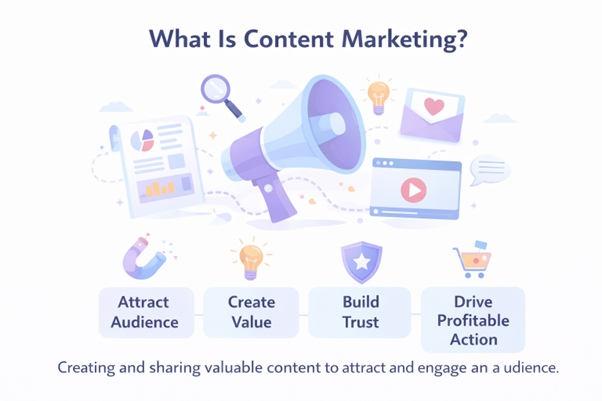
Content marketing is a strategy focused on creating useful and relevant content. So, instead of pushing direct ads, it provides value first. The goal is to attract, engage, and convert a defined audience.
It works by solving problems before asking for a sale, which builds trust over time and reduces buying resistance. People are more likely to purchase from brands they trust.
Content marketing includes blogs, videos, podcasts, emails, and guides, and also includes templates, case studies, and social media posts. Each format serves a different purpose in the customer journey.
Unlike traditional advertising, content marketing focuses on long-term relationships that build authority and credibility within a niche. Over time, helpful content compounds into steady traffic and leads.
At its core, content marketing is simple, where you educate, inspire, or entertain your audience consistently. In return, attention turns into trust, and trust turns into revenue.
Before we jump into examples, let’s get clear on something. Content marketing is not about posting random videos and hoping for luck. It is about sharing useful, relevant ideas that attract and build trust over time.
For small businesses, this works differently than it does for big brands. Large companies can afford to reach, but if you have a small business or are just starting, you cannot afford what large companies can. But you have advantages they do not.
Here is what actually makes content marketing examples work for small teams:
If you remember one thing, remember this, small businesses win on clarity and trust, not volume.
Most content lists show impressive campaigns that feel impossible to replicate. This section focuses on strategies that real small teams can execute. This doesn’t include any massive budgets, and no full marketing departments are required. The purpose is simple and direct, that is to give you ideas that turn into action quickly.
Short-form video content includes clips under sixty seconds. These videos are designed for platforms like Instagram and TikTok. They focus on fast engagement and visual storytelling and production is simple and often filmed on a phone.
What Tasty Did
Tasty built its entire growth engine around short, satisfying cooking videos with quick cuts and clear visuals. Millions of views came from consistency and simplicity.
Why It Worked
How Small Businesses Can Replicate
Best For: Brand awareness
Educational and search-optimized blog content targets specific user questions and focuses on ranking in Google through helpful answers. This format builds steady organic traffic over time and works best for problem-solving industries.
What They Did
HubSpot built authority by answering practical marketing questions through SEO-focused blogs. They became the go-to resource.
Why It Worked
How Small Businesses Can Replicate
Platforms like CausalFunnel help track which blog posts actually lead to conversions, not just traffic, and that clarity matters when time is limited.
Best For: Leads
Influencer content uses trusted community voices and relies on personal recommendations instead of ads. This format builds credibility faster than paid promotions and works well in local and niche markets.
What They Did
Glossier grew by empowering micro-influencers and everyday users to share authentic product experiences.
Why It Worked
How Small Businesses Can Replicate
Best For: Awareness and trial
User-generated content features real customers, where it highlights authentic experiences and testimonials. This format reduces production costs significantly and strengthens trust through social proof.
What They Did
Nike often highlights real athletes and personal stories, not just products. This is exactly what helps where the story becomes the focus.
Why It Worked
How Small Businesses Can Replicate
Best For: Loyalty
Narrative storytelling highlights people behind the product and focuses on emotional detail and lived experiences. This format builds deeper brand trust, supporting both SEO and brand affinity.
What They Did
Airbnb highlighted host stories and unique stays through blog content. They made travel feel personal, human, and specific, and used storytelling to reduce buyer doubt.
Why It Worked
How Small Businesses Can Replicate
Best For: Trust and consideration
How-to content teaches practical steps clearly, reduces confusion, and builds confidence. This format supports SEO strongly by blending education with product positioning.
What They Did
IKEA published room setup guides where the content included visuals and simple steps. Throughout the content, products were integrated naturally.
Why It Worked
How Small Businesses Can Replicate
Best For: Trust and conversion support
Case studies show real results clearly. They highlight measurable outcomes and transformation. This format reduces buying hesitation and supports sales conversations strongly.
If you want proof of conversions and agency impact, case studies clearly provide it. CausalFunnel understands this and thus shows its progress through its case studies for better trust and less hesitation.
What They Did
Slack published structured customer stories, and each case study showed clear improvements. To make it easier to read for all the readers, they kept the language simple and direct.
Why It Worked
How Small Businesses Can Replicate
Best For: Conversion and sales
Podcast exposure leverages existing audience trust through audio platforms. It positions brands within conversations people already value. This format builds authority through association and credibility.
What They Did
Mailchimp’s early sponsorship of the podcast “Serial” made it mainstream overnight during its early growth. The brand message became part of the listening experience, and the sponsorship helped push the podcast into mainstream culture.
Why It Worked
How Small Businesses Can Replicate
Best For: Authority
Interactive quizzes guide users toward personalized results by combining engagement with product recommendations. This format increases confidence before purchase decisions.
What They Did
Sephora uses quizzes to recommend products and personalize shopping experiences. When people took this quiz, the results felt tailored and helpful, and recommendations connected directly to product pages.
Why It Worked
How Small Businesses Can Replicate
CausalFunnel can help visualize how users move from quiz to purchase, giving insight into drop-off points.
Best For: Conversions
Community-driven content creates shared participation and turns customers into active contributors. This format builds long-term emotional investment, bringing more people towards the business connected with emotion.
What They Did
LEGO launched LEGO Ideas for fan submissions, where users submit designs and vote on their favorites. Winning ideas can become real products, showing a perfect example of “We are listening to you.”
Why It Worked
How Small Businesses Can Replicate
Best For: Retention
Free resource marketing offers practical tools at no cost and attracts users who already need solutions. This format builds trust before sales conversations begin.
What They Did
HubSpot created free calculators and templates that users could access after sharing their email. Each tool solved one specific business problem that turned out to be helpful for the users and, in return, grew their trust.
Why It Worked
How Small Businesses Can Replicate
Best For: Lead generation
Template marketing provides ready-to-use resources for users and removes the pressure of starting from scratch. This format creates instant value and fast engagement.
What They Did
Canva offered ready-to-use templates for common business tasks. Here, users tried templates first before exploring premium features, and that experience felt simple, fast, and beginner-friendly.
Why It Worked
How Small Businesses Can Replicate
Best For: Lead capture and repeat visits
Content repurposing turns one idea into many assets and maximizes reach without multiplying production effort. This format increases visibility across multiple platforms and helps maintain consistent posting without constant new ideas.
What They Did
Gary Vee recorded one long-form video session, and his team breaks it into dozens of microclips. Each clip is adapted for different platforms and formats.
Why It Worked
How Small Businesses Can Replicate
Best For: Visibility
AI-powered FAQ content answers buyer questions instantly, anticipating doubts before customers leave the page. This format combines search intent with smart product guidance and reduces friction by making information easy to find.
What They Did
Amazon added detailed FAQ sections under every product listing that answered common buyer concerns about size, usage, and returns. They also built a recommendation engine that suggests related products instantly. Customers see alternatives, bundles, and complementary items before checkout.
Why It Worked
How Small Businesses Can Replicate
Best For: Organic conversions
A content hub organizes related content under one clear theme and positions the brand as a media authority in its niche. This format builds long-term visibility and organic traffic and works best when focused on one strong topic.
What They Did
Red Bull built its own content ecosystem focused on extreme sports and published videos, articles, and documentaries across platforms. The brand consistently tells high-adrenaline stories tied to its identity. Instead of promoting drinks, it promotes a lifestyle using their taglines, and it’s visual in the stories they create.
Why It Worked
How Small Businesses Can Replicate
Best For: Long-term brand authority
Across all fifteen examples that we’ve mentioned, you can see a clear pattern. Different formats were used, but the foundations stayed similar. Each strategy focused on audience needs before promotion, and each example balanced consistency, clarity, and value delivery.
When you zoom out, strong patterns become obvious.
An example of content marketing becomes powerful when it turns into a system where you test, measure, improve, and repeat.
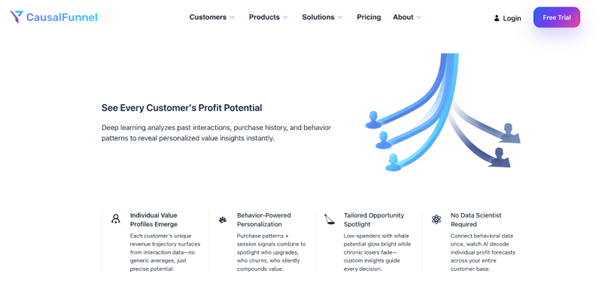
Without measurement, you’ll never know what’s working for your business and what’s not. With analytics tools like CausalFunnel, you can visualize drop-offs and optimize real decision points in your funnel. That is where small businesses gain a real edge.
After seeing multiple strategies, choosing one can feel confusing, and not every format fits every business stage. The right choice depends on clarity, resources, and consistency. Therefore, it’s always good to start with alignment instead of chasing popularity.
To choose the right content marketing example to implement in your marketing strategy:
Do not chase every trend at once, and try to start small and execute with discipline. The key here is to stay consistent long enough to see real results and then scale what proves effective.
This happens more often than expected, where a business copies the format but misses the foundation. The content looks similar, yet the results stay weak.
Here are the most common mistakes:
The goal is not to look impressive online, but to connect with the right audience. The real objective is to convert attention into meaningful results.
Small businesses do not win by shouting louder, but by being clear, useful, and consistent. These content marketing examples show that simple ideas executed well beat flashy campaigns every time.
Always start with one strategy, test it for 30 days, measure what matters, and then improve it. That is how momentum builds.
Now that you know the examples, which one are you willing to try this week?
Content marketing examples are real strategies brands use to attract and engage audiences. For small businesses, this includes blogs, short videos, case studies, quizzes, and templates. The goal is to provide value before asking for a sale.
Start with your main goal and available resources, and match the format to where your audience already spends time. Choose something you can execute each week consistently.
Some formats show results quickly, especially social video. On the other hand, SEO blog content usually takes three to six months. Here, consistency plays a major role in long-term performance.
Track one metric aligned with your main goal. For awareness, monitor reach and engagement growth. For leads, track email signups or inquiries. For conversions, monitor purchases or booked calls.
Start with a schedule you can maintain weekly. One strong post per week works well for many teams. Here, consistency matters more than high frequency.
Start using our A/B test platform now and unlock the hidden potential of your website traffic. Your success begins with giving users the personalized experiences they want.
Start Your Free Trial

Empowering businesses to optimize their conversion funnels with AI-driven insights and automation. Turn traffic into sales with our advanced attribution platform.
Trusted by Customers


©CausalFunnel Inc. All rights reserved.