



Free Funnel Audit
Convert more customers today!
SEO
10 mins read

SEO
10 mins read
Website Redesign SEO means protecting and improving search visibility during a full site update. It covers technical fixes, content planning, and structure changes. A redesign can improve speed, layout, and brand image. Yet it can also cause traffic drops and ranking losses. Many teams lose organic traffic after launch. Broken redirects, missing tags, and crawl errors create silent damage. These mistakes often go unnoticed until rankings fall.
This guide gives you a structured blueprint for 2026. It focuses on AI-driven search, stronger Core Web Vitals signals, and UX-first indexing. You will not get vague advice here. You will get a clear, step-by-step framework. Each stage shows what to protect and what to improve. This plan helps you launch safely and grow stronger after release.
Website Redesign SEO protects search performance during major site changes. It ensures your visibility does not drop after launch. Many teams focus only on visual upgrades. They improve design but ignore search structure. That creates hidden technical problems. Rankings fall even when the site looks better.
A redesign is not just about colors and layout. It changes how search engines crawl your pages. It affects how authority flows between sections. It also impacts content relevance and speed signals. When these layers shift without planning, traffic can decline quickly.
Teams often fail because they treat SEO as a final step. In reality, it must guide the process from day one. Search engines now rely more on experience signals and technical quality. AI-driven search systems reward structure and clarity. A safe redesign requires careful mapping and validation.
A redesign changes the visual layout and user interface. A replatform moves your site to a new system. A restructure modifies navigation and URL paths. Each type carries different SEO risks.
The impact of Website Redesign SEO spans several layers.
Technical changes affect crawl access and indexing signals. Structural shifts alter internal link flow and page depth. Content updates influence keyword targeting and search intent. Navigation edits reshape authority distribution across pages. Performance upgrades affect Core Web Vitals and speed metrics.
When these layers align, rankings can improve. When ignored, visibility can decline quickly.
These failures are common but preventable with structured planning.
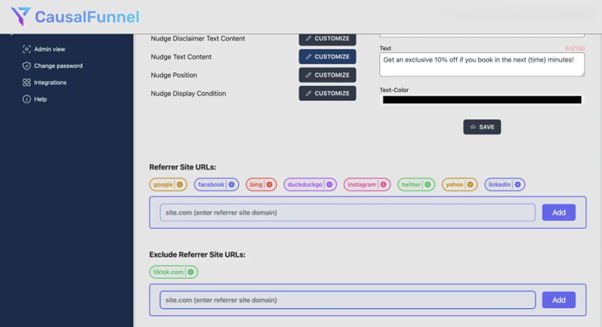
Redesigns are complex, and expert support can make a huge difference. AI-powered SEO platforms analyze your site automatically, highlighting potential issues. They scan for technical problems, suggest content improvements, and optimize redirects efficiently.
How professional AI tools assist:
Key Benefits:
The pre redesign phase decides whether your launch succeeds or fails. This stage protects your rankings before any design work begins. Many teams skip this step and regret it later. They focus on layout and forget search signals. That mistake can cost months of recovery time.
Before touching templates or navigation, audit your current performance. You must know what already works well. Identify your top traffic pages and strongest backlinks. Mark pages that drive conversions and brand trust. These assets require extra protection during changes.
Document everything inside a central planning sheet. This sheet becomes your control center for execution. It should include URLs, keywords, traffic data, and status notes. Treat this file like a live command board. Every change should be recorded and validated.
During this phase, build your Website Redesign SEO strategy with clarity. Define goals for traffic, conversions, and structure. Decide which pages stay, merge, or retire. Align content intent with updated business objectives. Keep user value at the center of every decision.
Your documentation can include a detailed website redesign SEO checklist. This checklist ensures that no step is missed. It should guide audits, mapping, redirects, and validation tasks. When teams rely on memory alone, errors multiply quickly. A structured process reduces costly mistakes.
Now focus on your technical and content baseline. Crawl the site using a reliable audit tool. Capture all existing URLs, metadata, and internal links. Export this data for later comparison. It will help you detect losses after launch.
Below is a structured foundation checklist for clarity and control.
Performance Benchmarking
Technical Baseline Audit
Content Inventory and Classification
Keyword and URL Mapping Preparation
Risk Identification and Mitigation Planning
This strategic foundation gives you control and confidence. It replaces guesswork with documented decisions. It prepares your team for safe execution. When this phase is strong, launch day becomes predictable. Without it, every redesign becomes a gamble.

Before starting any website redesign, conducting a full SEO audit is critical. A technical crawl audit identifies broken links, duplicate content, and indexing issues that could harm rankings. Reviewing your content inventory ensures every page has a purpose and aligns with your SEO goals. High-value pages with strong backlinks must be preserved to protect existing authority. Identifying high-traffic URLs allows you to prioritize pages that drive the most visitors and conversions.
A structured checklist ensures no part of your audit is overlooked:
Performing this audit prevents accidental ranking losses during the redesign. It also ensures the redesign builds depth, authority, and organization that competitors often overlook. By combining technical, content, and backlink insights, you create a solid foundation for your Website Redesign SEO strategy.
A keyword-to-URL mapping framework connects search intent to structure. It prevents confusion during redesign planning. Many teams update layouts but forget search alignment. That creates ranking drops and keyword overlap issues. Each current URL should match a clear target query. You must document that relationship before changing paths.
Start by listing your top performing pages. Identify the main query each page ranks for. Then confirm whether that intent remains relevant. If the page stays, keep its focus intact. If merging content, choose one primary target keyword. Avoid splitting authority across multiple similar pages.
Cannibalization often happens during restructuring. Two pages start competing for the same term. This weakens rankings for both pages. To prevent this, assign one clear target per URL. Make sure internal links reinforce that target consistently.
Below is a simple mapping template you can use.
Old URL → Target Query → New URL → Redirect Type → Notes
Example:
/blog/seo-guide → beginner SEO guide → /seo/basics → 301 → Merge with updated content
This framework brings operational clarity to redesign decisions. It moves you beyond keyword research into structured implementation.
Information architecture shapes how users and search engines move through your site. A clean structure improves both clarity and crawl efficiency. Many redesigns focus only on visuals and ignore depth. That mistake increases crawl distance and weakens authority signals. When important pages sit too deep, they receive less internal equity. Search engines may also crawl them less often.
Category depth must remain simple and logical. Important pages should never be buried under many folders. Navigation should reflect search intent and business goals. Internal links must guide users and pass authority naturally. A smart structure keeps high value pages close to the homepage.
Information Architecture Rules
These rules connect UX decisions directly to crawl logic.
The technical layer decides whether your redesign protects rankings or destroys them. Visual upgrades mean nothing if search engines cannot crawl correctly. Every structural shift affects indexing, authority flow, and performance signals. That is why technical planning must happen before development begins.
A redesign changes URLs, templates, scripts, and internal logic. Each change creates risk if not controlled properly. Search engines rely on consistent signals to evaluate relevance. If those signals suddenly shift, rankings can fluctuate sharply. Your goal is to preserve what works and improve weak areas.
Website Redesign SEO requires structured validation before and after launch. You must test redirects, canonicals, metadata, and crawl access carefully. Technical stability builds trust with search engines. It also ensures users reach the right pages quickly.
Below is a practical technical blueprint you can follow.
Redirect Planning and Execution
URL Structure Optimization Rules
Robots and Indexing Checks
Canonical and Duplicate Prevention
Metadata Stability Checklist
Internal Linking Controls
Speed and stability are critical ranking factors today. A redesign often adds new scripts and design assets. That can slow performance if unmanaged. Core Web Vitals measure user experience signals. These include loading speed, visual stability, and responsiveness.
Performance Optimization Checklist
Before making the site live, run this final validation.
Task | Validation Method | Expected Result |
Redirect Testing | Crawl tool scan | All old URLs redirect correctly |
Indexation Check | Manual search operator | No staging pages indexed |
Sitemap Review | XML validation | Only final URLs included |
Metadata Audit | Page source review | Titles and canonicals correct |
Performance Test | Page speed tool | Core Web Vitals within target range |
Technical precision protects your visibility during transition. When each layer is validated, ranking volatility decreases. This blueprint transforms redesign risk into controlled optimization.
URL structure changes can damage rankings if not planned carefully. Every old URL must have a clear destination. The safest approach uses 1:1 redirect logic. Each previous page should redirect to its closest equivalent. This preserves link equity and relevance signals.
Consolidation rules apply when merging similar content. If two weak pages combine into one strong page, redirect both to the new URL. Do not split authority across multiple new pages. That weakens relevance and confuses search engines.
Redirect chains create unnecessary crawl delays. A chain happens when one redirect leads to another redirect. This reduces link equity flow and increases load time. Always redirect directly from the original URL to the final destination.
Deleted content must be handled carefully. If no relevant replacement exists, redirect to the closest helpful page. Avoid redirecting everything to the homepage. That creates poor user experience and ranking loss. In rare cases, a proper 410 status may apply.
Redirect Best-Practice Checklist
This step is critical during redesign. It protects authority and prevents major ranking decline.
On-page signals communicate relevance clearly to search engines. During redesign, these signals must remain stable. Title tags carry strong ranking value. Changing them without purpose can weaken performance. Keep optimized titles from high traffic pages.
H1 tags must stay aligned with search intent. Template changes often reset the heading structure accidentally. Validate that every page has one clear H1. Schema markup should also remain intact. Structured data supports rich results and AI summaries.
Meta descriptions can be refined carefully. Improve clarity without removing target relevance. Small improvements can raise click-through rates.
On-Page Validation Checklist
Stable on-page signals reduce ranking volatility during transition.
Core Web Vitals measure how real users experience your site. These metrics influence rankings and engagement signals. In 2026, performance and usability carry even more weight. Search engines prioritize fast, stable, and responsive websites.
Largest Contentful Paint, or LCP, measures loading speed. It tracks when the main visible content appears. A slow LCP frustrates users and increases bounce rates. Cumulative Layout Shift, or CLS, measures visual stability. Pages should not shift unexpectedly during loading. Sudden movement harms trust and usability. Interaction to Next Paint, or INP, measures responsiveness. It evaluates how quickly a page reacts to user input. Slow interaction reduces satisfaction and conversion rates.
Mobile-first indexing means search engines evaluate the mobile version first. Your mobile layout must load quickly and remain stable. Heavy scripts and large images often slow performance. Image compression reduces file size without losing clarity. Lazy loading improves speed by loading images only when needed. Script reduction lowers processing time and improves responsiveness.
Performance Validation Checklist
Strong performance aligns with modern ranking expectations and user satisfaction.

A content audit gives you control before changes begin. It prevents accidental removal of valuable pages. Every page should pass through a clear decision filter. Use a simple keep, merge, or delete framework.
Keep pages that drive steady traffic or backlinks. These pages already hold authority and trust signals. Improve clarity without changing their core intent.
Merge pages that overlap in topic and purpose. Thin pages often compete with each other. Combining them builds stronger topical authority. Redirect merged URLs to the strongest final version. This protects link equity and reduces cannibalization.
Delete pages that offer no value or relevance. Remove outdated content that no longer serves users. If deletion is necessary, redirect to the closest helpful page. Avoid sending everything to the homepage.
Removing thin content improves overall site quality. Search engines prefer focused and useful pages. Fewer strong pages perform better than many weak ones. Consolidation strengthens depth and authority within each topic cluster.
Pro Tip: Consider working with SEO professionals. Their AI tools can speed up EEAT Compliance Content Audit, consolidate content intelligently, and protect rankings.
Search behavior continues to evolve rapidly. Informational intent seeks answers and guidance. Commercial intent focuses on comparisons or decisions. Each page must clearly match one primary intent.
AI-driven search systems now summarize content automatically. Pages must provide clear and direct answers. Place concise explanations near the top of sections. Avoid long introductions that delay value delivery.
Structured formatting improves visibility in modern search. Use clear headings and logical hierarchy. Add short answer paragraphs below each subheading. This supports featured results and AI summaries.
Include bullet points only when they increase clarity. Maintain consistent structure across similar page types. Make sure mobile layout remains clean and readable.
Aligning content with modern intent improves discoverability. It prepares your site for AI summaries and evolving algorithms. This approach adds forward-looking depth to your redesign strategy.
Internal linking plays a powerful role during redesign. Many teams rebuild navigation without reviewing contextual links. That small shift can weaken authority signals across the site. High-performing pages often lose internal link support. Rankings can drop even when redirects work correctly.
Contextual links pass relevance and authority naturally. They guide both users and search engines. During redesign, update these links carefully. Confirm they point to the correct final URLs. Avoid leaving outdated internal paths inside content.
High-authority pages deserve special protection. These pages often attract backlinks and strong traffic. Make sure they remain easily accessible from key sections. Keep them within a short crawl distance from the homepage. Do not bury them under deep folder structures.
Anchor text also matters during restructuring. Use descriptive phrases that reflect page intent clearly. Avoid generic terms like “click here” or “learn more.” Clear anchor text reinforces keyword relevance and topic relationships.
Below is a focused internal linking checklist.
Internal Linking Protection Checklist
Internal linking shifts often cause ranking drops. Few redesign guides explain this deeply. Careful link management protects authority flow across the site.
Once rankings stabilize, growth work begins. Many teams stop after traffic returns to baseline. That approach limits long-term gains. A redesign creates fresh opportunities for expansion.
Start by refreshing top-performing pages strategically. Improve clarity and add updated examples. Strengthen sections that already attract traffic. Expanding valuable pages can increase rankings further.
Enhance trust and authority signals consistently. Add clear author details where appropriate. Include updated data and verified information. Improve transparency around your expertise and process. Strong experience signals build long-term credibility.
Schema markup should also receive attention. Structured data improves visibility in enhanced results. Validate existing schema after launch carefully. Add relevant markup where missing. Accurate schema supports modern search features.
Continuous testing drives sustained growth. Monitor engagement metrics and page behavior. Test new calls to action or layout improvements carefully. Small experiments can produce meaningful gains over time.
Revisit keyword opportunities within strong pages. Expand supporting subtopics naturally when relevant. Avoid stuffing unnecessary phrases. Focus on usefulness and clarity for readers.
A redesign should not only protect traffic. It should position your site for steady expansion. Growth begins once stability is confirmed.
Search engines rely heavily on AI-driven evaluation models. These systems assess structure, clarity, and user satisfaction. Content must answer questions directly and efficiently. Long introductions with little value weaken engagement signals.
Structured content has become increasingly important. Clear headings and concise answers support AI summaries. Organized formatting improves crawl understanding. Search systems reward clarity and helpful organization.
Experience-based content now carries stronger weight. Real insights and practical explanations build credibility. Generic advice without depth performs poorly over time. Pages must demonstrate clear knowledge and applied understanding.
User experience metrics also influence ranking signals. Speed, stability, and responsiveness affect engagement. High bounce rates can reduce performance over time. Clean design combined with clarity supports positive metrics.
Redesign decisions must align with these modern expectations. Structure, performance, and usefulness now work together. This blueprint prepares your site for evolving search environments.
A successful website redesign not only protects existing search rankings but also sets the stage for future growth. Careful strategy and a clear site structure prevent costly visibility losses during the redesign process. SEO professionals play a critical role by documenting every step, auditing current performance, and ensuring technical execution aligns with best practices.
Before making any design changes, build a detailed, documented strategy. Conduct a thorough audit of your current website to protect key assets and identify opportunities for improvement. Map your target keywords clearly to the final URL structure to maintain relevance and avoid ranking drops. Implement precise 301 redirects, run technical validations, and confirm metadata and performance compliance.
During the first month after launch, monitor site performance closely. SEO experts can analyze metrics, identify issues quickly, and guide iterative improvements to maintain search visibility. Following this blueprint reduces uncertainty, strengthens long-term SEO results, and turns redesign risks into controlled, measurable growth.
User search behavior analysis is simply understanding how people search online: What do they type, click, and read? How do they move through your website? These answers show what your audience truly wants.
User search behavior analysis is important as it helps you stop guessing. You create content people are already looking for, attract visitors who actually matter, and turn more of them into customers.
Most searches fall into four simple categories.
There are simple tools that make this easy.
Search trends do not stay the same. Your audience’s needs will change over time. So, review your data every month or quarter. Small updates regularly lead to big results.
Start using our A/B test platform now and unlock the hidden potential of your website traffic. Your success begins with giving users the personalized experiences they want.
Start Your Free Trial

Empowering businesses to optimize their conversion funnels with AI-driven insights and automation. Turn traffic into sales with our advanced attribution platform.
Trusted by Customers


©CausalFunnel Inc. All rights reserved.