



Free Funnel Audit
Convert more customers today!
SEO
10 mins read

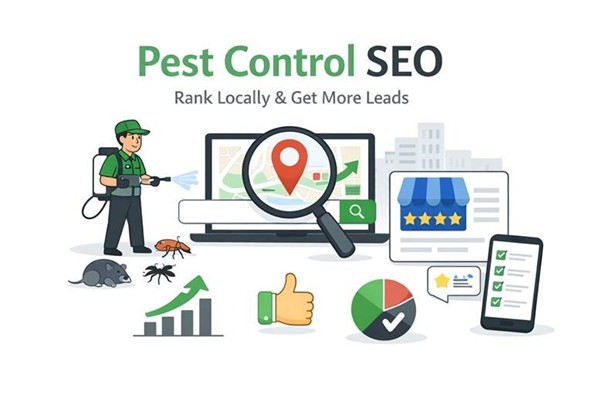
SEO
10 mins read
Pest control businesses depend on local searches to get steady customer calls. Most people search online before calling an exterminator or pest control company. If your business does not appear early, those leads go elsewhere.
Pest control SEO helps your business show up when people search for help nearby. It focuses on visibility, trust, and relevance for local service searches. This guide explains how pest control SEO works and why it matters.
In this guide, you will learn the following core ideas:
For deeper insight into user actions and SEO-driven conversions, tools from CausalFunnel can be of great help.
Pest control SEO is the process of improving your online search visibility. It helps your business appear when people search for pest problems. These searches often include urgent and local intent.
Pest control SEO focuses on several connected areas:
Search engines aim to show helpful and trusted local businesses. Your website and listings must clearly explain who you serve. They must also explain what problems you solve.
For pest control companies, SEO works best when it matches search intent. A user searching for termites wants fast and local answers. A user researching pests wants clear guidance and prevention tips.
Good pest control SEO supports both types of searches. It brings traffic that converts into calls, forms, and booked services. SEO also supports other marketing efforts like ads and referrals. A strong website builds trust before a customer ever calls.
Local SEO helps pest control businesses appear in nearby searches. These searches often include city names or “near me” phrases. Local SEO is critical because pest control is a local service.
Local SEO focuses on two main areas:
The most important local profile is Google Business Profile. It controls how your business appears in map results. It also influences local rankings and customer trust.
Local SEO also includes consistent business information online. This includes your business name, address, and phone number. Consistency helps search engines confirm your business’s legitimacy.
Key parts of local pest control SEO include:
Local SEO helps search engines match users with nearby providers. It also helps customers choose between similar service companies.
If you want to understand how visitors behave after landing on your site, explore analytics and behavior tools at CausalFunnel.
Pest control SEO and local pest control SEO serve different purposes. Both are important, but they target different user needs.
General pest control SEO targets informational searches. These users want answers, guidance, or learning resources. Examples include pest prevention or treatment explanations.
Local pest control SEO targets service-driven searches. These users want immediate help from nearby providers. Examples include exterminator searches with city names.
Here is how they differ in practice:
A strong pest control website uses both approaches together. Informational content supports trust and expertise. Local pages capture ready-to-act customers.
This balance helps search engines understand your full service scope. It also prevents missed opportunities across search stages.
Want to know about different types of SEO? Check out our Beginner’s Guide to 4 Types of SEO here!
Pest control SEO supports steady lead generation over time. It reduces reliance on paid ads and unpredictable platforms. SEO traffic continues even when ad budgets pause. SEO helps you reach customers at the right moment. Most pest searches happen when a problem already exists. Being visible early increases your chances of being chosen.
Pest control SEO also improves lead quality. Users searching locally often need immediate service. These leads convert better than broad traffic. SEO builds trust before first contact. Helpful content and reviews shape customer decisions. Clear information reduces hesitation and confusion.
Most pest control SEO efforts take time to show results. Many businesses see progress within three to six months. Consistency matters more than quick fixes.
SEO also adapts well to seasonal pest demand. Mosquito, termite, and rodent searches rise at different times. Optimized pages capture these trends naturally.
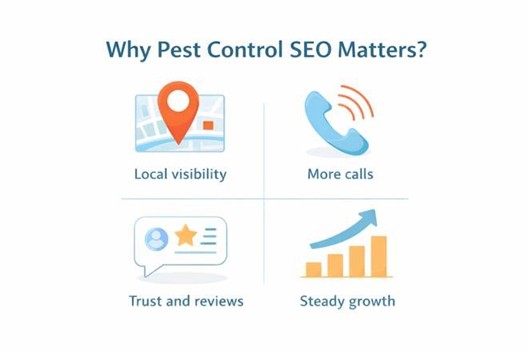
Pest control SEO is not a one-time task. It requires ongoing updates, tracking, and improvement. Search behavior and competition change over time.
A strong SEO setup provides:
SEO also helps you understand customer intent better. Search data shows what problems people care about. This insight improves services, content, and messaging.
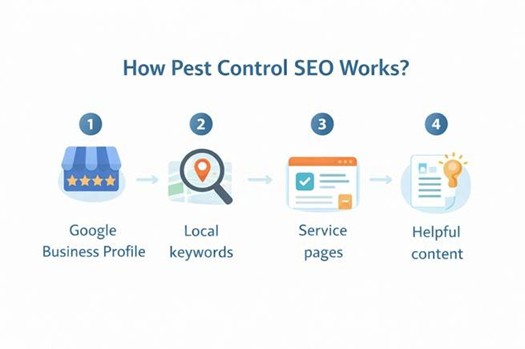
Pest control SEO works best when you follow a clear process. Random actions rarely produce stable results. A structured approach saves time and avoids common mistakes.
You should focus on these core areas first:
Each section below explains what to do and why it matters.
Google Business Profile is the most important local SEO asset. It controls how your business appears in map results. It also influences trust and click behavior.
Start by claiming and verifying your profile. Use your real business name, address, and phone number. Do not add keywords to your business name.
Complete every important profile section:
Photos play a major role in local engagement. Add real images from your team and service vehicles. Avoid stock photos whenever possible.
Regular updates help keep your profile active. Post service updates, seasonal tips, or company news. These signals show ongoing business activity.
Reviews are critical for local trust and conversions. Ask customers for honest feedback after completed jobs. Never offer rewards or discounts for reviews. Respond to every review in a professional tone. Thank positive reviewers and address concerns clearly. This shows responsibility and builds confidence.
To understand how profile traffic converts into real actions, you can track behavior flows using CausalFunnel tools.
Keyword research helps match your services to search demand. Pest control keywords often show strong local intent. You must focus on terms people actually use.
Start with service-based keyword patterns:
Examples include termite treatment searches or rodent control queries. These keywords reflect urgent needs and strong conversion intent.
Avoid targeting keywords that lack service relevance. High traffic does not always mean high value. Focus on keywords that match your offered services. Location modifiers are essential for pest control SEO. Use city names, neighborhoods, or service regions naturally. Do not stuff locations into every sentence.
Group keywords by service type and intent. This grouping helps you build focused service pages. It also prevents keyword overlap between pages.
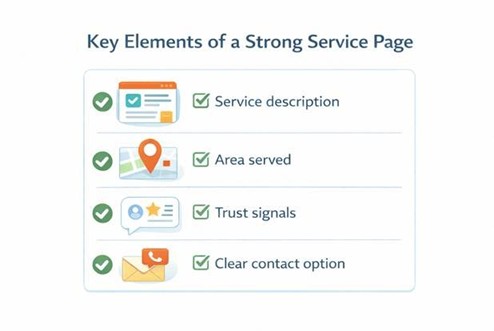
Service pages are the core of pest control SEO. Each major service deserves its own dedicated page. These pages attract high-intent local traffic.
Every service page should clearly explain the problem. Describe common signs and why the issue matters. Use simple language that customers understand.
Your page should explain your service process clearly:
Local relevance should appear naturally on the page. Mention service areas without repeating city names excessively. Avoid creating fake location claims.
Trust elements improve conversion rates:
Link related service pages where it makes sense. Internal links help users and search engines navigate easily.
Helpful content supports pest control SEO long-term. It builds authority and attracts links naturally. It also answers questions before customers call.
Focus on content that solves real problems:
Use real experience wherever possible. Include insights from technicians or field observations.
This adds authenticity and trust.
Avoid repeating the same advice across multiple pages. Each piece should serve a clear purpose. Quality matters more than volume.
Helpful content also supports service pages. It guides users from research to action. Internal links help move users through the site.
SEO success depends on user behavior after clicks. Search engines observe how users interact with pages. Poor experience can reduce rankings over time.
Track important behavior signals:
Improve mobile experience first. Most pest control searches happen on mobile devices. Pages must load quickly and display clearly.
Simple improvements make a big difference:
Pest control SEO improvements do not happen overnight. Early gains often come from local profile optimization. Content and authority growth take longer.
Consistency is more important than speed. Small improvements compound over time. Avoid shortcuts that risk long-term stability.
Backlinks help search engines trust your pest control website. They act as signals of credibility and relevance. Quality matters far more than quantity.
Local backlinks are especially valuable for pest control SEO. They show real connections within your service area.
These links support both local and organic rankings.
Good local backlink sources include:
Avoid buying links or using spam networks. Low-quality links can harm long-term performance. Search engines detect unnatural link patterns easily.
Local citations also support authority and accuracy. Citations include mentions of your business name and contact details. Consistency across platforms is critical for trust.
Check listings for errors or outdated information. Fix duplicates and incorrect phone numbers quickly. This reduces confusion for users and search engines.
Technical SEO supports everything else you do. It ensures search engines can crawl and understand your site. It also improves user experience across devices.
Mobile performance is especially important for pest control websites. Most users search for help using phones. Slow pages lose attention and trust quickly.
Focus on these technical improvements first:
Core Web Vitals help measure page experience quality. They track speed, stability, and interaction responsiveness. Search engines use these signals for ranking decisions.
Simple fixes often deliver great improvements:
Clear site structure also matters. Group service pages logically and avoid orphan pages. Use internal links to guide users naturally.
Many businesses choose professional support for SEO efforts. Understanding service scope helps set realistic expectations. Not all providers offer the same value.
Pest control SEO services often include:
Reporting is a critical part of SEO services. Reports should focus on leads and visibility. Vanity metrics alone provide limited value.
Good reports usually show:
Avoid providers who promise instant rankings. SEO requires time, testing, and adjustment. Transparency matters more than bold claims.
If you want to track real conversions from SEO traffic, explore analytics solutions at CausalFunnel.
Reviews help assess SEO providers and agencies. They reveal patterns beyond sales claims. Reading reviews carefully saves time and money.
Look for reviews that mention specific outcomes. Generic praise provides limited insight. Detailed experiences signal authenticity.
Pay attention to recurring themes:
Check reviews across multiple platforms. Consistency across sources improves reliability. One platform alone rarely tells the full story.
Ask direct questions before hiring:
Pest control SEO reviews should support informed decisions. They should not replace due diligence. Use them as one evaluation factor.
Many pest control websites struggle due to simple mistakes. Avoiding these errors protects long-term rankings.
Common mistakes include:
Another mistake is neglecting mobile users. Slow mobile pages frustrate urgent searchers. This reduces leads and trust. Ignoring reviews also harms local performance. Reviews influence ranking and customer decisions. Active responses show professionalism.
SEO works best with patience and consistency. Shortcuts often create future problems.
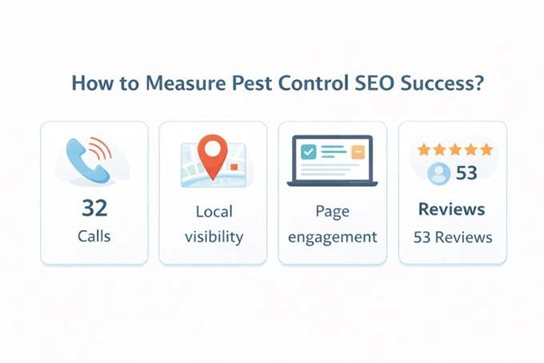
Tracking progress helps guide future improvements. Metrics should align with business goals. Traffic alone does not equal success.
Key metrics to monitor include:
Search rankings provide helpful context. However, conversions matter most.
Always connect SEO data to real outcomes.
Behavior tracking reveals hidden issues. It shows where users drop off or hesitate. This insight helps improve page performance.
Pest control SEO supports steady and sustainable growth. It builds visibility, trust, and long-term lead flow. Results improve with consistent effort.
A strong strategy balances local visibility and helpful content. It avoids shortcuts and focuses on real user needs. This approach aligns with search engine expectations.
SEO success depends on clarity and experience. Clear pages help users decide faster. Real insights build trust naturally.
With the right structure and tracking, pest control SEO becomes a reliable growth channel. It supports your business through changing seasons.
Pest control SEO helps people find your business online. It shows your services when someone searches nearby. That usually leads to more calls and inquiries.
SEO takes time to build. Most results appear after a few months of steady work. Local results can show sooner if the basics are done right.
These services help improve local search visibility. They often cover service pages, listings, and reviews. The focus is on real leads, not just rankings.
You should see more calls or form submissions. Local visibility should improve over time. That usually means SEO is helping.
Start using our A/B test platform now and unlock the hidden potential of your website traffic. Your success begins with giving users the personalized experiences they want.
Start Your Free Trial

Empowering businesses to optimize their conversion funnels with AI-driven insights and automation. Turn traffic into sales with our advanced attribution platform.
Trusted by Customers


©CausalFunnel Inc. All rights reserved.