



Free Funnel Audit
Convert more customers today!
SEO
10 mins read

SEO
10 mins read
“Should I go for SEO or Google Ads?” This is one of the most common questions we come across. Often, people who are new to the business or still trying to scale their business have this question on their mind. They are confused whether they should go for an option that accelerates their business step by step or an option that improves their business instantly.
SEO slowly drives traffic and organic growth when the search engine thinks the business or the website is trustworthy. On the other hand, Google Ads shows quick results by placing your business on the paid listing above the search results.
While both the channels work well, they both serve different purposes and are built for different timelines and goals.
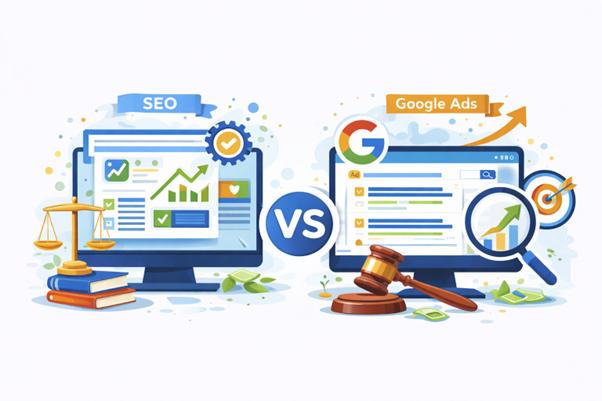
Many people wonder, SEO vs Google Ads: which is better for their business needs? While there is no simple answer for this question, we’ve tried to clear the confusion from your minds through this guide.
This guide compares costs, timelines, and real use cases. You will also get a clear framework to choose the right option confidently.
Search Engine Optimization (SEO) is a long-term process of helping websites appear in organic search results. Its main goal is to get qualified traffic without paying a single penny for individual clicks. SEO focuses on relevance, trust, and user experience.
How does this work? It works by aligning your website with what search engines value. It improves visibility when users search for related topics or questions. Platforms like CausalFunnel help connect organic traffic to real outcomes.
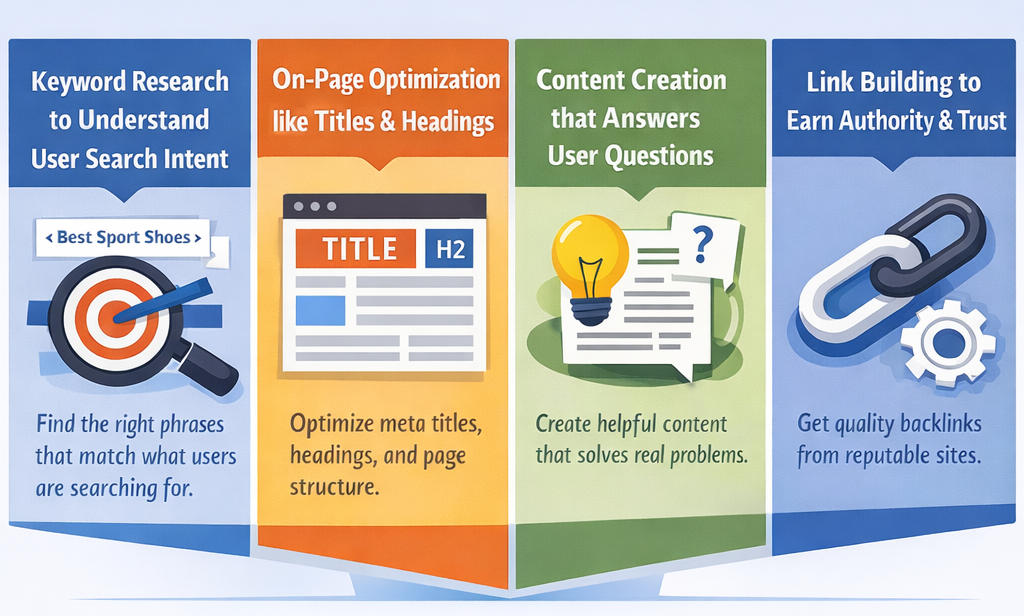
Some of its main components are:
Keyword research is all about finding the right phrases according to the user’s search intent. For example, if you have a shoe business, you can target keywords like “Best Sport Shoes,” “Best Running Shoes,” or “Best Sports Shoes in [city].”
The main idea behind keyword research is to identify what and why users search for a term or a phrase. This helps match content with real needs and guides in topic selection, page focus, and content depth decisions.
Through on-page optimization, search engines better understand a page’s relevancy. This can be done by adding proper meta titles, headings, structure, better readability and a better user experience. Clear organization supports better rankings and engagement.
For example, a blog uses a clear title, descriptive H2s, and short sections. The headings guide readers and help search engines understand the topic. Basically, the page becomes much easier to scan and rank.
People are online to look for answers. Therefore, your goal should be to create content that solves people’s problems and gives a logical solution. Through the method of SEO, businesses create content, explaining topics or guiding decisions clearly.
When the content is helpful, it builds trust and keeps users on the page longer. Search engines reward pages like these that satisfy user intent fully.
Linking building is a strategy in SEO to get more trust from businesses in your niche. When you get links from reputable websites, it signals credibility to search engines. But not every link works well. Quality matters more than quantity for sustainable results. Strong links help pages rank higher and faster.
Let’s say, A legal blog earns a link from a reputable law directory. Search engines treat this as a vote of confidence. In return, rankings improve faster than with high-quality links.
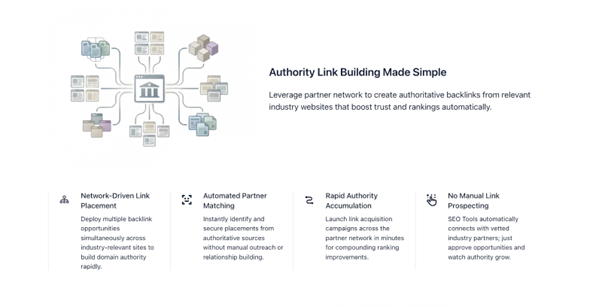
This is where CausalFunnel helps in authority link building. They get links from relevant industries that increase their trustworthiness and authority online.
Technical SEO is a technique in SEO that makes sure search engines can access and understand your site easily. Fast-loading pages improve user satisfaction and ranking, and a clean structure supports indexing and long-term performance.
For example, a site fixes slow page loading and broken internal links. This leads to search engines crawling pages without errors. As a result, users experience smoother navigation and faster access.
Each component of SEO supports the others. While strong content performs better with solid technical foundations, links help amplify valuable pages. SEO does not deliver instant results. However, it builds a reliable traffic source over time. When done consistently, SEO supports long-term brand visibility and credibility.
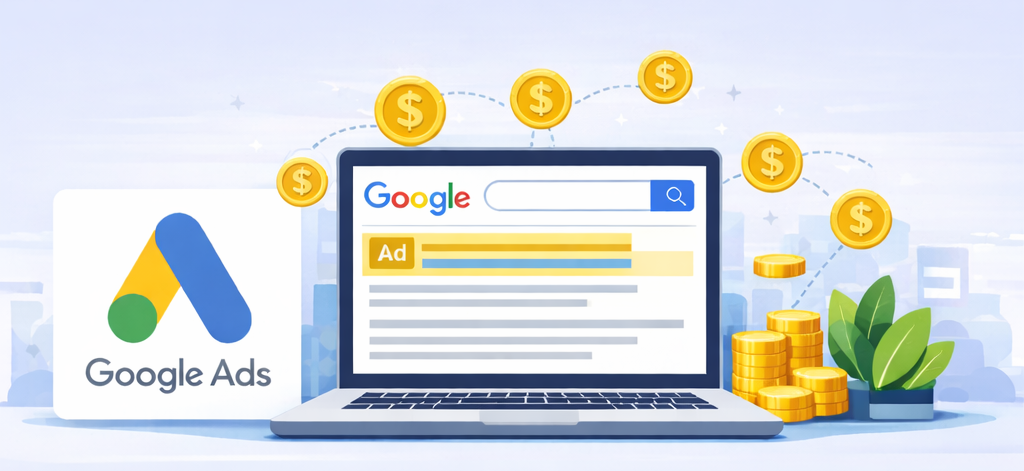
Now, let’s understand what Google Ads is. Google Ads is a pay-per-click advertising platform. Here, businesses bid to show ads across Google’s networks. You pay only when users interact with your ads.
Ads trigger based on keywords, targeting settings, and audience signals. This allows precise control over who sees your message. Visibility starts quickly after campaigns go live.
There are four common Google Ads formats. These are:
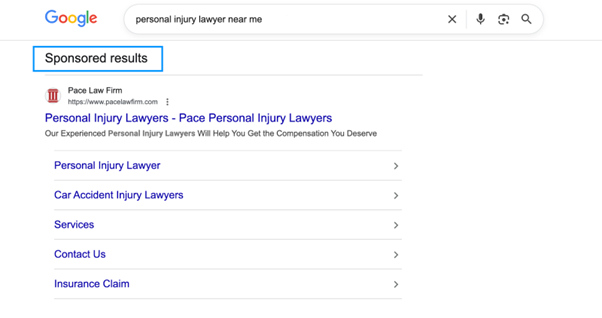
Search ads appear when users actively search for specific services or products. For example, a user searches for “personal injury lawyer near me.” The ad appears above organic results and drives immediate inquiries.
Display ads appear as banners or images across Google’s partner network. For example, a home services brand shows ads on news and blog websites. These ads increase brand awareness before users start searching.
Video ads play before, during, or after YouTube videos. Let’s say a law firm runs short videos introducing attorneys and services. This builds trust and familiarity with potential clients.
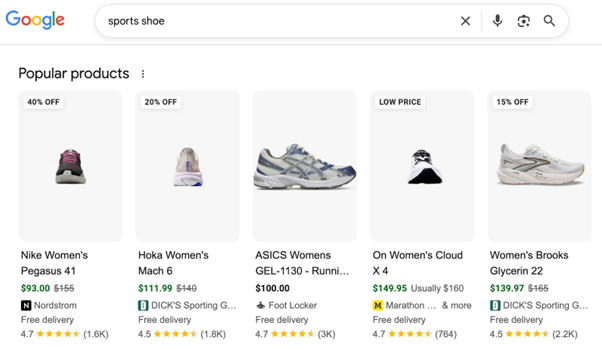
Shopping ads show product images, prices, and store names directly. You may see an online store display sneakers with pricing in search results. Users compare options quickly and click with purchase intent.
Google Ads works best for immediate goals. It supports launches, promotions, and lead generation quickly. While effective, results depend on budget, competition, and optimization quality. CausalFunnel helps advertisers see which clicks turn into real leads.
When do people get confused between SEO vs Google Ads? It is when they want to gain visibility. Using these methods is not just about using a tool or a strategy, but whether to earn attention or buy attention.
When we are talking about SEO, it focuses mainly on improving your overall website so it gets indexed in the organic search results. It’s all about showing yourself as a trustworthy name to Google by following all the norms and rules. In SEO, you do not pay for clicks directly. Instead, you invest in content, structure, and authority over time. Results grow slowly but can last longer once established.
On the other hand, Google Ads work differently. With Google Ads, it’s all about money. You pay to show ads in specific placements across Google platforms. Your visibility starts as soon as campaigns launch. Traffic stops when the budget stops running.
At a high level, the distinction looks like this:
SEO and Google Ads differ in how users encounter your brand online. SEO works as an inbound channel driven by user intent where people search with a need, then discover your content naturally.
Google Ads follows a more outbound approach. Your brand appears because you choose to show ads proactively. The user may or may not be ready to engage immediately.
Key differences in how users experience each channel include:
This difference affects mindset, trust, and conversion behavior. Understanding intent helps choose the right channel for your goals.
SEO visibility appears mainly in organic search listings. These results sit below paid ads and change based on relevance and authority. Visibility grows as content ranks for more keywords over time.
Google Ads offers broader placement options across Google’s ecosystem. Ads can appear in several locations depending on campaign type and goals.
Common Google Ads placements include:
This wider visibility helps brands reach users beyond direct searches. SEO remains focused on organic discovery within search results.
Comparing seo vs google ads becomes easier when broken into practical decision factors. Each channel performs differently across speed, cost, and long-term value.
SEO rewards patience and consistent effort over time. Google Ads rewards budget control and fast execution. Both approaches can drive results, but their impact timeline differs.
In the sections below, we’ll compare how each channel performs in real business scenarios. This helps evaluate which option aligns better with your goals and constraints.
Google Ads delivers traffic almost immediately after campaigns launch. Ads can start showing within hours once approved. This makes it ideal for urgent promotions or fast lead generation.
SEO takes time to show meaningful results. With SEO, rankings often improve gradually over several months. Early gains may be small before momentum builds.
Another key difference is durability. Ads stop delivering traffic when spending pauses. On the other hand, SEO traffic can continue even without daily investment. This long-term effect makes SEO valuable for sustained growth.
Google Ads uses a pay-per-click pricing model. You pay only when someone clicks your ad. The catch here is that the costs increase as competition rises in your market.
On the other hand, SEO does not charge per click, but it is not free. Costs include content creation, tools, and skilled labor. Investment happens upfront and continues over time.
Both channels need budget planning, just in different ways.
Google Ads scales quickly by increasing daily spend. More budget usually brings more traffic, assuming demand exists. This makes scaling predictable but cost-dependent.
SEO scales through content, authority, and site strength. Growth happens more slowly but often compounds over time. Each ranking page adds lasting value.
Long-term, SEO can deliver a lower cost per visit. Ads remain effective but rely on continuous funding. The right choice depends on the growth horizon and resources.
Here’s a clear table showing the key differences between SEO and Google Ads.
Factor | SEO | Google Ads |
Visibility type | Organic listings in search results | Paid placements across Google networks |
How do you get traffic | You earn rankings through relevance and trust | You buy clicks through bids and targeting |
Speed of results | Slow, usually weeks to months | Fast, often same day after approval |
Cost model | No cost per click, but ongoing work costs | Pay per click or per impression |
Budget control | Indirect control through effort and scope | Direct daily and campaign budget control |
Long-term value | Compounds over time and can last longer | Stops when spending stops |
Scalability | Scales with content and authority building | Scales quickly with higher spend |
Targeting options | Limited to search intent and keywords | Strong targeting by location, audience, and intent |
Best for | Long-term growth and steady inbound traffic | Immediate leads, launches, and testing offers |
Main risk | Slow payoff if the strategy is weak | Wasted spend if tracking or targeting is poor |
Measurement focus | Rankings, traffic quality, and conversions | CPC, CTR, conversions, and ROAS |
Typical use case | Building authority in a niche over time | Driving quick demand or filling the pipeline now |
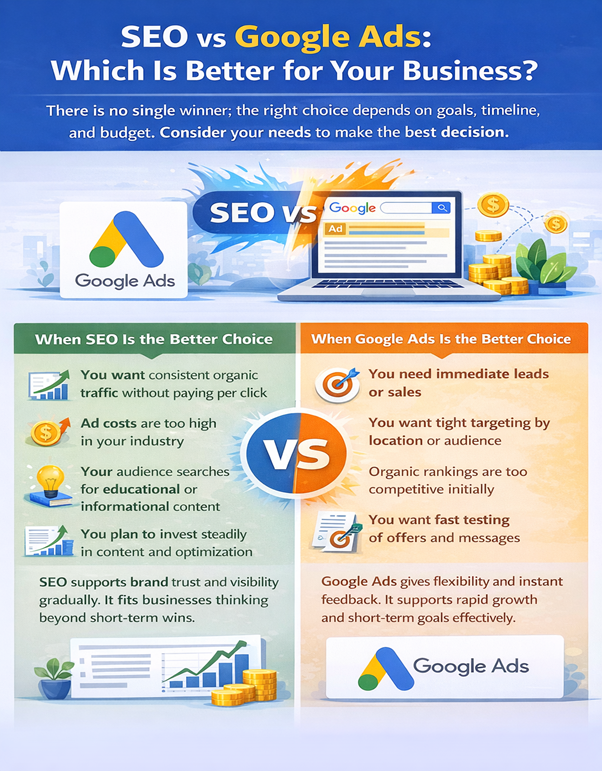
There is no single winner when comparing SEO and paid advertising. SEO vs Google Ads: which is better depends on your situation. The right choice varies by goals, timeline, and budget.
Some businesses need fast leads and testing flexibility. Others prioritize long-term visibility and cost efficiency. Competition level and market demand also influence results.
When deciding, consider these factors:
How quickly do you need results
Understanding these variables makes the decision clearer. Many businesses use both channels at different growth stages.
SEO works best when long-term growth is the main priority. It suits businesses building authority and steady traffic over time.
SEO is a strong option when:
SEO supports brand trust and visibility gradually. It fits businesses’ thinking beyond short-term wins.
Google Ads is ideal when speed and control matter most. It delivers predictable traffic quickly when campaigns are optimized.
Ads work well when:
Google Ads gives flexibility and instant feedback. It supports rapid growth and short-term goals effectively.
Using SEO and Google Ads together often delivers stronger results. Each channel supports the other in practical ways. Ads provide quick data, while SEO builds lasting authority.
Google Ads can test keywords and messaging fast. Winning insights can then guide SEO content priorities. This reduces guesswork in long-term strategies.
Benefits of combining both channels include:
This approach avoids forced choices. It aligns tactics with business stages and evolving goals. Using platforms like CausalFunnel removes guesswork from SEO and Ads decisions
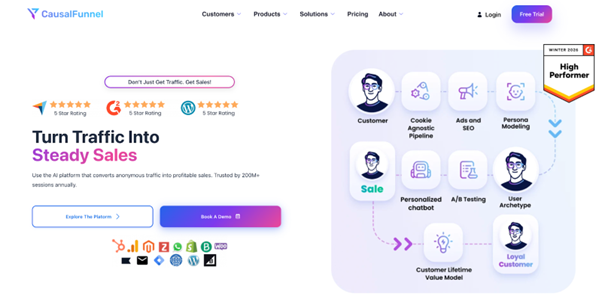
CausalFunnel helps businesses connect marketing efforts to real outcomes. It focuses on understanding who converts, not just what they clicked. This matters for both SEO and Google Ads performance.
With SEO, CausalFunnel tracks how organic visitors behave after landing on your site. It identifies which pages, keywords, and user journeys lead to real conversions. This insight helps refine content strategy and prioritize high-value topics.
For Google Ads, CausalFunnel goes beyond basic conversion tracking. It uses deep identification to link ad clicks with actual leads and customers. This improves budget allocation and keyword decisions.
Key ways CausalFunnel supports both channels include:
By using CausalFunnel with SEO and Google Ads, businesses make smarter decisions. Marketing efforts become clearer, measurable, and more profitable over time.
The difference between SEO and Google Ads comes down to timing and value. SEO builds long-term visibility that compounds gradually. Google Ads delivers fast, controlled traffic with predictable costs.
The better choice depends on your goals, budget, and urgency. Choose based on business needs, not trends or assumptions. Many successful strategies use both channels together.
Focus on clarity, consistency, and realistic expectations. That approach leads to smarter decisions and stronger marketing results.
Neither is universally better. SEO suits long-term growth, while Google Ads works best for immediate leads. Many businesses use both as ads provide quick data to inform SEO keywords.
You can opt for SEO if you prioritize sustainable traffic and have time to invest, like for e-commerce or content sites.
You can go for Google Ads if you have urgent needs, such as seasonal promotions or new launches needing instant exposure.
Yes, you can always use both. They complement each other. You can use Ads data to refine SEO and reduce future ad spend. This hybrid approach maximizes ROI.
Start using our A/B test platform now and unlock the hidden potential of your website traffic. Your success begins with giving users the personalized experiences they want.
Start Your Free Trial

Empowering businesses to optimize their conversion funnels with AI-driven insights and automation. Turn traffic into sales with our advanced attribution platform.
Trusted by Customers


©CausalFunnel Inc. All rights reserved.