



Free Funnel Audit
Convert more customers today!

SEO
10 mins read

SEO
10 mins read
Running a therapy practice means balancing care, ethics, and steady client growth. Many therapists ask whether Google Ads for therapists actually work for private practices. Paid ads can feel risky, expensive, and confusing at first glance. That concern is valid, especially when budgets feel tight and competition feels strong.
This guide explains Google Ads for therapists in clear, simple language. You will learn how ads work, what they cost, and when they make sense. It is a realistic guidance based on real campaign behavior. It is for therapists first, not algorithms or sales funnels.
Google Ads shows your practice when someone searches for therapy services online. These ads appear at the top of Google search results. They show only when someone searches for relevant therapy-related keywords.
Unlike social media ads, search ads match active intent, not passive scrolling. This difference makes therapist Google Ads powerful when done carefully.
Keywords are the search phrases people type into Google. Therapists should focus on intent-based keywords, not general mental health terms.
Examples of high-intent therapy searches include:
These searches signal readiness to book, not just curiosity. Strong intent improves conversion rates and protects your advertising budget.
Top-ranking competitors rank because they explain intent, not just keyword lists. This approach helps readers avoid expensive beginner mistakes.
Google Ads uses an auction system, not a simple highest-bid model. Your ad placement depends on bid amount and ad quality combined.
Quality includes:
A smaller budget can still compete with strong relevance and structure. This is why strategy matters more than raw spending power.
Therapist ads mainly appear on Google Search results pages. They often show above organic listings on mobile devices. Most therapy searches happen on mobile phones during emotional urgency.
Ads can be scheduled by:
This control helps therapists avoid wasted clicks and poor-fit leads.

Cost is the biggest concern therapists raise before starting ads. The answer depends on location, niche, and competition intensity.
On average, therapy-related clicks range from moderate to high cost. Urban areas often see higher competition and higher click prices.
Important cost factors include:
For Google Ads for physical therapy, costs may differ slightly. Physical therapy often targets injury recovery and insurance-based intent.
Let’s walk through a basic, realistic example.
On average, this creates $900 in revenue from a $200 ad spend. That math explains why many therapists carefully test ads.
This clarity is why top pages include real calculations. They help readers decide logically rather than emotionally.
To understand which ads actually convert, track actions beyond simple clicks with Causal Funnel.
Google Ads are not a fit for every therapy practice. They work only when the basics are in place.
Google Ads work better when:
Google Ads struggle when:
Conversion problems usually come from weak pages or missed follow-ups, not the ads themselves. Low ROAS often means the traffic was real, but the intent or response wasn’t right.
Practices that explain these limits openly tend to perform better. Clear expectations reduce wasted spend and build trust with readers.
Google Ads work best as part of a balanced marketing system. They support visibility while SEO builds long-term stability. They help fill schedule gaps during slow seasons.
To analyze how paid traffic supports long-term growth, check out our guide on Organic vs Inorganic Marketing Strategy.
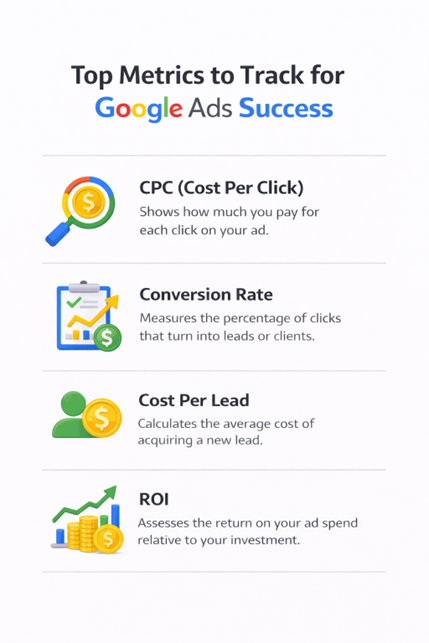
Running ads without tracking metrics leads to wasted money. Metrics help therapists understand what works and what needs change. Top-ranking pages explain metrics in simple, non-technical language.
You do not need advanced math or marketing experience here. You only need clarity and consistent review habits.
Cost per click shows how much you pay for each ad click. This metric reflects competition and keyword demand. Higher CPC does not always mean poor performance. Some expensive clicks convert better and faster.
CPC becomes useful when compared with lead quality. This comparison prevents panic over surface-level numbers.
Conversion rate shows how many visitors take action on your website. Actions may include form fills, calls, or booking requests. A strong conversion rate often signals trust and clarity. Clear messaging and simple design usually improve this number.
If conversions feel unclear, behavior tracking tools help. Platforms like Causal Funnel show real user paths clearly.
Cost per lead shows how much each inquiry actually costs. This metric matters more than clicks alone. A $50 lead may outperform five cheap but unqualified inquiries. Quality always matters more than quantity in therapy practices.
Tracking cost per lead supports ethical and sustainable growth decisions.
ROI compares ad spend with revenue generated. This metric shows whether ads support long-term practice health.
ROI should consider session packages, not single appointments. This view aligns better with therapy business realities. Top competitors rank well because they explain ROI clearly. They avoid exaggerated promises and focus on practical math.
Therapists usually compare marketing options by looking at speed, control, cost, and lead quality. Google Ads deliver fast visibility and allow precise targeting by location, intent, and budget. SEO and content marketing take longer but build steady, long-term traffic. Social media builds awareness but often brings low-intent leads. Referrals are high-trust but unpredictable and hard to scale. Email works best for retention, not first-time client acquisition.
This comparison helps readers make confident decisions. Search engines reward pages that explain options fairly. Balanced comparisons reduce bounce rates and improve trust.
SEO focuses on long-term visibility and steady traffic growth. Google Ads provide immediate visibility and fast feedback.
Key differences include:
Many practices use both together strategically. This combination balances speed and stability.
Directories offer visibility within existing platforms. Competition remains high, and differentiation stays limited.
Google Ads allow message control and targeting flexibility. You own the traffic path instead of renting platform space. Top competitors explain this difference clearly for readers. That clarity helps ranking and user satisfaction.
Social media ads target interest, not immediate intent. People rarely search for therapy during casual scrolling.
Google Ads reaches people during moments of active need. This timing often leads to higher-quality inquiries. Social ads still support awareness, not direct bookings. This distinction matters for budget planning.
Many therapy ads fail due to small but costly setup mistakes. These errors waste budget and attract poorly matched leads. Avoiding them early improves results and reduces stress.
Broad keywords attract users with unclear intent. They increase costs and reduce lead quality.
Homepages lack focus for first-time visitors. Users need clear direction to take action.
Most therapy searches happen on mobile devices. Poor mobile design lowers trust instantly.
Not all users convert during the first visit. Users often interact with your site multiple times before form completion.
Ads need time to gather reliable data. Frequent edits interrupt learning patterns.
Sales-heavy language reduces emotional safety. Therapy ads require a calm and respectful tone.
Avoiding these mistakes creates a strong foundation. Better structure leads to better outcomes over time. Clear tracking supports confident decisions.
Google Ads work best for certain practice types. Honest filtering improves trust and conversion quality.
This honesty helps readers self-select appropriately. Google values this transparency strongly in healthcare niches.
Running ads looks simple, but therapy advertising carries a unique responsibility.
Healthcare marketing requires care, accuracy, and ethical awareness. This is where specialized support becomes valuable.
A Google Ads specialist for therapists understands both advertising and client sensitivity.
They build systems that protect trust while driving sustainable growth.
Key advantages of working with a specialist include:
Generic agencies often miss the emotional and ethical context. That gap leads to poor leads and wasted spend.
Top competitors rank well because they emphasize specialization clearly. Google favors expertise in healthcare-related topics.
To see how specialist updates affect real user behavior, tools like Causal Funnel reveal meaningful conversion patterns.
Therapists must market services without exploiting emotional vulnerability. Ethical advertising builds trust before the first session begins.
Ethical ad practices include:
This approach attracts better-fit clients over time. It also protects professional credibility and long-term reputation. Google rewards ethical clarity through better ad performance. Users respond positively to honesty and calm messaging.
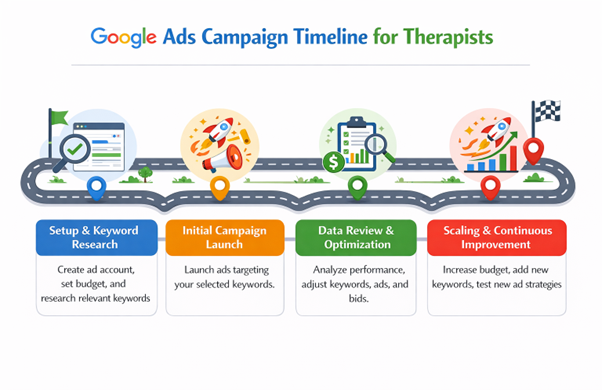
Clear expectations reduce stress and confusion. This timeline reflects realistic campaign behavior.
Progress comes from consistent review and adjustment. Quick fixes rarely produce stable results.
If you reached this point, clarity likely matters to you. That clarity is the right foundation for smart decisions.
Before launching ads, ensure:
Strong campaigns do not start with ads alone. They start with systems that support people when they reach out. Begin with a small, focused campaign. Measure results carefully, then improve based on real behavior patterns. Sustainable growth should feel calm, intentional, and manageable over time.
To understand which efforts truly drive outcomes, Causal Funnel brings data-driven clarity across marketing channels.
Most campaigns show early data within two to four weeks. Meaningful optimization usually requires at least sixty days. Early patience helps prevent premature decisions while Ads improve through data, not guesswork.
Yes, when ads respect client dignity and emotional safety. Ethics depend on messaging, targeting, and intent clarity. Ethical ads inform rather than pressure. This approach aligns with professional standards.
Yes, physical therapy clinics often benefit from search intent traffic. Many patients actively search for injury recovery services. Clear service descriptions and local targeting improve results. This niche fits search-based advertising well.
Most websites benefit from a light pruning review every quarter and a deeper, sitewide pruning project at least once a year, depending on how frequently new content is published.
Most therapists start with a modest testing budget. The goal is learning, not instant scale. Small budgets still produce useful performance insights. Data clarity matters more than early volume.
Some therapists manage ads initially to understand the basics. Long-term success often improves with expert guidance. Specialists reduce costly trial-and-error cycles. This saves money and emotional energy.
Start using our A/B test platform now and unlock the hidden potential of your website traffic. Your success begins with giving users the personalized experiences they want.
Start Your Free Trial

Empowering businesses to optimize their conversion funnels with AI-driven insights and automation. Turn traffic into sales with our advanced attribution platform.
Trusted by Customers


©CausalFunnel Inc. All rights reserved.