



Free Funnel Audit
Convert more customers today!

SEO
10 mins read

SEO
10 mins read
Small businesses often struggle with search visibility. Many owners feel lost because SEO seems complex and time-consuming. This guide gives you a simple SEO roadmap with clear steps you can follow without stress. You will learn exactly what to do to drive steady progress.
If you want extra help turning traffic into results, CausalFunnel can complement your efforts. We offer smart tools, like SEO insights, traffic analytics, and conversion tracking. Our goal is to discover what works for you and what doesn’t. This enables you to make data‑driven decisions and grow your business.

An SEO roadmap is a simple plan that outlines your search tasks over time. It helps you focus on the right actions instead of trying random ideas. It guides your website updates, content work, and tracking. A roadmap also helps you set goals and measure results with confidence.
A good SEO roadmap usually includes:
This plan makes SEO easier to follow even when you are new. Each part gives you clarity about what to do first and what to avoid. Small businesses see better results when they follow a clear and simple path. If you’re looking for a structured timeline, understanding what is a 3 month SEO strategy can help you break down your roadmap into manageable phases with realistic milestones.
Many small businesses try SEO without a plan, and this leads to slow progress. Owners jump between tasks that look important but offer little value. A clear roadmap keeps you organized and focused on long-term growth.
A strong roadmap helps small businesses:
A roadmap also reduces stress for owners who feel overwhelmed. You know what to do each week, and this helps you build trust with your customers. It also supports your business goals since SEO becomes a predictable part of your growth plan. Many owners wonder can I do SEO on my own, and the answer is yes with the right roadmap guiding your efforts step by step.
This section gives each step in a simple order. Follow them one by one, and you will build a strong foundation for your website. These steps do not require expert skills. They only need steady effort and a clear direction.
Before improving your website, you must understand its current state. A basic audit shows what needs attention. You do not need advanced tools here. You only need to check a few important factors that affect search visibility.
Use this simple audit checklist:
This audit helps you identify gaps that may block search engines from ranking your website. It also creates a clear starting point for your roadmap. Many small businesses skip this step, but it plays a big role in long-term growth.
Clear goals help you avoid random SEO tasks. Your goals guide your efforts and show when you are making progress. Choose goals that match your business needs instead of following general industry ideas.
Here are simple examples:
Important SEO KPIs for small businesses include:
Rankings for key service keywords tell you how well your pages appear for important searches. Good rankings place your business in front of customers who need your services. Tracking these keywords helps you see progress and adjust your strategy.
Google Business Profile views and actions show how customers interact with your listing. These actions include calls, direction requests, and website visits. This data helps you understand your local reach and customer interest.
Website conversions such as calls or forms reveal how many visitors contact your business. Conversions show if your website encourages people to take action. Strong conversion numbers mean your content and pages support your business goals.
Organic impressions and clicks show how often your pages appear and how many people click them. This KPI helps you understand visibility and engagement across search results. Higher impressions and clicks signal growing trust and interest.
These simple goals help you measure real business impact. You focus on customers rather than only rankings. This gives you a more reliable direction.
Once your goals are clear, it helps to understand how different SEO areas support them. If you’re new to this, learning what are the 4 types of SEO? gives you clarity on how technical, on-page, off-page, and local SEO work together in a complete roadmap.
Small businesses need simple keyword research that targets the right customers. You do not need advanced paid tools. Most insights come from free or low-cost options. Your goal is to find keywords that show clear intent and local demand.
Follow these easy steps:
Use practical examples to guide your selection. A plumber in Miami may consider keywords like “emergency plumber Miami” or “fast pipe repair services.” A pet groomer in Austin might use “cat grooming Austin” or “best dog groomer near me.”
Pick keywords with clear value and easy understanding. You want keywords that real customers use when they need your help. When starting out, focus on low hanging fruit SEO opportunities keywords with moderate search volume but lower competition that you can realistically rank for quickly. This makes your content more helpful, and it supports your long-term growth.
On-page SEO helps search engines understand your pages better. It also improves user experience and supports your content. Small businesses must do on-page tasks correctly to compete with local competitors.
Use this checklist for your key pages:
This step helps search engines read your website easily. It also helps visitors understand your message faster. When your pages follow clear structure, your content becomes more helpful. Each improvement builds trust with both users and search engines.
Your content strategy should serve customer needs. Focus on simple, helpful, and clear information that answers real questions. Small businesses can grow fast when they publish the right content at the right time.
Create content for:
Use a simple mapping method:
Your content must solve problems for your audience. This builds trust and improves search visibility. Small businesses often skip content creation, but it plays a major role in long-term SEO success.
Technical SEO may sound complex, but many tasks are simple. Most improvements focus on speed, mobile experience, and basic structure. Small businesses only need to follow a few essential steps.
Use this technical checklist:
These tasks help search engines crawl your website easily. They also improve user satisfaction because visitors enjoy a smoother experience. Simple technical work gives small businesses strong long-term value.
Local SEO is one of the most important parts of your SEO roadmap. It helps your business show up when customers nearby search for your services. Most small businesses gain high value from local visibility.
Focus on these steps:
Local SEO sends strong signals to search engines. It shows that your business operates in a specific area and serves local customers. This step increases calls, visits, and customer trust. To understand the impact of reviews on local rankings, learning do Google reviews help SEO can provide useful clarity.
Links help search engines see your website as trustworthy. Small businesses do not need complex link building methods. Focus on local and practical strategies that support your community and industry.
Try these simple link-building ideas:
You build authority when your website gains relevant links. Each link increases trust and signals that your business offers value. Local links carry strong weight for small businesses.
Tracking helps you see what works and what needs improvement. You do not need advanced analytics skills. Most tools give simple insights that support your roadmap. Adjust your tasks based on real data.
Track key areas such as:
These insights show your progress and help you refine your strategy. Monthly reviews prevent wasted time and keep your efforts focused.
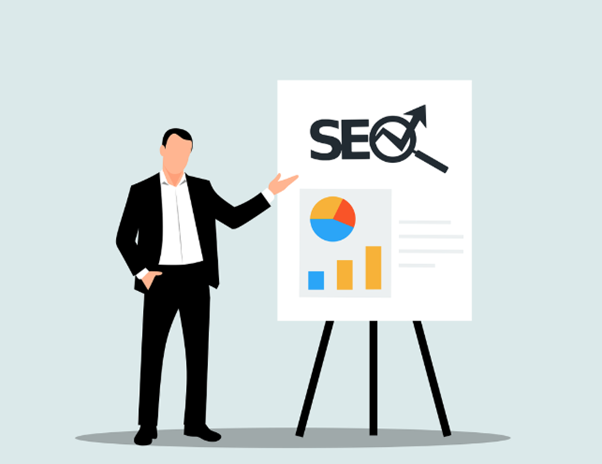
A simple three-month plan helps you follow a clear path. This plan keeps your tasks steady and organized. It also gives predictable results when followed consistently.
Month 1: Foundation and Audit
Month 2: Content and On-Page Work
Month 3: Local SEO and Link Building
This 90-day plan gives small businesses clear direction. It helps you build a strong foundation without feeling overwhelmed.
Avoid these mistakes to keep your SEO roadmap effective:
Many small businesses choose keywords that are too broad or vague. These keywords attract people who may not need your services. Broad terms also face heavy competition from larger companies. This makes ranking much harder for a local business. Always choose keywords that match your customer’s real needs and search intent.
Local customers search differently because they often need fast, nearby solutions. Ignoring this behavior limits your visibility in your service area. Many small businesses forget to include city names or neighborhood terms. This reduces local relevance and lowers your chances of appearing in local search results. Focus on the words your nearby customers actually use.
A Google Business Profile helps customers learn about your business quickly. When you ignore updates, your information becomes outdated or incomplete. This makes your listing less helpful and may reduce customer trust. Regular updates keep your profile fresh and accurate. This boosts visibility and encourages more actions from potential customers.
Some businesses publish content without thinking about customer needs. This leads to weak pages that offer little value. Search engines may ignore such content because it lacks helpful information. Every page must serve a clear purpose for your audience. Focus on content that answers questions and supports your services.
SEO needs regular tracking to stay effective and focused. Without monthly checks, you may miss important changes or issues. You also lose chances to improve your strategy using real data. This is where following a clear set of monthly SEO tasks becomes important, as they help you review performance, spot issues early, and make timely improvements. Tracking helps you adjust your roadmap before problems grow. Consistent reviews keep your progress steady and predictable.
These mistakes slow progress and reduce growth. Avoid them to get the most from your roadmap.
A strong SEO roadmap helps small businesses grow online with a clear plan. Each step in this guide gives you simple tasks that build long-term results. Follow the roadmap at your own pace and update it as your business grows. With steady effort, your visibility and customer trust will increase. To make sure your efforts are moving in the right direction, it’s important to understand how to measure SEO so you can track progress, spot improvements, and refine your roadmap over time.
SEO feels easier when you have clear steps and steady support. CausalFunnel helps small businesses improve visibility and reach more customers.
We offer:
You get a plan that fits your goals and market.
Ready to grow with confidence? Start with CausalFunnel today.
Monthly SEO tasks can help you drastically rank up if your ranking drops early. It also keeps your content updated, fixes technical issues, and stays aligned with Google’s ongoing algorithm changes. This steady routine keeps your site healthy and competitive.
Weekly SEO checks help in finding out the small changes that require minor adjustments, including minor keyword shifts. Quarterly audits cover bigger strategic trends. Monthly tasks sit between them to help you maintain stability, update content, review technical health, and track overall performance.
Skipping monthly tasks can lead to ranking drops, outdated content, crawling issues, toxic backlinks, and missed opportunities. Small problems can turn into bigger issues that hurt visibility and traffic.
Yes. Tools like Google Search Console, GA4, Ahrefs, Semrush, Screaming Frog, and Sitebulb help with keyword tracking, traffic analysis, backlink checks, and technical auditing. You can also use AI-powered platforms like CausalFunnel to automate and streamline tasks.
Depending on website size, monthly SEO can take a few hours to a few days. Using automation or AI tools can significantly reduce the time required and improve accuracy.
Yes. CausalFunnel simplifies monthly SEO by offering AI-based keyword insights, performance tracking, competitor analysis, funnel mapping, behavioral analytics, nudges, and A/B testing. It helps you connect SEO work directly to conversions and revenue.
Start using our A/B test platform now and unlock the hidden potential of your website traffic. Your success begins with giving users the personalized experiences they want.
Start Your Free Trial

Empowering businesses to optimize their conversion funnels with AI-driven insights and automation. Turn traffic into sales with our advanced attribution platform.
Trusted by Customers


©CausalFunnel Inc. All rights reserved.