



Free Funnel Audit
Convert more customers today!

SEO
10 mins read

SEO
10 mins read
Digital advertising can waste a lot of money if not managed properly. One key way to save budget is through negative keywords. They prevent your ads from showing on irrelevant searches. Understanding how do negative keywords work helps businesses run campaigns effectively. By the end of this guide, you will know how to use negative keywords to improve your results.
Negative keywords are terms that stop ads from appearing for certain searches. They filter out irrelevant traffic. This ensures your ads reach only the right audience.
Example: A travel agency targets “luxury vacations.” Adding “cheap vacations” as a negative keyword prevents showing ads to bargain seekers.
Negative keywords are essential for PPC campaigns. Without them, your ads appear for unrelated searches, wasting budget and lowering performance.
Negative keywords function by blocking certain search terms from triggering ads. They rely on match types to control which searches are filtered.
Example Table:
Negative Keyword | Search Triggered? | Notes |
cheap flights | “cheap flights NYC” | Blocked by broad match |
“cheap flights” | “NYC cheap flights” | Blocked by phrase match |
[cheap flights] | “cheap flights NYC” | Blocked by exact match only |
This mechanism ensures only relevant searches trigger your ads. Understanding match types prevents accidental blocking of valuable traffic.
Broad Match Negative:
Phrase Match Negative:
Exact Match Negative:
Correct use of match types ensures ads reach the most relevant audience. This also ties into deciding how many keywords for SEO and ads you should manage, so you balance reach without attracting irrelevant traffic.
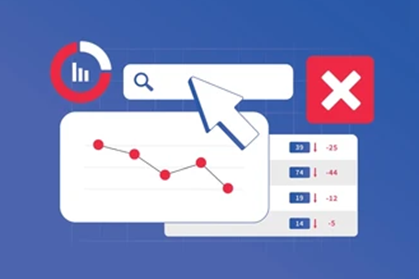
Negative keywords enhance your CTR. It ensures that only relevant audiences view your ads. Your ad appears in front of those with greater chances to engage with your services. So, they are more likely to click on it. It boosts the chances of conversions. You benefit from a higher conversion rate and better campaign performance.
Negative terms filter out unrelated terms. Thus, you save on ad spend. It, in turn, ensures optimal utilization of your budget. You focus on terms that are likely to give you more conversions.
Consider yourself as an e-commerce retailer selling high-end running shoes. Here, a term like ‘cheap running shoes’ won’t get your ad in front of the right people.
Google Ads factors in the relevance of your ads to the keywords they match. Negative keywords improve the relevance of your ads. This leads to a higher Quality Score. A better Quality Score translates to a higher ad rank and lower CPC. It further boosts your campaign performance.
Positive keywords are also called standard keywords. They ensure that your ad is properly aligned with your audience. Remember, you pay for each click. So, you want as many clicks as you can from good leads.
Negative keywords work similarly, but in the opposite direction. When you add these keywords, it’s a signal to ad platforms that you don’t want your ad for these terms.
Expert tip: Negative keywords are only applicable to the first 16 words in a keyword. So, for long queries, negative keywords after the 16th word won’t be flagged by the filter. This means that your ad may still appear.
Identifying negative keywords is crucial for making advertising campaigns efficient and cost-effective. Without careful analysis, ads may appear for irrelevant searches, wasting budget and lowering campaign performance. By strategically finding negative keywords, we can focus ad spend on audiences more likely to convert. Below are key steps to identify negative keywords effectively and maintain campaign relevance.
The Search Terms report in Google Ads reveals the exact phrases users type before clicking ads.
By consistently reviewing search terms, we can refine campaigns to reach only relevant audiences.
Some search queries receive many impressions but very few clicks. High impressions with low click-through rates indicate ad irrelevance.
By filtering high-impression but low-engagement searches, we improve ad efficiency and relevancy.
Smart advertisers use this tool to find search terms they should avoid. Using Keyword Planner is quite straightforward. Follow these steps:
By filtering before launch, you safeguard your budget from day one. No longer do you react on wasted clicks. Instead, you create a preventative guardrail.
Some search queries generate clicks but do not lead to meaningful actions on our website. These clicks consume budget without providing measurable results. By identifying and adding these queries as negative keywords, we prevent irrelevant traffic from visiting. This approach allows us to focus ad spend on users who are more likely to convert. Regularly reviewing conversion data ensures that our negative keywords remain effective over time. Prioritizing low-conversion keywords improves campaign efficiency and ensures that clicks deliver more value.
Competitor analysis is the best method for those wanting to quickly find negatives. Just ask: Who doesn’t buy what I offer? Below are some ways to approach this:
Type your own core keyword in Google. Scroll the autocomplete and “People Also Ask” search results. Many of the related queries are nothing but great negatives!
Certain search queries may have no connection to the products or services we offer. For example, a luxury watch brand might see searches for “cheap watches” that are unrelated to campaign goals. Adding these irrelevant queries as negative keywords ensures that ads only reach traffic that is relevant. This filtering reduces wasted budget spent on users unlikely to convert. It also improves campaign relevance and helps maintain better audience targeting. By removing unrelated searches, we can maintain higher engagement rates and improve overall ad performance, keeping campaigns focused and efficient.
Not all negative keywords carry the same importance. Some have a bigger impact on wasted spend.
By targeting the most harmful or costly search queries first, we improve overall campaign performance quickly. Knowing how to measure SEO and ad performance together helps validate which negative keywords truly reduce waste and drive better results.
Tips:
Data-driven identification ensures only the right negatives are added.
Managing negative keywords in large campaigns requires careful strategies. Without a systematic approach, irrelevant traffic and wasted spend can increase. Below are advanced methods to optimize negative keyword management effectively.
Query mining involves analyzing search queries to identify irrelevant or low-performing terms. Look at metrics like CTR, conversions, and cost per acquisition (CPA). This data helps you spot keywords that attract clicks but rarely lead to conversions. By filtering these queries, you can add high-impact negative keywords. This approach ensures your campaigns reach the most valuable audience.
Segmenting negative keywords by campaign or ad group prevents overblocking important traffic. Applying all negatives globally may stop your ads from showing for relevant searches. Instead, tailor negatives for specific campaigns based on their focus. This strategy maintains ad relevance while still filtering irrelevant queries. Proper segmentation improves both CTR and conversion performance.
Creating and maintaining structured negative keyword lists saves time and ensures consistency across campaigns. You can apply the same lists to multiple campaigns or ad groups easily. Updating these lists regularly allows for quick adjustments as your campaigns evolve. Keyword lists increase efficiency and reduce the risk of missing important exclusions.
Negative keyword management is not a one-time task. Regularly reviewing and refining your negative keywords keeps campaigns effective. Monitor search queries, campaign performance, and emerging trends to adjust keywords as needed. Ongoing optimization ensures ads remain relevant and prevents wasted budget over time. Many teams align this process with their monthly SEO tasks to review performance consistently and make smarter adjustments.
Adding negative keywords correctly is crucial for campaign performance. Follow these steps:
Best Practices:
Adding negatives thoughtfully improves relevance and protects budget.
Following best practices ensures your negative keywords improve campaign performance without limiting valuable traffic.
Search trends change over time, and new irrelevant queries may appear frequently. Reviewing search queries regularly helps identify these unwanted searches early. Regular analysis ensures you can update your negative keywords consistently. This practice prevents wasted spend and keeps campaigns relevant to your target audience.
Maintaining structured negative keyword lists saves time across campaigns. Lists allow you to apply the same exclusions to multiple campaigns efficiently. Keeping them organized makes updates easier and ensures consistency. This practice ensures you do not miss important negative keywords across large accounts.
Broad match negatives block a wide range of queries, which can sometimes prevent valuable traffic. Avoid adding too many at once, as it may unintentionally restrict relevant searches. Gradually introducing broad match negatives allows careful monitoring. This approach protects campaign performance while filtering out irrelevant clicks effectively.
Negative keyword management is ongoing. Regular refinement based on campaign data helps improve ad relevance and efficiency. Remove outdated negatives and add new ones as search trends evolve. Continuous refinement ensures your campaigns remain optimized and aligned with your audience’s behavior. This process works best when treated as part of regular SEO maintenance, where performance is reviewed and improved consistently.
Data alone does not reveal all irrelevant queries. Combining search data with human insight identifies subtle trends. Look for patterns in user behavior and industry changes to uncover hidden negative keywords. This combined approach ensures campaigns remain highly targeted and reduce wasted spend effectively.
Understanding how do negative keywords work is essential for digital advertisers. They help:
Regularly updating negative keywords ensures campaigns stay targeted and cost-effective. Start reviewing your search terms today and apply negative keywords strategically. To further optimize your ads, use CausalFunnel, an AI-driven platform. It analyzes user behavior so you can optimize ad performance. Thus, it ensures that your campaign’s focus remains on the right audience. Start reviewing your search terms today and apply negative keywords strategically to maximize results and make your advertising more efficient.
Yes, but careful use prevents valuable traffic loss.
Monthly reviews are recommended for active campaigns.
Yes, exact match blocks only precise queries, while broad match can block more searches.
Yes, using negative keyword lists helps apply exclusions efficiently.
They can improve conversions by focusing ads on relevant traffic.
Start using our A/B test platform now and unlock the hidden potential of your website traffic. Your success begins with giving users the personalized experiences they want.
Start Your Free Trial

Empowering businesses to optimize their conversion funnels with AI-driven insights and automation. Turn traffic into sales with our advanced attribution platform.
Trusted by Customers


©CausalFunnel Inc. All rights reserved.