Skip to content
CausalFunnelFullLogo
  • Customers

    Testimonials

    Real stories from satisfied customers who’ve achieved amazing results

    Case Studies

    Detailed analysis of successful implementations and ROI improvements

    What It Takes

    Learn the key requirements for maximizing your business potential
  • Products

    A/B Test Platform

    Advanced testing tools for conversion optimization

    Ads Optimizer

    Maximize ROAS with intelligent ad campaign management

    AI Shopping Buddy

    Intelligent chatbot for customer support and sales

    SEO Tools

    Boost organic traffic with AI-powered SEO insights

    Customer Lifetime

    Predict and optimize customer lifetime
    value

    Visitor Incentives

    Personalized offers to convert anonymous visitors

    Landing Page Optimizer

    AI Powered Smart Landing Page
  • Solutions

    E-commerce

    Turn anonymous traffic into paying customers on autopilot.

    Lead Generation

    Discover how we identify and score high-intent leads.
  • Pricing
  • About

    Team

    Meet the experts behind CausalFunnel’s success

    News

    Company updates and industry announcements

    Blog

    Latest insights on AI, marketing, and conversion optimization

    Privacy

    Our commitment to protecting your data

    Contact Us

    Get in touch with our support team

    API Documentation

    Learn how to integrate with CausalFunnel
Login

Free Trial

  • Customers

    Testimonials

    Real stories from satisfied customers who’ve achieved amazing results

    Case Studies

    Detailed analysis of successful implementations and ROI improvements

    What It Takes

    Learn the key requirements for maximizing your business potential
  • Products

    A/B Test Platform

    Advanced testing tools for conversion optimization

    Ads Optimizer

    Maximize ROAS with intelligent ad campaign management

    AI Shopping Buddy

    Intelligent chatbot for customer support and sales

    SEO Tools

    Boost organic traffic with AI-powered SEO insights

    Customer Lifetime

    Predict and optimize customer lifetime
    value

    Visitor Incentives

    Personalized offers to convert anonymous visitors

    Landing Page Optimizer

    AI Powered Smart Landing Page
  • Solutions

    E-commerce

    Turn anonymous traffic into paying customers on autopilot.

    Lead Generation

    Discover how we identify and score high-intent leads.
  • Pricing
  • About

    Team

    Meet the experts behind CausalFunnel’s success

    News

    Company updates and industry announcements

    Blog

    Latest insights on AI, marketing, and conversion optimization

    Privacy

    Our commitment to protecting your data

    Contact Us

    Get in touch with our support team

    API Documentation

    Learn how to integrate with CausalFunnel
CausalFunnelFullLogo
Published by Tegan Elliott on September 14, 2025
Categories
  • showcase
  • Uncategorized
Tags

What is Cost Per Lead (CPL) for Travel Businesses? [Complete 2025 Guide]

In travel marketing, every dollar needs to count. Smart travel businesses track their inquiry costs carefully as this can help them spend money on the right channels and destinations.

A travel lead is someone who shows genuine interest in booking a trip with your business. They might fill out a trip inquiry form, request a travel quote, or download your destination guide. Not all website visitors are travel leads. Only those who take booking-intent actions count.

Cost Per Lead (CPL) for travel businesses is the amount you pay to get one qualified travel inquiry. It shows how much your travel marketing campaigns cost per potential traveler. This metric helps you understand which channels bring the best travel prospects.

CPL connects to your bigger travel marketing strategy. Cost per lead strategies help you set destination marketing budgets and measure campaign success. Lower CPL means more travel inquiries for the same marketing budget.

Travel Cost Per Lead Formula & Calculation

The travel cost per lead formula is straightforward, yet powerful:

Travel Cost Per Lead = Total Travel Marketing Costs Γ· Total Number of Travel Inquiries

What Counts as Travel Marketing Costs?

You can use the above cost per lead formula only if you know how to calculate your travel marketing costs.

Your total travel marketing costs include several components:

  • Travel advertising spend: Money paid to Google Ads, Facebook, Instagram, Pinterest for travel campaignsΒ 
  • Travel content creation: Destination photography, travel videos, itinerary design, travel blog writingΒ 
  • Travel technology costs: Booking engines, CRM software, email marketing platforms, travel websitesΒ 
  • Travel team time: Hours spent by travel advisors, marketing staff, and management on lead generationΒ 
  • Travel trade participation: Trade shows, familiarization (FAM) trips, industry events, networking costsΒ 
  • Influencer partnerships: Travel blogger collaborations, social media partnerships

Travel Lead Qualification Matters

Not every travel inquiry form submission is a quality travel lead. You need clear rules for what counts:

  • Complete contact information: Valid email, phone number, and preferred contact methodΒ 
  • Trip specifications: Destination preferences, travel dates, or date rangesΒ 
  • Travel party details: Number of travelers, ages, special requirementsΒ 
  • Budget indication: Spending range or trip value expectationsΒ 
  • Booking timeline: When they plan to travel or make decisions

Real Travel Business Calculation Example

Let’s walk through a real travel agency scenario:

A renowned travel agency spent $3,000 on Google Ads targeting “luxury Italy tours” last month. They also paid $800 for professional destination photos and $500 for landing page optimization. Their travel advisor spent 15 hours managing the campaign ($750 in salary).

Total costs: $3,000 + $800 + $500 + $750 = $5,050Β 

Qualified travel inquiries: 84 people submitted detailed trip request formsΒ 

CPL calculation: $5,050 Γ· 84 = $60.12 per travel lead

This means each qualified travel inquiry cost them $60.12.

10 Real-World Travel Cost Per Lead Examples by Business Type

Different travel businesses have different CPL ranges. Here are real examples across various travel sectors:

Luxury Travel Agencies

Campaign: Instagram ads targeting affluent travelers planning European river cruisesΒ 

Spend: $4,500 over 30 days including creative developmentΒ 

Leads: 45 detailed luxury travel inquiriesΒ 

CPL: $100 per travel lead

Luxury travel leads cost more but represent much higher booking values averaging $8,000-$15,000 per trip.

Adventure Tour Operators

Campaign: Facebook and Google ads for Nepal trekking toursΒ 

Spend: $2,200 monthly budget including video content creationΒ 

Leads: 110 trekking inquiry forms completedΒ 

CPL: $20 per travel lead

Adventure travel attracts passionate travelers who research extensively before booking 2-week+ trips.

Corporate Travel Management

Campaign: LinkedIn ads targeting business travel managersΒ 

Spend: $1,800 including professional copywritingΒ 

Leads: 30 corporate travel program inquiriesΒ 

CPL: $60 per travel lead

Corporate travel leads represent ongoing relationships worth $50,000+ annually per client.

Destination Wedding Planners

Campaign: Pinterest ads plus wedding blog content marketingΒ 

Spend: $1,500 for ads and content creationΒ 

Leads: 25 wedding planning inquiriesΒ 

CPL: $60 per travel lead

Wedding travel combines high emotion with significant spending, typically $15,000-$50,000 per event.

Group Tour Companies

Campaign: Email marketing to travel clubs plus Facebook advertisingΒ 

Spend: $900 for email platform and ad spendΒ 

Leads: 75 group travel inquiriesΒ 

CPL: $12 per travel lead

Group travel leverages existing communities but requires longer lead nurturing for seasonal trips.

Travel Insurance Companies

Campaign: Google Ads targeting travel protection searchesΒ 

Spend: $2,400 monthly search advertising budgetΒ 

Leads: 200 insurance quote requestsΒ 

CPL: $12 per travel lead

Travel insurance has lower lead costs but requires high volume for profitability.

Cruise Travel Specialists

Campaign: YouTube ads featuring cruise ship tours and testimonialsΒ 

Spend: $3,200 including video production and promotionΒ 

Leads: 80 cruise booking inquiriesΒ 

CPL: $40 per travel lead

Cruise travel appeals to repeat travelers who book multiple trips annually.

Travel Technology/Apps

Campaign: App store advertising plus influencer partnershipsΒ 

Spend: $2,000 for app promotion and travel blogger collaborationsΒ 

Leads: 150 premium app trial signupsΒ 

CPL: $13.33 per travel lead

Travel tech focuses on user acquisition with subscription-based revenue models.

Safari and Wildlife Tour Operators

Campaign: National Geographic partnership plus conservation-focused contentΒ 

Spend: $3,500 for partnership fees and content creationΒ 

Leads: 35 African safari inquiriesΒ 

CPL: $100 per travel lead

Safari travel represents once-in-a-lifetime experiences with $10,000+ average trip values.

Boutique Hotel and Resort Marketing

Campaign: Conde Nast Traveler advertising plus social media campaigns

Spend: $2,800 for magazine placement and social promotionΒ 

Leads: 120 direct booking inquiriesΒ 

CPL: $23.33 per travel lead

Direct hotel bookings bypass online travel agency (OTA) commissions, making higher CPLs worthwhile for quality properties.

Travel CPL vs Other Travel Marketing Metrics

Travel CPL works alongside other important travel marketing metrics. Here’s how they compare:

Travel CPL vs Customer Acquisition Cost (CAC)

Travel CPL measures inquiry cost, while travel CAC measures the full cost to get a confirmed booking.

Travel CPL comes first in your booking funnel. Travel CAC includes sales costs, proposal creation time, and longer nurturing cycles. If your travel CPL is $60 and 15% of inquiries become bookings, your travel CAC starts around $400.

Use travel CPL to optimize marketing channels. Use travel CAC to measure full business profitability.

Travel CPL vs Cost Per Click (CPC)

CPC measures website traffic cost, while travel CPL measures qualified travel interest cost.

CPC shows what you pay for travel website visits. Travel CPL shows what you pay for actual trip inquiries. A $3 travel CPC might generate a $45 travel CPL if 7% of visitors submit inquiry forms.

Track both metrics together. Good CPC with poor travel CPL means ineffective landing pages or targeting.

Travel CPL vs Cost Per Booking (CPB)

Travel CPB measures confirmed reservation costs. This includes the full cost to generate actual paid bookings.

Travel CPL focuses on inquiry generation. Travel CPB tracks completed bookings with deposits or full payment. A travel inquiry might cost $60, but a confirmed booking might cost $500.

Travel CPB comes after travel CPL in most booking funnels. Use travel CPL for top-of-funnel optimization.

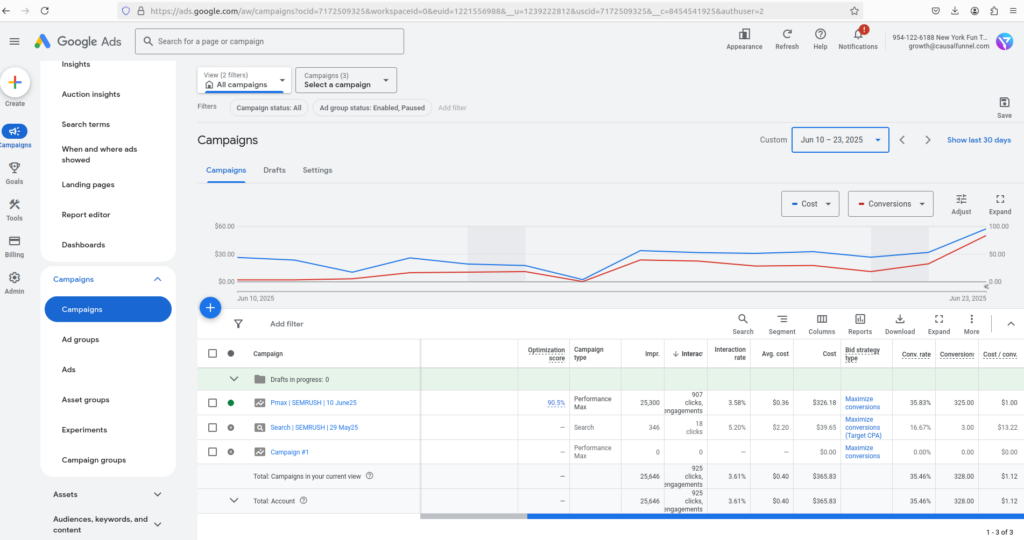
An Ads Optimizer Tool can help you identify and use more popular but untapped keywords for better ad visibility. A promising tool can offer far more features as well, including lower CPC, lower CPL, conversion tracking, higher conversions, and more. All of these combine to get you an increased return on ad spend (ROAS).Β 

For instance, a popular travel agency in New York saw 10x increase in leads through usage of high-intent keywords, better bids, and conversion tracking.Β 

What is a Good Travel Cost Per Lead? Industry Benchmarks 2025

Travel CPL benchmarks vary widely across travel business types and marketing channels. Here are current ranges:

Luxury Travel Agencies: $80-$200 per travel inquiryΒ 

Adventure Tour Operators: $15-$50 per travel inquiryΒ 

Corporate Travel Management: $50-$150 per travel inquiryΒ 

Cruise Specialists: $25-$70 per travel inquiryΒ 

Group Tour Companies: $10-$35 per travel inquiryΒ 

Destination Wedding Planners: $40-$120 per travel inquiryΒ 

Travel Insurance: $8-$25 per travel inquiryΒ 

Safari/Wildlife Tours: $75-$180 per travel inquiryΒ 

Boutique Hotels/Resorts: $20-$60 per travel inquiryΒ 

Travel Technology/Apps: $10-$30 per travel inquiry

Factors That Affect Your Travel CPL

Several travel-specific factors impact your actual costs:

  • Destination popularity: Trending destinations cost more to advertiseΒ 
  • Seasonality: Peak travel season increases competition and costsΒ 
  • Trip complexity: Multi-destination trips generate higher-value but costlier leadsΒ 
  • Target traveler demographics: Luxury travelers cost more to reach than budget travelersΒ 
  • Booking lead time: Last-minute travel has different cost dynamics than advance planningΒ 
  • Competition density: Popular destinations like Europe cost more than emerging destinations

Remember these are starting points. Your actual travel CPL depends on your specific niche, destinations, and target travelers.

How to Calculate Travel Cost Per Lead: Step-by-Step Guide

Step 1: Define Your Travel Lead Qualification Criteria

Set clear rules for what counts as a qualified travel inquiry:

  • Essential travel information: Destination interest, travel dates or timeframeΒ 
  • Contact completeness: Name, email, phone, preferred communication methodΒ 
  • Trip specifications: Duration, traveler count, accommodation preferences
  • Budget indicators: Spending range, trip value expectations, or past travel spendingΒ 
  • Booking timeline: Decision timeframe, departure flexibilityΒ 
  • Quality indicators: Specific questions, detailed requests, referral source

Step 2: Track All Travel Marketing Costs

Don’t miss hidden travel marketing expenses:

  • Direct advertising spend: Google Ads, Facebook, Instagram, Pinterest, travel websitesΒ 
  • Travel content creation: Destination photography, travel videos, itinerary designΒ 
  • Technology investments: Booking systems, travel CRM, email platforms, website developmentΒ 
  • Travel team time: Travel advisors, marketing staff, management hours at realistic hourly ratesΒ 
  • Travel industry participation: Trade shows, FAM trips, industry memberships, networking eventsΒ 
  • Partnership costs: Influencer collaborations, affiliate commissions, referral programs

Step 3: Implement Travel Lead Tracking Systems

Set up proper travel inquiry measurement:

  • Travel CRM integration: Connect inquiry forms to travel-specific customer databasesΒ 
  • Source attribution tracking: Know which channels and campaigns drive travel inquiriesΒ 
  • Conversion pixels: Track travel actions across platforms (inquiry forms, quote requests)Β 
  • UTM parameters: Tag all travel marketing links for accurate source identificationΒ 
  • Destination-specific tracking: Monitor performance by travel destinations and trip types

Step 4: Calculate and Analyze Your Travel CPL

Do the math and find travel-specific insights:

  • Basic calculation: Total travel marketing costs divided by total qualified travel inquiriesΒ 
  • Channel breakdown: Travel CPL for each marketing channel (Google, Facebook, email, etc.)Β 
  • Destination analysis: CPL for different destinations and travel typesΒ 
  • Seasonal tracking: Compare peak season, shoulder season, and off-season performanceΒ 
  • Trip value segmentation: CPL for luxury versus budget travel inquiries

Review your travel CPL numbers monthly, accounting for seasonal booking patterns.

7 Proven Strategies to Lower Your Travel Cost Per Lead

1. Optimize Your Travel Audience Targeting

Better traveler targeting means higher conversion rates:

  • Create detailed traveler personas: Age, income, travel style, preferred destinations, booking behaviorΒ 
  • Use traveler lookalike audiences: Find people similar to your best travel clientsΒ 
  • Exclude irrelevant groups: Save money on unlikely travelers (wrong income, location, interests)Β 
  • Test destination-specific segments: Compare performance across different travel interests

2. Improve Your Travel Landing Pages

Better travel pages convert more visitors to inquiries:
  • Simplify travel inquiry forms: Ask only essential trip planning questionsΒ 
  • Add travel trust signals: Client testimonials, destination photos, travel advisor credentialsΒ 
  • Optimize for mobile travel research: Most travelers research on phones and tabletsΒ 
  • Test destination-focused headlines: Find messages that resonate with specific traveler typesΒ 
  • Include compelling travel offers: Early booking discounts, group rates, or package deals

3. Leverage Travel Retargeting Campaigns

Reach people already researching travel with your business:

  • Segment by travel behavior: Different messages for destination browsers versus trip inquirersΒ 
  • Set appropriate frequency caps: Avoid overwhelming potential travelers with too many adsΒ 
  • Create seasonal travel offers: Time-sensitive promotions for peak booking periodsΒ 
  • Use dynamic destination content: Show relevant destinations based on browsing behavior

4. Focus on High-Converting Travel Channels

Put more budget where it generates the best travel inquiries:

  • Analyze travel channel performance: Compare CPL across all travel marketing sourcesΒ 
  • Increase successful travel channel budgets: Double down on channels bringing quality inquiriesΒ 
  • Reduce underperforming travel spend: Cut channels that don’t generate good travel leadsΒ 
  • Test emerging travel platforms: Try new travel marketing opportunities carefully (TikTok, Pinterest)

5. Implement Travel-Specific Lead Scoring

Focus on travel inquiry quality over quantity:

  • Score traveler demographics: Age, location, income indicators, past travel experienceΒ 
  • Track travel behavioral signals: Destination page views, itinerary downloads, email engagementΒ 
  • Set travel qualification thresholds: Only count high-scoring inquiries as qualified travel leadsΒ 
  • Nurture lower-scored travel inquiries: Keep potential travelers engaged until they’re ready to book

6. Create Destination-Specific Content Marketing

Educational travel content attracts qualified travelers organically:

  • Develop destination expertise: Create comprehensive travel guides and insider tipsΒ 
  • Optimize for travel search terms: Target “best time to visit,” “things to do,” “travel costs”Β 
  • Share client travel stories: Real experiences build trust and inspire bookingsΒ 
  • Offer valuable travel resources: Packing lists, visa information, cultural guides

7. Partner with Travel Influencers and Affiliates

Leverage others’ audiences to reduce direct advertising costs:

  • Collaborate with travel bloggers: Sponsored content and destination experiencesΒ 
  • Partner with complementary businesses: Hotels, airlines, activity providers for cross-promotionΒ 
  • Develop referral programs: Reward past clients for referring new travelersΒ 
  • Join travel affiliate networks: Pay only for actual bookings rather than leads

Common Travel Cost Per Lead Mistakes to Avoid

Mistake 1: Not Defining Travel Lead Quality Standards

Problem: Counting all travel form submissions as equal inquiriesΒ 

Solution: Create travel-specific scoring criteria including destination interest, budget range, and booking timeline

Mistake 2: Ignoring Trip Value Context in Travel CPL Analysis

Problem: Focusing only on travel CPL without considering booking value potentialΒ 

Solution: Balance travel CPL with average booking value and profit margins per destination

Mistake 3: Inconsistent Travel Lead Tracking Across Seasons

Problem: Different measurement methods during peak and off-season create inaccurate data

Solution: Use consistent tracking and attribution methods year-round for accurate comparisons

Mistake 4: Not Segmenting Travel CPL by Destination and Trip Type

Problem: Average travel CPL hides high-performing destinations and low-performing trip types

Solution: Track travel CPL separately for each destination, trip type, and traveler segment

Mistake 5: Focusing Only on Travel CPL Without Booking Conversion Context

Problem: Low travel CPL means nothing if inquiries don’t turn into confirmed bookings

Solution: Track full travel funnel metrics including inquiry-to-booking conversion rates

Mistake 6: Ignoring Seasonal Travel Booking Patterns

Problem: Comparing peak season CPL to off-season without contextΒ 

Solution: Track seasonal patterns and adjust expectations based on travel booking cycles

Mistake 7: Not Accounting for Travel Sales Cycle Length

Problem: Measuring travel CPL over periods shorter than typical booking cyclesΒ 

Solution: Allow for 30-90 day booking windows when calculating travel CPL effectiveness

The right cost per lead strategies can help your travel business boom, eventually at lower costs.Β 

Final Thoughts

Cost Per Lead is a crucial metric for travel marketing success. It helps you allocate destination marketing budgets and measure channel performance effectively.

Start tracking your travel CPL today. Better measurement leads to more efficient travel marketing and higher booking rates.

CausalFunnelFullLogo

Empowering businesses to optimize their conversion funnels with AI-driven insights and automation. Turn traffic into sales with our advanced attribution platform.

growth@causalfunnel.com

+1 (408) 409-5544

4464 Lone Tree Way Antioch #2117, CA 94531

Products

  • A/B Test Platform
  • AI Shopping Buddy
  • Customer Lifetime
  • Visitor Incentives
  • Ads Optimizer
  • SEO Tools

Resources

  • Case Studies
  • Blog
  • News
  • Webinars
  • API Documentation
  • Plugins

Company

  • About Us
  • Platform
  • Team
  • Press
  • Contact
  • Privacy Policy

Trusted by Customers

Β©CausalFunnel Inc. All rights reserved.

  • Terms of Service
  • Privacy Policy
  • Cookie Policy