




Strategy 1: Mobile-First Website Optimization
Think about the last time you had a plumbing emergency. You probably grabbed your phone to search for a solution. That is exactly what your potential customers are doing. If your website is slow or hard to use on a phone, they will get frustrated and simply click over to your competitor. Google also now judges your website based on how well it works on a mobile device, which directly affects where you show up in search results. Making your website “mobile first” simply means building it for the small screen first. It needs to load quickly, be easy to navigate with a thumb, and make it effortless for someone to call you. This approach to online marketing for plumbers ensures websites function flawlessly on any device while meeting Google’s Core Web Vitals standards for page performance, interactivity, and visual stability. Here is how to do it:
- Check Your Current Speed. Use Google’s PageSpeed Insights tool. It will give you a score and show you exactly what is slowing your site down. Your goal is a score above 90 for mobile.
- Make It Load Faster. Compress your images, use a modern format like WebP, and trim any unnecessary code.
- Add One-Tap Calling. Your phone number should be a big, obvious button at the top of the screen. Make sure it is coded as a clickable link so a user’s phone immediately opens the dialer.
- Simplify the Menu. Make buttons large enough to tap easily. Cut down forms to only the most essential information. Every tap should be intuitive.
Strategy 2: Advanced Local SEO Mastery
46% of Google searches are for local information. For a plumber, this is your most important battlefield. When someone searches for “plumber near me,” the goal is to appear in the “Local Pack,” the map with the top three business listings. This is where the vast majority of clicks happen. Mastering internet marketing for plumbers through local SEO creates sustainable competitive advantages. Advanced Local SEO is what gets you there. It goes beyond just having a Google Business Profile. Implementing strong local seo for plumbers involves a consistent online presence, technical signals to Google, and proving you are the best local expert in your service areas. Implementation Steps:- Add Local Schema Markup. This is a hidden code on your website that tells Google exactly who you are, what you do, and where you operate. It includes your service areas, business hours, and types of jobs you handle. Use Google’s Structured Data Testing Tool to check that it is set up correctly.
- Ensure Citation Consistency. Your business Name, Address, and Phone number (NAP) must be identical everywhere online. Use a tool like BrightLocal to manage this across 50 or more directories. Any inconsistency confuses Google and hurts your ranking.
- Create Pages for Each Town You Serve. Build dedicated service pages for each neighborhood or city. Mention local landmarks, zip codes, and community news. This shows Google and your customers that you are a true local expert, not just a company from the next city over.
To enhance your local SEO efforts, consider using AI-powered tools like CausalFunnel’s efficient keyword discovery tool, which automate the process of finding high-performing local search terms (e.g., ‘plumber in [town name]’) without manual research.

- Get Links from Local Websites. Build relationships in your community. Join the local chamber of commerce, sponsor a Little League team, or partner with a real estate agent. Links from these trusted local sites are powerful signals to Google.
Strategy 3: Voice Search Optimization
People are increasingly using voice commands through Alexa, Siri, and Google Assistant to find what they need. These aren’t typed searches; they are spoken questions. When someone has a plumbing emergency, they’re likely to ask their phone, “Who is the best emergency plumber near me?” If your business is optimized for this, you become the answer they hear. Voice search optimization is about anticipating and answering the questions people ask out loud. It requires using natural, conversational language on your website and structuring your content to provide direct, clear answers. Implementation Steps:- Target Conversational Phrases. Move beyond short keywords. Focus on longer, natural questions people would speak, like “How do I fix a leaking faucet?” or “What does a plumber charge to unclog a drain?” Use a tool like AnswerThePublic to find these questions.
- Build a Robust FAQ Page. Create a comprehensive section that answers the most common questions your customers ask. Structure each entry with the exact question as the header, followed by a clear, paragraph-length answer.
- Aim for the Featured Snippet. This is the box at the top of Google’s search results that provides a direct answer. Voice assistants often read this snippet aloud. To win it, provide a concise answer (40-60 words) right after a question, use definition lists, and structure your page with clear headings.
- List Your Business on Smart Speaker Platforms. Register your business on directories for Alexa and Google Assistant. This makes it easier for these platforms to find and recommend your business for local, voice-based searches.
Strategy 4: Google Business Profile Enhancement

- Optimize Visual Content: Upload 10+ high-quality photos monthly, including team photos, completed projects, service vehicles, and facility images. Add ALT text descriptions for SEO for plumbers benefit and ensure photos showcase professionalism and quality.
- Publish Weekly Google Posts: Create promotional posts for special offers, update posts for business news, event posts for community involvement, and product posts for new services. Posts appear directly in search results, increasing engagement.
- Manage Q&A Section Proactively: Seed 15-20 common questions with thorough answers addressing pricing, availability, service areas, and qualifications. Monitor weekly for new questions and respond within 24 hours to demonstrate attentiveness.
- Track Performance Metrics: Use GBP Insights to analyze search queries, customer actions (calls, website visits, direction requests), and photo views. Identify trends and optimize based on data.
Strategy 5: Track Your Phone Calls
Most of your leads will call you, not fill out a form. If you don’t know which ads or websites prompted those calls, you’re wasting money on marketing that doesn’t work and missing out on what does. Advanced call tracking provides crucial ROI data that transforms plumbing marketing services from guesswork to data-driven science. Use a call tracking service to give each of your marketing efforts its own unique phone number. This shows you exactly where your valuable calls are coming from. Here is how to do it- Use Dynamic Number Insertion. A tool like CallRail will automatically show a different phone number on your website to visitors from Google Ads, Facebook, or organic search. This tells you which source generated the call.
- Record Your Calls. With permission, record inbound calls. This is invaluable for training your team and understanding why a caller did or didn’t book a job.
- Define a Qualified Lead. Set up your system to flag calls that last longer than 90 seconds as a “conversion.” This helps you distinguish a serious inquiry from a wrong number.
- Build a Simple Report. Create a dashboard that shows you which marketing channel delivers the most calls and qualified leads for the lowest cost.

Strategy 6: AI-Powered Marketing Automation
Artificial Intelligence can now handle many of the repetitive marketing tasks that used to take up your time. For a small plumbing business, this is a game-changer. It lets you compete with bigger companies by making your marketing more efficient and effective. This represents the cutting edge of online marketing for plumbers. Use AI tools to create content, sort your leads, and connect your different apps. This automates your workflow, freeing you up to focus on the work itself. Here is how to do it- Generate Content with AI. Use a tool like ChatGPT to help write blog posts, social media captions, and emails. Give it specific details about your plumbing business to make the content sound like you.
- Automate Lead Sorting. Set up your customer system to automatically rank new leads. It can flag the most promising ones for you to call immediately, while sending automated follow-ups to the rest.
- Use Predictive Insights. Let AI analyze your data to tell you the best time to send emails or which ad copy is likely to perform best. It spots patterns you might miss.
- Connect Your Tools. Use a platform like Zapier to create automatic actions. For example, when a new 5-star review comes in, it can automatically post a thank-you message on your social media.

Strategy 7: Strategic PPC Advertising
Pay-per-click advertising delivers immediate visibility at the top of search results, capturing customers with urgent needs ready to hire. Properly managed PPC campaigns generate 3-5x return on ad spend for most plumbing businesses working with a competent marketing agency for plumbers. Strategic PPC extends beyond basic Google Ads to include advanced techniques like dayparting (scheduling ads for highest-conversion hours), geo-fencing around competitor locations, remarketing to website visitors, and sophisticated landing page optimization. These tactics maximize conversions while minimizing wasted spend. Implementation Steps:- Implement Advanced Keyword Strategy: Target high-intent keywords like “emergency plumber,” “water heater repair,” and “sewer line replacement” while excluding low-quality traffic through comprehensive negative keyword lists (employment seekers, DIY researchers, students).
- Utilize All Ad Extensions: Deploy callout extensions highlighting “24/7 Service” and “Licensed & Insured,” location extensions showing business address, call extensions enabling mobile click-to-call, and structured snippet extensions listing specific services offered.
- Create Service-Specific Landing Pages: Design dedicated landing pages for each service type (drain cleaning, water heater installation, emergency services) that match ad messaging exactly. Include prominent call-to-action buttons, trust signals (certifications, reviews), and clear value propositions.
- Optimize Bidding Strategy: Implement automated bidding strategies like Target CPA or Maximize Conversions, but monitor performance weekly. Adjust bids based on time-of-day conversion data, increasing investment during peak demand periods.

Strategy 8: Advanced CRM Integration
Customer Relationship Management systems centralize all customer data, communication history, and job details in one platform, eliminating information silos that cause missed opportunities and poor customer experiences. Plumbing businesses using integrated CRMs report higher customer retention and also increased average ticket values compared to competitors relying on spreadsheets. This is fundamental for plumbing marketing companies managing growth. Advanced CRM integration connects ServiceTitan, Jobber, or HousecallPro with marketing platforms, accounting systems, and communication tools to create seamless data flow. Automated workflows trigger based on customer lifecycle stages; new customers enter welcome sequences, completed jobs prompt review requests, and inactive customers receive win-back campaigns. Implementation Steps:- Select Industry-Specific CRM: Implement field service management software designed for plumbing businesses like ServiceTitan or Jobber. These platforms include scheduling, dispatching, invoicing, and marketing tools built specifically for home service contractors.
- Integrate Marketing Platforms: Connect CRM with email marketing (Mailchimp), advertising platforms (Google Ads, Facebook), and call tracking systems. This creates unified customer profiles showing all touchpoints and enables sophisticated segmentation.
- Build Automated Workflows: Create triggers for lifecycle marketing; new customers receive educational content about plumbing maintenance, customers with water heaters installed three years ago receive replacement reminders, and customers with seasonal service needs get proactive outreach.
- Implement Lead Scoring: Configure automatic scoring based on engagement (email opens, website visits), demographics (homeowner vs renter, property age), and behavior (emergency call vs estimate request). Prioritize follow-up for highest-value leads.
Strategy 9: Conversion Rate Optimization
Increasing website conversion rates from 2% to 4% doubles leads without increasing traffic or advertising spend. Most plumbing websites lose visitors before capturing contact information, representing enormous missed revenue. Strategic CRO transforms existing traffic into more customers, maximizing return on every marketing dollar invested. This sophisticated approach to online marketing separates market leaders from followers. Conversion Rate Optimization uses A/B testing, heat mapping analysis, user session recordings, and psychological principles to systematically improve website performance. Every element, including headlines, images, forms, calls-to-action, and trust signals, is tested and optimized based on actual user behavior rather than assumptions. Implementation Steps:- Install Analytics Tools: Implement Hotjar or Crazy Egg for heat mapping and session recording. These tools visualize exactly where visitors click, how far they scroll, and where they abandon pages, revealing optimization opportunities.
- Test High-Impact Elements: Use Optimizely or Google Optimize to A/B test headlines, call-to-action button colors/text, form length (long vs short), and page layouts. Run tests until statistical significance is achieved (typically 95% confidence).
- Optimize Forms: Reduce form fields to essentials (name, phone, service needed), implement multi-step forms for complex quotes, add trust badges near submit buttons, and provide clear privacy assurances.
- Strengthen Trust Signals: Prominently display Better Business Bureau ratings, contractor licenses, insurance certifications, customer review counts, and years in business. Add customer photos (with permission) and specific project details to testimonials.

Strategy 10: Marketing Analytics Dashboards
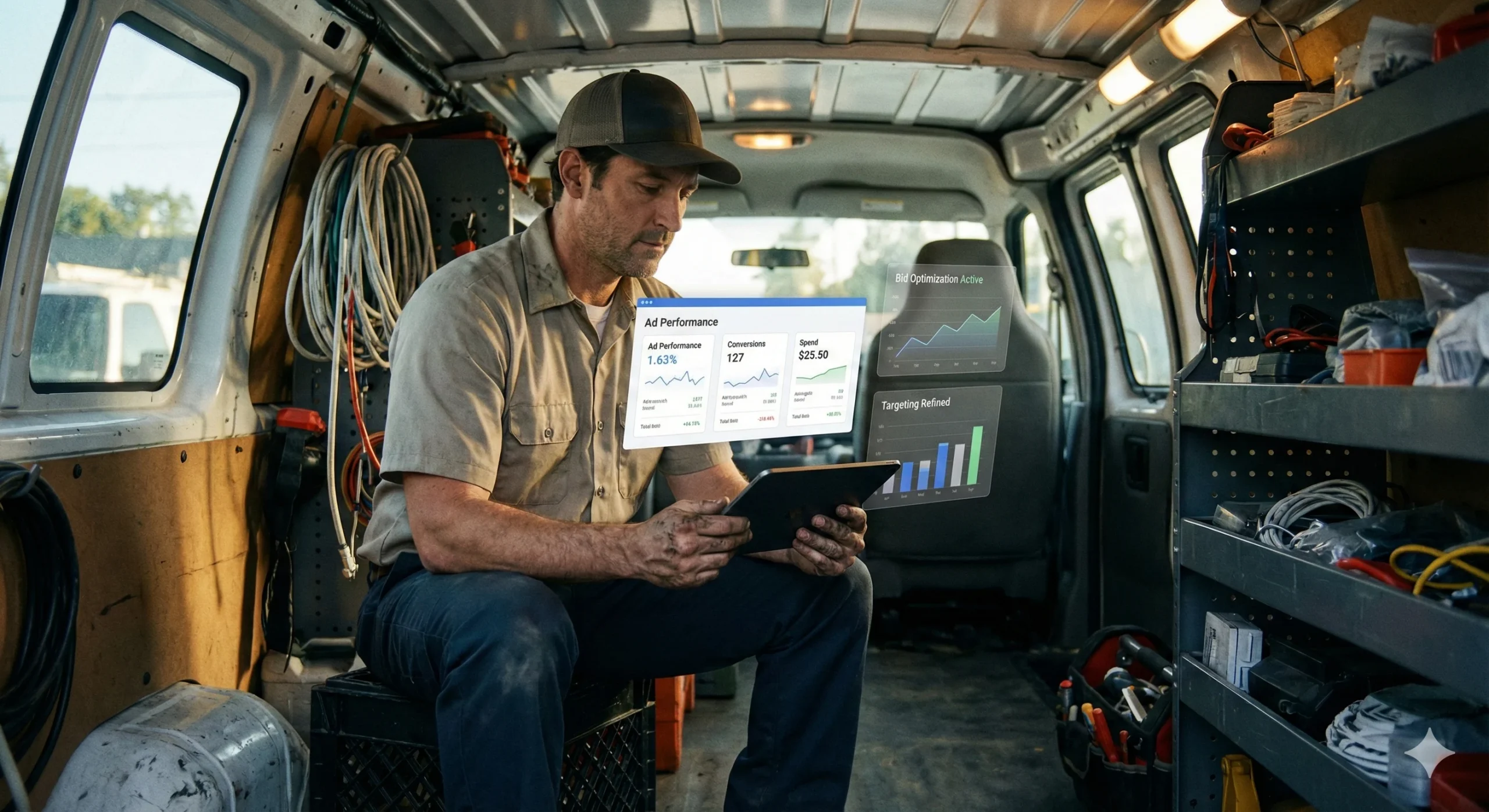
Data-driven decision-making separates successful plumbing businesses from those that struggle. Without comprehensive analytics, marketing becomes expensive guesswork. Custom dashboards consolidate data from multiple sources into visual displays that reveal exactly what’s working, what’s not, and where to invest for maximum return. This analytical approach defines professional marketing for plumbers in 2025. Marketing analytics dashboards aggregate data from Google Analytics, PPC platforms, call tracking, CRM systems, and social media into unified reports that track key performance indicators. Automated reporting eliminates manual data compilation while providing actionable insights for continuous optimization. Implementation Steps:- Set Up Google Analytics 4: Implement GA4 with proper event tracking for phone clicks, form submissions, chat initiations, and quote requests. Configure custom conversions matching business objectives and enable enhanced measurement for comprehensive data collection.
- Build Data Studio Dashboards: Create visual dashboards displaying traffic sources, conversion rates, cost per lead by channel, customer acquisition cost, and lifetime value. Schedule automated weekly reports emailed to stakeholders.
- Implement Attribution Modeling: Use multi-touch attribution to understand the complete customer journey. Recognize that customers typically interact with multiple touchpoints (Google search → website visit → Facebook ad → phone call) before converting.
- Track Offline Conversions: Integrate call tracking data, in-store visit information, and CRM closed deals back into advertising platforms. This completes the attribution loop, showing which online ads drive actual revenue, not just leads.
Strategy 11: Strategic Video Marketing
Homeowners are far more likely to watch a video than read a long description. A good video can show your expertise and build trust in a way that text and photos can’t match. It’s no longer just an extra, it’s a core part of how customers decide who to hire. Create different types of videos for different places online. Use how-to guides for YouTube, short clips for social media, and customer stories for your website. Implementation Steps:- Build a YouTube Channel. Create a channel and organize it with playlists for different services. Upload a few videos each month, answering common plumbing questions to show your knowledge and help people find you through search.
- Make Short Videos for Social Media. Create quick, engaging clips for Instagram Reels and Facebook. Show a fast transformation, a helpful tip, or a glimpse of your team. These short videos get much more attention on social platforms.
- Collect Customer Testimonials. After you finish a job and the customer is happy, ask to record a short video of them. Ask simple questions like, “What was the problem and how did we help?” Real, unscripted feedback is the most powerful.
- Place Videos on Your Website. Embed your best videos on your homepage and service pages. A video can keep visitors on your site longer and make them more likely to contact you.
Strategy 12: Content Marketing Systems
Content marketing costs 62% less than traditional marketing while generating 3x more leads. Regular plumbing blogs publishing increases indexed pages, captures long-tail keyword traffic, and establishes expertise that influences purchase decisions. Plumbing businesses publishing 16+ blog posts monthly generate 3.5x more leads than those publishing 0-4 posts. Systematic content marketing creates valuable blog posts, guides, and resources optimized for search engines and customer questions. Content calendars ensure consistent publishing, keyword research drives topic selection, and promotion amplifies reach beyond organic discovery. Implementation Steps:- Conduct Keyword Research: Use CausalFunnel or Ahrefs to identify search volume, difficulty, and opportunity for plumbing-related keywords. Target topics with commercial intent (repair costs, service comparisons, emergency solutions) over informational queries (plumbing history, DIY basics).
- Create Content Calendar: Plan 8-16 posts monthly, balancing evergreen topics (how-to guides, service explanations), seasonal content (winter pipe protection, summer maintenance), and trending topics (code changes, new technology). Schedule production for consistent publishing.
- Develop Comprehensive Resources: Create ultimate guides (2,000+ words) for high-value topics like “Complete Water Heater Buying Guide” or “Emergency Plumbing Solutions.” These cornerstone content pieces attract backlinks and establish authority.
- Optimize On-Page SEO: Include target plumbing keywords in titles, headers, meta descriptions, and naturally throughout content. Add internal links to related posts and service pages, optimize images with ALT text, and ensure mobile responsiveness.
Strategy 13: Social Media Mastery
People don’t usually book a plumber directly from a social media post. However, they will check your profiles before calling. A strong social media presence builds trust and keeps your business top-of-mind, so when a pipe bursts, you’re the first one they think of. Use each social platform for what it does best. Use Nextdoor for local recommendations, Facebook for community building, and Instagram to show off your quality work. Here is how to do it:- Focus on Nextdoor. Claim your free business page and actively respond to recommendations. This platform is all about your immediate neighborhood and converts extremely well because it’s built on trust.
- Be Helpful in Facebook Groups. Join local community and homeowner groups. Don’t just advertise. Answer plumbing questions and offer advice. This establishes you as a friendly local expert.
- Show Your Work on Instagram. Post photos and short videos of your projects. Show before-and-after transformations and introduce your team. Use local hashtags so people in your area can discover you.
- Listen and Respond. Use a simple tool to monitor when your business is mentioned online. Always respond to comments and messages quickly to show you’re attentive.
Strategy 14: Email Marketing Automation
Email is one of the most profitable marketing channels. For a plumbing business, it keeps you connected to past customers and nurtures new leads until they are ready to book. While most plumbers don’t use it, a simple automated system can bring in steady, repeat business. Set up different email lists for different types of contacts and send them automated, relevant messages. This builds relationships without requiring daily effort from you. Here is how to do it- Organize Your Contacts. Group your email list. Have separate lists for new leads, recent customers, and people who haven’t called in over a year. You can also group people by the type of service they had, like drain cleaning or water heater installation.
- Set Up Automatic Email Series. Create emails that send themselves. Examples include: a welcome series for new subscribers, a follow-up sequence after a job asking for a review, and a “we miss you” offer for customers who haven’t booked in a while.
- Design for Phones. Use a simple template from a service like Mailchimp. Most people read email on their phone, so your emails must look good and be easy to read on a small screen.
- Test What Works. Try different subject lines and send times to see what gets the best response. Pay attention to your open rates and click rates, and do more of what works.
Strategy 15: Automate Your Review Management
Almost every potential customer reads reviews before calling. A strong collection of recent, positive reviews is one of your most powerful assets. Businesses with over 50 good reviews on Google get significantly more leads than their competitors. Make asking for reviews a seamless, automatic part of your job completion process. Use a system to monitor all your review sites and respond to feedback promptly. Here is how to do it- Automate Review Requests. Use a tool like Podium to automatically send a text or email to customers a day after you finish a job. A direct link makes it easy for them to leave a review.
- Guide Customers to Google. Ask happy customers to leave their review on your Google Business Profile first, as this has the biggest impact on your local visibility. Then, suggest other sites like Facebook.
- Monitor All Your Reviews. Set up a simple dashboard that alerts you whenever a new review is posted anywhere online. This lets you see all your feedback in one place.
- Respond to Every Review. Thank people for positive reviews within a day. For negative reviews, respond immediately and publicly, offering to fix the problem. This shows you care about customer satisfaction.
Strategy 16: Build Strategic Business Partnerships
The right business relationships can become your most reliable source of new work. Partners like property managers, real estate agents, and general contractors regularly need plumbing services for their clients. A single strong partnership can send you dozens of jobs every year. Find local businesses that serve the same customers you do and create formal, mutually beneficial referral systems. Treat these relationships as a core part of your business, not just a casual connection. Here is how to do it- Find the Right Partners. Focus on property management companies, real estate agents, general contractors, and home inspectors. These professionals deal with plumbing issues regularly and need someone they can trust.
- Create a Clear Offer. Show them exactly what’s in it for them. This could be priority scheduling for their clients, a special partner discount, or a simple referral fee. Make the value obvious.
- Put It in Writing. A simple, clear agreement prevents misunderstandings. Document the referral process, any fees, and what level of service they can expect you to provide their clients.
- Stay in Touch. Don’t let the relationship go cold. Schedule a coffee meeting every few months, and send a quick update on the jobs they’ve sent your way. Show them you value the partnership.
Strategy 17: Get Involved in Your Community
People prefer to hire businesses they know and trust. Being an active, visible member of your community builds a positive reputation that advertising can’t buy. When you contribute locally, you build relationships that directly lead to phone calls and jobs. Be strategic and genuine in your involvement. Support local events and organizations that align with your values and put you in front of your ideal customers. Here is how to do it- Sponsor Local Teams and Events. Support a youth sports team, a school fundraiser, or a community festival. Your business name on a banner or t-shirt builds visibility and shows you care about local success.
- Host Free Workshops. Teach a simple class on basic plumbing maintenance or water conservation at your shop or the local library. This positions you as the expert and builds goodwill with potential customers.
- Join Business Groups. Become an active member of your local chamber of commerce or a networking group. Regular attendance and participation lead to valuable referrals from other business owners.
- Volunteer Your Services. Offer your plumbing skills to a local charity, school, or community center in need. This is a powerful way to demonstrate your commitment.
Strategy 18: Referral Program Automation
A recommendation from a happy customer is your most powerful marketing. Referrals turn into paying clients more often, and they stay longer. Most plumbing companies just hope for referrals, but a simple, automated system will consistently generate these high-quality leads. Create a program that makes it easy and rewarding for your customers to refer to you. Use software to handle the tracking and rewards automatically, so it runs with little effort from you. Here is how to do it- Offer Tiered Rewards. Don’t just give a single discount. Create a system where the rewards get better. For example: $50 for the first referral, $200 for three, and a free service after five. This encourages people to refer to you again and again.
- Use Referral Software. Tools like ReferralCandy automate the entire process. They give each customer a unique link to share, track when someone uses it, and can even send the reward automatically.
- Promote It Everywhere. Don’t keep it a secret. Add a link to the program on your invoices, in your email signature, and on your website. Send a friendly reminder to your past customers every few months.
- Keep It Simple to Use. Let customers refer friends in the way that’s easiest for them; by sending a link via text, using a simple form on your site, or even by giving them a special business card to hand out.
Strategy 19: Direct Mail Integration
In a world of crowded inboxes, a physical postcard can stand out. Direct mail gets a much higher response rate than email. For a plumber, this is perfect for reaching every home in a specific neighborhood where pipes are old or where new families have just moved in. Combine a well-designed mailer with digital tracking. Send a postcard to a targeted area and then follow up with online ads to the same households, creating multiple touchpoints. Here is how to do it- Choose Your Area Wisely. Use services from the post office to send mail to every door in a neighborhood. Focus on areas with older homes that likely need plumbing updates or neighborhoods with high turnover.
- Design a Postcard That Gets Noticed. Use a larger size and a bold headline. Your offer should be clear and compelling, like a seasonal tune-up discount or a free inspection. Make sure your phone number, website, and QR code are easy to find.
- Track Your Results. Use a unique phone number or a special website link just for the mail campaign. This tells you exactly how many calls or visits came from your postcards, so you know what’s working.
- Follow Up Online. Use digital ads to target the same zip codes you mailed to. When people see your postcard and then see your ad online, it reinforces your message and increases the chance they will call.
Strategy 20: Local Event Marketing
Meeting people face-to-face at a community event builds a level of trust that digital ads can’t match. It’s your chance to show you’re a friendly local expert, not just a name on a truck. These events put you directly in front of homeowners who are already thinking about their homes. Be strategic. Choose the right events, create a booth that draws people in, and have a solid plan to follow up with every person you meet. Here is how to do it- Pick the Right Events. Focus on home shows, street fairs, and neighborhood festivals where you’ll find homeowners. Choose events known for good turnout and avoid ones that are a poor fit.
- Create an Engaging Booth. Don’t just sit behind a table. Have a small display, like a section of corroded pipe or a demonstration of a leak detector. Offer a useful freebie, like a fridge magnet with your emergency number, in exchange for an email address.
- Prepare Your Team. Make sure everyone working the booth knows how to start a friendly conversation, answer common questions, and collect contact information politely without being pushy.
- Follow Up Immediately. This is the most important step. Contact every lead within two days. Send a personal email that reminds them of your conversation and makes it easy for them to book an appointment.
Strategy 21: Smart Home Technology Marketing
More than a third of U.S. homes now use smart technology. Homeowners are actively looking for plumbers who can install and integrate smart devices like leak detectors and Wi-Fi water heaters. This is a major opportunity to stand out as a forward-thinking, tech-savvy expert. This also represents cutting-edge plumbing marketing ideas, positioning businesses for future growth. Position your business as the local specialist in smart plumbing. Market the benefits like preventing costly water damage and saving on energy bills to justify premium services. Implementation Steps:- Build Smart Service Packages. Offer installation for Wi-Fi water heaters, whole-home leak detection systems, and automatic shutoff valves. Consider bundling installation with a monitoring plan for recurring revenue.
- Educate Your Customers. Use your website and social media to create simple content that explains how these devices work and the problems they solve, like getting a phone alert for a leak before it causes major damage.
- Become a Certified Installer. Partner with leading brands like Moen or Phyn. Their certification gives you credibility, training, and often leads to customer referrals directly from the manufacturer.
- Showcase Your Work. Feature photos and case studies of your smart tech installations. A real-life example of how a system saved a customer from a flooded basement is powerful proof.
Strategy 22: Chatbot & Live Chat Systems
When a customer has a plumbing problem, they want an answer now. If you respond within five minutes, you are one hundred times more likely to win their business than if you reply an hour later. A chatbot on your website captures leads 24/7, especially those after-hours emergencies that would otherwise call your competitor. Use an AI chatbot to answer common questions and qualify leads automatically, any time of day. For more complex issues, the chatbot smoothly hands the conversation to a live person during business hours. This ensures no customer inquiry is ever missed. Implementation Steps:- Set Up a Chatbot. Use a tool like Intercom or Tidio. Program it with answers to your most frequently asked questions, your service areas, and a way to identify emergencies.
- Design Simple Conversation Paths. Create clear paths for different needs. An emergency like a “burst pipe” should immediately offer a click-to-call button. A question about “water heater cost” can collect their info for a quote.
- Connect a Booking Calendar. Let qualified leads book appointments directly through the chat. This eliminates phone tags and instantly locks in jobs from ready customers.
- Review the Chats Weekly. Read through the conversation logs. This will show you what customers are asking, helping you improve your chatbot and identify gaps on your website.
Strategy 23: Sustainability Marketing
Today, most customers prefer to buy from businesses that care about the environment. Many are even willing to pay more for it. With growing concerns over water usage, homeowners are actively looking for plumbers who can help them save water and reduce their bills. Promoting your green services attracts these customers and sets you apart as a modern, responsible company. Partnering with an experienced SEO company for plumbers can help highlight these eco-friendly services online, reaching the right audience effectively. Showcase your expertise in water-saving and energy-efficient solutions. Your marketing should highlight the dual benefits: helping the planet and saving your customers money. Implementation Steps:- Build Green Service Packages. Focus on installing low-flow toilets and showerheads, tankless water heaters, and offering advanced leak detection. For each service, be ready to show the customer exactly how much water and money they will save per year.
- Get Certified. Pursue credentials like the EPA WaterSense certification. These badges provide trusted, third-party proof of your expertise and commitment. Display them prominently on your website and marketing materials.
- Create Educational Content. Write blog posts or create videos that explain the benefits of water conservation. Compare traditional fixtures to eco-friendly ones and show the long-term cost savings. This builds trust and educates your customers.
- Run a Green Business. Use fuel-efficient vans, offer paperless invoicing, and ensure you dispose of old parts and materials responsibly. Your commitment must be real and reflected in your entire operation.
Strategy 24: Use Data to Predict Customer Needs
What if you knew which customers were likely to need a new water heater before they did? Or which might be thinking of calling a competitor? Predictive analytics uses your existing customer data to forecast these events. Businesses that use this see significantly higher customer retention and increased revenue by addressing needs proactively. Use software to analyze your customer history and identify patterns. This allows you to recommend service at the perfect time, turning you from a reactive plumber into a trusted advisor. Implementation Steps:- Gather Your Customer Data. Bring all your customer information into one place. This includes their service history, what equipment you’ve installed for them, and even the age of their home appliances.
- Choose a Prediction Tool. Use the AI features in platforms like Salesforce or HubSpot, or an industry-specific tool. These systems will analyze your data and flag customers who are likely to need specific services soon.
- Launch Smart Campaigns. Set up automated messages based on these predictions. For example, automatically send a maintenance offer to a customer whose water heater is eight years old, or a drain cleaning reminder to a homeowner before the rainy season.
- Track and Improve. Monitor how accurate your predictions are. See how many customers act on your offers. Use this feedback to make your predictions and campaigns even better over time.
Strategy 25: Systematically Track Your Competition
Guessing what your competitors are doing is a losing strategy. By systematically understanding their pricing, marketing, and customer feedback, you can spot opportunities they are missing. This allows you to make smart decisions about how to position your business and where to focus your efforts. Set up a simple system to continuously monitor your main competitors’ online activity. Use this intelligence to find your competitive edge and capitalize on their weaknesses. Implementation Steps:- Choose Who to Watch. Select 5 to 10 key competitors in your area. Include both other local shops and any large franchises that operate near you.
- Use Monitoring Tools. Implement tools like SpyFu to see their paid ads and keywords, SimilarWeb to understand their website traffic, and BuzzSumo to track their social media and content.
- Find Their Winning Keywords. Conduct a “keyword gap analysis” to discover the valuable search terms they rank for that you don’t. This reveals clear, high-opportunity targets for your SEO efforts.
- Read Their Customer Reviews. Pay special attention to the complaints. Common frustrations in their reviews are direct opportunities for you to promise and deliver a better service.
Conclusion
Marketing for plumbers has changed. To get found, you need a solid digital foundation. Start with the basics: a mobile-friendly website, an optimized Google Business Profile, and strong local SEO. Master these before moving to advanced tactics. Focus on doing 8-10 strategies well, not all 25 at once. Choose what fits your business goals. Marketing requires ongoing effort. Review your results quarterly. Double down on what works and fix or drop what doesn’t. When a pipe bursts, customers will call the business they find first and trust immediately. These strategies make that business yours. The tools will change, but the principle remains: adapt and learn, and you will stay ahead of the competition. Your investment in modern marketing is what will drive your growth.
Local Lead Generation Company Maryland: Expert Services
Looking to grow your business in Maryland? Discover how expert local lead generation services can connect you with high-quality customers...
Read More
Why Localization SEO Is Key to International Search Growth
Expanding globally? Learn why simple translation isn't enough and how Localization SEO helps you rank in international markets...
Read More
Multilingual PPC Services: 10 Best Practices (2025)
Scaling your ad campaigns internationally requires more than just keywords. Here are 10 proven practices for managing successful campaigns...
Read More
Why Hiring an SEO Company for Plumbers is Essential
For plumbing businesses, local visibility is everything. Discover why professional SEO services are critical for growth...
Read More
PPC for Home Services: How to Get More Customers Fast
Need customers now? PPC is the fastest way for home service businesses to generate leads. Learn strategies to get immediate results...
Read More
Local HVAC Lead Generation: Win Customers in Your Area
HVAC competition is tough. Learn the most effective lead generation strategies to win more customers in your specific local area...
Read More


