



Free Funnel Audit
Convert more customers today!

SEO
10 mins read

SEO
10 mins read
Ever uploaded hundreds of products to a marketplace and still wondered why hardly anyone finds them? That’s the core problem this guide solves: your listings not getting discovered and your time, effort, or advertising spend not paying off.
Many marketplace products never get seen, even when demand already exists. Listings stay buried, categories feel empty, and growth depends too much on ads.
This usually happens because sellers and platforms misunderstand what is marketplace seo and how it actually works. Marketplace SEO is not about tricks or quick ranking wins. It is about structure, relevance, and helping buyers find exactly what they want.
In this guide, we’ll explain what is marketplace SEO is, how it’s different from regular ecommerce SEO, and exactly how it works in practice so you can get your products seen and clicked.
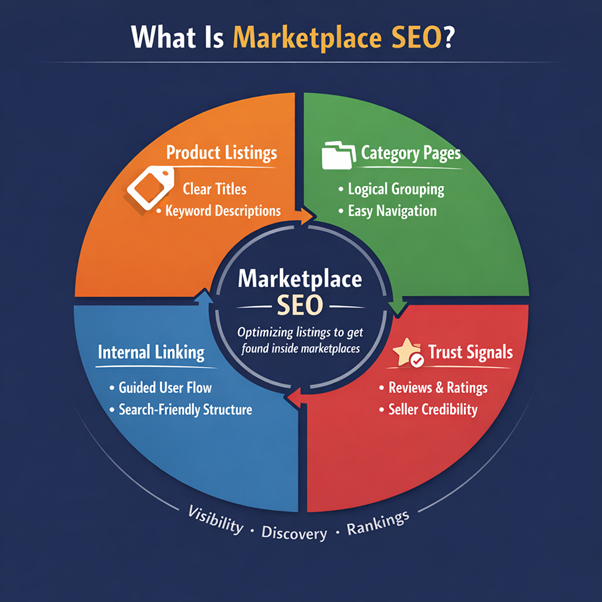
Marketplace SEO is the process of improving visibility within a multi-seller platform. It focuses on how listings, categories, and marketplace pages appear in search results. These results can appear inside the marketplace search system and sometimes on Google.
Marketplace pages are not like blog pages or brand sites. These pages mainly focus on buyer intent and transaction signals.
Marketplace SEO helps buyers find the right product at the right moment. It works across product pages, category pages, and internal navigation paths. Platforms like Amazon, Etsy, eBay, and Airbnb rely heavily on this system.
Marketplace SEO usually includes several connected elements:
This approach helps search systems understand relevance and quality. It also helps buyers move faster from search to purchase.
But, this isn’t just about external Google rankings. Buyers on the marketplace like Amazon, Etsy and similar platforms itself have their own ranking systems. That’s the crux of it.
You want your items to appear first inside the marketplace search and in broader web search where appropriate. A basic list of what marketplace SEO includes would look like:
Getting these right means more visibility, more clicks, and more sales. That’s ultimately why marketplace SEO matters.
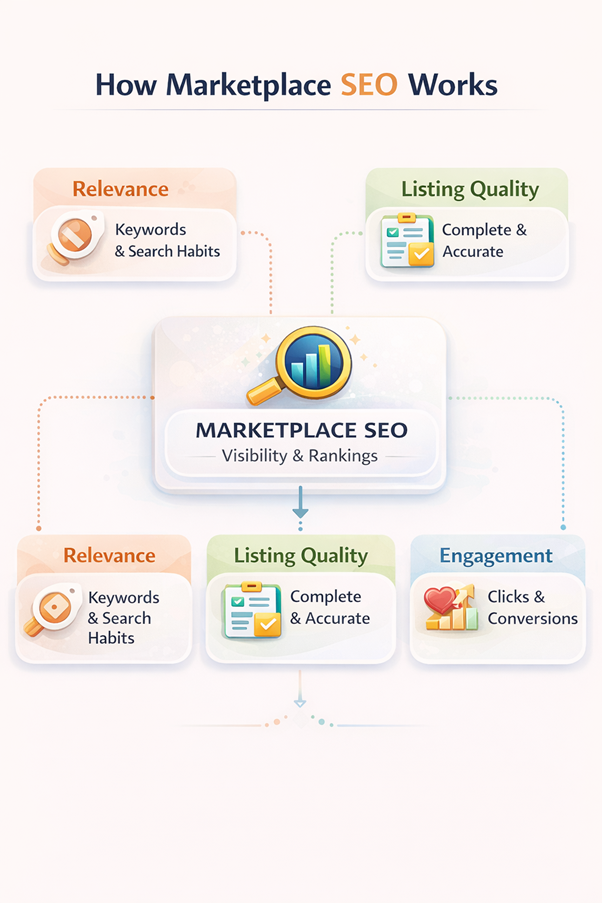
If you’ve ever typed words into a marketplace search bar, you’ve seen that its first layer tries to influence the buyers.
Buyers discover products in a few key ways:
Now, SEO for marketplaces works differently from content-focused websites. Here, the ranking signals are closely connected to the buying behavior and user satisfaction. Search systems watch how users interact with listings after clicking. If there’s any kind of poor engagement, it usually leads to lower visibility over time.
Here are some of the core signals that matter most:
Unlike blogs, authority alone does not guarantee visibility. A listing must match intent and perform well with real users. This is why optimization must support both discovery and conversion.
A good marketplace SEO plan starts with intent-driven keyword research (thinking like the buyer), optimizing every piece of your listing, and then tracking performance and engagement over time. Unlike static websites, marketplaces are dynamic, meaning product trends, filters, and buyer behavior shift every day.
Understanding how the marketplace ranks means learning which signals influence visibility and how to improve them.
Marketplace SEO and ecommerce SEO share some surface similarities. However, the systems, challenges, and constraints differ significantly. Understanding these differences helps set realistic expectations and priorities.
One of the biggest real-world differences between marketplace SEO and ecommerce SEO is control. In your own ecommerce store, you manage everything like pages, structure, categories, and design. You set the rules. But on big marketplaces, you’re playing by someone else’s rules.
Marketplace platforms define how listings look, what metadata you can edit, and how categories are structured. That means your optimization is constrained by the platform’s rules and algorithms.
This lack of control makes marketplace SEO more complex. You can’t rewrite the search engine, but you can optimize within the boundaries they give you, which demands precision and a clear understanding of their system. Optimization often happens through systems, not individual pages.
Let’s take an example. Your marketplace might host tens of thousands of listings, while your own ecommerce inventory might be just hundreds.
Large marketplaces struggle with crawlability and consistency. That means SEO work is ongoing, not one-and-done. You constantly refine thousands of listings so they stay relevant, up-to-date, and avoid duplication, which is a major SEO risk.
In ecommerce SEO, you create unique pages often with unique, rich content that tells a story. In marketplaces, many sellers might offer the same product title or description. That creates a risk of thin or duplicate content, something marketplaces try to minimize because it dilutes buyer experience.
Search systems struggle to choose which listing deserves visibility. Unique, helpful content becomes more important at a marketplace scale. Your job is to craft clarity, benefits, and uniqueness in listings so your version stands out and avoids being flagged as redundant or low value.
This comparison helps because it shifts your mindset from “I just list a product” to “I strategically optimize every detail to beat competition within a shared platform.”
Any seller will know that getting clicks is different from getting conversions. Marketplace SEO matters because visibility isn’t just a vanity metric; it directly impacts how often your product is seen by the people who want it most.
Better visibility leads to stronger engagement and higher conversion rates. Over time, organic discovery reduces dependence on paid advertising.
When marketplace SEO works well, growth becomes more predictable. Traffic comes from intent-driven searches, not random browsing. This improves trust between buyers, sellers, and the platform.
Here’s what strong marketplace SEO does:
Key benefits include:
When you connect SEO to business outcomes and not just technical tweaks, the investment makes sense. You stop guessing and start focusing on measurable growth.
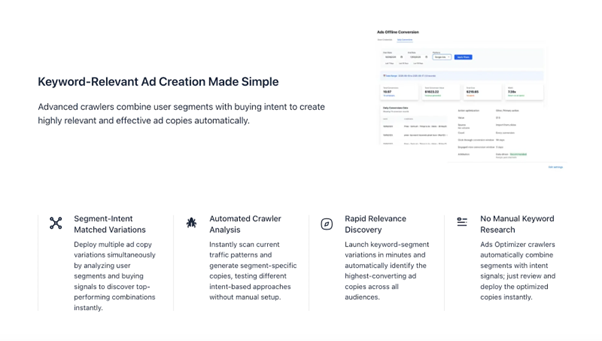
If you’re curious how AI can help with your marketplace SEO work or overall optimization? Tools like the SEO tools from CausalFunnel can analyze keyword performance and content engagement in real time.
Strong listings communicate value quickly and clearly. It should be simple and useful to a buyer.
Key elements of a strong listing:
Here’s where attention to detail pays off. Mislabel your category or tag, and buyers never find your product, even if it’s perfect. Effective optimization usually includes:
This approach improves relevance and user confidence together.
Many sellers overlook the technical side because marketplaces handle a lot of this for you. Technical structure supports both users and search systems.
Most marketplaces rely on templates for consistency. These are:
Mobile usability is huge right now, as most buyers browse on phones. If your images don’t load or titles truncate awkwardly, you lose engagement and rankings. Consistency makes large-scale optimization possible and measurable.
Trust matters!
Reviews, ratings, and even structured highlights like “best seller” tags are engagement signals that marketplaces treat as strong ranking factors.
On the other hand, structured data helps search systems understand listing details. It clarifies prices, availability, and review information.
In short:
Strong trust signals usually include:
These signals influence both ranking and buyer decisions. They tell the marketplace, “This product satisfies buyers.”

Many marketplaces struggle because of repeated, avoidable mistakes. These issues often grow unnoticed as inventory increases.
Here are pitfalls that quietly drain visibility, clicks, and sales, even when the product itself is solid. Most sellers don’t notice these issues until growth stalls.
This usually happens when sellers reuse the same title and description across similar products or variants. From a marketplace’s point of view, these listings look interchangeable.
So, let’s say you’re shopping for a “ wireless Bluetooth headset” on Amazon. As you scroll through, you see three listings from the same seller with the same title, “Bluetooth Headset Wireless with Mic Noise Cancelling.” When you check the description, each of the three has the same description, just with a slightly different color or model number.
When this happens, the algorithm struggles to decide which one deserves visibility, so all of them perform worse.
From a buyer’s side, nothing stands out. When everything looks the same, trust drops, and clicks follow.
This is exactly how duplicate listings hurt performance. They confuse the algorithm and create hesitation for buyers. But one strong, well-defined listing usually performs far better than three nearly identical ones competing against each other.
Categories are not just labels. They are discovery paths. If a product sits in the wrong category or misses key attributes, it simply does not appear in filtered searches.
Buyers rely heavily on filters like price range, use case, size, or style. One wrong choice here can hide a great product from high-intent shoppers who are ready to buy.
Short, vague descriptions often feel faster to write, but they cost you in the long run. Marketplaces favor listings that answer buyer questions clearly. Thin content fails on two fronts.
Algorithms see low informational value, and buyers feel unsure. When shoppers hesitate, they bounce. That behavior sends negative engagement signals back into the ranking system.
Any product that is old or out of stock, or any irrelevant listing, can also be a huge problem. They pull impressions away from your strongest products and weaken overall account performance. Over time, this dilutes brand clarity and confuses both buyers and the marketplace algorithm.
Each of these mistakes does more than hurt rankings. They interrupt buyer confidence. And when buyers feel unsure, they leave without purchasing.
Getting into marketplace SEO doesn’t have to be a huge thing. It does not require complex tools or advanced tactics. You just need to focus on structure, clarity, and the most important categories first.
Here’s a simple plan to start:
This process gets you from chaos to clarity without jargon or unnecessary tools.
Marketplace SEO is about visibility, where buyers actually search, and look for consistency in how you present your items. Understanding what is marketplace SEO is allows for better long-term decisions. It is ongoing, measurable, and closely tied to user behavior. With the right foundation, marketplaces can grow without constant ad pressure.
Invest time in clear titles, accurate categories, quality content, and trust signals. Watch what buyers respond to, refine, repeat. That’s how visibility turns into sales, not just impressions.
If you focus on solving buyer intent first and structure second, you’ll see the difference in rankings and revenue.
Marketplace SEO is the process of optimizing your product or service listings so they appear higher in a marketplace’s internal search results and, in some cases, on Google. It focuses on helping buyers find you faster when they are already in a buying mindset. Instead of ranking blog posts or articles, you are optimizing listings, categories, filters, and trust signals that influence purchase decisions.
Yes, and the difference matters. Regular SEO often targets informational searches on Google, while marketplace SEO targets buyers who are ready to compare and purchase. Ranking factors are more closely tied to engagement, conversions, reviews, and listing quality rather than backlinks or long-form content.
Marketplace SEO usually shows early signals faster than traditional SEO. Small improvements in titles, categories, or images can increase impressions within days or weeks. Consistent results, however, come from ongoing optimization, testing, and refinement as buyer behavior and competition change.
Start with your top-performing or most important categories first. Optimizing everything at once can feel overwhelming and hard to measure. Focus on a small group of listings, learn what works, then scale those improvements across your marketplace presence.
Start using our A/B test platform now and unlock the hidden potential of your website traffic. Your success begins with giving users the personalized experiences they want.
Start Your Free Trial

Empowering businesses to optimize their conversion funnels with AI-driven insights and automation. Turn traffic into sales with our advanced attribution platform.
Trusted by Customers


©CausalFunnel Inc. All rights reserved.