



Free Funnel Audit
Convert more customers today!

SEO
10 mins read


SEO
10 mins read
Hottest Hell Tours operates in New Orleans, offering walking experiences centred around haunted history, Voodoo traditions, and lesser known cultural narratives. While the brand had strong positioning and steady traffic from search and social platforms, a gap remained between visitor interest and actual booking intent.
To address this, a focused conversion layer was introduced using CausalFunnel’s Nudge system. Instead of showing broad messaging to all visitors, our approach centred on identifying specific user segments and influencing behaviour at the right moment within the browsing journey.
Tour discovery in New Orleans is highly intent-driven. Visitors often arrive on websites after searching for specific experiences, comparing options, or browsing through social media recommendations. In this case, traffic quality was not the issue. The website was already attracting users from multiple channels, including search engines and social platforms.
However, a consistent pattern emerged. A large portion of visitors browsed tour pages but did not take the next step. Add to cart rates were stable at a baseline level, yet there was clear room for improvement in converting interested users into active buyers.
The core issue was not awareness or content. It was user hesitation. Visitors needed a small, well-timed push to move from consideration to action. Before Incentives were implemented, many sessions ended without engagement beyond page views.
The engagement focused on introducing behavioural nudges using CausalFunnel’s Traffic Optimization framework. Instead of applying generic popups, two highly specific nudges were configured based on how users arrived and how familiar they were with the brand.
The implementation followed a structured setup within the dashboard:
Nudges were selected from predefined templates and activated based on user behaviour signals and Deep ID identification, ensuring messages were shown only when relevant conditions were met. Each nudge was customized across multiple parameters, including message content, timing, display conditions, and placement. The goal was to ensure that messaging appeared natural within the browsing experience rather than disruptive.
Display conditions played a central role. Using referrer filters, device targeting, and user identification, each nudge was shown only to a relevant audience segment. Timing was also calibrated so that nudges appeared after meaningful engagement signals such as time spent or page visits.
The messaging itself used short, clear prompts combined with light urgency through countdown timers. Coupon visibility and copy functionality were enabled to reduce friction and make the action immediate.
The solution was built around segmentation precision rather than volume.
The first nudge targeted users arriving from external platforms such as search engines and social media. These users demonstrated clear interest but had not yet formed a commitment.
Referrer-based conditions ensured the nudge was shown only to visitors coming from platforms like search engines and social channels. Once triggered, the message introduced a small incentive designed to reduce hesitation and encourage immediate action.
This worked because referral visitors are already in discovery mode. A timely prompt aligned with their intent helped convert passive browsing into active decision making.
The second nudge focused on users visiting the site for the first time.
This was powered by CausalFunnel’s Deep ID system, which identifies whether a visitor is new or returning across sessions and devices. This ensured that the message reached genuinely new users rather than repeating offers to existing visitors.
First time users typically have the highest uncertainty, as they are still evaluating credibility, comparing options, and deciding whether the experience is worth committing to. They are unfamiliar with the brand and less likely to act without reassurance. The nudge introduced a welcome incentive that helped build immediate trust and reduce drop-off.
Both nudges were configured using:
This ensured that nudges appeared only when relevant, avoiding unnecessary interruptions.
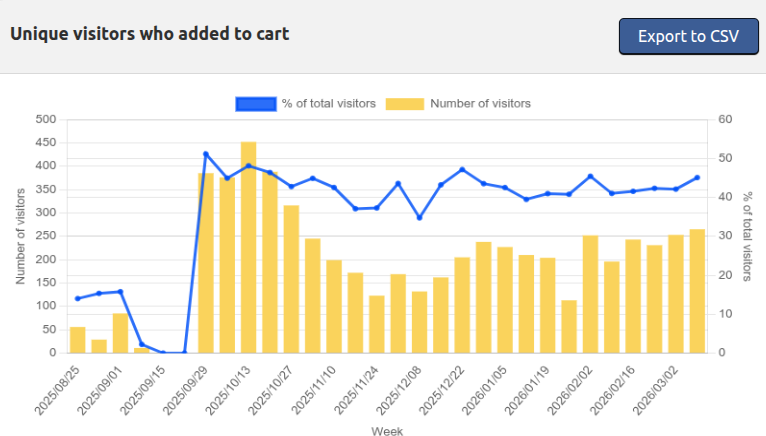
The impact of this strategy was clearly reflected in user behaviour:
The improvement did not come from increasing traffic. It came from influencing intent at the right moment.
By limiting nudges to specific segments, the campaign preserved the perceived value of the offer while improving overall engagement quality.
For experience-driven businesses like Hottest Hell Tours, conversion gaps often exist even when traffic and positioning are strong. In this case, the introduction of targeted nudges bridged that gap effectively.
Through a structured setup within CausalFunnel’s Traffic Optimization system, the business was able to control when messages appeared, who saw them, and how they influenced behaviour.
The result was a measurable shift in user action without overwhelming the browsing experience. This demonstrates that small, well-placed interventions can significantly improve conversion outcomes when backed by accurate segmentation and timing.
Local SEO for restaurants is the process of improving your online presence so your restaurant appears in local Google searches. It helps your business show up in Google Maps and “near me” results.
When someone searches for food nearby, local SEO decides whether they find you or a competitor. It directly connects searchers with nearby restaurants ready to visit.
Local SEO is important because most customers search online before choosing where to eat. If your restaurant is not visible, you lose potential customers instantly.
It helps you:
Without local SEO, even good restaurants stay hidden online.
Google ranks restaurants based on three main signals:
Prominence comes from reviews, backlinks, and activity. Stronger signals increase your chance of appearing in the top 3 Map Pack.
To rank higher in Google Maps, focus on activity and trust signals.
Key actions include:
Active profiles get better Map Pack visibility.
The Google Map Pack is the top 3 local business results shown on Google. It appears above organic search results.
Being in the Map Pack leads to:
Most users click one of these top 3 listings.
Yes, new restaurants can compete in local SEO if they optimize correctly. Google does not require years of history to rank locally.
To compete faster, you require:
Consistency helps new restaurants gain visibility quickly.
Start using our A/B test platform now and unlock the hidden potential of your website traffic. Your success begins with giving users the personalized experiences they want.
Start Your Free Trial

Empowering businesses to optimize their conversion funnels with AI-driven insights and automation. Turn traffic into sales with our advanced attribution platform.
Trusted by Customers


©CausalFunnel Inc. All rights reserved.