



Free Funnel Audit
Convert more customers today!
SEO
10 mins read

SEO
10 mins read
Digital advertising works best when ads reach the right audience. Broad targeting often wastes budget and reduces campaign performance. Smart marketers focus on clear audience segments for better results.
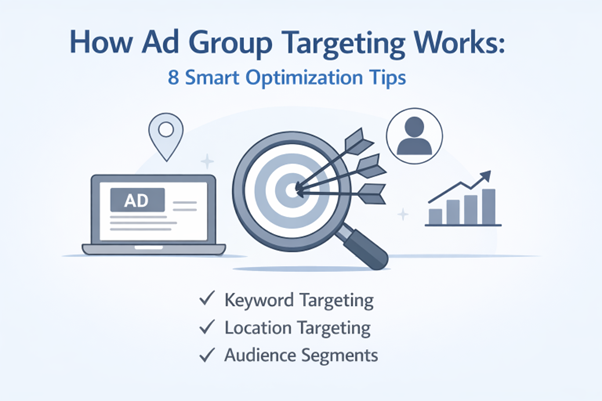
Many advertisers first ask what ad group targeting is and why it matters. This concept helps group similar ads for specific audiences. In this guide, you will learn how ad group targeting works and discover eight smart optimization tips that improve campaign ROI.
Before starting a campaign, a lot of newcomers ask a basic question. They want to know what targeting an ad group means in digital advertising. Grouping similar advertisements together for a certain demographic is what ad group targeting entails.
In a normal PPC campaign structure, the top level is where the campaigns are. There are various ad groups in each campaign, and each one has a certain topic. Every ad group has advertising, keywords, and settings for targeting a specific group of people.
This framework allows marketers to provide targeted messages to certain people. Marketers don’t run big campaigns anymore. Instead, they employ ad group segmentation to categorize advertising by purpose. Each group goes after individuals who are looking for similar goods or services.
Advertisers may make their campaigns more obvious by knowing what ad group targeting is. It also stops people from getting mixed up between targeting at the campaign level and targeting at the ad group level. Campaign settings regulate the overall approach, and ad groups concentrate on a specific audience.
Putting comparable adverts together makes them more relevant and makes the user experience better. It also helps advertising platforms obtain better outcomes by targeting smarter.
Some of the main advantages of targeting ad groups are:

Your campaign will fare better if you know how ad groups work together. A lot of marketers learn about ad group targeting before they start building their campaigns. This notion ties the whole marketing structure together by focusing on the correct audience.
The first thing that marketers do is split up large groups of consumers into smaller ones. People in each sector have comparable needs, hobbies, or search objectives. This is the first step in building a solid PPC targeting strategy.
All of the ads in an ad group are about the same thing. A lot of the time, these subjects come from things individuals say, things they own, or things they are interested in. A sports store, for example, might have separate areas for running shoes and yoga outfits.
When ads are organized by topic, search engines may be better able to match them with relevant searches. Ads are more relevant and campaigns function better when they are aimed at the right people. It also helps ad groups become better over time.
Advertisers utilize different targeting traits for each kind of ad. Some of these characteristics may be things like age, gender, geography, device preferences, and keywords. When these elements are in harmony, ads go to those who are more inclined to buy.
Below is a simple workflow showing how ad group targeting works.
Step 1: Identify campaign goals
Define what the campaign should achieve. Goals may include sales, leads, or website visits.
Step 2: Define audience segments
Divide potential customers into groups based on interests, demographics, or behavior.
Step 3: Create targeted ad groups
Build separate ad groups around each audience segment or keyword theme.
Step 4: Match ads to user intent
Write ads that reflect the needs of that specific audience group.
Step 5: Track performance
Monitor metrics like clicks, conversions, and engagement. Adjust targeting based on performance insights.
There are a number of targeting criteria that make ad groups work. These things assist advertising and get in touch with the right people. Before looking at these targeting options, a lot of marketers learn about ad group targeting.
Ad platforms let you change the settings to make sure that only certain people view each ad. These variables assist make campaigns more relevant and get more people to interact with them. When employed appropriately, they help divide a campaign’s audience into groups.
Advertisers may use more than one targeting signal in a single ad group. This method enables adverts to get to individuals who have certain interests and habits. The outcome is that the messages are more relevant and the campaign works better.
Here are some typical targeting characteristics that ad groups utilize.
Demographic targeting helps advertisers reach users based on personal characteristics. These may include age groups, gender, or household income levels. This targeting method helps match ads with users more likely to respond.
Location targeting focuses on geographic areas where potential customers live or search. Advertisers can target countries, cities, or small local regions. Local businesses often use this method to reach nearby customers.
This targeting focuses on user interests and online behavior patterns. Advertisers reach people based on browsing habits or past interactions. It helps deliver ads to audiences already interested in similar products or services.
Demographic targeting helps advertisers reach users based on personal traits. These traits often include age groups, gender, and household income ranges. Advertisers adjust ads to match the needs of each demographic segment. This method helps show relevant offers to users more likely to respond.
Location targeting focuses on users within specific geographic areas. Advertisers can target countries, cities, or smaller regions. Local businesses often rely on city or region targeting for nearby customers. This approach improves local visibility and helps campaigns reach users searching for services in that area.
Behavioral and interest targeting focuses on user interests and online habits. Advertising platforms study browsing behavior and content engagement patterns. They also analyze previous interactions with ads or websites. These insights help advertisers show ads to users already interested in similar products or services.
Competitor pages perform well when they explain actual targeting parameters.
Readers gain practical knowledge about:
A real scenario helps explain what ad group targeting is in practical campaigns. Imagine an online sportswear store launching a digital advertising campaign. The campaign goal is to increase sales for athletic apparel products.
The marketing team builds a clear campaign targeting strategy. They create several ad groups based on product categories and audience interests. Each group targets users searching for specific types of sports clothing.
Campaign: Athletic Apparel
This ad group example shows how advertisers organize ads around audience intent. Each ad group contains relevant keywords and tailored ad messages. Users searching for yoga wear see yoga related ads instead of general sports ads.
Examples like this improve reader understanding and real world learning. Practical demonstrations also help search engines recognize useful and informative content.
Learning what ad group targeting is only the first step. Real success comes from applying smart optimization techniques. These practical tips help marketers improve ad relevance and audience precision. Strong ad group optimization also supports better campaign performance and stronger return on ad spend.
Each ad group should target one clear theme or product category. Avoid placing unrelated keywords inside the same group. Mixed keywords often confuse targeting signals and weaken relevance. Focused groups maintain clear audience intent and support stronger PPC targeting strategy results.
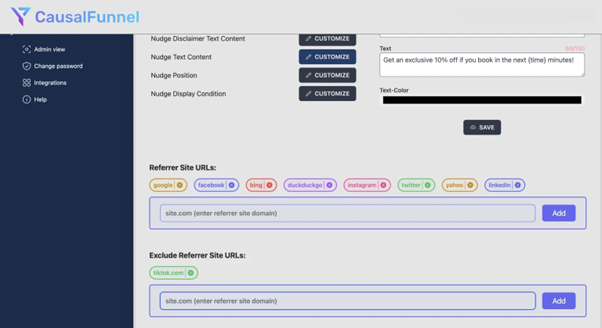
Organize ad groups around closely related keyword themes. Each group should contain keywords that represent a single topic or product. This structure helps search platforms match ads with user queries. Keyword themed groups also improve ad relevance and increase Quality Score.
You can also use AI-powered SEO tools to identify related keyword clusters, uncover search intent patterns, and build stronger keyword-themed ad groups more efficiently.
Ad messages must match the intent behind each search query. Users respond better when ads reflect their needs and interests. Clear headlines and benefits improve engagement. When ad copy aligns with user intent, campaigns often see higher click-through rates and stronger interaction.
Testing helps marketers discover which audiences respond best to campaigns. Create multiple ad groups that target different audience segments. Compare performance across age groups, interests, or locations. These insights help refine your campaign optimization strategy over time.
Performance data reveals how audiences interact with your advertisements. Monitor demographic reports, click patterns, and conversion data regularly. These insights help marketers adjust targeting parameters with better precision. Data driven decisions lead to stronger audience engagement and improved campaign performance.
Overlapping audiences often create confusion within advertising platforms. Multiple ad groups may compete for the same search queries. This conflict reduces campaign clarity and may increase advertising costs. Clear separation between ad groups keeps targeting organized and improves performance tracking.
Many users now browse and shop through mobile devices. Mobile audiences often behave differently than desktop users. Adjust ad copy and landing pages for smaller screens and faster decisions. Mobile friendly campaigns usually improve engagement and support better ad group optimization results.
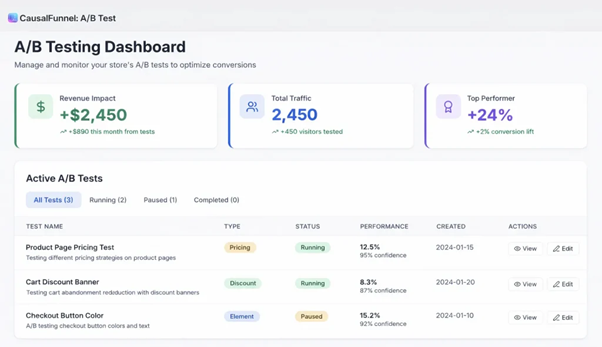
A/B Testing new variations helps marketers discover stronger advertising strategies. Create new ad versions and compare them against existing ones. Small changes in headlines, offers, or targeting can improve results. Over time, continuous testing strengthens campaigns and improves ad group targeting performance.
Optimization tips provide practical advice that readers can apply immediately. Step by step strategies help marketers improve targeting without complex tools. Competitor pages often rank well because they include real optimization guidance.
Readers benefit from:
These insights transform basic knowledge into real advertising improvements.
Modern optimization strategies go beyond basic keyword targeting by focusing on high-intent, AI-driven behavioral targeting. Advanced platforms analyze user actions such as page visits, engagement time, and browsing patterns to identify visitors who show genuine purchasing intent.
By combining these insights with structured A/B testing, businesses can test different landing page elements, messaging, layouts, and pricing strategies to determine what resonates most with high-value users.
This data-driven approach enables more personalized user experiences, improves conversion paths, and helps ensure that marketing efforts are directed toward audiences most likely to convert.
Many beginners understand what ad group targeting is but still struggle with campaign execution. Small setup errors often reduce campaign performance and increase wasted advertising spend. Avoiding these common PPC mistakes helps marketers build stronger campaigns and maintain a clean structure.
Below are some frequent ad group structure errors advertisers should avoid:
Understanding what ad group targeting is helps marketers build more effective advertising campaigns. Organized ad groups allow advertisers to match ads with the right audience. This structure improves ad relevance and helps campaigns perform more efficiently. When ads align with user intent, advertising platforms reward them with better visibility and lower costs.
Well structured ad groups also help improve campaign ROI over time. Advertisers spend less budget on irrelevant clicks and focus on users ready to engage.
Key performance benefits include:
These benefits make ad group targeting a powerful strategy for modern digital advertising campaigns.
Understanding what ad group targeting is helps marketers build more focused and effective advertising campaigns. Organized ad groups allow advertisers to match ads with the right audience segments. This structure improves message clarity, ad relevance, and overall campaign performance.
Proper campaign structure plays a major role in digital advertising success. Marketers who regularly review and optimize their ad groups often achieve better results. Continuous testing and refinement help campaigns stay relevant as audience behavior changes.
Ad group targeting means organizing ads into smaller groups based on a shared theme. Each group targets a specific audience or keyword set. This setup helps advertisers show more relevant ads to users. Better targeting often leads to higher engagement and stronger campaign performance.
Ad groups help organize campaigns into focused segments. Each group contains related keywords and ads for a specific audience. This structure improves ad relevance and targeting accuracy. When ads match user intent closely, campaigns usually see better click and conversion rates.
Most advertisers keep ad groups small and focused. A common practice is using five to twenty closely related keywords. Too many keywords can weaken targeting precision. Smaller keyword groups help ads match search intent more clearly.
A campaign is the highest level of organization in PPC advertising. It controls budget, location, and overall goals. Ad groups exist inside campaigns and organize ads around specific themes. This layered structure helps marketers manage targeting and messaging more effectively.
Start using our A/B test platform now and unlock the hidden potential of your website traffic. Your success begins with giving users the personalized experiences they want.
Start Your Free Trial

Empowering businesses to optimize their conversion funnels with AI-driven insights and automation. Turn traffic into sales with our advanced attribution platform.
Trusted by Customers


©CausalFunnel Inc. All rights reserved.