



Free Funnel Audit
Convert more customers today!
SEO
10 mins read

SEO
10 mins read
Content marketing is a strategy that uses helpful content to attract and keep customers. It focuses on blogs, videos, emails, and social posts that educate or solve problems. Instead of pushing sales, it builds trust first and guides people toward action. This approach creates long term value and stronger customer relationships.
Today, online spaces feel crowded and noisy. Many brands use AI tools and publish content daily. Standing out now takes focus and clarity. You need an effective content strategy that drives real results. This guide gives simple steps you can apply right away. These tips will help improve engagement, boost traffic, and increase conversions through smarter content marketing.
Here are the 10 easy tips you will learn:
Digital platforms continue to expand each year, bringing more brands into the competition for attention. As a result, audiences are exposed to countless messages every day. With so much content to process, people scroll quickly and ignore messages that fail to stand out.
This is why strong content marketing still matters in 2026.
Good content builds trust before asking for a sale. Trust lowers resistance and speeds up decisions. Search engines reward helpful and clear information. This improves visibility and brings steady organic traffic. Over time, this lowers paid advertising costs. Smart planning also helps improve content performance across channels. When done well, content marketing becomes a long term asset.
Here are key benefits businesses continue to see:
Effective strategies connect effort to real revenue. They focus on performance, not just publishing. That is why businesses still invest in strong content systems today.

Every strong strategy begins with clarity about your audience. You cannot create helpful content without knowing who needs it. Clear audience targeting helps you deliver the right message at the right time. It also prevents wasted effort and random publishing. Smart content marketing always starts with deep audience understanding.
Use these steps to define your target audience:
When you know your audience well, your messaging becomes sharper. Engagement improves because content feels personal and relevant. Clear targeting also strengthens conversions across every funnel stage.
Many brands create content without a clear path. This often leads to weak engagement and low conversions. A smart content marketing strategy matches content to buyer intent. People need different information at different stages. The content marketing funnel helps guide them step by step. When you align content correctly, results improve naturally.
At this stage, people notice a problem or need. They are not ready to buy yet. Your goal is to educate and build trust. Focus on simple and helpful information. Avoid heavy sales language in this phase.
Examples of awareness content include:
This stage builds traffic and brand visibility.
During this phase, buyers compare solutions and explore options. They understand their problem clearly. Now they want deeper insights and proof. Your content should highlight value and expertise. Provide structured information that supports decision making.
Examples of consideration content include:
This stage builds confidence and reduces doubt.
At this stage, buyers are close to choosing. They need final proof and reassurance. Content should focus on outcomes and value. Clear calls to action work best here.
Examples of decision content include:
This alignment shows strategic maturity and drives stronger conversions.
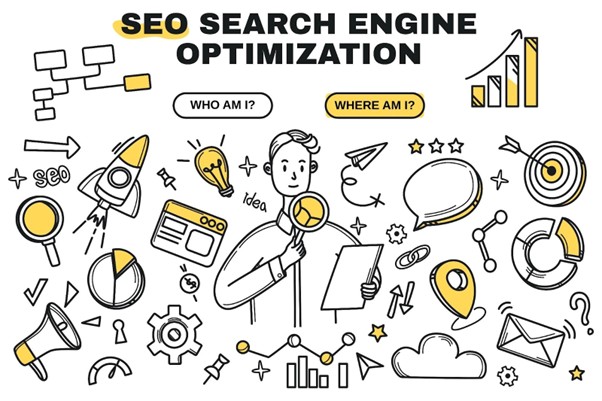
SEO should guide your planning from day one. Many brands add optimization after publishing content. You can use AI SEO Optimization tools that help you identify and repair website issues like slow load times, poor crawlability, and indexing errors automatically.
That approach limits long term growth and reach. A strong SEO content strategy ensures every piece serves a purpose. It connects audience needs with search engine expectations. When done right, content marketing attracts steady organic traffic. It also improves visibility without constant ad spending. Search engines reward clarity, structure, and helpful information. Planning for SEO early saves time and improves performance later.
Follow these best practices to build stronger search visibility:
Search intent alignment ensures your content answers real questions. Internal links help search engines understand topic relationships. Semantic keywords expand relevance without keyword stuffing. Clear headings improve readability and crawling efficiency. Snippet friendly formatting increases visibility at the top of results.
When SEO becomes part of your foundation, growth becomes more predictable and sustainable.
Audiences consume information in different ways every day. Some prefer reading detailed articles and guides. Others enjoy short videos or audio discussions. A strong content marketing plan uses multiple formats to reach more people. This approach increases visibility across platforms and devices. It also strengthens your brand presence everywhere your audience spends time. Creating different formats does not mean starting from scratch each time. Smart teams repurpose one core idea into many assets. This saves time and increases overall impact.
Here are key formats you should include:
Repurposing makes this process efficient and scalable. A blog post can become a short video script. That same content can turn into social media snippets. Data from the article can become an infographic. Cross channel amplification extends reach without doubling effort.
Using multiple formats also improves topical authority. Search engines recognize broader coverage of related themes. This increases your chances of ranking for more relevant queries.
Publishing daily will not guarantee strong results. Many brands produce large volumes of shallow content. This often leads to low engagement and weak trust. An effective content strategy focuses on value first. Each piece should solve a real problem clearly. Depth builds authority and keeps readers engaged longer. Search engines also reward detailed and helpful resources.
High quality content stands out in crowded markets. It shows effort, research, and clear expertise. Readers notice when information feels unique and practical. Strong articles also support better sharing and backlinks. Over time, fewer high quality pieces outperform dozens of weak posts. Credibility drives sustainable growth and brand trust.
Use these quality indicators when reviewing content:
These elements strengthen trust and authority signals. They also align with modern ranking factors. Quality builds long term visibility and stronger audience loyalty.

Measuring performance is essential for effective content marketing. Without metrics, teams cannot tell what works or what fails. Using data helps improve content performance and guides smarter decisions. KPIs reveal strengths, weaknesses, and opportunities. This ensures resources focus on content that drives real results. Tracking metrics also allows you to optimize over time and increase ROI. Every strategy should link content goals to measurable outcomes.
Here are key content marketing KPIs to track:
Regularly reviewing these KPIs allows you to identify which topics and formats resonate with your audience. It also uncovers underperforming areas that need improvement. Using data-driven insights ensures that each piece of content contributes to broader business objectives. Brands that consistently track and optimize using KPIs maintain stronger performance and higher visibility in competitive markets.
Incorporating a KPI-focused approach strengthens your content marketing strategy. It turns guesswork into actionable insights, helping teams create more effective and valuable content for their audiences.
Generic content often fails to engage readers effectively. Personalization makes each interaction feel relevant and timely. Content personalization helps deliver the right message to the right person. It increases engagement, trust, and conversions when used strategically. Using audience insights ensures that content marketing resonates with specific needs and behaviors.
Examples of effective personalization include:
Personalized content makes readers feel understood. It also drives higher engagement rates and repeat visits. Incorporating personalization as part of your strategy positions your brand as attentive and customer-focused.
Even great content will fail without proper distribution. A well-planned content distribution strategy ensures your audience actually sees your work. It maximizes reach and amplifies your efforts. Distribution should leverage all available channels for best results. Strategic allocation improves visibility, engagement, and conversions.
Key channels include:
Each channel serves a different purpose. Owned channels build long-term relationships. Earned channels expand credibility and reach. Paid channels accelerate visibility quickly. Combining all three creates a balanced and effective content marketing distribution plan.
Repurposing content saves time and strengthens SEO performance. Many high-performing pieces can be reused in new formats. Updating content keeps it accurate and valuable. This approach extends the life of each asset while improving organic reach.
Ways to repurpose and refresh content include:
Refreshing content signals to search engines that your site is active. It also keeps audiences engaged with relevant and updated material. Consistent repurposing and updating support long-term content marketing success.
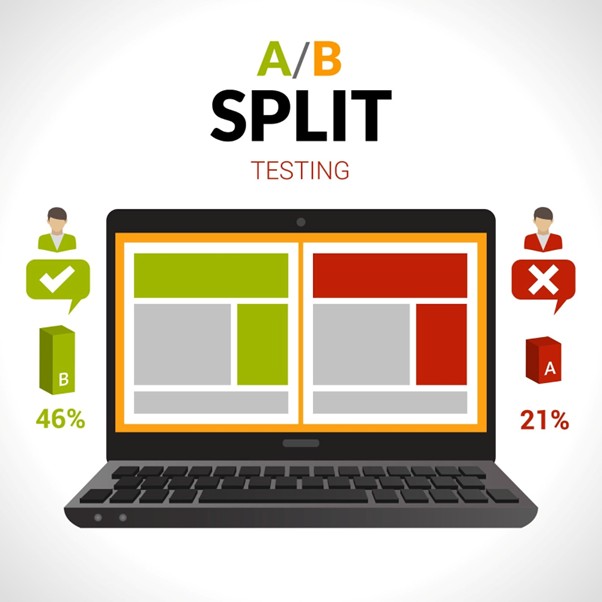
A strong content marketing strategy does not end once content is published. Publishing is the starting line, not the finish line. Continuous optimization ensures every asset performs at its highest potential.
Effective content marketing depends on refinement. Audience behavior changes, search trends evolve, and competition increases. Brands that test, adjust, and improve consistently outperform those that publish and forget.
Experimentation removes guesswork. Instead of relying on assumptions, you make data-backed decisions that improve engagement, conversions, and long-term growth.
A/B Testing: start A/B testing to compare two variations of a single element to determine which performs better.
For example:
Allow the test to run long enough to gather statistically meaningful data before choosing a winner.
Headline Testing: Your headline determines whether users click or scroll past.
Experiment with:
Even small wording changes can significantly increase click-through rates.
CTA Experimentation: Calls to action influence conversions more than most brands realize.
Test variations in:
Minor adjustments often produce measurable lifts in conversion rate.
UX Improvement: User experience strongly impacts performance.
Optimize:
Better usability increases time on page and reduces bounce rate.
Funnel Analysis: Review performance at each stage of the buyer journey.
Identify:
Address bottlenecks with targeted improvements.
Continuous refinement turns content marketing into a scalable, measurable growth system. Small incremental improvements compound over time. Brands that embrace iteration stay relevant, improve SEO performance, and build stronger audience relationships.
Optimization is not optional. It is what separates average publishing from sustained competitive advantage.
Many brands fail due to avoidable errors. Recognizing these mistakes can save time and resources. Avoiding common pitfalls strengthens engagement and ROI.
Key mistakes include:
By addressing these errors, brands can maximize the impact of their content marketing efforts. Prioritizing strategy, measurement, and relevance ensures long-term success.
A strong content marketing system combines strategy, measurement, and creativity. These key points summarize the most important steps for success. Use them as a quick reference to guide your campaigns.
Following these points ensures your content marketing system is both effective and sustainable. Each step reinforces audience engagement, trust, and measurable results. By combining planning, execution, and optimization, your brand can achieve long-term growth and stronger online visibility. This approach helps teams work smarter, not just harder, while delivering meaningful value to readers and search engines alike.
Content marketing for startups does not generate instant results. Expect early signals within 3–6 months. Consistent publishing, distribution, and optimization produce measurable ROI around 6–12 months. Patience is essential to benefit from compounding content effects.
The budget depends on goals and resources. Focus on a lean startup content strategy that maximizes high-impact channels. Prioritize quality over quantity. Invest in promotion and small-scale paid campaigns to accelerate visibility when necessary.
Outsourcing can help if internal bandwidth is limited. Freelancers or agencies should complement, not replace, strategy execution. Ensure outsourced content aligns with buyer intent, funnel stages, and authority-building requirements to avoid wasted spend.
Track meaningful metrics: lead conversions, CTA engagement, time on page, and scroll depth. Avoid vanity metrics. Attribution models clarify which content drives pipeline influence, ensuring content marketing for startups produces tangible growth.
Start using our A/B test platform now and unlock the hidden potential of your website traffic. Your success begins with giving users the personalized experiences they want.
Start Your Free Trial

Empowering businesses to optimize their conversion funnels with AI-driven insights and automation. Turn traffic into sales with our advanced attribution platform.
Trusted by Customers


©CausalFunnel Inc. All rights reserved.