



Free Funnel Audit
Convert more customers today!

SEO
10 mins read


SEO
10 mins read

Most people looking for a cleaning service start with a search engine. They search for terms like “house cleaning near me” or “office cleaning in [city].” If your business does not appear in those results, potential customers may never find you.
That is where SEO comes in.
SEO helps your cleaning business appear higher in search results. Better visibility can bring more website visitors, phone calls, quote requests, and bookings without paying for every click.
Over the past decade, SEO has changed a lot. Now, just adding keywords to your page won’t get you near your customers. Getting loads of backlinks will also not give you the attention you want. What really will help you make a mark is publishing useful content and having a secure site that properly signals your local presence.
We are living in the age of AI, so we can’t forget about AI-powered search features. Search engines now use AI to summarize information and answer questions directly. Even with these changes, local businesses still benefit from strong SEO. A complete website, an optimized Google Business Profile, positive reviews, and useful content can all improve your visibility in search results.
This guide explains everything you need to know. You will learn how search engines rank cleaning businesses, how to create an effective SEO strategy for your business.
SEO for a cleaning business is the process of improving your online presence. This lets your website appear when people search for cleaning services.
For example, someone may search for:
The goal is to help your business appear in these search results.
SEO includes many activities, such as:
SEO focuses on earning visibility through organic search results. While it takes time to see results, good SEO can continue bringing qualified leads for months.
Google uses automated systems to discover and rank webpages. When someone searches for a cleaning service, Google tries to show the results that are most helpful and relevant.
Several factors influence where your website appears.
Your website should clearly explain what services you offer and where you provide them. For example, a page about commercial cleaning in Dallas is more likely to rank for that search than a page that only says cleaning services.
Google looks for content that answers questions clearly and provides useful information. Your service pages should explain:
A slow or confusing website can hurt your rankings. Visitors should be able to find information quickly on any device. Your website should also load fast and be easy to navigate.
Google wants to recommend businesses people can trust. Trust signals include:
For cleaning businesses, local SEO is especially important. Google considers factors such as:
These signals help Google decide which businesses to show in local search results and Google Maps.
Before focusing on advanced SEO strategies, make sure your business has the basics in place.
Claim and verify your Google Business Profile. Complete every important field, including:
Keep this information updated at all times.
Many people search for cleaning services on their phones. Your website should display properly on smaller screens. Visitors should be able to read content easily and tap buttons without difficulty. They should be able to request a quote without unnecessary steps.
People expect websites to load quickly. Large images, unnecessary scripts, and outdated website designs can slow your pages down. Faster websites generally create a better user experience. This can support stronger search performance.
Your website should use HTTPS instead of HTTP. A secure connection helps protect user information and builds confidence with visitors.
Create a separate page for each major service you offer. For example:
Dedicated pages help both search engines and customers understand exactly what you offer.
Make sure your business name, phone number, address, and service area are consistent everywhere they appear online. Inconsistent information can confuse both customers and search engines.
Even a well-designed website will not bring in customers if it does not target what people are searching for. Here’s how to find the right keywords.
A keyword tells you what someone typed into a search engine. Search intent tells you why they searched for it. Understanding search intent helps you create pages that match what people expect to find.
For example:
If your page does not match the user’s intent, it is less likely to rank well. This is true even if it contains the exact keyword. Focus on keywords that show someone is ready to contact or hire a cleaning company. These keywords usually bring the most valuable traffic.
Start by listing every service your business offers. Then think about how customers would search for those services.
Examples include:
Next, combine these services with the locations you serve.
Examples include:
These location-based keywords are easier to rank for than broad national terms. They also attract people looking for a service in your area.
You should also include long-tail keywords. These are longer and more specific search phrases. Examples include:
These usually have lower search volume. But they often attract highly qualified customers because the search is more specific.
Once you know your keywords, build your website around them. Every major service should have its own page. For example, instead of one page called “Our Services,” create separate pages for:
Each page should focus on one service.
Explain:
This helps search engines understand the topic of each page. It also makes it easier for customers to find exactly what they need.
If you serve multiple cities, create a dedicated page for each location. Each location page should contain original information about that area. It should have the services you provide there.
For example, include:
Avoid copying the same content across every city page. Search engines can recognize duplicate content. It provides little value to users.
Every page should also follow basic on-page SEO best practices.
Your title tag is often the first thing people see in search results. Include the main keyword naturally and keep the title descriptive. For example:
Office Cleaning Services in Austin | ABC Cleaning
A meta description can encourage more people to click on your page. Write a short summary that explains what visitors will find and include your primary keyword naturally.
Each page should have one main heading. It should tell both readers and search engines what the page is about. Keep it simple and descriptive.
Your page URLs should be easy to read. For example: yourwebsite.com/office-cleaning is better than: yourwebsite.com/page?id=245
Images help customers understand your work, but they should also support SEO. Use:
This improves accessibility and page performance.
Link related pages together across your website. For example:
Internal links help visitors explore your website. It also makes it easier for search engines to discover your content.
Service pages are only one part of a successful SEO strategy. Publishing useful content helps your business answer common customer questions. It demonstrates your expertise. Write articles about topics your customers genuinely care about.
Examples include:
Every article should answer the topic thoroughly using clear language. Avoid writing content only to include keywords. Search engines have become much better at identifying content that is written for rankings.
For most cleaning businesses, local customers are the main source of new work. So, local SEO deserves your attention. Search engines want to recommend businesses that are nearby and well established in their communities. Here’s how to increase your local search visibility.
A complete and accurate profile helps customers find your business. It helps them learn about your services and contact you quickly. Make sure your profile includes:
Keep your profile updated whenever your business information changes. Regular updates and new photos also show that your business is active.
Customer reviews build trust with both people and search engines. Positive reviews can influence whether someone chooses your business over a competitor. Ask satisfied customers to leave honest reviews after completing a job. Respond professionally to every review, including negative ones. Thank customers for positive feedback and address concerns respectfully when someone has had a poor experience. Consistent reviews over time create a stronger online reputation.
A citation is any online mention of your business information. These listings often appear on:
Your business name, address, phone number, and website should be consistent across every listing. Even small differences can create confusion for search engines. Review your citations regularly. Correct outdated information if your business details change.
Backlinks are links from other websites to yours. They remain an important ranking signal. This is because they help search engines understand that other websites trust your business. Focus on earning high-quality backlinks instead of collecting as many as possible.
Good opportunities include:
Avoid buying backlinks or using spammy link-building services. These tactics can do more harm than good.
Local content helps your business connect with people in the communities you serve. For example, you can publish articles about:
You can also create guides that highlight the cities where you provide services. This makes your website more relevant for local searches. At the same time, it also gives visitors useful information.
Trust plays a bigger role in SEO than ever before. Your website should make it easy for visitors to see that your business is legitimate and experienced. Include information such as:
Keep every page accurate and up to date. When people trust your business, they are more likely to contact you. Search engines also look for many of these trust signals when evaluating local businesses.
Search engines continue to update how they rank websites. Customer search habits also change over time. If you want your cleaning business to stay visible, you need to monitor your results. Based on that, make improvements regularly.
But you do not need to guess whether your SEO is working. Several tools can help you understand what is driving traffic and where there is room to improve.
The most valuable SEO metrics show whether your website is bringing in potential customers.
Pay attention to the following:
Organic traffic is the number of visitors who find your website through unpaid search results. A steady increase in organic traffic means your SEO efforts are moving in the right direction.
Track how your important keywords perform over time. For example, monitor searches like:
Rankings naturally change as competitors update their websites. It also changes when search engines refine their algorithms. Look for long-term improvements. Don’t focus on small daily changes.
Your Google Business Profile provides useful insights, including:
These metrics help you understand how people are finding and interacting with your business locally.
Traffic alone does not grow your business. Track how many visitors:
These actions show whether your website is attracting the right audience.
Several free tools can help you measure your progress.
Google Search Console shows:
It is one of the most useful tools for understanding how your website performs in Google Search.
Google Analytics 4 helps you understand what visitors do after they arrive on your website.
You can see:
This information helps you improve both your content and your website.
The performance data inside your Google Business Profile shows how customers interact with your local listing.
Use these insights to identify trends and adjust your local SEO strategy when needed.
A slow website can frustrate visitors and reduce conversions.
Google PageSpeed Insights analyzes your pages and provides recommendations to improve loading speed on both desktop and mobile devices.
Review your website regularly to make sure it continues to perform well.
SEO is an ongoing process. Even a website that ranks well today can lose visibility if it becomes outdated. Review your website regularly and:
Fresh, accurate content helps both visitors and search engines.
Google now uses AI-powered features to answer many questions directly in search results. AI tools also help people compare services and research businesses. Despite these changes, the fundamentals of SEO remain the same.
Search engines still want to recommend businesses that are:
Instead of trying to create content for AI systems, focus on creating content for real people. This means:
These practices support both traditional search results and AI-powered search experiences.
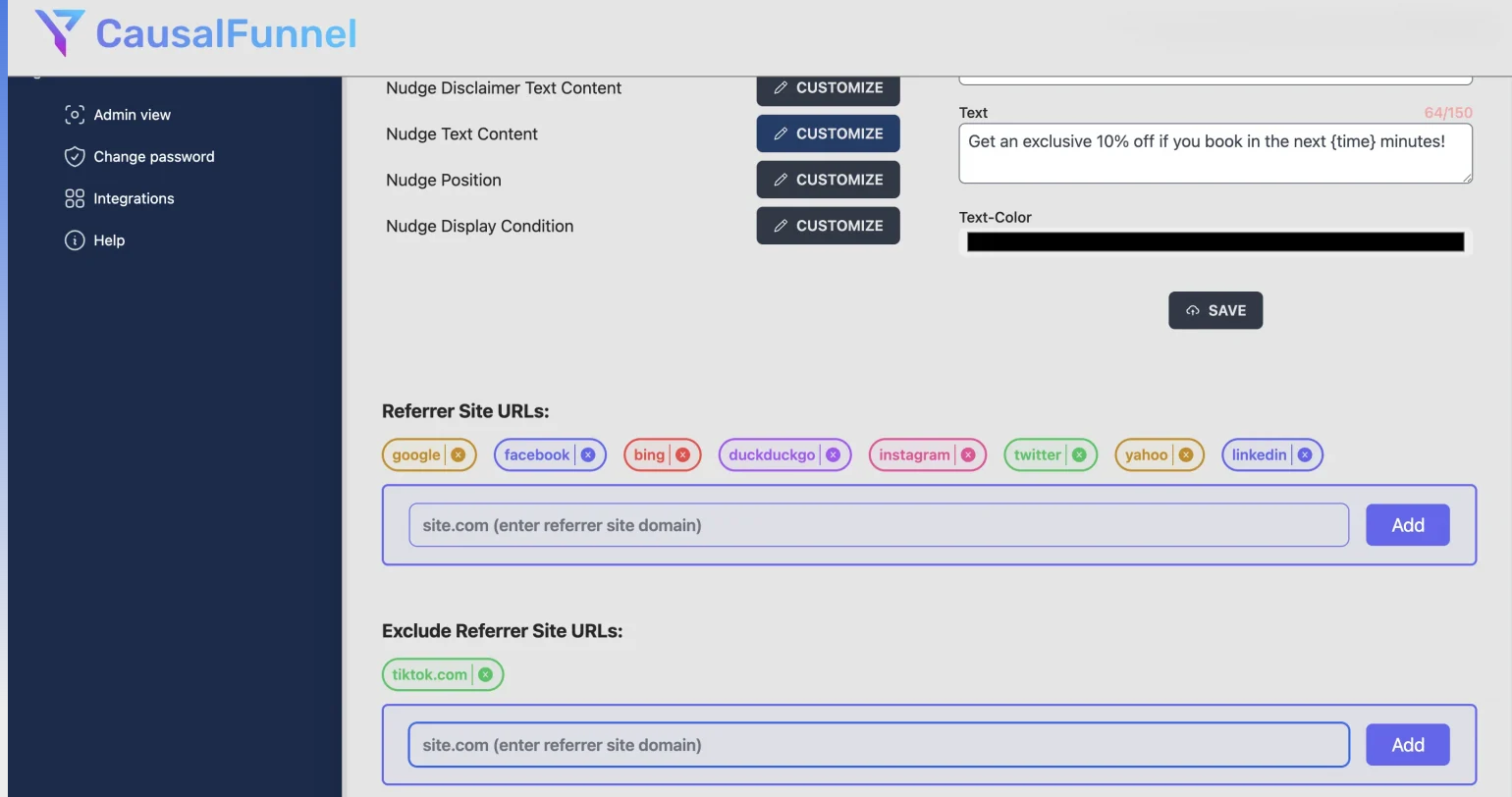
Free Google tools are essential for tracking your SEO performance. However, they require you to interpret the data yourself and decide what changes to make.
CausalFunnel combines SEO analysis, AI-powered insights, and ongoing optimization to help businesses identify opportunities and improve organic search performance more efficiently.
Some of the ways the platform supports your SEO strategy include:
Technical problems such as slow page speed and indexing issues can affect your search rankings. CausalFunnel automatically scans your website to detect these issues. It then prioritizes the improvements that can have the greatest impact on your SEO performance.
Finding the right keywords takes more than looking at search volume. CausalFunnel uses AI-powered analysis and competitor research to uncover long-tail, high-intent keywords. It also identifies keyword gaps and helps you target searches your competitors may have overlooked.
Creating content that matches user intent is at the core of modern SEO. The tool analyzes visitor behavior, such as where users stop scrolling or leave a page. These insights help you identify content that needs improvement. It helps you better align your pages with what visitors are looking for.
Building trust is essential for long-term SEO success. CausalFunnel helps businesses strengthen important SEO signals by identifying opportunities to improve content quality. The tool tells you how to enhance EEAT (Experience, Expertise, Authoritativeness, and Trustworthiness), and build relevant backlinks from authoritative websites.
SEO is an ongoing process. CausalFunnel continuously reviews your website for new opportunities. The tool monitors:
By combining Google’s free tools with an AI-powered SEO platform like CausalFunnel, businesses can spend less time manually analyzing reports and more time making improvements that support long-term organic growth.
SEO is one of the most effective ways to help your cleaning business attract qualified local customers. But success starts with a solid foundation. Make sure your website is fast, secure, and easy to use. Build pages around the services and locations your customers are searching for. Strengthen your local presence through an optimized Google Business Profile, positive reviews, accurate business information, and quality backlinks. Then measure your results and continue improving over time.
There is no single SEO tactic that guarantees first-page rankings. The businesses that perform best are the ones that consistently create helpful content, maintain an excellent customer experience, and build trust both online and offline.
Start using our A/B test platform now and unlock the hidden potential of your website traffic. Your success begins with giving users the personalized experiences they want.
Start Your Free Trial

Empowering businesses to optimize their conversion funnels with AI-driven insights and automation. Turn traffic into sales with our advanced attribution platform.
Trusted by Customers


©CausalFunnel Inc. All rights reserved.