



Free Funnel Audit
Convert more customers today!
SEO
10 mins read

SEO
10 mins read
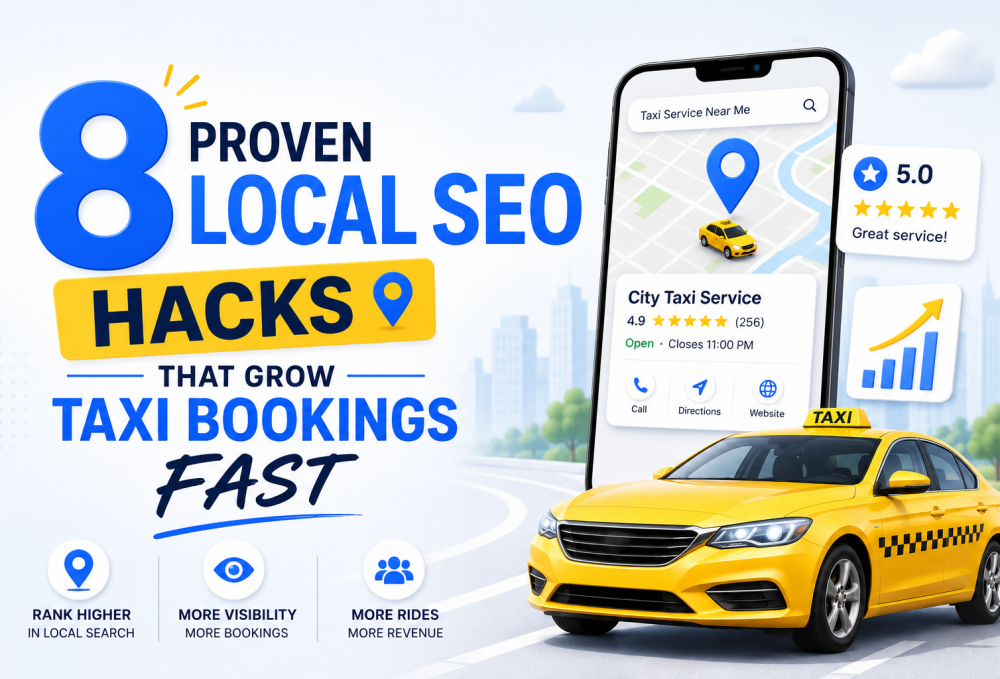
Most taxi companies are not losing bookings because their drivers are not good. They are losing because riders never see them when the search happens. A person standing outside a hotel at midnight is not scrolling through five pages of search results. They tap one of the first names they see on Google Maps and book the ride.
That is why the local SEO for taxi companies matters so much. The businesses showing up first on mobile searches are taking the calls, airport pickups, and repeat riders while worse ranking taxi companies stay invisible.
This guide breaks down 8 proven local SEO hacks that help taxi companies rank higher, earn trust faster, and turn searches into real bookings.
Local SEO for taxi companies means helping your taxi business appear when people search for rides in your area. That includes Google Maps, “taxi near me” searches, airport ride searches, and local mobile searches. The goal is simple and that is to show up before competitors when riders need a car fast.
Passengers search while standing outside hotels, airports, bars, train stations, and event venues. If your business does not appear in those first few Google Maps results, you lose the ride before the customer even sees your name.
Good local SEO focuses on local intent, not random traffic. A taxi company in Miami does not need visitors from Seattle reading blog posts. It needs nearby riders looking for airport pickups, cruise port transfers, or late-night rides downtown.
Strong local SEO usually includes:
The companies winning local search today are often not the biggest fleets. They are simply easier to find online. That changes everything.
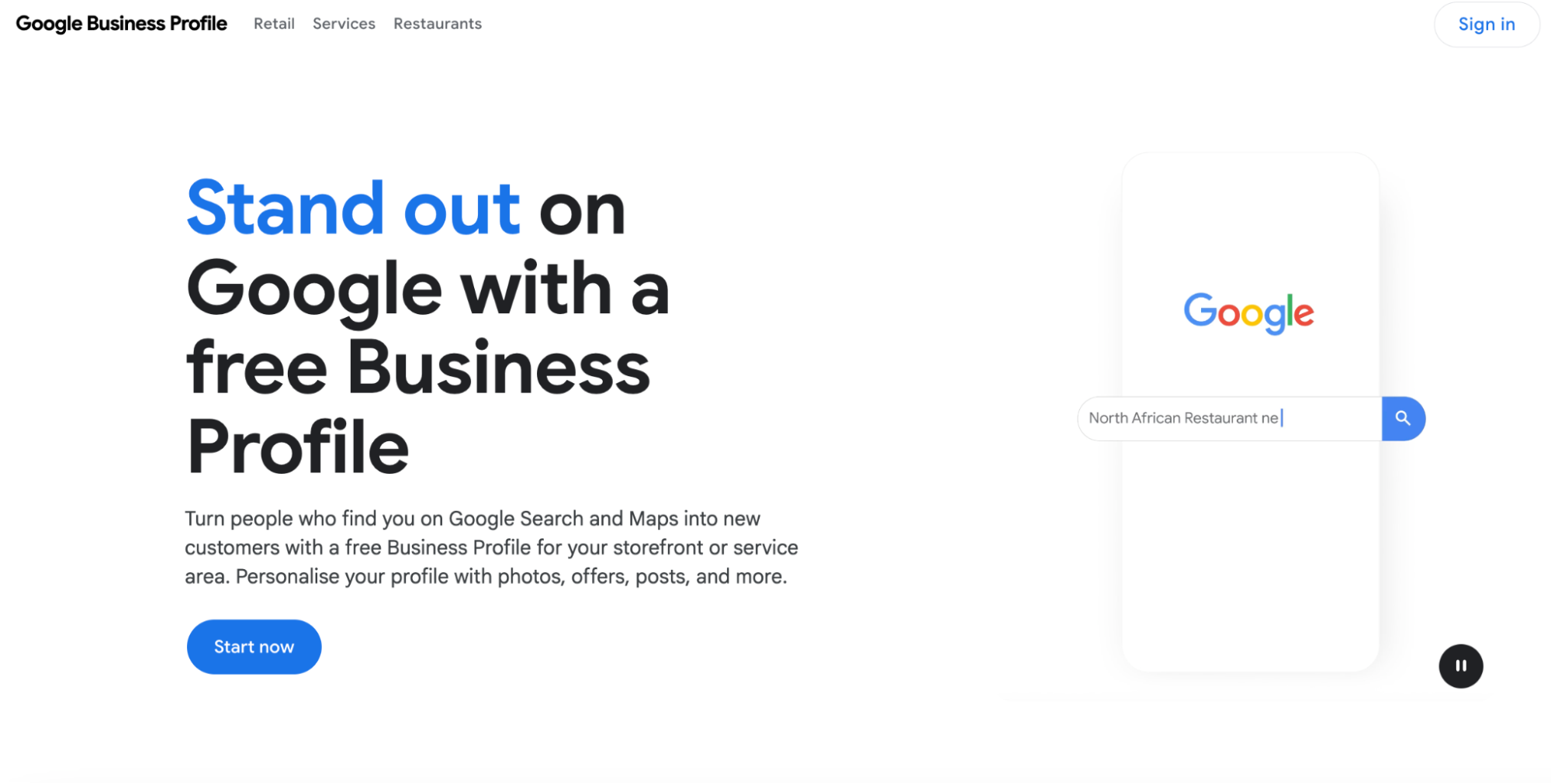
Your Google Business Profile is doing more damage than you think.
Most taxi owners set it up once and never touch it again. Then they wonder why another company ranks above them for “airport taxi Dallas” even with fewer reviews. The issue often starts with the category field.
Google treats “Taxi Service,” “Transportation Service,” and “Car Service” differently. “Taxi Service” is the exact match for most local ride searches. The broader categories pull weaker traffic so you need to fix that first.
A taxi company in Brooklyn should not set a service area covering the entire New York metro unless it truly operates there daily. Google watches proximity closely and a tight service area often performs better because it feels more trustworthy to the algorithm.
The fields below move rankings more than most others:
NAP means your business name, address, and phone number. Google checks this information across the web constantly. One old Yelp listing with the wrong phone number can weaken your local rankings today. A surprising number of taxi companies still have old dispatch numbers listed from years ago.
The fastest way to audit this is with free citation scans from tools like Moz Local or BrightLocal. Search your business and compare every listing manually. It takes only about 20 minutes.
Focus on these areas first:
Fix these before chasing backlinks or blog posts.
The keywords most taxi owners optimize for are not the ones worth chasing.
“Taxi near me” feels like the obvious target, but it is not. Google treats that search mostly as a location signal, not a normal keyword.
If a rider stands outside Union Station in Washington DC, proximity decides the results first. Your homepage alone will not rank for that query across the city. The smarter play targets route-based searches with strong booking intent.
Think “taxi from JFK to Manhattan” or “airport cab to downtown Phoenix.” Those searches happen before the ride starts and they convert well. A rider searching that at 5 a.m. often books the first trusted company they find.
Different keywords belong on different pages too. Your homepage should focus on broad city terms like “taxi service in Dallas” while airport pages should target route searches. Event pages should target venue traffic. Why does this matter? Because Google wants pages that match one clear need.
Free tools work fine here. Use Google Keyword Planner or even Google autocomplete. Start typing “taxi to” and watch the suggestions appear. Riders already tell you what they want, you just need to listen closely.
Most taxi websites have one page trying to rank everywhere. That’s why they rank nowhere.
A page called “Taxi Service Chicago” will never rank well in every neighborhood. Google wants local relevance therefore a dedicated page for “Wicker Park airport rides” feels more useful than a generic homepage talking about “the greater Chicago area.”
But here is where many taxi companies fail. They create 40 near-identical pages with swapped city names, but Google spots that instantly. A page for Bucktown should not repeat the same intro used for Lincoln Park.
The copy must feel local and to do that mention nearby landmarks, real pickup zones, and local problems like late-night rides after Cubs games or Navy Pier traffic backups. That is what makes pages feel real.
A good service-area page also helps riders trust you faster. Someone searching “taxi from Brooklyn to Newark Airport” wants proof you know the route. Mention toll roads, average drive times during rush hour, and terminal pickups as those details build confidence quickly.
Each page should include these elements:
Taxi businesses using CausalFunnel often pair these landing pages with AI-driven audience analysis. That helps identify which areas produce the highest-value customers instead of chasing random traffic from low-converting neighborhoods.
Taxi companies get more Google reviews by asking right after the ride ends while the experience still feels fresh. A short SMS with a direct review link works better than long follow-up emails sent the next day.
Most passengers will never leave a review later, because let’s be real, life moves fast. But during those first ten minutes after drop-off, the memory still feels active. If the driver was friendly and the ride felt smooth, the passenger often says yes for leaving a review.
The request itself should stay simple. Something like: “Thanks for riding with us today. A quick Google review really helps: [link].” That is enough. No emojis, long speech or begging.
Negative reviews matter too. Never argue publicly with a rider, even when they sound unfair. Respond calmly. A short reply like “Sorry about the delay near O’Hare traffic or “We appreciate the feedback” looks far better than a defensive paragraph. Riders read those replies closely before booking.
The three best review methods are:
A taxi company with 30 recent reviews often outranks one with 40 old reviews, even if the older company has operated longer. Google likes fresh activity, so keep the stream steady.
Schema markup tells search engines exactly what your business does. Today, Google’s free Structured Data Markup Helper generates ready-to-paste schema code in under five minutes with no developer needed. You paste the code into your website header, then test it using Google’s free Rich Results Test.
Most taxi websites skip this step completely. A properly marked-up taxi site gives Google clearer signals about your phone number, business type, service area, and booking options.
These schema types matter most for taxi companies:
Use Google’s free Structured Data Markup Helper to create the code and then test it.
Not all taxi searches are equal. Airport searches pay more and repeat more.
Someone searching “taxi to JFK airport” often books within minutes. There is very little browsing involved. They need a reliable ride before a flight. That urgency creates high conversion rates. Far higher than broad searches like “cab company NYC.”
Airport pages work best when they feel practical. Include terminal details, mention pickup instructions, and typical travel times from downtown. A rider heading to LAX at 4 a.m. wants confidence, not marketing fluff. Add a click-to-call button high on the page too as fast access matters on mobile screens.
The same strategy works for events. A page targeting “taxi after concert at Madison Square Garden” can rank surprisingly fast because competition stays low as those searches spike repeatedly during events. Think football games in Dallas or Miami concerts at Kaseya Center. Those pages stay useful year after year.
Your site has about 3 seconds before a potential passenger leaves.
Most taxi bookings happen on phones. Someone standing outside a hotel in Las Vegas will not wait eight seconds for your homepage to load. They will hit back and call another company instead. The booking window often lasts under 90 seconds. 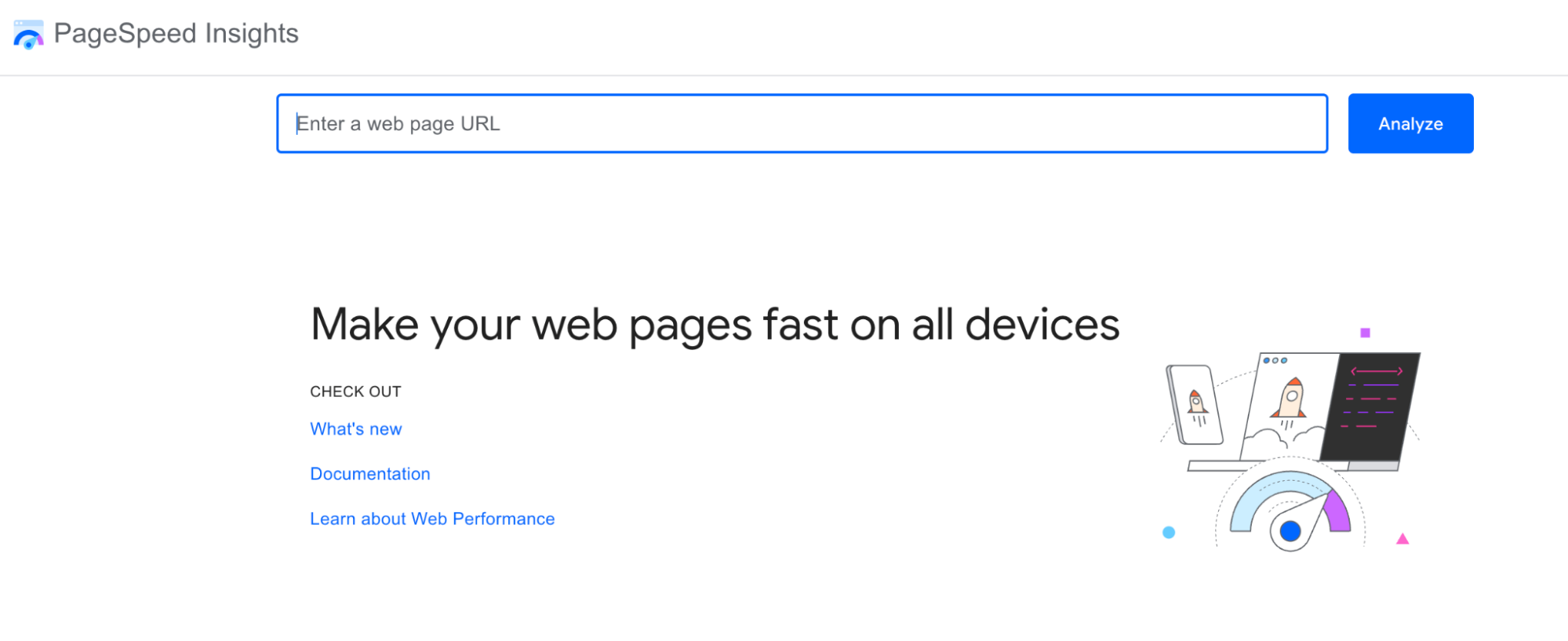
Run your site through Google PageSpeed Insights today. A mobile score above 70 is the minimum target, but under 50 usually means serious problems. Slow hosting and oversized images cause most taxi website issues.
Fix these first:
Do not rush into a full redesign immediately. Compress images first, and then retest. Many taxi sites improve within hours from that change alone.
Some taxi companies hurt their rankings without realizing it.
The biggest mistake is treating local SEO like a one-time setup. A profile built in 2023 and ignored since then will slowly lose visibility.
Another common mistake is stuffing keywords everywhere. Pages that repeat “best taxi company Chicago” twenty times feel fake. The content should sound natural first. Search engines second.
Avoid these mistakes early:
And here is another problem. Many taxi companies chase traffic instead of bookings. A thousand random clicks mean nothing if nobody calls dispatch. That is why platforms like CausalFunnel focus heavily on conversion behavior and audience quality instead of vanity traffic numbers alone. Better targeting often brings fewer clicks but more real riders.
Local SEO works because taxi passengers search with urgency. They want a ride now, not ten minutes from now. That changes how your business should appear online. Fast-loading pages, strong reviews, clear booking buttons, and accurate local signals win more rides than flashy marketing slogans ever will.
Start with the basics first. Fix your Google Business Profile. Ask for reviews after every smooth ride. Build pages for routes people actually search. Most taxi companies still ignore these details. That leaves a wide opening for the businesses willing to move first.
Most taxi companies see early movement within 30 to 90 days. Google Business Profile updates and review growth usually move fastest. Service-area pages and citation fixes often take longer. Faster markets like New York or Miami may need more time because competition stays high.
Both can work together. Local SEO helps build steady long-term visibility. Google Ads bring immediate traffic but stop the moment spending pauses. Many taxi businesses use ads for airport routes while building organic rankings over time.
For many local searches, yes. Especially route-specific and neighborhood searches. Uber dominates broad brand awareness, but smaller taxi companies often rank well for airport transfers, event rides, and local pickup searches with strong reviews and better local optimization.
No. Start with high-value areas first like airports, hotels, and event venues. Build pages slowly and make each one unique. Thin copy-paste pages usually fail.
The fastest gains usually come from three areas first:
Those three changes alone can improve visibility and bookings surprisingly fast. Small fixes. Big difference.
Start using our A/B test platform now and unlock the hidden potential of your website traffic. Your success begins with giving users the personalized experiences they want.
Start Your Free Trial

Empowering businesses to optimize their conversion funnels with AI-driven insights and automation. Turn traffic into sales with our advanced attribution platform.
Trusted by Customers


©CausalFunnel Inc. All rights reserved.