






The Current State of PPC for HVAC
HVAC advertising costs jumped 35% in 2024 alone. Summer keywords like “AC repair” now cost $25-45 per click. Winter heating terms aren’t much cheaper at $20-35 per click. Most contractors burn through their budgets by Labor Day. They panic-spend during heat waves. They forget to adjust bids when temperatures drop. Here’s one or more of what’s really draining your PPC for HVAC budget:- Wrong keyword targeting – You’re paying for clicks that never convert
- Poor ad timing – Running ads when your phones are off
- Weak landing pages – Visitors leave without calling or booking
- No call tracking – You can’t tell which ads actually work
- Geographic waste – Paying for clicks outside your service area
Understanding HVAC PPC Fundamentals: Beyond Basic Advertising
PPC for HVAC works like a digital auction every time someone searches. Google looks at your bid amount and ad quality. The highest combined score wins the top spot. Quality Score matters more than most contractors realize. A score of 8/10 can cut your costs by 30%. A score of 4/10 doubles what you pay per click. Here’s how Google calculates your Quality Score:- Expected click-through rate – How often people click your ads
- Ad relevance – How well your ad matches the search
- Landing page experience – How useful your page is to visitors
- Historical account performance – Your past success rates
- Cost per lead (CPC): How much each phone call costs
- Lead-to-customer conversion rate: How many calls turn into jobs
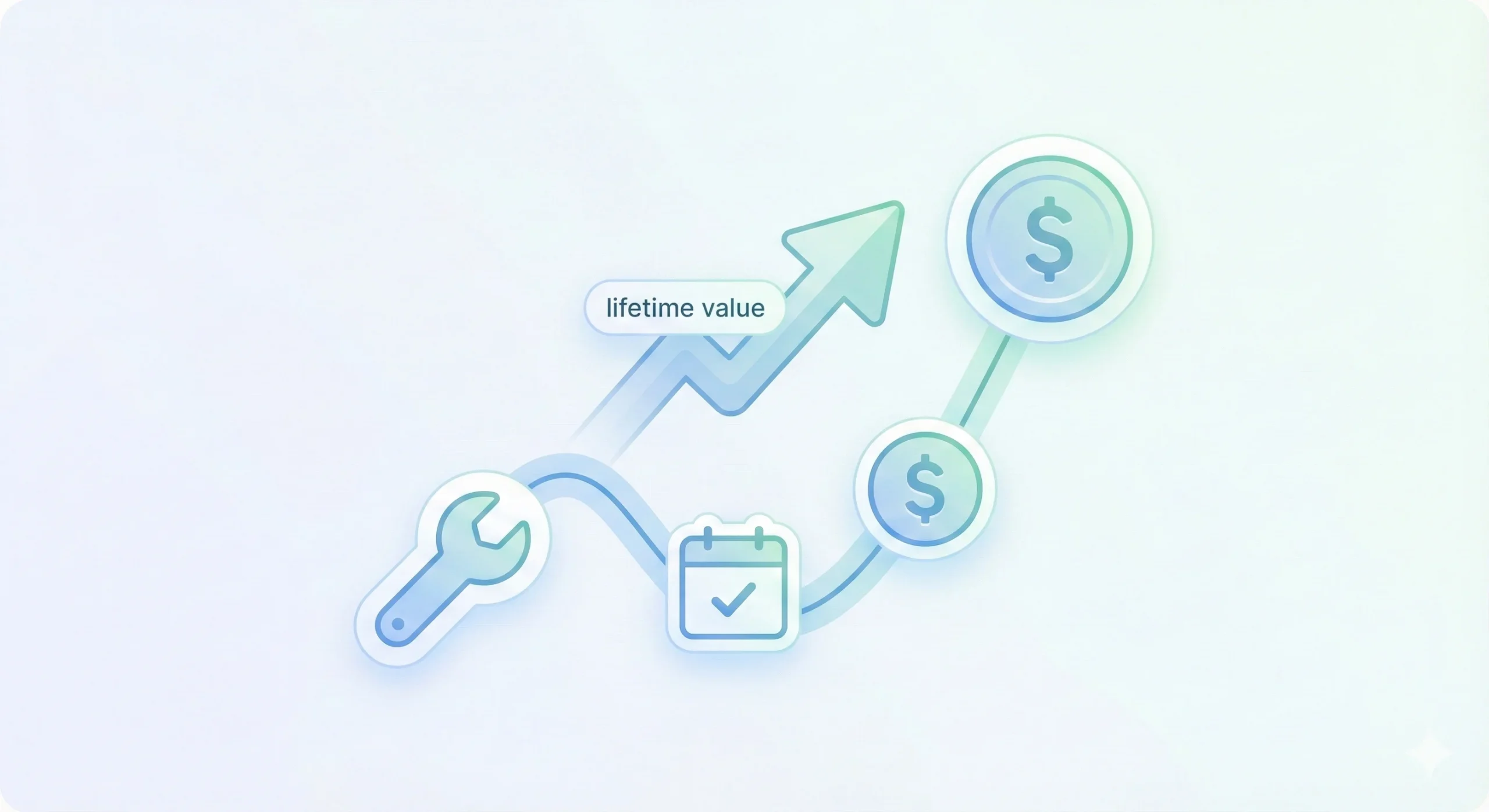
- Customer lifetime value: Total revenue per customer
The Hidden Costs That Kill HVAC PPC Budgets
Five expensive mistakes drain your advertising budget fast:- Click fraud – Competitors clicking your ads to waste your money
- DIY searchers – People wanting to fix things themselves, not hire you
- Job seekers – People looking for HVAC work, not HVAC service
- Parts buyers – Customers wanting equipment, not installation or repair
- Out-of-area clicks – Traffic from places you don’t serve
Strategic Campaign Architecture for Maximum Efficiency
Smart campaign structure saves money from day one. To ensure you have the right ad campaign setup, opt for AI-powered Ads Optimization. For instance, a multi-location adventure tour company used such a tool for cross-platform insights to identify top performing ads and continued to spend only on them. As a result, they gained a 450% increase in return on ad spend (ROAS) over loss.
- 24/7 scheduling with higher bids
- Keywords: “no heat,” “AC not working,” “furnace repair now”
- Mobile-focused with click-to-call ads
- Business hours only with moderate bids
- Keywords: “HVAC maintenance,” “furnace tune-up,” “AC installation”
- Desktop-focused with detailed landing pages
- Activated 30 days before peak season
- Keywords: “AC repair before summer,” “furnace check winter”
- Lower bids with educational content
- Emergency repairs: 40% of budget (highest profit)
- Installations: 35% of budget (highest revenue)
- Maintenance: 25% of budget (customer retention)
Service-Based Campaign Segmentation Strategy
Emergency services need different strategies than planned work. Emergency customers don’t have the time to compare prices. Rather, they want fast response and immediate solutions. On the other hand, planned service customers research extensively. They compare quotes from multiple contractors. Price matters more than speed. Emergency Campaign Setup:- Higher bids during nights and weekends
- Aggressive ad copy emphasizing speed
- Landing pages focused on immediate booking
- Call-only ads for mobile users
- Lower bids during business hours
- Educational ad copy building trust
- Landing pages with detailed service information
- Form submissions acceptable alongside calls
- Residential emergency: 30% of total budget
- Commercial emergency: 20% of total budget
- Residential planned: 25% of total budget
- Commercial planned: 25% of total budget
Advanced Keyword Research and Selection for HVAC Success
Most contractors target obvious keywords like “HVAC repair.” These cost the most and convert poorly. Smart contractors dig deeper. Start with problem-based keywords. Instead of “furnace repair,” target “furnace not heating house.” Instead of “AC service,” use “AC blowing warm air.” High-Intent Keywords That Convert:- “Furnace making weird noise”
- “AC not cooling upstairs”
- “Heat pump freezing up”
- “Thermostat not working properly”
- “Ductwork cleaning needed”
- Monthly search volume of 100-1,000
- Cost per click under $20
- Commercial intent (people ready to buy)
The 15-Minute Weekly Keyword Audit Process
Set aside 15 minutes every Monday morning for keyword maintenance. This small investment prevents major budget waste. Minutes 1-5: Search Terms Review- Download last week’s search terms report
- Look for irrelevant queries that triggered your ads
- Add negative keywords for terms you don’t want
- Identify keywords with high costs but no conversions
- Pause keywords that haven’t converted in 30 days
- Increase bids on keywords generating profitable leads
- Find new keyword ideas from your search terms report
- Add relevant long-tail variations of your best performers
- Check competitor ads for keyword inspiration
Creating High-Converting HVAC Ad Copy That Drives Action
Great HVAC ads solve specific problems immediately. They don’t just list services. They address the exact pain point someone is experiencing right now. Emergency Ad Structure: Headline: “AC Not Working? Same-Day Repair Available” Description: “Licensed technicians respond within 2 hours. Free estimates. 10-year parts warranty included.” Planned Service Ad Structure: Headline: “Fall Furnace Tune-Up – Prevent Winter Breakdowns” Description: “Certified HVAC experts. 25-point inspection included. Schedule online or call now.” Always include your unique advantages:- Response time guarantees
- Licensing and certification details
- Warranty information
- Free estimate offers
- Financing options available
- Same-day, immediate, fast response
- Licensed, certified, insured, bonded
- Free estimate, no trip charge, upfront pricing
- Emergency, 24/7, always available
- Guaranteed, warrantied, protected
Emergency vs. Planned Service Ad Messaging
Emergency ads need urgency and immediate action. Planned service ads need trust-building and value demonstration. Refer to these HVAC ad examples for a better insight. Emergency HVAC ad examples“No Heat? Emergency Furnace Repair – Available Now”
“AC Broke Down? Same-Day Service – Call Within 1 Hour”
“Heating Emergency? Licensed Techs Respond 24/7” Planned Service HVAC ad examples
“Fall HVAC Maintenance – Prevent Expensive Winter Repairs”
“New Heat Pump Installation – Energy Savings Start Now”
“Ductwork Cleaning Special – Improve Your Indoor Air Quality” Emergency ads should emphasize speed and availability. Use words like “now,” “immediate,” “emergency,” and “24/7.” Include your response time if it’s competitive. Planned service ads should focus on benefits and value. Use words like “save,” “prevent,” “improve,” and “upgrade.” Include specific offers or seasonal specials. Both ad types need clear calls-to-action (CTAs).
Platform-Specific Strategies: Beyond Google Ads
In 2025, while Google dominates HVAC searches, other platforms offer cheaper opportunities. Smart contractors use multiple channels to reduce overall acquisition costs.Bing Ads Benefits
- 20-30% lower cost per click than Google
- Older homeowner demographic (more likely to own homes)
- Less competition from other contractors
- Same ad formats and targeting options
Local Services Ads Advantages
- Pay only for qualified leads, not clicks
- Google Guaranteed badge builds instant trust
- Appears above regular ads and map results
- Fixed cost per lead makes budgeting easier
Maximizing Facebook Ads for HVAC Lead Generation
Facebook works differently than search advertising. People aren’t actively looking for HVAC help when they see your HVAC Facebook Ads. You need to grab attention and create interest. Best Performing HVAC Facebook Ads Audiences:- Homeowners aged 35-65 in your service area
- People who recently moved or bought homes
- Fans of home improvement pages and shows
- Custom audiences from your email lists
- Before/after photos of equipment installations
- Quick tip videos about maintenance
- Customer testimonial videos
- Seasonal reminder posts about tune-ups
Don’t sell emergency repairs on Facebook. Instead, focus on:
- Seasonal maintenance reminders
- Energy efficiency improvements
- Indoor air quality solutions
- New equipment installations
YouTube Advertising for HVAC: Building Trust Through Video
YouTube lets you show your expertise before competitors even appear. HVAC YouTube Ads build trust that text ads cannot match. Video Content Ideas:- 30-second equipment maintenance tips
- Common problem explanations and solutions
- Customer testimonials and success stories
- Behind-the-scenes looks at your team working
- Keywords related to HVAC problems and solutions
- Demographics matching your ideal customers
- People researching home improvement topics
- Custom audiences from your website visitors
- Start with $200-300 monthly budget
- Target cost per view of $0.05-0.10
- Focus on 15-second non-skippable ads initially
- Test 30-second skippable ads for detailed explanations
Landing Page Optimization for Converting Clicks to Customers
Your landing page makes or breaks your PPC for HVAC campaigns. Great ads mean nothing if visitors leave immediately after clicking. Essential Landing Page Elements:- Headline matching your ad copy exactly
- Prominent phone number above the fold
- Simple contact form with 3-4 fields maximum
- Trust signals like licenses and certifications
- Customer reviews and testimonials
- Page loads in under 3 seconds
- Phone number clickable for easy calling
- Form fields large enough for thumbs
- No horizontal scrolling required
- Clear call-to-action buttons
- Emphasize fast response time
- Show available appointment slots
- Include emergency contact number
- Minimize form fields to reduce friction
- Explain service benefits clearly
- Include detailed pricing information
- Show before/after photos
- Provide multiple contact options

The 5-Second Rule for HVAC Landing Pages:
Visitors decide whether to stay or leave within 5 seconds. Your page must communicate three things instantly:- What service you provide – Match your ad headline exactly
- Why they should choose you – Unique value proposition
- How to contact you immediately – Phone number or form
- Generic headlines that don’t match ads
- Phone numbers buried in the footer
- Complex navigation menus that distract
- Slow loading times that frustrate visitors
- Missing trust signals like licensing info
Budget Management and Bid Optimization Strategies
Most contractors set their PPC budget randomly. They pick a monthly number that “feels right” without any data backing it up. Smart budget allocation starts with understanding your numbers:- Average job value by service type
- Lead-to-customer conversion rate
- Acceptable cost per acquisition
- Monthly revenue goals from PPC
- Emergency repairs: 40% (highest margins)
- New installations: 35% (largest revenue)
- Maintenance plans: 15% (customer retention)
- Commercial services: 10% (testing new markets)
- Summer months: Increase budget 50-75% for AC campaigns
- Winter months: Increase budget 40-60% for heating campaigns
- Shoulder seasons: Reduce budget 25-30%, focus on maintenance
- Business hours: Normal bids for planned services
- Evenings: Increase emergency bids by 25%
- Weekends: Increase emergency bids by 50%
- Holidays: Maximum bids for emergency services
Emergency Budget Reallocation: The 24-Hour Crisis Protocol
Weather emergencies create sudden demand spikes. Heat waves and cold snaps can exhaust monthly budgets in hours. Crisis Response Checklist:- Monitor weather forecasts weekly
- Prepare emergency budget increases 48 hours ahead
- Pause non-emergency campaigns during crises
- Increase emergency service bids by 75-100%
- Extend ad schedules to 24/7 operation
- Pause maintenance and installation campaigns
- Move their budget to emergency repair campaigns
- Increase mobile bid adjustments by 50%
- Switch to accelerated ad delivery
- Monitor spending every 2 hours during crisis
Connecting PPC Leads to Actual Revenue: The Missing Link
The biggest challenge in PPC for HVAC is tracking offline conversions. Someone clicks your ad, calls your office, and books a service call. How do you connect that completed job back to the original advertisement? Technology Solutions:- Dynamic number insertion on landing pages
- Call tracking software with CRM integration
- Conversion import from your business software
- Customer survey asking “how did you find us”
- Lead source tracking in your dispatch system
- Train staff to ask every caller about their lead source
- Include lead source questions on service forms
- Track phone numbers used in different campaigns
- Regular review of completed jobs vs. PPC leads
- Monthly reconciliation of ad spend vs. actual revenue
Adapting Your HVAC PPC Strategy Year-Round
HVAC demand changes dramatically throughout the year. Your PPC campaigns must adapt to these natural patterns. Monthly Optimization Calendar: January-February: Focus on heating repairs and maintenanceMarch-April: Transition to AC tune-ups and installations
May-August: Peak AC repair and emergency services
September-October: Fall maintenance and heating preparation
November-December: Emergency heating services peak Don’t wait for demand spikes to adjust campaigns. Proactive contractors start advertising 30 days before peak seasons begin.

Measuring Success: KPIs That Actually Matter for HVAC PPC
Too many contractors focus on vanity metrics like clicks and impressions. These numbers don’t pay your bills or grow your business. Primary KPIs for HVAC PPC:- Revenue per dollar spent (ROAS)
- Cost per booked job
- Customer lifetime value by source
- Profit margin by campaign type
- Market share in service area
- Quality Score by keyword group
- Click-through rate by ad variation
- Landing page conversion rate
- Call-to-booking conversion rate
- Geographic performance variation
Common HVAC PPC Mistakes and How to Avoid Them
Most contractors make the same expensive mistakes repeatedly. Learning from others’ errors saves thousands of dollars. Budget Waste Mistakes:- Broad match keywords without negative lists
- Generic landing pages for specific services
- No call tracking to measure true ROI
- Running ads outside actual service areas
- Bidding on competitor names you can’t service
- Using only emergency keywords (high cost)
- Ignoring maintenance and installation opportunities
- No dayparting for business hour optimization
- Missing mobile bid adjustments
- Failing to exclude irrelevant demographics
- Generic ad copy that doesn’t differentiate
- Landing pages that don’t match ad promises
- Missing trust signals and credibility markers
- No clear call-to-action instructions
- Outdated offers and seasonal messaging
- Map your actual service boundaries precisely
- Calculate realistic drive times, not just distance
- Test different radius sizes with small budgets
- Monitor lead quality by geographic area
- Adjust targeting monthly based on booking data
Example
Geographic Targeting Gone Wrong
One contractor learned expensive lessons about geographic targeting the hard way. The Problem: They set a 50-mile radius around their office, thinking bigger was better. They paid for thousands of clicks from suburbs they couldn’t serve within reasonable time frames. The Cost: Over 6 months, they spent $10,000 on clicks from areas requiring 2+ hour drive times. Their actual service area was only 15 miles from their office. This single mistake costs most contractors thousands annually. The Discovery: Call tracking revealed that leads from distant areas had 5% booking rates compared to 35% from nearby areas. The Fix: They reduced targeting to a 20-mile radius and increased bids within their core 10-mile area. Cost per lead dropped 40% while booking rates doubled. Tight geographic targeting always outperforms broad reach for PPC for HVAC campaigns.Future-Proofing Your HVAC PPC Strategy
Digital advertising evolves constantly. Contractors who adapt early gain competitive advantages while others scramble to catch up. Voice Search Impact: More customers use voice commands like “Hey Google, find HVAC repair near me.” This changes keyword research toward conversational phrases. AI and Automation: Google’s machine learning improves daily. Smart contractors feed it clean conversion data and let automation handle bid management. Privacy Changes: iOS tracking limitations and cookie deprecation affect audience targeting. First-party data from your website becomes more valuable. Video Content Growth: YouTube and social video advertising continue expanding. HVAC YouTube Ads will become essential for brand building and trust development. Smart contractors start testing these changes now. Early adoption costs less than reactive scrambling when changes become mandatory. The most important future-proofing strategy is building direct relationships with customers. Email lists, maintenance contracts, and customer loyalty programs reduce dependence on paid advertising.Final Thoughts
Success in HVAC advertising comes from consistent optimization, not one-time setup. Dedicate 30 minutes weekly to campaign maintenance and improvement. The contractors who master PPC for HVAC gain advantages over their competitors to get more leads at lower costs. As a result, they get more profitable jobs and grow their businesses consistently. Your next customer is searching for HVAC help right now. Make sure they find you first.
Local Lead Generation Company Maryland: Expert Services
Looking to grow your business in Maryland? Discover how expert local lead generation services can connect you with high-quality customers...
Read More
Why Localization SEO Is Key to International Search Growth
Expanding globally? Learn why simple translation isn't enough and how Localization SEO helps you rank in international markets...
Read More
Multilingual PPC Services: 10 Best Practices (2025)
Scaling your ad campaigns internationally requires more than just keywords. Here are 10 proven practices for managing successful campaigns...
Read More
Why Hiring an SEO Company for Plumbers is Essential
For plumbing businesses, local visibility is everything. Discover why professional SEO services are critical for growth...
Read More
PPC for Home Services: How to Get More Customers Fast
Need customers now? PPC is the fastest way for home service businesses to generate leads. Learn strategies to get immediate results...
Read More
Local HVAC Lead Generation: Win Customers in Your Area
HVAC competition is tough. Learn the most effective lead generation strategies to win more customers in your specific local area...
Read More


