



Free Funnel Audit
Convert more customers today!

SEO
10 mins read

SEO
10 mins read
Many people target broad keywords without understanding how competitive or unclear they truly are. This misunderstanding often leads to slow rankings, weak traffic quality, and wasted time creating the wrong pages. Head keywords sit at the center of this problem and opportunity.
This guide explains what head keywords are and how they fit into a real SEO strategy. You will learn why they attract high traffic, why they are difficult, and when they make sense. You will also learn how to find them and place them correctly across your website.
Head keywords are short, broad search terms that represent a main topic. They usually describe an entire category rather than a specific question or action. These keywords often attract a very high search volume.
They are sometimes called head terms or short-tail keywords. The names differ, but the meaning stays the same across SEO discussions. The reason why they are called head keywords is that they sit at the “head” of keyword demand for a topic.
Head keywords are not long-tail keywords. They usually do not show clear buying intent. They also do not answer one specific question.
Key characteristics of head keywords:
Usually one or two words long
Very broad search intent
High monthly search volume
High competition across most industries
Often used at the top of the funnel
Keyword types differ by length, intent clarity, and competition level. Understanding these differences helps you choose better targets. It also prevents frustration when rankings do not improve.
So what’s the difference between different types of keywords?
Head keywords bring visibility but demand strong authority.
Long-tail keywords bring clarity and conversions but limit scale.
Mid-tail keywords balance both and often support growth.
Keyword Type | Typical Length | Intent Clarity | Competition Level | Best Page Type | Conversion Likelihood |
Head | 1–2 words | Low | Very high | Category or hub page | Low |
Mid-tail | 2–4 words | Medium | Medium | Guides or service pages | Medium |
Long-tail | 4+ words | High | Low | Blog posts or product pages | High |
Head terms trade intent clarity for reach, while long-tail terms trade volume for precision. On the other hand, mid-tail terms connect these two ends.
A healthy SEO strategy usually uses all three types together. If you skip any one layer, it can often slow long-term growth.
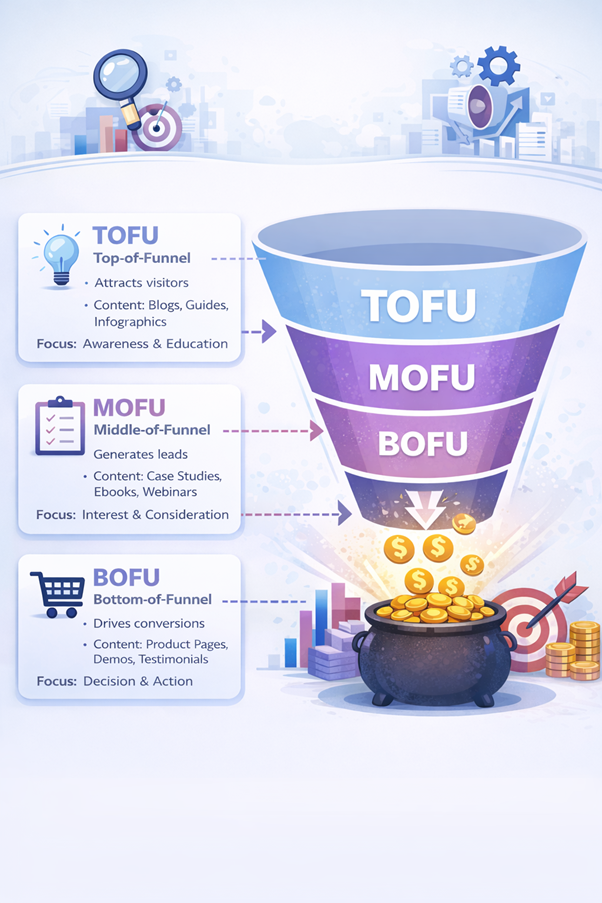
Head keywords sit at the very start of the search journey. Searchers use them when exploring, learning, or comparing options. They are not ready to buy, but they are ready to learn.
This stage is often called top-of-funnel search behavior. In this stage, users want definitions, options, comparisons, or basic direction. Head terms help you appear early in that decision process.
This early visibility still brings strong business value. It builds awareness before users choose specific solutions. It also increases brand recall across future searches.
Think of head keywords as entry doors to your website. They introduce users to your brand before specific needs form. Later searches often include your brand or deeper queries.
Many people avoid head terms because they convert poorly. That concern is valid, but conversion is not their primary job.
Let’s take a situation as an example
A user searches “SEO”> They read your beginner guide > They later search “SEO audit checklist” > They finally search “SEO agency pricing.”
The first visit rarely converts, but if your content is useful, the later visits often convert.
Head keywords rarely convert on first touch. That does not mean they lack value. They support several indirect benefits.
Visibility benefits include:
Head terms fuel long-term demand, not quick wins.
Best use cases for head terms:
Head keywords work best as foundation assets. They support growth rather than drive instant sales.
Just reading about head keywords, it might seem a bit confusing. But that’s why we’re here. To help you out with your confusion.
Unless you see a few examples, you won’t be able to understand what head keywords actually look like. Examples help you spot head terms in your own research. They also show how broad intent shapes content needs.
Below is a head keywords example set across industries.
Intent example:
“Shoes” usually means browsing categories and comparing styles.
These searches often mix learning with provider discovery.
Intent example:
“SEO” often blends definitions, services, tools, and guides.
Intent example:
“Insurance” usually signals research and comparison, not purchase yet.
These searches focus on options, outcomes, and credibility.
Search results for head terms are rarely simple. They often show mixed page types on the same results page. This reflects unclear or blended search intent.
You will often see large brands dominate early positions. High-trust sites also appear more often than niche blogs. Smaller sites need a strong structure to compete.
Common ranking page types include:
Matching the dominant pattern matters more than keyword placement.
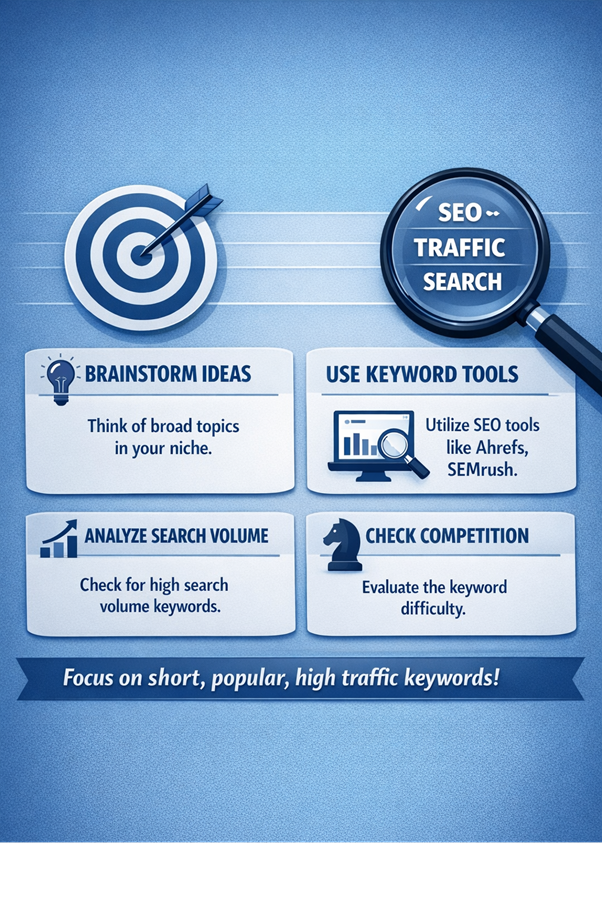
Finding head keywords works best with real data. Guessing based on volume alone often misleads decisions. Use both performance data and research tools together.
This method finds terms that you already showed up for. It reveals demand without starting from zero. It also highlights quick improvement opportunities.
Steps:
What to look for:
These signals often show head keyword potential.
This method confirms volume and competition levels. It also helps expand topics beyond current visibility. Use it after building a short candidate list.
Steps:
Decision rules:
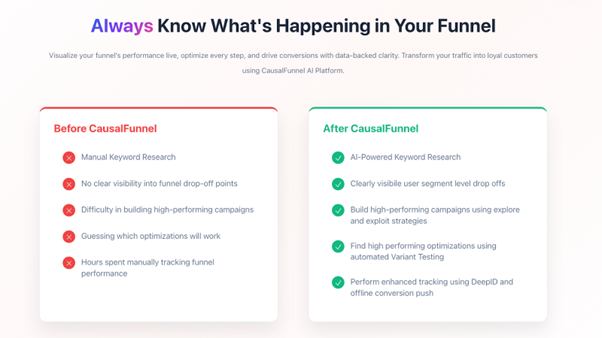
Head keywords are powerful but not always smart choices. Using them at the wrong time slows progress. A clear decision framework prevents wasted effort.
Use head terms when:
Avoid head terms when:
Timing matters as much as keyword choice.
Head keywords belong at the top of the site structure. They work best on pages that guide exploration. They should not live on narrow blog posts.
Think in layers rather than isolated pages. Each layer supports the one above it. This structure helps both users and search engines.
Sample structure:
Important warning:
Do not target the same head term on multiple pages. This causes keyword cannibalization and ranking confusion.
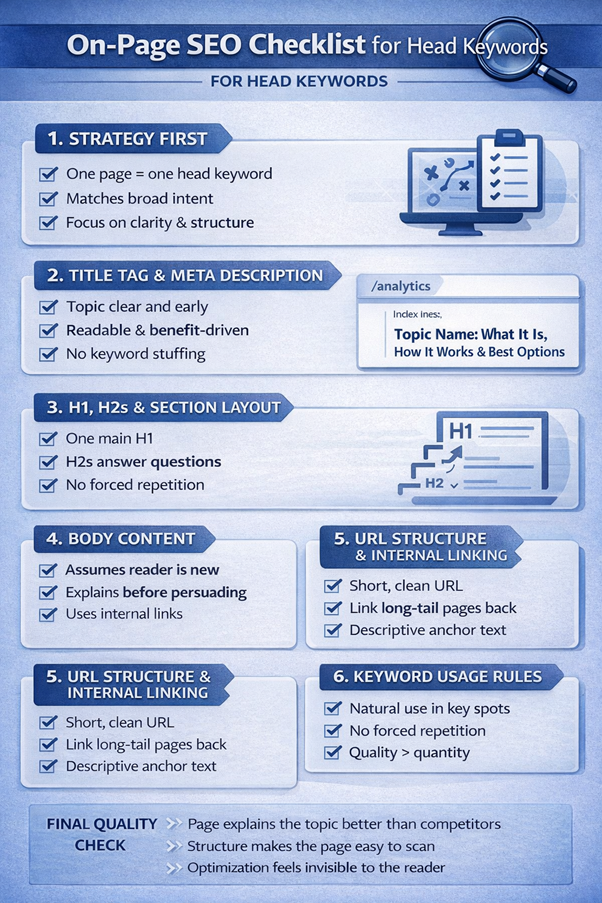
Optimizing head terms requires restraint and clarity. Optimizing head keywords is not about repetition. It is about structure, intent, and user flow.
Search engines reward clarity and depth. When you over-optimize, it hurts more than it helps. It’s best to focus on intent and structure first.
Titles should explain the topic clearly. They must match broad search intent. You should optimize the title tag and meta description by:
Title templates:
Meta descriptions should clarify value, not stuff keywords. They should set expectations and should tell users what they will learn.
When head keyword pages attract large traffic volumes, professionals from CausalFunnel help analyze engagement quality. You can see which titles bring curious users versus serious ones.
Strong structure improves understanding and rankings. Each section should answer a beginner-level question. This keeps users scrolling instead of bouncing.
Use natural language and topic variations instead. Structure matters more than repetition.
Body content must satisfy the broad intent. Always explain before you persuade. When writing something, assume the reader is new to the topic.
Strong body content should include:
For example, a page targeting “Analytics” should explain use cases before promoting tools.
Tracking tools like CausalFunnel help confirm whether users are consuming this content or dropping early. This feedback improves optimization decisions.
Head keyword pages need clean URLs because short URLs signal importance and focus.
Good example:
/analytics/
Poor example:
/analytics-best-advanced-tracking-tool-2024/
Internal linking is even more important. Linking supporting articles back to the main hub creates a clear topic hierarchy. It also improves authority flow.
Only one page should target one main topic. Multiple pages dilute authority. This mistake slows rankings significantly.
If overlap exists:
Clear ownership of topics always wins. Use redirects or canonicals when needed.

Many sites fail due to avoidable errors. These mistakes slow rankings and dilute authority. Fixing them early saves months of effort.
Teams pick keywords based on volume alone. They skip checking what actually ranks.
To fix:
Study the first page before creating content.
Most head keywords are informational. Including these in sales pages feels out of place.
To fix:
Create guides or category hubs first.
One page cannot carry a topic alone. Search engines expect depth.
To fix:
Build mid-tail and long-tail support content.
The head keyword value shows up later. Last-click reports hide early influence.
To fix:
Use journey-based tools like CausalFunnel to see how top-funnel traffic contributes downstream.
This splits authority and confuses crawlers. Neither page ranks well.
To fix:
Choose one primary page and consolidate others.
Head keywords demand patience and structure. They work best when paired with behavioral insight. Platforms like CausalFunnel help connect visibility to revenue.
Head keywords play a strategic role, but they work best within a larger content system. They help users discover your brand while exploring broad topics. These searches often happen early, before users know exactly what they want.
If your website is new, head keywords can slow progress and waste effort. In that case, focus first on easier terms that build trust and authority. You can also reach out to CausalFunnel for professional advice on how to build authority. Once authority grows, head keywords support strong and lasting visibility.
Yes, the terms are often used interchangeably in SEO discussions.
Usually one primary topic with close variations works best.
It is possible, but very difficult without strong support content.
Start with mid-tail keywords and build authority before expanding.
Start using our A/B test platform now and unlock the hidden potential of your website traffic. Your success begins with giving users the personalized experiences they want.
Start Your Free Trial

Empowering businesses to optimize their conversion funnels with AI-driven insights and automation. Turn traffic into sales with our advanced attribution platform.
Trusted by Customers


©CausalFunnel Inc. All rights reserved.